
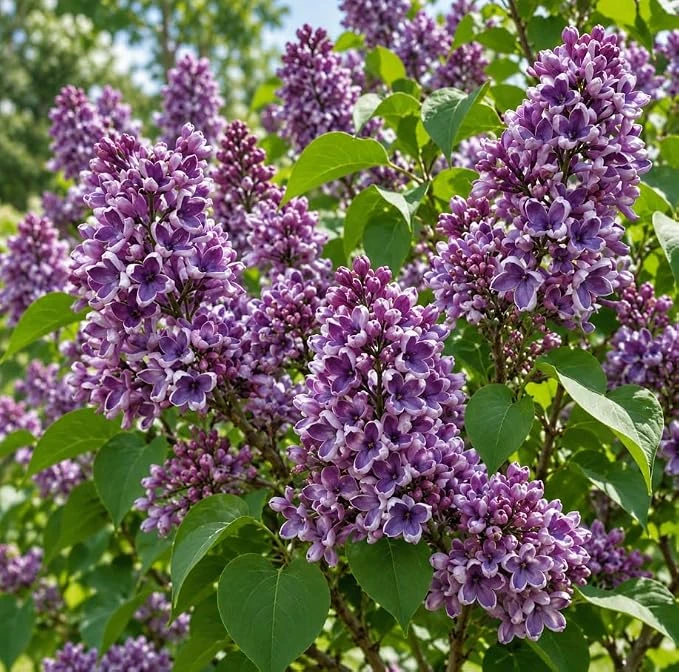
Dark Purple Lilac Bush Live Plant – Syringa Shrub – 6 Inch Tall – Outdoor
49.99 $
Add a touch of elegance and a delightful aroma to your outdoor space with this dark purple lilac bush. This syringa lilac shrub is a hardy, low-maintenance flowering plant, perfect for creating fragrant borders or as a stunning specimen.
Estimated arrival
Oct 19
Oct 24 - Oct 26
Oct 26 - Oct 31
See our Shipping Policy.
Get in touch with us via email, and our team will review your concerns.
Our Alive & Thrive Guarantee covers issues with your plants within the first 30 days. Read our Refund & Returns Policy.
-
USDA Hardiness Zone
USDA Zones 3-7 -
Soil Type
Well-draining soil -
Sunlight Exposure
Full sun -
Expected Planting Period
Spring or Fall
Overview
Introduce breathtaking beauty and an intoxicating fragrance to your garden with a dark purple lilac bush. This exquisite live plant, scientifically known as Syringa vulgaris, promises to transform your landscape into a vibrant, aromatic haven. Standing approximately 6 inches tall upon arrival, this young syringa lilac shrub is ready to establish itself and grow into a magnificent focal point. Lilacs are celebrated for their dense clusters of richly colored, sweet-scented flowers that appear in spring, making them a beloved choice for garden enthusiasts. This particular variety offers stunning dark purple blooms that will create a dramatic visual impact and fill your outdoor spaces with their classic, unforgettable aroma. Perfect for borders, hedgerows, or as a standalone specimen, this hardy shrub is an essential addition for anyone seeking a blend of beauty, fragrance, and resilience in their garden.
Our dark purple lilac bush is a robust and adaptable plant, known for its ability to thrive in various climates and conditions. As a deciduous shrub, it will naturally lose its leaves in fall and winter, arriving dormant during these seasons, ready to burst forth with new growth and spectacular blooms in spring. This natural cycle ensures a strong, healthy plant that will provide years of enjoyment. Cultivating a fragrant lilac plant is a rewarding experience, offering both visual splendor and an enchanting scent that evokes cherished memories of spring. Whether you’re an experienced gardener or just starting, this lilac bush offers an easy-to-grow option that delivers significant aesthetic returns.
Key Benefits
Choosing a dark purple lilac bush for your garden brings a multitude of advantages, enhancing both the beauty and sensory experience of your outdoor living area. Here are some of the key benefits:
- Stunning Floral Display: Enjoy an abundance of rich, dark purple flowers in spring, creating a spectacular visual centerpiece that draws the eye and adds deep color to your garden. The vibrant hue of this syringa lilac shrub makes it a standout.
- Enchanting Fragrance: Fill your garden with the classic, sweet, and powerful scent of lilac blooms. This fragrant lilac plant is renowned for its captivating aroma, making your outdoor space a truly delightful place to relax.
- Attracts Pollinators: The fragrant flowers are a magnet for bees, butterflies, and other beneficial pollinators, contributing to the health and biodiversity of your garden ecosystem.
- Hardy and Resilient: Lilac bushes are incredibly tough and adaptable, capable of withstanding a variety of weather conditions once established. This makes them a reliable choice for diverse garden settings.
- Low Maintenance: Once planted, this outdoor flowering shrub requires minimal care, making it an excellent option for gardeners seeking high impact with less effort. Regular watering and occasional pruning are generally sufficient.
- Versatile Landscaping Use: Ideal for creating beautiful borders, privacy hedges, or as a striking standalone specimen. Its adaptable nature allows it to fit seamlessly into many garden designs.
- Long-Lived Plant: With proper care, a dark purple lilac bush can live for many decades, providing generations of beauty and fragrance to your home.
Plant Care & Growing Tips
Caring for your dark purple lilac bush is straightforward, ensuring years of beautiful blooms and fragrance. Lilacs thrive in conditions that mimic their natural habitat. Plant your syringa lilac shrub in a location that receives at least 6 hours of direct sunlight per day. Full sun is crucial for abundant flowering; too much shade will result in fewer blooms. Ensure the planting site has well-drained soil, as lilacs do not tolerate soggy conditions. A slightly alkaline to neutral soil pH is ideal. If your soil is heavy clay, amend it with organic matter like compost to improve drainage and aeration. When planting, dig a hole twice as wide as the root ball and just as deep. Place the plant so the top of the root ball is level with the soil surface, then backfill and water thoroughly.
Watering is important, especially during the first year of establishment. Keep the soil consistently moist but not waterlogged. Once established, lilacs are quite drought-tolerant, though they will benefit from deep watering during prolonged dry spells. Fertilize in early spring with a balanced slow-release fertilizer or one formulated for flowering shrubs. Avoid over-fertilizing with high nitrogen, as this can promote leafy growth at the expense of flowers. Pruning is best done immediately after flowering in late spring or early summer. Remove spent flower clusters, dead or damaged branches, and thin out overcrowded growth to improve air circulation and encourage new blooms. This also helps maintain the desired size and shape of your fragrant lilac plant. Regular pruning is key to ensuring a healthy and floriferous dark purple lilac bush.
Monitor your outdoor flowering shrub for common pests like powdery mildew or lilac borers. Good air circulation and proper pruning can help prevent fungal diseases. If you notice signs of pests, treat them with appropriate organic or chemical solutions. In fall and winter, your lilac will enter dormancy, losing its leaves. This is a natural process and nothing to worry about. Protecting young plants with mulch around the base can help insulate roots during harsh winters. With these simple care tips, your lilac bush care routine will ensure a vibrant and healthy plant for many seasons.
Size & Details
This dark purple lilac bush arrives as a vibrant live plant, typically measuring approximately 6 inches tall. It is shipped without a pot, as a bare-root or well-rooted cutting, ready for immediate planting in your garden. This size is ideal for establishing a strong root system and ensuring vigorous growth in its new home. Lilacs are known for their moderate to fast growth rate, and this young shrub will quickly mature into a substantial presence in your landscape. You can expect this syringa lilac shrub to reach a mature height of 8-12 feet and a spread of 6-10 feet over several years, depending on growing conditions and pruning. Its upright, spreading habit makes it an excellent choice for a variety of garden applications, from informal hedges to striking specimen plantings. The plant is typically shipped with leaves during spring and summer, and will arrive dormant and leafless during fall and winter, which is a normal and healthy state for deciduous shrubs.
Frequently Asked Questions
- Q: How big does this dark purple lilac bush get? A: This lilac bush typically grows to a mature height of 8-12 feet and a spread of 6-10 feet, creating a substantial and beautiful presence in your garden over time.
- Q: What size is the plant when it arrives? A: Each syringa lilac shrub arrives approximately 6 inches tall, ready for planting. It is usually shipped without a pot, as a bare-root or well-rooted cutting.
- Q: Is this an indoor or outdoor plant? A: This dark purple lilac bush is an outdoor flowering shrub and thrives best when planted in your garden or landscape, where it can receive ample sunlight.
- Q: How much sunlight does a fragrant lilac plant need? A: Lilac bushes require at least 6 hours of direct sunlight per day to produce the most abundant and fragrant blooms. Full sun exposure is highly recommended.
- Q: Is this plant easy to care for? A: Yes, lilacs are known for being relatively low-maintenance plants once established. They require well-drained soil, plenty of sun, and occasional pruning, making lilac bush care quite manageable.
- Q: What condition will it arrive in? A: During spring and summer, your plant will arrive with leaves. In fall and winter, it will naturally lose its leaves and may arrive dormant, which is healthy for deciduous shrubs.
- Q: When is the best time to plant this outdoor flowering shrub? A: Lilacs can be planted in spring or fall. Spring planting allows the plant to establish its roots before the heat of summer, while fall planting gives it time to settle before winter.
- Q: Will it survive winter in my zone? A: Lilac bushes are hardy and typically thrive in USDA Zones 3-7. If you are within these zones, your plant should successfully overwinter with proper care and establishment.
- Q: What kind of soil does a dark purple lilac bush prefer? A: Lilacs prefer well-drained soil with a neutral to slightly alkaline pH. Amending heavy clay soils with organic matter can improve drainage significantly.
- Q: How often should I water my syringa lilac shrub? A: Water regularly during the first year to keep the soil consistently moist. Once established, lilacs are drought-tolerant but will benefit from deep watering during dry periods.
Be the first to review “Dark Purple Lilac Bush Live Plant – Syringa Shrub – 6 Inch Tall – Outdoor”
Related products


You May Like

Hardneck vs. Softneck Garlic: Which Should You Grow?
Have you ever stood in front of a seed catalog in mid-September, staring at dozens [...]
Oct

When to Plant Music Garlic: Ultimate US Fall Guide
Have you ever spent your fall weekend placing carefully chosen garlic cloves into rich, dark [...]
1 Comment
Oct

5 Best Bulbs for Fall Planting: Brighten Your Garden This Spring
Are you dreaming of a garden full of vibrant colors in the spring? The key [...]
Aug

10 Houseplants That Will Thrive in Your Kitchen
Are you tired of your kitchen feeling dull and lifeless? Want to add a little [...]
1 Comment
Aug
Reviews
There are no reviews yet.