
Dudleya Caespitosa Seeds – Sand Lettuce Succulent Seeds – 10 Pack Perennial
Original price was: 50.99 $.25.99 $Current price is: 25.99 $.
Discover the unique beauty of Dudleya caespitosa seeds, also known as Sand Lettuce seeds. These perennial succulent seeds are perfect for creating stunning, drought-tolerant landscapes or adding an intriguing specimen to your succulent collection. Grow your own unique plant from seed with this 10-seed pack.
Estimated arrival
Oct 15
Oct 20 - Oct 22
Oct 22 - Oct 27
See our Shipping Policy.
Get in touch with us via email, and our team will review your concerns.
Our Alive & Thrive Guarantee covers issues with your plants within the first 30 days. Read our Refund & Returns Policy.
-
USDA Hardiness Zone
USDA zones 9-11 -
Soil Type
Well-draining succulent or gritty soil -
Sunlight Exposure
Full sun to partial shade -
Expected Planting Period
Fall to early spring (indoors year-round)
Overview
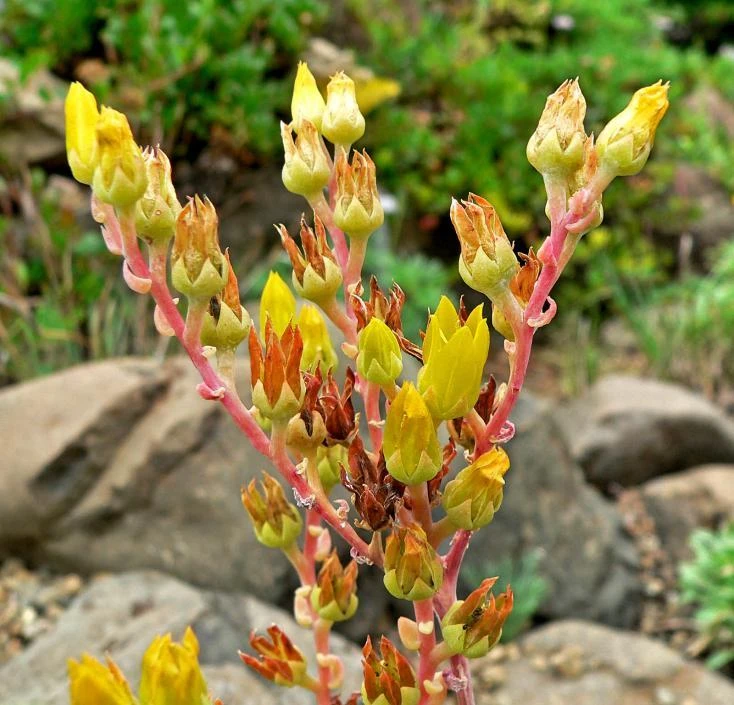
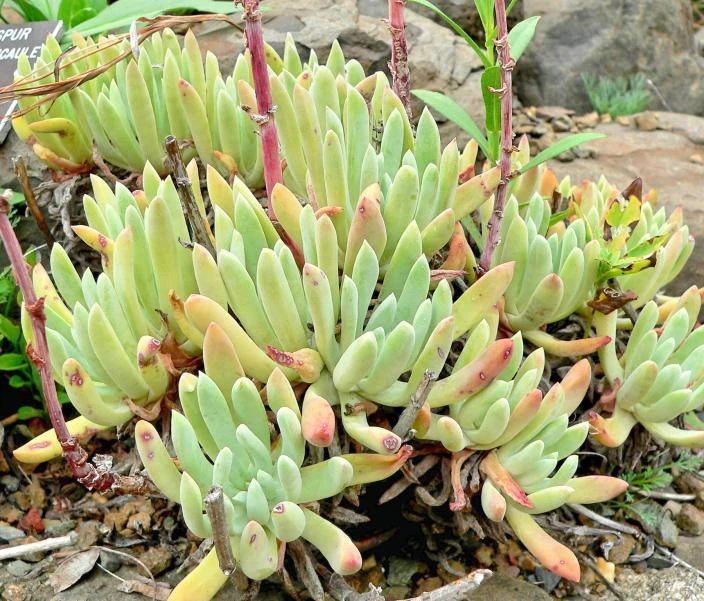
Embark on a rewarding gardening journey with our premium Dudleya caespitosa seeds. This offering provides you with 10 high-quality seeds of the fascinating Dudleya caespitosa, commonly known as Sand Lettuce. Native to the coastal bluffs and rocky outcrops of California, this perennial succulent is a true marvel of nature, adapting beautifully to harsh, dry conditions. Growing Dudleya from seed allows you to cultivate these unique plants from their very beginning, observing their distinctive rosettes of fleshy, often chalky-white or green leaves emerge and mature. Perfect for succulent enthusiasts, rock garden aficionados, or anyone looking to add a touch of drought-tolerant beauty to their landscape, these Sand Lettuce seeds promise a rewarding growing experience.
Dudleya caespitosa is renowned for its striking architectural form and resilience. Its common name, Sand Lettuce, refers to its rosette shape and habitat. As a perennial, it will return year after year, offering continuous visual interest. These seeds provide an economical and fulfilling way to propagate a collection of these captivating plants, making them an excellent choice for both novice and experienced gardeners eager to explore the world of native Californian succulents.
Key Benefits
Cultivating Dudleya caespitosa seeds offers a myriad of benefits, from enhancing your garden’s aesthetic to contributing to biodiversity. These resilient succulents are an excellent choice for sustainable gardening practices.
- Drought Tolerance: Once established, Dudleya caespitosa requires minimal watering, making it an ideal choice for xeriscaping and water-wise gardens. This significantly reduces your water consumption and maintenance efforts, especially in arid climates.
- Unique Aesthetic Appeal: The tightly packed rosettes of Dudleya caespitosa, often covered in a powdery farina, provide a distinctive texture and color to rock gardens, containers, or arid landscapes. They create a striking visual contrast with other plants.
- Low Maintenance: Beyond initial establishment, these succulents are remarkably self-sufficient. They thrive on neglect, requiring little to no pruning or special care, freeing up your time to enjoy their beauty.
- Adaptability: While native to coastal California, Dudleya caespitosa can adapt to various well-draining environments, making it a versatile addition to many garden styles as long as its core needs are met.
- Biodiversity Support: Growing native plants like Dudleya caespitosa helps support local ecosystems, providing habitat and resources for native pollinators and wildlife, even in a small garden setting.
- Educational Experience: Starting plants from succulent seeds perennial offers a fascinating educational experience, allowing you to observe the entire life cycle of a unique plant species from germination to maturity.
- Cost-Effective Propagation: Propagating these beautiful succulents from seeds is a much more economical way to acquire multiple plants compared to purchasing mature specimens, allowing for larger plantings or sharing with friends.
Plant Care & Growing Tips
Growing Dudleya caespitosa seeds successfully requires attention to specific conditions that mimic their natural habitat. Patience is key, as germination can sometimes be sporadic. Begin by preparing a well-draining seed-starting mix, ideally one formulated for succulents or cacti, or a mixture of perlite, coarse sand, and a small amount of peat or compost. Sow the tiny seeds on the surface of the moist soil and lightly cover them with a very thin layer of fine sand or grit; do not bury them deeply as they need light for germination. Keep the soil consistently moist but not waterlogged, using a fine mist sprayer to avoid disturbing the seeds. A humidity dome or plastic wrap can help maintain moisture.
Provide bright, indirect light for germination, and keep temperatures around 65-75°F (18-24°C). Germination can take anywhere from a few weeks to several months. Once seedlings emerge, gradually acclimate them to more light. As they grow, ensure they receive excellent air circulation to prevent damping-off. Transplant seedlings carefully into individual small pots with a gritty, well-draining succulent mix once they are large enough to handle. For mature plants, Dudleya caespitosa thrives in full sun to partial shade, especially in hotter climates where some afternoon shade can prevent scorching. They are extremely drought-tolerant once established and prefer infrequent, deep watering during their growing season (typically fall to spring). During their summer dormancy, water very sparingly, if at all. Ensure excellent drainage to prevent root rot, which is their primary enemy. These tips will help you learn how to grow Dudleya successfully from seed.
Size & Details
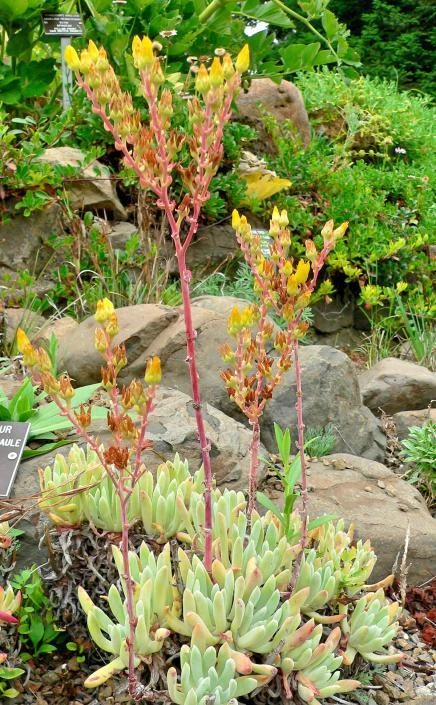
This offering includes 10 viable Dudleya caespitosa seeds, providing an excellent opportunity to cultivate multiple specimens of this intriguing succulent. When mature, Dudleya caespitosa typically forms a compact rosette that can reach 4-8 inches in diameter, though some specimens may grow larger under ideal conditions. The plant’s height is generally low, staying close to the ground, with flower stalks emerging in late spring to early summer, reaching up to 12 inches tall. The leaves are fleshy, often glaucous (covered in a whitish, powdery coating), and can range from green to bluish-white. These are perennial seeds, meaning the plants will live for many years once established. Expect a slow to moderate growth rate, with plants taking several months to a year or more to reach a noticeable size from seed. The seeds are shipped in a protective packet to ensure their viability upon arrival, ready for your planting efforts.
Frequently Asked Questions
- Q: How big does this plant get? A: Mature Dudleya caespitosa typically forms rosettes 4-8 inches in diameter, staying low to the ground. Flower stalks can extend up to 12 inches tall during blooming season.
- Q: Is this an indoor or outdoor plant? A: While Dudleya caespitosa can be grown outdoors in suitable climates (USDA zones 9-11), it can also thrive indoors in a bright, sunny location with excellent drainage, making it a versatile choice.
- Q: How much sunlight does it need? A: This succulent prefers full sun to partial shade. In very hot climates, some afternoon shade is beneficial to prevent leaf scorch. When grown indoors, provide the brightest light possible, such as a south-facing window.
- Q: Is this plant easy to care for? A: Once established, Dudleya caespitosa is quite easy to care for due to its drought tolerance and low maintenance needs. The initial germination and seedling stage requires more attention to moisture and light.
- Q: What condition will the seeds arrive in? A: Your 10 Sand Lettuce seeds will arrive in a protective packet, ensuring their viability and readiness for planting upon delivery.
- Q: When is the best time to plant Dudleya caespitosa seeds? A: The best time to sow these seeds is typically in the fall or early spring, mimicking their natural germination cycles, though they can be started indoors any time of year with controlled conditions.
- Q: What type of soil is best for these succulent seeds perennial? A: A very well-draining soil mix is crucial. Use a specialized succulent or cactus mix, or create your own with plenty of perlite, pumice, or coarse sand to ensure excellent drainage and prevent root rot.
- Q: How long does it take for the seeds to germinate? A: Germination times can vary widely for Dudleya caespitosa seeds, from a few weeks to several months. Patience and consistent moisture are important during this period.
- Q: Will it survive winter in my zone? A: Dudleya caespitosa is hardy in USDA zones 9-11. If you live in a colder zone, it should be brought indoors or provided with winter protection.
- Q: Is this a California native succulent? A: Yes, Dudleya caespitosa is indeed a California native succulent, commonly found along coastal areas. These California native succulent seeds allow you to grow a piece of that unique ecosystem.
Be the first to review “Dudleya Caespitosa Seeds – Sand Lettuce Succulent Seeds – 10 Pack Perennial”
Related products



You May Like

Hardneck vs. Softneck Garlic: Which Should You Grow?
Have you ever stood in front of a seed catalog in mid-September, staring at dozens [...]
Oct

When to Plant Music Garlic: Ultimate US Fall Guide
Have you ever spent your fall weekend placing carefully chosen garlic cloves into rich, dark [...]
1 Comment
Oct

5 Best Bulbs for Fall Planting: Brighten Your Garden This Spring
Are you dreaming of a garden full of vibrant colors in the spring? The key [...]
Aug

10 Houseplants That Will Thrive in Your Kitchen
Are you tired of your kitchen feeling dull and lifeless? Want to add a little [...]
1 Comment
Aug
Reviews
There are no reviews yet.