
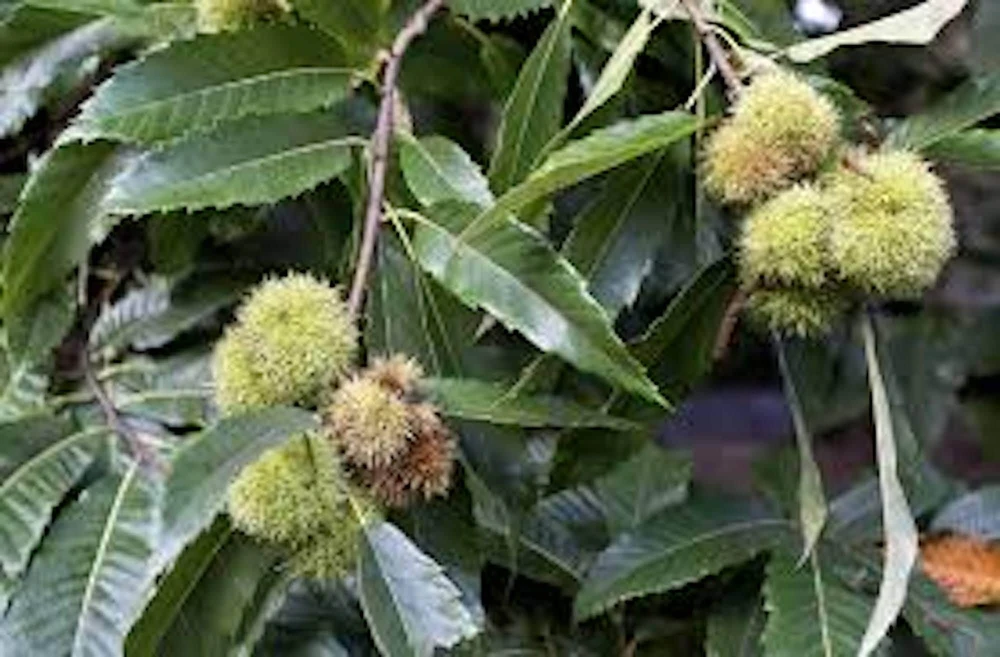
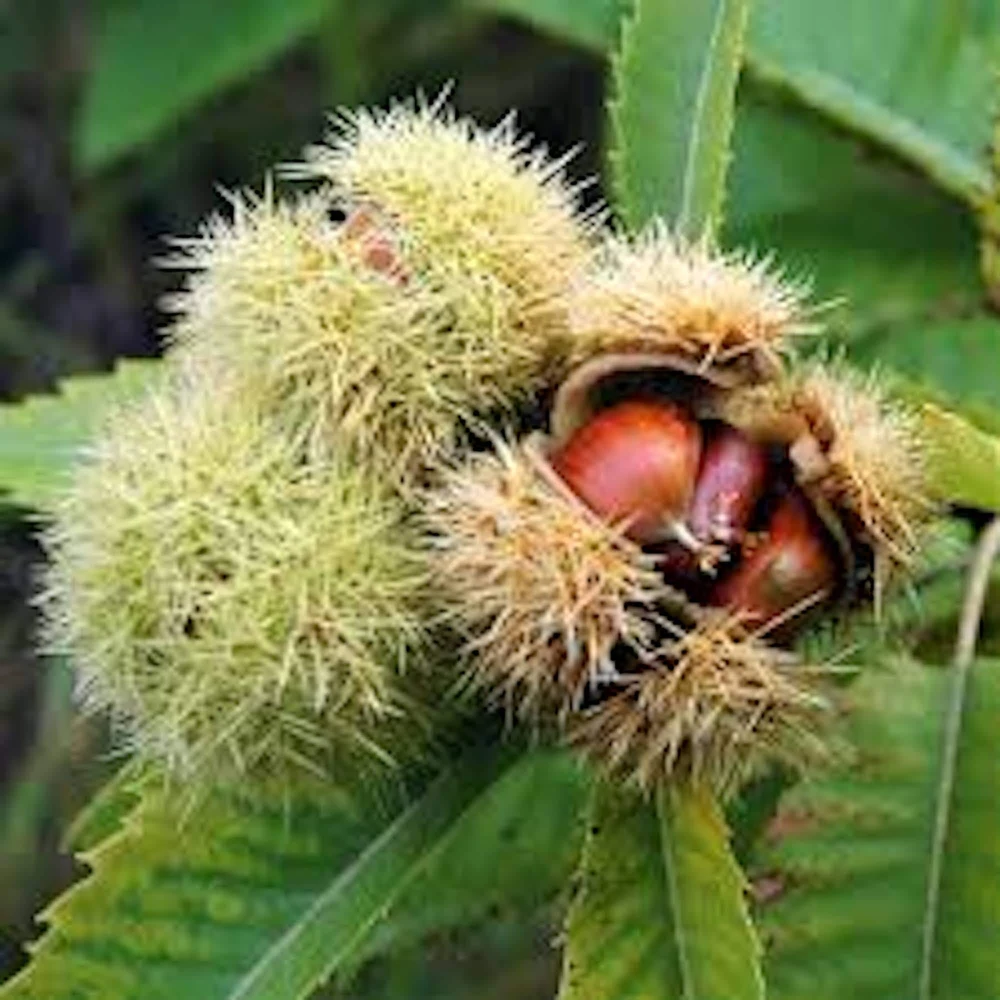
Dunstan Chestnut Tree Live Plant – 12-24in Tall Bare Root Hybrid
Original price was: 74.99 $.49.99 $Current price is: 49.99 $.
Cultivate a resilient and productive Dunstan Chestnut Tree live plant. This 12-24 inch tall bare root hybrid offers exceptional nut production and strong resistance to chestnut blight, making it an ideal choice for orchards and home gardens in USDA zones 5-8.
Estimated arrival
Oct 17
Oct 22 - Oct 24
Oct 24 - Oct 29
See our Shipping Policy.
Get in touch with us via email, and our team will review your concerns.
Our Alive & Thrive Guarantee covers issues with your plants within the first 30 days. Read our Refund & Returns Policy.
-
USDA Hardiness Zone
5-8 -
Soil Type
Well-draining, slightly acidic to neutral loamy soil -
Sunlight Exposure
Full sun -
Expected Planting Period
Early spring
Overview
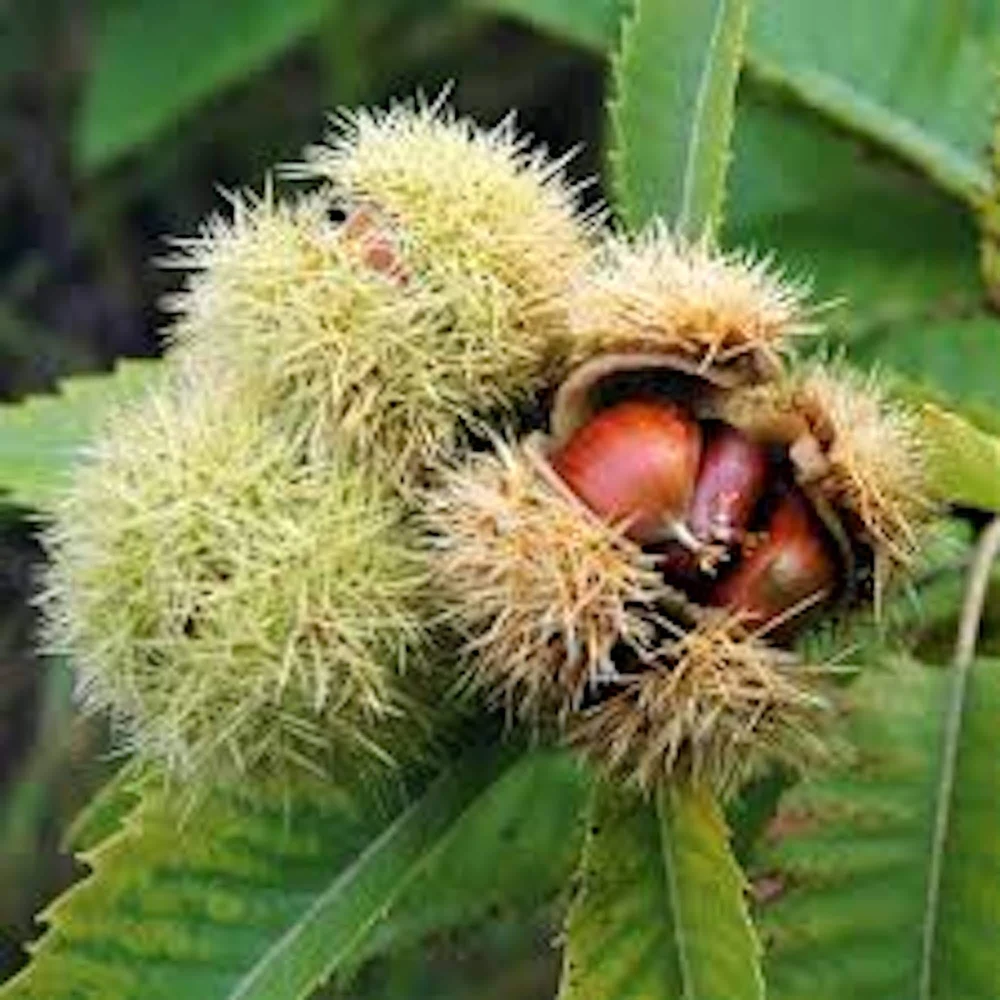
Introduce a robust and fruitful addition to your landscape with the Dunstan Chestnut Tree live plant. This remarkable hybrid (Castanea dentata x Castanea mollissima) is renowned for its exceptional nut production and its invaluable resistance to the devastating chestnut blight. Developed from a cross between the American chestnut and the Chinese chestnut, the Dunstan Chestnut Tree live plant combines the best characteristics of both parents: the rapid growth and large nut size of the American chestnut with the blight resistance of the Chinese chestnut. Whether you’re a commercial grower looking to establish a productive orchard or a homeowner seeking a beautiful and beneficial shade tree, this hybrid offers a sustainable and rewarding choice. Its vigorous growth and abundant harvest make it a truly special specimen for any garden.
The Dunstan Chestnut Tree live plant is a testament to horticultural innovation, providing a solution to the challenges that once decimated native chestnut populations. This blight-resistant variety not only promises a bountiful crop of sweet, delicious nuts but also contributes to the ecological restoration of chestnut trees. Its adaptability to various growing conditions and its strong, healthy growth habit ensure it will be a cherished part of your property for years to come. Plant a Dunstan Chestnut Tree live plant and enjoy the dual benefits of ornamental beauty and a generous harvest of nutritious nuts.
Key Benefits
The Dunstan Chestnut Tree live plant offers a multitude of advantages for both the environment and the gardener. Its unique genetic makeup provides superior performance and lasting value.
- Disease Resistance: This hybrid is specifically bred to be highly resistant to chestnut blight, a fungal disease that historically wiped out billions of American chestnut trees. This crucial trait ensures the longevity and productivity of your tree, unlike traditional American chestnut varieties.
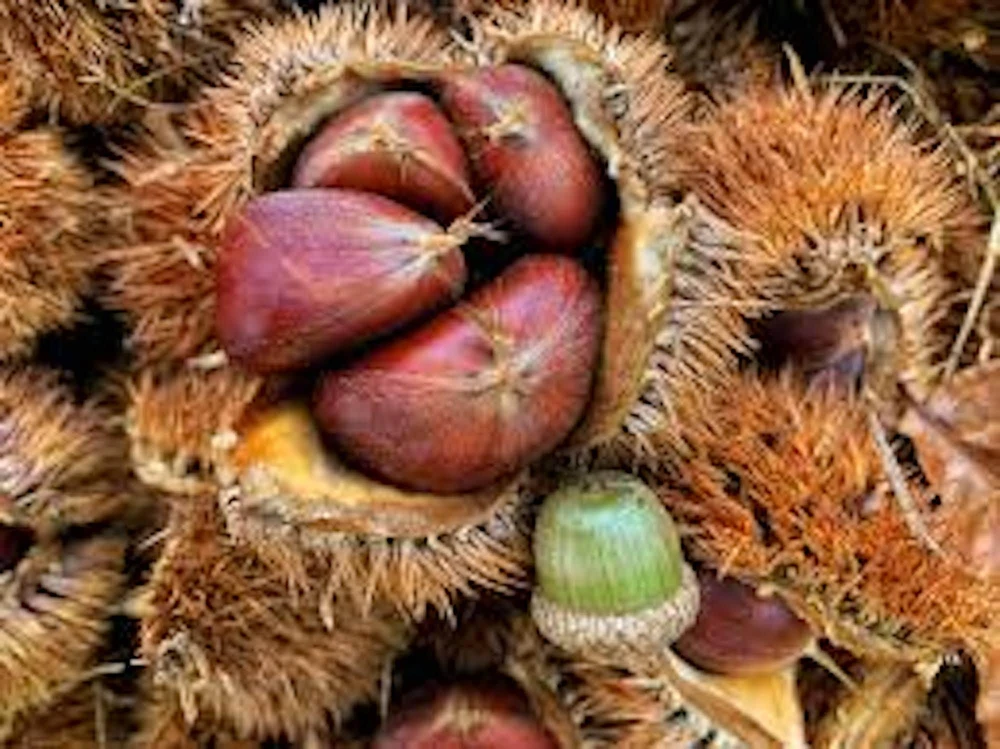
- Exceptional Nut Production: Known for producing large, sweet, and easy-to-peel nuts, the Dunstan Chestnut Tree live plant yields abundant harvests. These nuts are highly prized for roasting, baking, and fresh eating, providing a valuable food source for both humans and wildlife.
- Rapid Growth & Vigor: Dunstan Chestnuts are fast-growing trees, quickly establishing themselves and developing a strong canopy. This vigorous growth translates to earlier nut production and a quicker return on your planting investment, whether for a home garden or a larger operation.
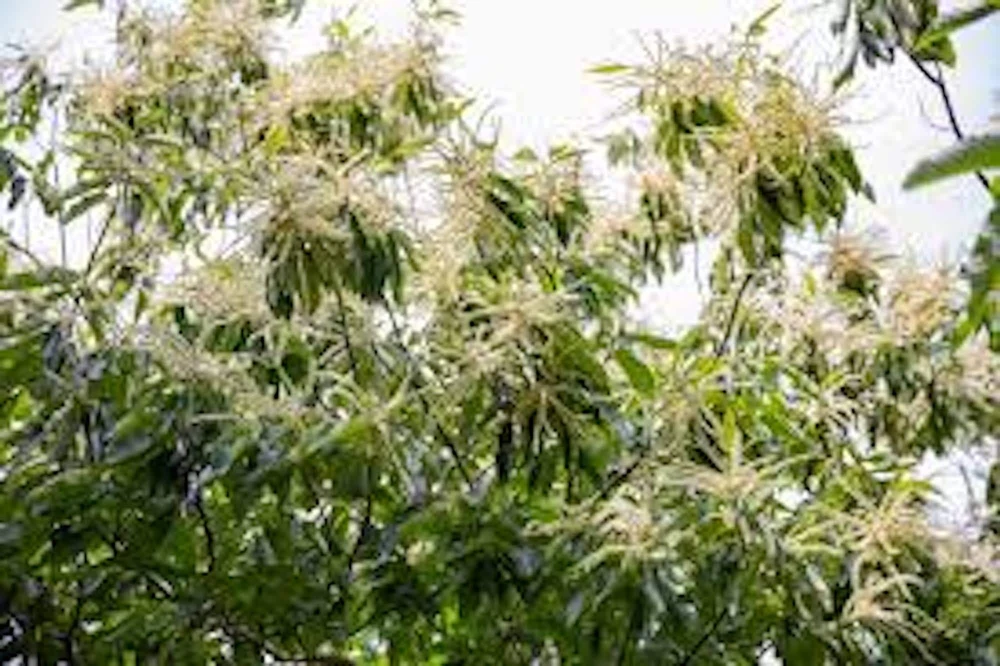
- Ornamental Value: Beyond its practical benefits, the Dunstan Chestnut Tree live plant boasts attractive foliage and a stately growth habit, making it a beautiful addition to any landscape. Its robust form provides excellent shade and visual interest throughout the seasons.
- Wildlife Attractor: The nuts produced by the Dunstan Chestnut are a favorite food source for deer, turkeys, squirrels, and other wildlife. Planting these trees can significantly enhance biodiversity and support local ecosystems, making it an excellent choice for wildlife food plots.
- Adaptable & Hardy: Thriving in a variety of soil types and hardy in USDA zones 5-8, this tree demonstrates excellent adaptability. Its resilience to different environmental conditions makes it a versatile choice for many regions across the United States.
- Sustainable Food Source: Growing your own chestnuts provides a sustainable and renewable food source. Chestnuts are naturally gluten-free and a good source of vitamins and minerals, offering a healthy alternative to other nuts.
Plant Care & Growing Tips
Caring for your Dunstan Chestnut Tree live plant is straightforward, ensuring a healthy and productive tree for many years. These trees are known for their hardiness, but providing the right conditions will maximize their growth and nut yield. When considering hybrid chestnut tree care, focus on proper site selection, soil preparation, and consistent watering during establishment.
Sunlight Requirements: Dunstan Chestnut trees require full sun exposure, meaning at least 6-8 hours of direct sunlight per day. Choose a planting site that receives ample sunlight throughout the day to promote vigorous growth and abundant nut production. Partial shade may lead to reduced nut yields and slower growth. Soil Type and Drainage: These trees prefer well-draining, slightly acidic to neutral soil (pH 5.0-6.5). While adaptable to various soil types, they perform best in loamy soils. Avoid heavy clay soils that retain too much moisture, as this can lead to root rot. If your soil is heavy, amend it with organic matter like compost to improve drainage. Ensure the planting site does not have standing water after rain. Watering: During the first 2-3 years after planting, consistent watering is crucial for establishing a strong root system. Water deeply once or twice a week, especially during dry periods, ensuring the soil remains consistently moist but not waterlogged. Once established, the Dunstan Chestnut Tree live plant is relatively drought-tolerant but will benefit from supplemental watering during prolonged dry spells.
Temperature Range and USDA Hardiness Zone: The Dunstan Chestnut Tree live plant is hardy in USDA zones 5-8, making it suitable for a wide range of climates. It can tolerate winter temperatures down to -20°F (-29°C) once mature. In colder zones, ensure adequate winter protection for young trees. Fertilization: Fertilize your young chestnut tree annually in early spring with a balanced slow-release fertilizer or an organic fertilizer rich in nitrogen, phosphorus, and potassium. Follow package instructions for application rates. As the tree matures, soil testing can help determine specific nutrient deficiencies. Pruning: Prune your Dunstan Chestnut Tree live plant during its dormant season (late winter to early spring) to remove dead, damaged, or crossing branches. Focus on creating a strong central leader and an open canopy to improve air circulation and light penetration, which helps prevent disease and promotes nut development. Common Problems and Solutions: While highly disease resistant chestnut, young trees can be susceptible to deer browse. Protect young trees with tree shelters or fencing. Monitor for common pests like Japanese beetles and address them with appropriate organic or chemical controls if infestations become severe. Proper air circulation and sanitation can further reduce disease risks.
Size & Details
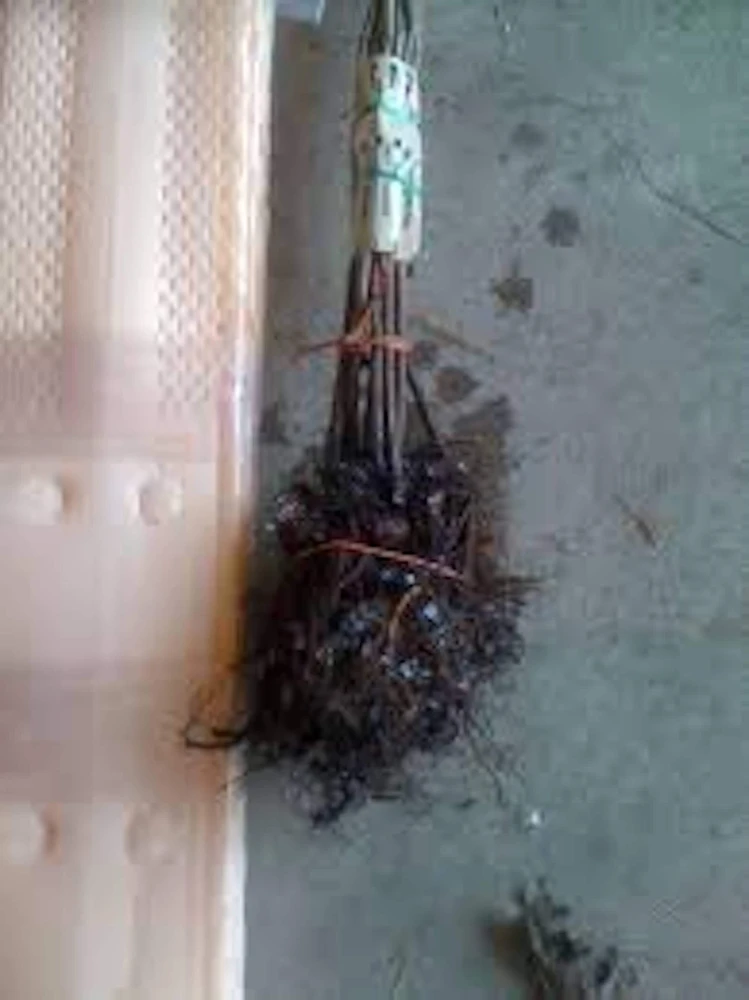
This offering is for a Dunstan Chestnut Tree live plant, typically shipped as a bare root specimen when dormant, or in a quarter-pot during the growing season. The trees measure approximately 12 to 24 inches tall upon arrival, providing a robust start for your garden or orchard. As a rapidly growing tree, the Dunstan Chestnut Tree live plant can reach mature heights of 30-60 feet with a spread of 20-40 feet, developing a broad, rounded canopy over time. Nut production usually begins within 3-5 years after planting, with significant yields increasing as the tree matures. These trees are known for their strong central leader and good branch structure, requiring minimal shaping. The bare root form allows for easy planting and quick establishment when planted correctly. This disease resistant chestnut is an investment that will grow into a magnificent and productive tree.
Frequently Asked Questions
- Q: How big does this Dunstan Chestnut Tree live plant get? A: A mature Dunstan Chestnut Tree can reach heights of 30-60 feet with a spread of 20-40 feet, developing a substantial canopy. Its size makes it suitable for larger garden spaces or orchards.
- Q: What size pot does it come in? A: The tree is shipped as a bare root specimen when dormant, or in a quarter-pot during the growing season. It will be approximately 12-24 inches tall upon arrival, ready for planting.
- Q: Is this an indoor or outdoor plant? A: The Dunstan Chestnut Tree live plant is an outdoor tree, suitable for planting in the ground in USDA zones 5-8. It requires ample space to grow to its full potential.
- Q: How much sunlight does it need? A: This tree thrives in full sun, requiring at least 6-8 hours of direct sunlight daily for optimal growth and nut production. Choose a sunny location for best results.
- Q: Is this plant easy to care for? A: Yes, the Dunstan Chestnut Tree live plant is relatively easy to care for once established. Its strong disease resistance and adaptability make it a good choice for both experienced and novice growers.
- Q: What condition will it arrive in? A: Your tree will arrive as a healthy bare root plant during its dormant season, or in a quarter-pot during the growing season, carefully packaged to ensure its vitality upon arrival.
- Q: How long until it produces nuts? A: You can typically expect your Dunstan Chestnut Tree live plant to begin producing nuts within 3-5 years after planting, with yields increasing significantly as the tree matures.
- Q: When is the best time to plant a Dunstan Chestnut? A: The ideal time to plant bare root Dunstan Chestnut trees is in early spring, after the last hard frost, allowing them ample time to establish before summer heat.
- Q: Will it survive winter in my zone? A: The Dunstan Chestnut is hardy in USDA zones 5-8, meaning it can withstand winter temperatures in these regions. Young trees may benefit from some winter protection in the colder parts of its range.
- Q: Is this chestnut blight resistant? A: Yes, the Dunstan Chestnut Tree live plant is specifically bred to be highly disease resistant chestnut, offering strong protection against the devastating chestnut blight. This makes it a reliable and long-lasting choice.
Be the first to review “Dunstan Chestnut Tree Live Plant – 12-24in Tall Bare Root Hybrid”
Related products


You May Like

Hardneck vs. Softneck Garlic: Which Should You Grow?
Have you ever stood in front of a seed catalog in mid-September, staring at dozens [...]
Oct

When to Plant Music Garlic: Ultimate US Fall Guide
Have you ever spent your fall weekend placing carefully chosen garlic cloves into rich, dark [...]
1 Comment
Oct

5 Best Bulbs for Fall Planting: Brighten Your Garden This Spring
Are you dreaming of a garden full of vibrant colors in the spring? The key [...]
Aug

10 Houseplants That Will Thrive in Your Kitchen
Are you tired of your kitchen feeling dull and lifeless? Want to add a little [...]
1 Comment
Aug
Reviews
There are no reviews yet.