


Dwarf Baby Tears Live Aquarium Plant – Hemianthus Callitrichoides Cuba
Original price was: 17.98 $.9.99 $Current price is: 9.99 $.
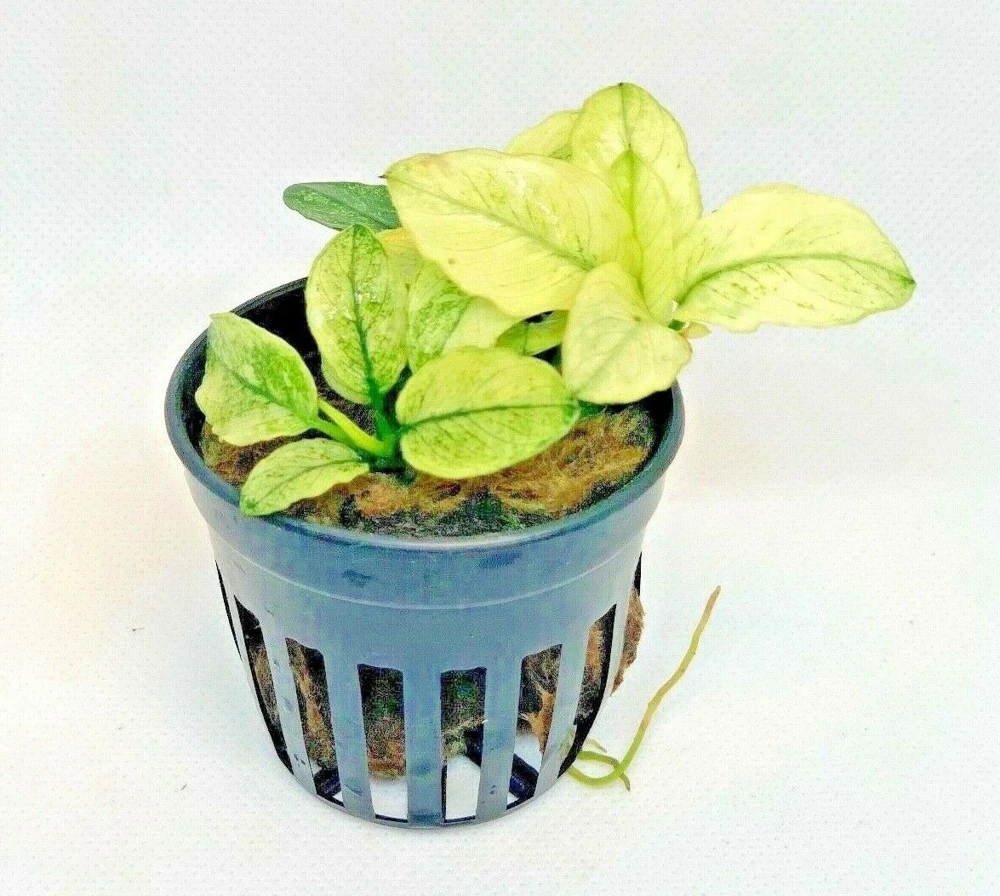
Transform your freshwater aquarium into a vibrant underwater landscape with dwarf baby tears live plant. This popular foreground plant, scientifically known as Hemianthus Callitrichoides ‘Cuba’, creates a dense, bright green carpet, enhancing any aquascape. Ideal for intermediate aquarists seeking a stunning visual effect.
Estimated arrival
Oct 18
Oct 23 - Oct 25
Oct 25 - Oct 30
See our Shipping Policy.
Get in touch with us via email, and our team will review your concerns.
Our Alive & Thrive Guarantee covers issues with your plants within the first 30 days. Read our Refund & Returns Policy.
-
USDA Hardiness Zone
Not applicable (aquatic plant) -
Soil Type
Nutrient-rich aquasoil or fine gravel with root tabs -
Sunlight Exposure
High artificial lighting (full spectrum LED recommended) -
Expected Planting Period
Year-round indoors (aquarium)
Overview
Introduce the captivating beauty of the dwarf baby tears live plant to your aquatic environment. Scientifically known as Hemianthus Callitrichoides ‘Cuba’, this exquisite foreground plant is renowned for its ability to form a dense, vibrant green carpet across the substrate of freshwater aquariums. Originating from Cuba, this species is a favorite among aquascapers looking to create a natural, lush, and visually stunning underwater landscape. Its tiny, bright green leaves, often no more than a few millimeters in size, grow closely together, creating a soft, inviting texture that serves as an excellent hiding spot for small fish and invertebrates. The dwarf baby tears live plant is a testament to the intricate beauty that can be achieved in a well-maintained aquatic setup, offering both aesthetic appeal and environmental benefits to your tank.
Cultivating dwarf baby tears aquarium plants requires a bit of dedication but rewards aquarists with one of the most stunning carpeting effects possible. This plant thrives under specific conditions, making it an ideal choice for those ready to delve deeper into the world of planted aquariums. Its compact growth habit ensures it remains a foreground feature, never overshadowing other plants or aquarium decor. The vibrant green hue adds a refreshing touch, making your aquarium feel more alive and natural. Whether you’re designing a complex aquascape or simply looking to add a touch of natural elegance, Hemianthus Callitrichoides ‘Cuba’ is an unparalleled choice for creating a thriving underwater garden.
Key Benefits
Adding a dwarf baby tears live plant to your aquarium offers a multitude of benefits, enhancing both the aesthetic and ecological balance of your aquatic habitat. This plant is not just a decorative element; it plays a crucial role in creating a healthy and thriving ecosystem.
- Creates a Stunning Carpet Effect: The primary appeal of the dwarf baby tears live plant is its ability to form a dense, bright green carpet across the aquarium substrate. This creates a natural, lush foreground that significantly enhances the visual depth and beauty of any aquascape, making your tank look more professional and vibrant.
- Provides Natural Habitat & Shelter: The thick carpet of tiny leaves offers excellent hiding spots and foraging areas for small fish, shrimp, and other invertebrates. This reduces stress for tank inhabitants and encourages natural behaviors, contributing to a healthier and more dynamic aquarium environment.
- Aids in Water Quality: Like all live aquatic plants, dwarf baby tears aquarium plants absorb nitrates and other waste products from the water. This natural filtration helps to maintain stable water parameters, reduce algae growth, and keep the water cleaner and clearer, benefiting all tank inhabitants.
- Enhances Oxygenation: Through photosynthesis, this plant releases oxygen into the water, which is vital for the respiration of fish and other aquatic life. A well-planted tank with dwarf baby tears contributes significantly to the overall oxygen levels, especially during daylight hours.
- Visually Appealing & Dynamic: The delicate structure and vibrant green color of Hemianthus Callitrichoides ‘Cuba’ add a dynamic and refreshing element to your aquascape. Its growth pattern allows for intricate detailing and can be used to create hills, valleys, and other natural landscape features underwater.
- Supports Biodiversity: By creating a complex and natural environment, the presence of a carpet aquarium plant like dwarf baby tears encourages a greater diversity of microscopic life within the tank, further contributing to a balanced and resilient ecosystem.
- Aquascaping Versatility: While primarily a foreground plant, its adaptable nature allows it to be used in various aquascaping styles, from Iwagumi to Dutch aquariums, providing a foundation for creative and inspiring layouts.
Plant Care & Growing Tips
Cultivating a thriving carpet of dwarf baby tears live plant requires attention to specific environmental factors, making it an ideal choice for intermediate aquarists. This plant, also known as hemianthus callitrichoides cuba, flourishes under optimal conditions and will reward you with unparalleled beauty.
Sunlight Requirements: While ‘sunlight’ in an aquarium context refers to artificial lighting, Hemianthus Callitrichoides ‘Cuba’ demands high-intensity lighting. Aim for at least 3 watts per gallon, using full spectrum LED or fluorescent lights. A photoperiod of 8-10 hours per day is recommended to encourage dense, compact growth and prevent stretching. Insufficient light will cause the stems to elongate and the plant to struggle to carpet. Ensure even light distribution across the area where you want the carpet to grow.
Watering Schedule and Soil Moisture Preferences: As an aquatic plant, dwarf baby tears aquarium is constantly submerged. The ‘soil’ in this context is the aquarium substrate. It requires a nutrient-rich substrate, such as aquasoil, which provides essential nutrients for root development. Alternatively, root tabs can be used if using an inert substrate like sand or gravel. Ensure the substrate depth is sufficient (at least 2-3 inches) to allow for proper rooting. Regular water changes (25-50% weekly) are crucial to replenish minerals and remove waste, maintaining pristine water quality.
Soil Type and Drainage Requirements: For optimal growth of this carpet aquarium plant, a high-quality aquasoil is highly recommended. Aquasoil is specially formulated to provide essential nutrients and maintain a slightly acidic pH, which Hemianthus Callitrichoides ‘Cuba’ prefers. If using sand or fine gravel, ensure it is clean and consider supplementing with root tabs or a liquid fertilizer designed for planted tanks. Good water circulation is also important, as stagnant water can lead to algae issues and hinder nutrient absorption. CO2 injection is almost a necessity for achieving a dense, healthy carpet, promoting vigorous growth and vibrant coloration. Aim for a CO2 level of 20-30 ppm.
Temperature Range and Water Parameters: This plant thrives in tropical water temperatures between 72-78°F (22-26°C). A stable temperature is vital, so a reliable aquarium heater is recommended. The ideal pH range is slightly acidic to neutral, between 6.0 and 7.5. Soft to medium-hard water (GH 3-8, KH 3-6) is generally preferred. Regular testing of water parameters will help you maintain an optimal environment for your dwarf baby tears care.
Fertilization Schedule and Type: Consistent fertilization is key to a lush carpet. Use a comprehensive liquid fertilizer that includes macronutrients (nitrogen, phosphorus, potassium) and micronutrients (iron, manganese, etc.). Dose according to the product instructions, typically daily or every other day, especially with high lighting and CO2 injection. Iron is particularly important for vibrant green coloration. Root tabs should be replaced every 3-6 months if using an inert substrate. Monitor your plant’s health; yellowing leaves may indicate a nutrient deficiency.
Common Problems and Solutions: Algae is a common challenge with high-light, high-nutrient tanks. Balance light, CO2, and nutrients to minimize algae. Introduce algae-eating tank mates like Amano shrimp or Otocinclus catfish. Melting or poor growth can be due to insufficient light, CO2, or nutrient deficiencies. Adjust these parameters accordingly. When planting, ensure small clumps are spread out to encourage horizontal growth and prevent shading. Regular trimming will also promote denser carpeting and prevent the lower leaves from being shaded out and dying.
Size & Details
The dwarf baby tears live plant, or Hemianthus Callitrichoides ‘Cuba’, is characterized by its exceptionally small size, making it one of the most popular foreground carpeting plants in aquascaping. Individual leaves are typically only 1-3 mm in diameter, contributing to its delicate and fine texture. When established, it forms a dense, low-growing carpet that usually reaches a height of no more than 1-2 inches (2.5-5 cm), though it can be kept shorter with regular trimming. This plant is typically shipped in small portions, often as a mat or in a small pot, ready to be divided into even smaller pieces for planting. Its growth rate is moderate to fast under optimal conditions, allowing a full carpet to establish within several weeks to a few months, depending on the initial planting density and tank parameters. The plant will arrive healthy and ready for propagation and planting in your freshwater aquarium.
Frequently Asked Questions
- Q: How big does this plant get? A: The dwarf baby tears live plant is a very small foreground plant. It typically grows to form a dense carpet about 1 to 2 inches (2.5-5 cm) tall, though it can be maintained even shorter with regular trimming. Its tiny leaves contribute to its fine texture.
- Q: What are the ideal growing conditions for Dwarf Baby Tears? A: This plant thrives in high-intensity lighting, consistent CO2 injection, a nutrient-rich substrate like aquasoil, and stable tropical water temperatures between 72-78°F (22-26°C). Proper fertilization and water parameters are also crucial for successful dwarf baby tears care.
- Q: Is this plant easy to care for? Is it good for beginners? A: Dwarf baby tears aquarium plants are considered an intermediate-level plant. While not extremely difficult, they do require specific conditions (high light, CO2, good substrate, fertilization) to thrive and carpet successfully. It might be challenging for absolute beginners without proper equipment.
- Q: What condition will it arrive in? A: Your dwarf baby tears live plant will arrive as a healthy, live specimen, typically in a small mat or pot, ready for planting. We take great care in packaging to ensure its safe journey to your aquarium.
- Q: Can I use this plant in any freshwater aquarium? A: While it can technically be placed in any freshwater aquarium, to achieve the desired carpeting effect and ensure its long-term health, it’s best suited for tanks with high lighting, CO2 injection, and appropriate nutrient availability. It’s a popular choice for dedicated planted aquariums.
- Q: How do I plant Dwarf Baby Tears to create a carpet? A: To plant, gently separate the portion into very small clumps (1-3 stems each). Use tweezers to plant each small clump into the substrate, spacing them about 0.5 to 1 inch apart. This dense planting encourages the plant to spread horizontally and form a thick carpet aquarium plant over time.
- Q: What is the best way to prevent algae on my Dwarf Baby Tears? A: Preventing algae involves balancing light, CO2, and nutrients. Ensure consistent CO2 levels, avoid excessive lighting duration, and perform regular water changes. Introducing algae-eating invertebrates like Amano shrimp can also be very effective in keeping your hemianthus callitrichoides cuba clean.
- Q: How long does it take for Dwarf Baby Tears to carpet? A: The time it takes for dwarf baby tears live plant to form a full carpet varies depending on tank conditions, initial planting density, and care. Under optimal conditions (high light, CO2, nutrients), you can expect a noticeable carpet within several weeks to a few months.
- Q: Is CO2 injection necessary for this plant? A: While it is possible to grow Dwarf Baby Tears without CO2, achieving a dense, healthy, and fast-growing carpet is significantly easier and more successful with CO2 injection. It promotes vigorous growth and helps prevent algae.
- Q: What kind of fish are compatible with Dwarf Baby Tears? A: Dwarf Baby Tears are compatible with most peaceful freshwater fish that do not typically uproot plants. Small schooling fish, shrimp, and snails are ideal tank mates, as they will not disturb the delicate carpet. Avoid large, herbivorous, or bottom-dwelling fish known for digging.
Be the first to review “Dwarf Baby Tears Live Aquarium Plant – Hemianthus Callitrichoides Cuba”
Related products


Aquatic Plants
Java Moss Live Aquatic Plant – 5 Portions Vesicularia Dubyana – Beginner Aquarium Moss


Aquatic Plants
8 Live Aquarium Plants Variety Pack – Java Fern, Amazon Sword, Jungle Val – Beginner Friendly


Aquatic Plants
3 Cholla Wood Tunnel Tubes for Aquarium Shrimp Tanks & Decor

Aquatic Plants
5 lb Volcanic Lava Rock Bio Filter Media – Aquarium, Fire Pit & Grill – Natural Genuine Stone
You May Like

Hardneck vs. Softneck Garlic: Which Should You Grow?
Have you ever stood in front of a seed catalog in mid-September, staring at dozens [...]
Oct

When to Plant Music Garlic: Ultimate US Fall Guide
Have you ever spent your fall weekend placing carefully chosen garlic cloves into rich, dark [...]
1 Comment
Oct

5 Best Bulbs for Fall Planting: Brighten Your Garden This Spring
Are you dreaming of a garden full of vibrant colors in the spring? The key [...]
Aug

10 Houseplants That Will Thrive in Your Kitchen
Are you tired of your kitchen feeling dull and lifeless? Want to add a little [...]
1 Comment
Aug
Reviews
There are no reviews yet.