
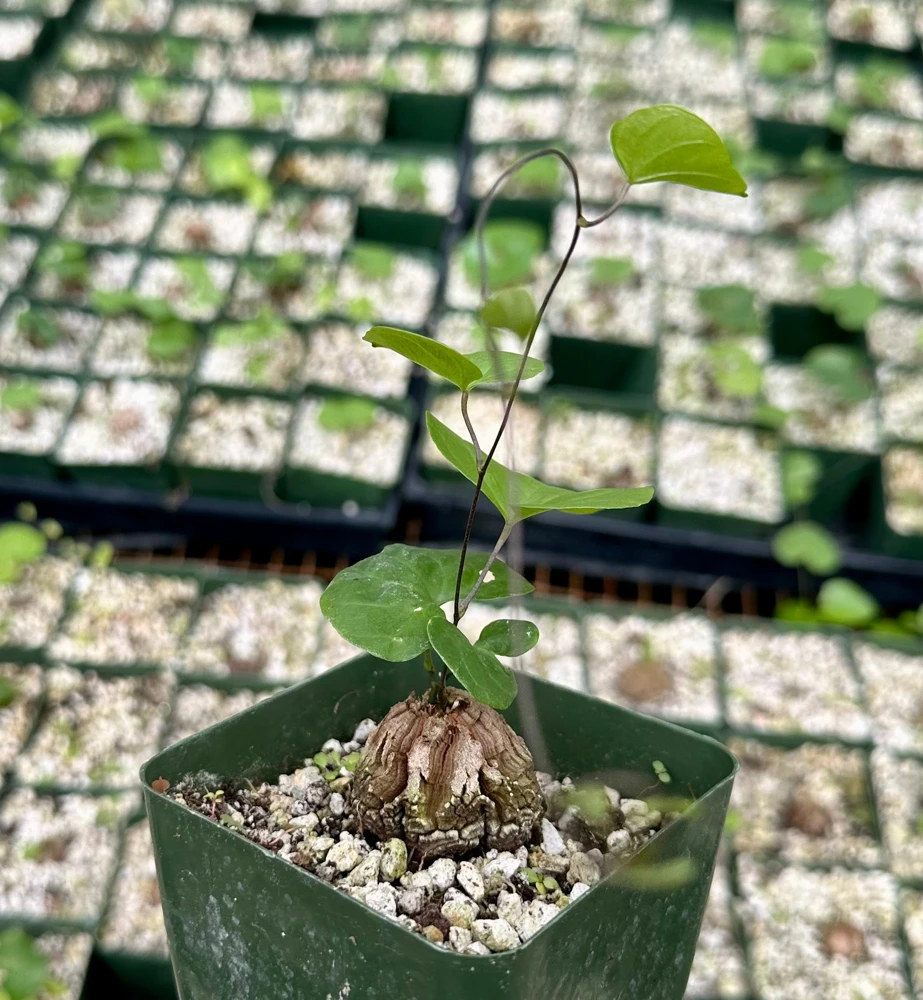
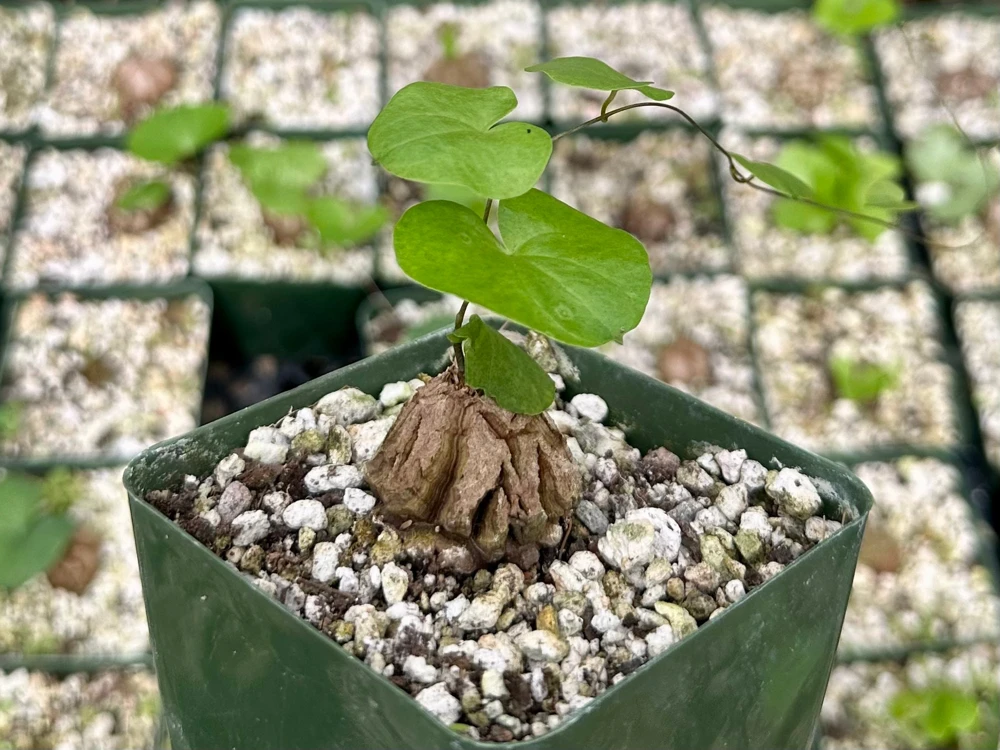
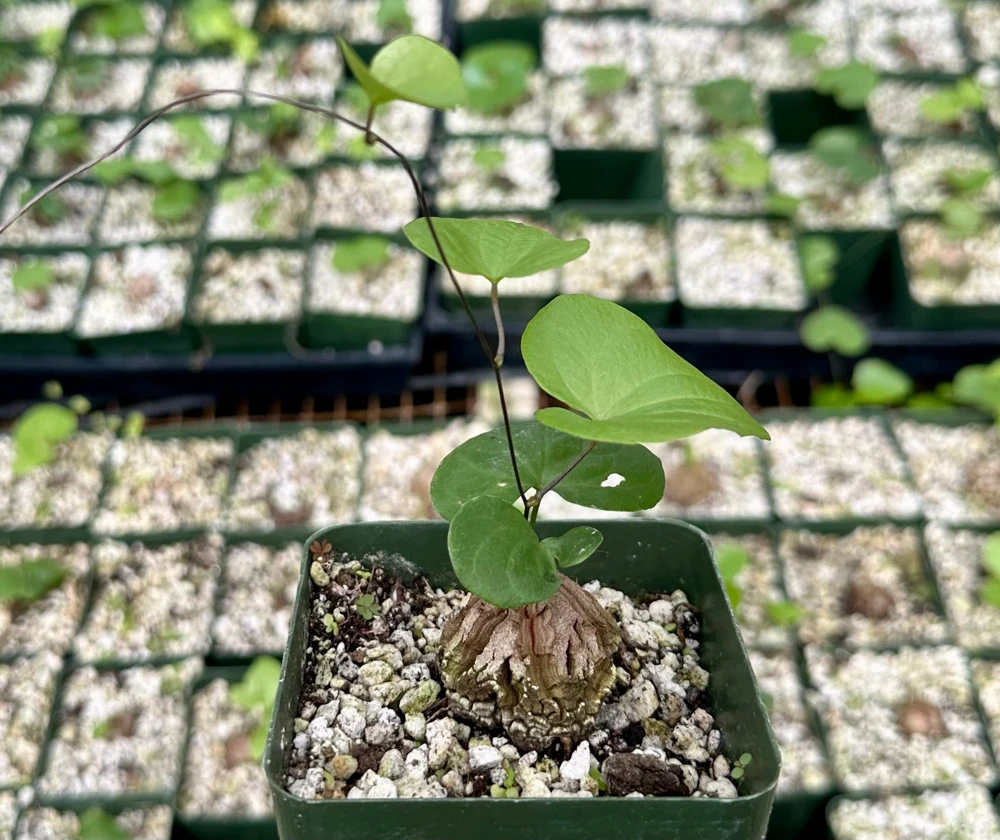
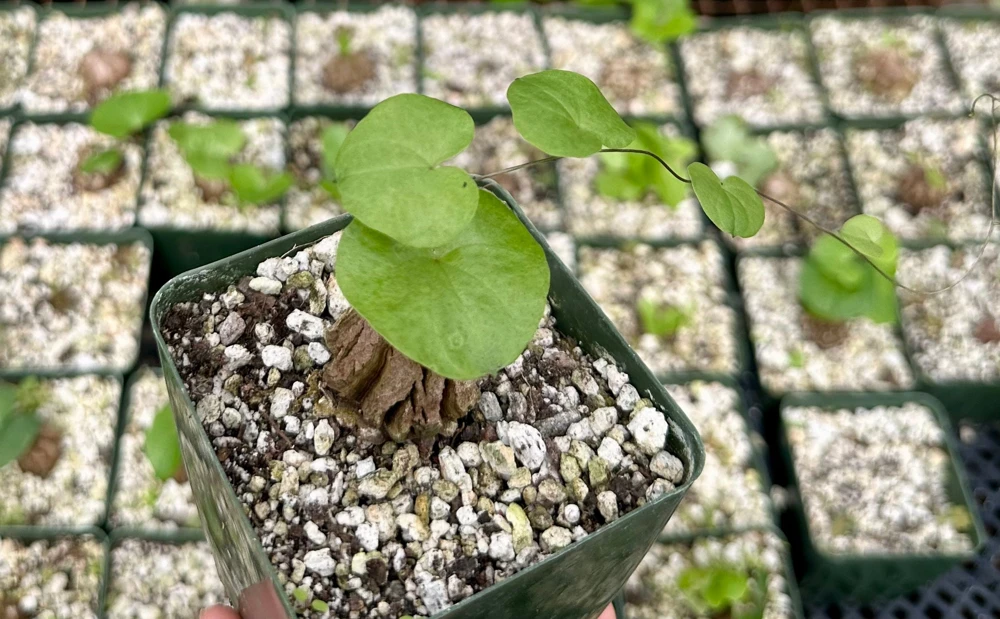
Elephant’s Foot Live Plant – Dioscorea Elephantipes Rare Caudex Plant 4″ Pot
Original price was: 46.85 $.26.85 $Current price is: 26.85 $.
Bring home a truly unique botanical specimen with the Elephant’s Foot live plant (Dioscorea elephantipes). This fascinating rare caudex plant, also known as Hottentot bread plant, features a distinctive spherical caudex and twining vines. Perfect for collectors, it arrives as a healthy live plant in a 4″ pot, ready to thrive with proper care.
Estimated arrival
Oct 20
Oct 25 - Oct 27
Oct 27 - Nov 01
See our Shipping Policy.
Get in touch with us via email, and our team will review your concerns.
Our Alive & Thrive Guarantee covers issues with your plants within the first 30 days. Read our Refund & Returns Policy.
-
USDA Hardiness Zone
USDA zones 9-11 -
Soil Type
Well-draining succulent/cactus mix -
Sunlight Exposure
Full sun to partial shade -
Expected Planting Period
Year-round indoors; Spring/Fall outdoors
Overview
Introduce an extraordinary conversation piece to your plant collection with the Elephant’s Foot live plant, scientifically known as Dioscorea elephantipes. This remarkable perennial vine, native to South Africa, is celebrated for its unique and striking appearance. The most distinctive feature of this plant is its large, spherical caudex, which can grow up to 1.5 feet in diameter, covered in thick, rough bark that strikingly resembles an elephant’s foot – hence its common name. Often referred to as Hottentot bread plant, this species is a true botanical marvel, captivating enthusiasts with its ancient, gnarled base and delicate, heart-shaped leaves that emerge from long, twining stems. Our Elephant’s Foot live plant is a healthy specimen, carefully cultivated and ready to bring its exotic charm to your home or garden. It’s an ideal choice for those seeking a distinctive and low-maintenance addition to their succulent or rare plant collection.
The Dioscorea elephantipes is not just a plant; it’s a living sculpture that evolves with the seasons. While it naturally enters a dormancy phase, shedding its leaves, it reawakens with renewed vigor, sending out fresh shoots and vibrant foliage. This cyclical transformation adds to its allure, making it a dynamic and engaging plant to observe. Whether you’re a seasoned collector or new to the world of exotic plants, the Elephant’s Foot live plant offers an unparalleled aesthetic appeal and a fascinating growth habit that will undoubtedly become a focal point in any setting.
Key Benefits
The Elephant’s Foot live plant offers a multitude of benefits beyond its striking appearance, making it a prized possession for any plant enthusiast. Its unique characteristics contribute to its appeal as both an ornamental and a collector’s item.
- Exceptional Ornamental Value: The primary draw of the Elephant’s Foot live plant is its extraordinary visual appeal. The large, textured caudex creates a focal point that is unlike any other plant, making it a perfect statement piece for modern or minimalist decor, as well as an intriguing addition to any succulent display.
- Low Maintenance & Drought Tolerant: This plant is remarkably resilient and well-suited for busy individuals or those new to plant care. Once established, it requires minimal watering and can withstand periods of drought, making it an excellent choice for xeriscaping or for gardeners who prefer less demanding plants.
- Collector’s Item & Rarity: As a rare caudex plant, the Dioscorea elephantipes is highly sought after by collectors. Owning one adds prestige and uniqueness to your collection, offering a sense of accomplishment in cultivating such a distinctive species.
- Fascinating Growth Habit: Observing the plant’s seasonal dormancy and reawakening is a captivating experience. The emergence of new shoots and heart-shaped leaves from the ancient-looking caudex is a testament to nature’s resilience and beauty.
- Adaptable to Various Settings: While often grown indoors as a prized houseplant, the Elephant’s Foot live plant can also thrive outdoors in suitable climates, adding an exotic touch to rock gardens or arid landscapes. Its adaptability makes it versatile for different gardening styles.
- Conversation Starter: Its unusual appearance guarantees it will be a topic of discussion among guests. The story behind its name and its unique life cycle provide endless fascination.
Plant Care & Growing Tips
Caring for your Elephant’s Foot live plant is relatively straightforward, especially once you understand its natural growth cycles. This plant thrives on neglect more than over-attention, making it an excellent choice for those who appreciate low-maintenance greenery. The key to its success lies in mimicking its native South African environment, providing ample light, proper drainage, and understanding its dormancy period.
For sunlight, Dioscorea elephantipes prefers full sun to partial shade. When grown indoors, place it in a south-facing window where it can receive at least 4-6 hours of direct sunlight daily. If outdoor conditions allow, a spot that gets morning sun and some afternoon shade is ideal, especially in hotter climates, to prevent scorching. Watering should be done sparingly. Allow the soil to dry out completely between waterings. During its active growing phase (typically fall to late spring), water thoroughly but infrequently. During its summer dormancy, watering should be reduced significantly, or even stopped altogether, to prevent rot. The plant will signal its dormancy by losing its leaves and drying back its vine.
The correct soil type is crucial for this rare caudex plant. It requires very well-draining soil, similar to what succulents and cacti prefer. A mix of potting soil, perlite, and coarse sand or pumice works well to ensure excellent drainage and prevent waterlogging, which can lead to caudex rot. Temperatures between 60-80°F (15-27°C) are ideal during its growing season. It is not frost-tolerant and should be protected from temperatures below 40°F (5°C). USDA hardiness zones 9-11 are generally suitable for outdoor cultivation. Fertilization is not strictly necessary but can encourage growth. If you choose to fertilize, use a diluted, balanced liquid fertilizer once or twice during its active growth period. Common problems usually stem from overwatering, leading to rot. Ensure proper drainage and err on the side of underwatering.
Size & Details
Our Elephant’s Foot live plant (Dioscorea elephantipes) is provided as a healthy, established specimen in a 4-inch nursery pot. The caudex size will vary, typically ranging from 1 to 3 inches in diameter upon arrival, showing its characteristic rough, textured bark. The plant will have developing or established vines and heart-shaped leaves, depending on its current growth cycle. During its active growth phase, the twining stems can reach several feet in length, producing lush foliage. This slow-growing plant will gradually increase the size of its caudex over many years, potentially reaching up to 1.5 feet in diameter in maturity under optimal conditions.
It ships as a potted plant, securely nestled in its nursery container with appropriate soil, ready for you to either keep it in its current pot for a while or transplant it into a slightly larger decorative container. The expected time to significant caudex development is several years, making it a long-term, rewarding project for enthusiasts. This exotic succulent for sale offers a unique opportunity to cultivate a truly magnificent botanical specimen.
Frequently Asked Questions
- Q: How big does this plant get? A: The Elephant’s Foot live plant you receive will have a caudex typically between 1-3 inches in diameter. Over many years, with proper care, the caudex can grow significantly, potentially reaching up to 1.5 feet in diameter in its natural habitat, though growth will be slower in cultivation.
- Q: What size pot does it come in? A: Your Elephant’s Foot live plant will arrive in a standard 4-inch nursery pot, providing ample space for its initial growth and establishment.
- Q: Is this an indoor or outdoor plant? A: Dioscorea elephantipes can be grown both indoors and outdoors. Indoors, it thrives in bright, sunny locations. Outdoors, it prefers full sun to partial shade in USDA zones 9-11, where it can be protected from frost.
- Q: How much sunlight does it need? A: This plant requires plenty of light. Aim for at least 4-6 hours of direct sunlight daily. A south-facing window is ideal for indoor growing, or a bright spot with some afternoon shade in very hot climates outdoors.
- Q: Is this plant easy to care for? A: Yes, the Elephant’s Foot live plant is considered relatively easy to care for, especially for those familiar with succulents. Its main needs are ample sunlight and very infrequent watering, particularly during dormancy. It’s a great choice for those who appreciate low-maintenance plants.
- Q: What condition will it arrive in? A: We carefully package our plants to ensure they arrive healthy and intact. Your Elephant’s Foot live plant will be shipped in its 4-inch pot with soil, ready for you to unbox and enjoy.
- Q: Is it shipped in soil? A: Yes, the plant is shipped securely in its nursery pot with its established soil, minimizing transplant shock upon arrival.
- Q: When is the best time to plant or repot? A: The best time to repot or plant your Elephant’s Foot live plant is during its active growing season, typically in the fall or spring, before or after its summer dormancy.
- Q: Will it survive winter in my zone? A: Dioscorea elephantipes is not frost-tolerant. If you are in a zone colder than USDA zone 9, it should be brought indoors or provided with protection during winter months.
- Q: What’s the minimum temperature it can tolerate? A: This plant prefers temperatures above 40°F (5°C). Prolonged exposure to temperatures below this can cause damage or death to the plant.
Be the first to review “Elephant’s Foot Live Plant – Dioscorea Elephantipes Rare Caudex Plant 4″ Pot”
Related products


Succulents
Pink Desert Rose Plant Live Adenium, 4 Inch Tall Perennial Succulent, Outdoor Flowering Tree


You May Like

Hardneck vs. Softneck Garlic: Which Should You Grow?
Have you ever stood in front of a seed catalog in mid-September, staring at dozens [...]
Oct

When to Plant Music Garlic: Ultimate US Fall Guide
Have you ever spent your fall weekend placing carefully chosen garlic cloves into rich, dark [...]
1 Comment
Oct

5 Best Bulbs for Fall Planting: Brighten Your Garden This Spring
Are you dreaming of a garden full of vibrant colors in the spring? The key [...]
Aug

10 Houseplants That Will Thrive in Your Kitchen
Are you tired of your kitchen feeling dull and lifeless? Want to add a little [...]
1 Comment
Aug
Reviews
There are no reviews yet.