
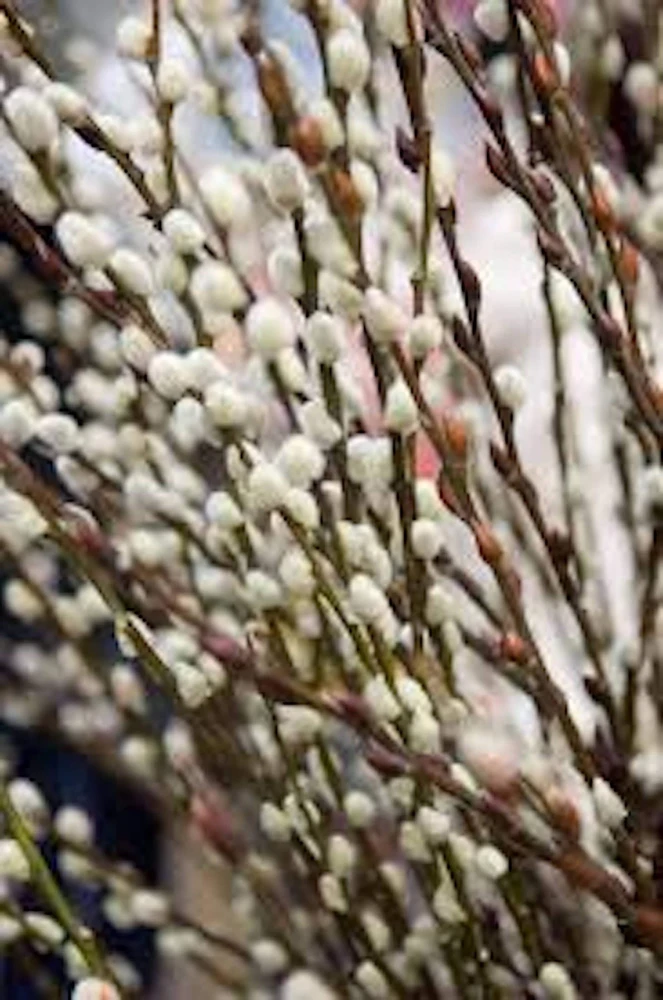
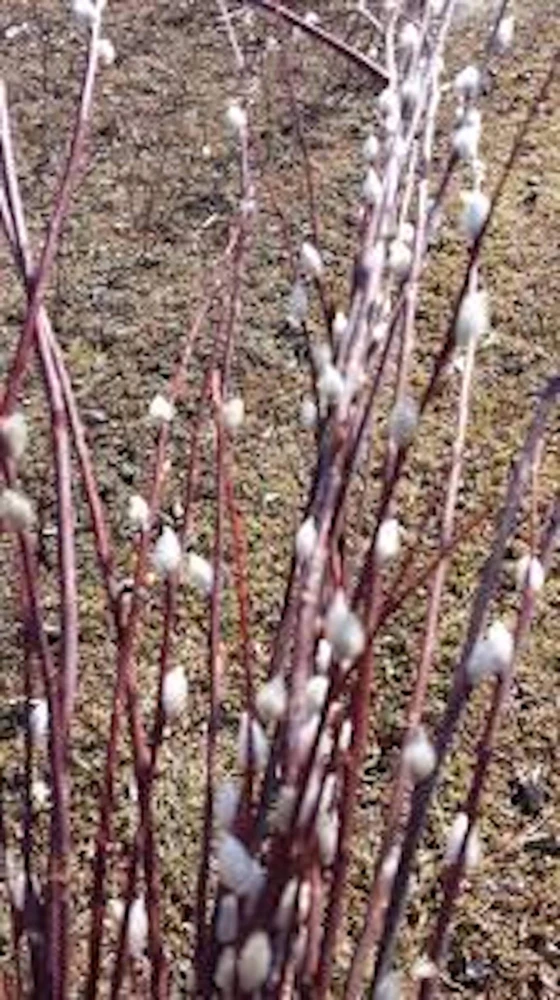
French Pussy Willow Plant – Salix caprea Live Deciduous Shrub 6-12″ Tall
Original price was: 74.99 $.49.99 $Current price is: 49.99 $.
Bring home a beautiful French Pussy Willow Plant (Salix caprea), a charming deciduous shrub. This live plant, currently 6-12 inches tall, is known for its fuzzy catkins and adaptability. Ideal for garden landscapes, it thrives in USDA Zones 4-8 and prefers full sun to partial shade.
Estimated arrival
Oct 17
Oct 22 - Oct 24
Oct 24 - Oct 29
See our Shipping Policy.
Get in touch with us via email, and our team will review your concerns.
Our Alive & Thrive Guarantee covers issues with your plants within the first 30 days. Read our Refund & Returns Policy.
-
USDA Hardiness Zone
4-8 -
Soil Type
Moist, well-drained soil -
Sunlight Exposure
Full sun to partial shade -
Expected Planting Period
Spring to Fall
Overview
Introduce a touch of elegance and seasonal interest to your garden with the French Pussy Willow Plant (Salix caprea). This captivating deciduous shrub is celebrated for its soft, silvery catkins that emerge in late winter to early spring, signaling the arrival of warmer weather. Known also as Goat Willow, this live plant is a robust and adaptable species, perfect for various landscape applications. Currently standing 6-12 inches tall, it will grow into a substantial shrub or small tree, offering beautiful texture and form. Its botanical name, Salix caprea, refers to its preference for goats to browse on its foliage. The French Pussy Willow Plant is an excellent choice for those seeking a low-maintenance yet visually appealing addition to their outdoor space.
Key Benefits
The French Pussy Willow Plant offers a multitude of benefits, making it a desirable addition to any garden. Its unique features and ease of care contribute to its popularity.
- Early Seasonal Interest: One of the first plants to show signs of spring, the fuzzy catkins of the French Pussy Willow Plant provide much-needed visual appeal and a food source for early pollinators during late winter and early spring. These soft, silver-gray blooms are a delightful sight.
- Wildlife Attraction: The early-blooming catkins are a vital nectar and pollen source for bees and other beneficial insects, making it an excellent plant for supporting local wildlife and enhancing biodiversity in your garden. It helps sustain pollinators when other food sources are scarce.
- Adaptable & Hardy: This robust shrub thrives in a wide range of conditions, tolerating various soil types and moisture levels. It is particularly hardy, suitable for USDA Zones 4-8, ensuring it can withstand cold winters. Understanding Pussy Willow zones helps in proper placement.
- Versatile Landscape Use: Whether you’re looking for a specimen plant, a hedge, or an addition to a mixed border, the Goat Willow shrub fits seamlessly into diverse garden designs. Its ability to be pruned allows for shaping into different forms.
- Erosion Control: With its fibrous root system, the Salix caprea is effective in stabilizing soil, making it a good choice for planting on slopes or near water bodies where erosion is a concern. The shallow roots help to hold the soil in place.
- Low Maintenance: Once established, the French Pussy Willow Plant requires minimal care, making it ideal for busy gardeners. It generally needs little more than occasional pruning to maintain its shape and promote healthy growth.
- Deciduous Beauty: Beyond its spring catkins, the glossy green leaves provide attractive foliage throughout the growing season, turning a soft yellow in autumn before shedding. This offers continuous visual appeal.
Plant Care & Growing Tips
Caring for your French Pussy Willow Plant is straightforward, ensuring a healthy and vibrant addition to your landscape. This resilient shrub prefers specific conditions to flourish, but is generally quite forgiving. Proper Salix caprea care involves understanding its light, water, and soil preferences.
For sunlight, the French Pussy Willow Plant thrives in full sun to partial shade. Full sun (at least 6 hours of direct sunlight daily) will encourage the most abundant catkin production and robust growth. However, it can tolerate partial shade, especially in hotter climates, which can help protect it from intense afternoon sun. When it comes to watering, this plant prefers moist, well-drained soil. While it can tolerate drier conditions once established, consistent moisture is ideal, particularly during dry spells or its establishment period. Avoid overly soggy soil, as this can lead to root issues. The ideal soil type is a rich, loamy soil, but it is adaptable to various soil compositions as long as drainage is adequate. The USDA Hardiness Zones for the French Pussy Willow Plant are 4-8, indicating its excellent cold tolerance.
Fertilization is generally not heavily required for a healthy deciduous willow outdoor plant. If your soil is poor, a balanced, slow-release fertilizer applied in early spring can promote vigorous growth. Pruning is essential for maintaining the desired size and shape, and for encouraging new growth and catkin production. The best time to prune is immediately after the catkins fade in spring. You can prune it heavily to keep it as a shrub or allow it to grow into a small tree. Common problems are few, but keep an eye out for aphids or willow blight, though these are typically not severe for this hardy variety. Good air circulation and proper watering can help prevent most issues, making Salix caprea care relatively simple.
Size & Details
This offering is for one French Pussy Willow Plant, currently measuring 6-12 inches tall. This live plant is typically shipped in a quart-sized pot during the growing season, ensuring it arrives with an established root system ready for planting. In fall and winter, it may ship bare root, which is a common and effective method for dormant plants. The Salix caprea is a fast-growing deciduous shrub or small tree. When mature, it can reach an impressive height of up to 25 feet (7.5 meters) with a spread of 15 feet (4.5 meters) wide, though it can be maintained at a smaller size with regular pruning. Its roots are relatively shallow, making it suitable for various planting locations. Expect beautiful catkins to appear in late winter to early spring, followed by attractive green foliage throughout the warmer months. This Goat Willow shrub is a long-lived plant that will provide many years of enjoyment.
Frequently Asked Questions
- Q: How big does this plant get? A: The French Pussy Willow Plant can grow up to 25 feet tall and 15 feet wide if left unpruned. With regular pruning, it can be maintained as a smaller shrub or trained into a compact tree form, suitable for various garden sizes.
- Q: What size pot does it come in? A: During the growing season, this French Pussy Willow Plant typically ships in a quart-sized pot. In fall and winter, it may be shipped as a bare root plant, which is an optimal method for dormant shrubs.
- Q: Is this an indoor or outdoor plant? A: The French Pussy Willow Plant is an outdoor deciduous shrub. It requires seasonal changes and cold dormancy to thrive, making it unsuitable for long-term indoor cultivation. It is a true deciduous willow outdoor plant.
- Q: How much sunlight does it need? A: This plant prefers full sun to partial shade. For the best growth and most abundant catkin production, aim for at least 6 hours of direct sunlight per day. Partial shade is tolerable, especially in regions with intense summer heat.
- Q: Is this plant easy to care for? A: Yes, the French Pussy Willow Plant is considered relatively easy to care for. It’s adaptable to various conditions and requires minimal maintenance once established, primarily consisting of watering during dry spells and annual pruning.
- Q: What condition will it arrive in? A: Your French Pussy Willow Plant will arrive healthy and ready for planting. During the growing season, it will be potted, and during dormant seasons, it may be shipped bare root, both ensuring successful transplanting.
- Q: When is the best time to plant this shrub? A: The best time to plant your French Pussy Willow Plant is in spring or fall when temperatures are moderate. This allows the plant to establish its root system before the stress of extreme heat or cold.
- Q: Will it survive winter in my zone? A: Yes, the French Pussy Willow Plant is highly cold-hardy and thrives in USDA Hardiness Zones 4-8. It is well-adapted to surviving cold winters within these zones, making Pussy Willow zones a key consideration for gardeners.
- Q: What kind of soil does it prefer? A: This plant prefers moist, well-drained soil, but it is quite tolerant of various soil types, including clay and sandy soils, as long as they are not waterlogged. Good drainage is key for optimal Salix caprea care.
- Q: Can I prune it to keep it small? A: Absolutely. The Goat Willow shrub responds very well to pruning. You can prune it heavily after flowering in spring to control its size and shape, training it as a smaller shrub or even a hedge.
Be the first to review “French Pussy Willow Plant – Salix caprea Live Deciduous Shrub 6-12″ Tall”
Related products


You May Like

Hardneck vs. Softneck Garlic: Which Should You Grow?
Have you ever stood in front of a seed catalog in mid-September, staring at dozens [...]
Oct

When to Plant Music Garlic: Ultimate US Fall Guide
Have you ever spent your fall weekend placing carefully chosen garlic cloves into rich, dark [...]
1 Comment
Oct

5 Best Bulbs for Fall Planting: Brighten Your Garden This Spring
Are you dreaming of a garden full of vibrant colors in the spring? The key [...]
Aug

10 Houseplants That Will Thrive in Your Kitchen
Are you tired of your kitchen feeling dull and lifeless? Want to add a little [...]
1 Comment
Aug
Reviews
There are no reviews yet.