
Fritillaria atropurpurea Seeds – Spotted Fritillary Flower Bulbs – 10 Seeds
Original price was: 46.99 $.21.99 $Current price is: 21.99 $.
Cultivate the striking Fritillaria atropurpurea seeds, also known as spotted fritillary seeds, in your garden. This packet contains 10 high-quality seeds to grow unique, bell-shaped flowers with distinctive markings. Ideal for adding an exotic touch to perennial beds and rock gardens.
Estimated arrival
Oct 15
Oct 20 - Oct 22
Oct 22 - Oct 27
See our Shipping Policy.
Get in touch with us via email, and our team will review your concerns.
Our Alive & Thrive Guarantee covers issues with your plants within the first 30 days. Read our Refund & Returns Policy.
-
USDA Hardiness Zone
USDA Zones 4-8 -
Soil Type
Well-draining, sandy or loamy soil -
Sunlight Exposure
Full sun to partial shade -
Expected Planting Period
Late fall or early spring
Overview
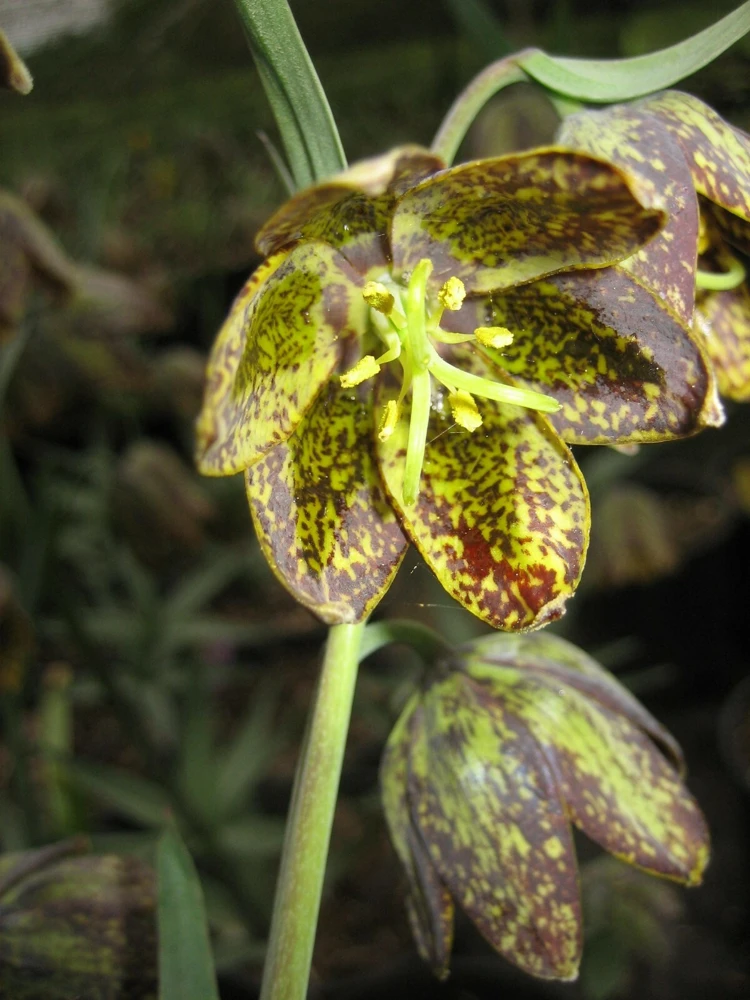
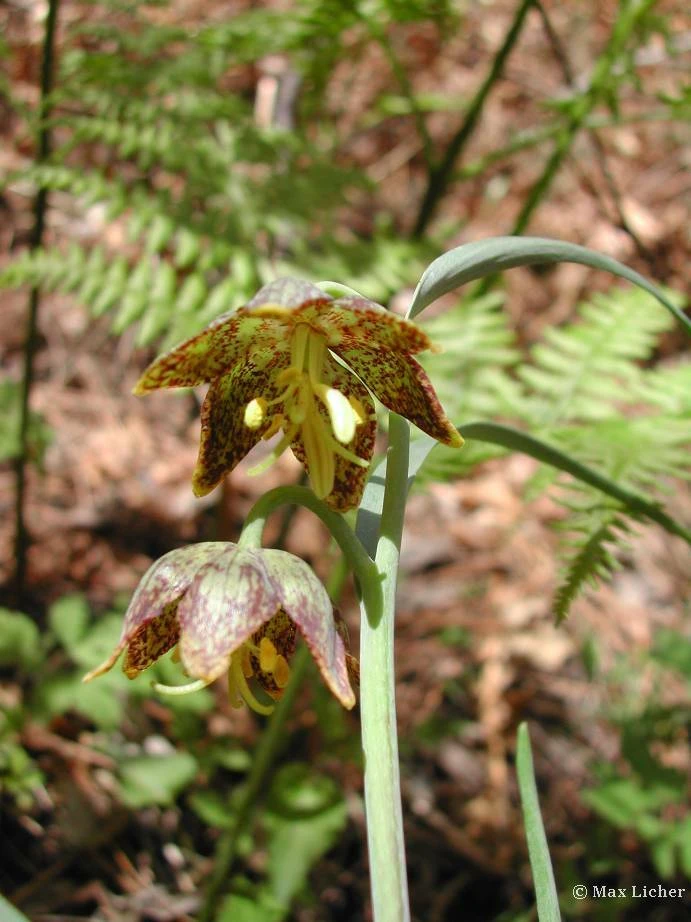
Discover the allure of the wild with our premium Fritillaria atropurpurea seeds. This unique offering allows you to cultivate the captivating Spotted Fritillary, a species renowned for its distinctive beauty and intriguing appearance. Each packet contains 10 carefully selected seeds, providing a wonderful opportunity to introduce this rare and elegant flower into your garden landscape. Fritillaria atropurpurea, often referred to as the Spotted Fritillary, is a fascinating member of the lily family, native to western North America. Its bell-shaped flowers, adorned with intricate maroon-purple spots on a yellowish-green background, create a truly mesmerizing display. These seeds are perfect for gardeners seeking to add an unusual and conversation-starting plant to their collection, offering a rewarding growing experience from seed to bloom.
Growing spotted fritillary seeds is a journey into botanical wonder. These plants are known for their resilience and ability to thrive in specific conditions, making them a rewarding challenge for dedicated gardeners. The resulting flowers are not only visually stunning but also attract pollinators, contributing to a vibrant and healthy garden ecosystem. Whether you’re an experienced horticulturist or an enthusiastic beginner looking for something out of the ordinary, these fritillaria flower seeds provide the foundation for a truly spectacular garden feature.
Key Benefits
Introducing Fritillaria atropurpurea seeds into your garden offers a multitude of benefits, transforming your outdoor space with their unique charm and ecological value. These rare and beautiful flowers are sure to become a focal point.
- Exotic Visual Appeal: The Spotted Fritillary produces truly unique, bell-shaped flowers with intricate maroon-purple spotting on a greenish-yellow base. This distinct coloration and pattern make it a standout plant, adding an exotic and sophisticated touch to any garden bed or rockery.
- Attracts Pollinators: Like many native wildflowers, Fritillaria atropurpurea serves as an excellent food source for various pollinators, including bees and butterflies. By planting these seeds, you contribute to local biodiversity and support essential garden ecosystems.
- Drought Tolerance: Once established, these plants exhibit good drought tolerance, making them a suitable choice for xeriscaping or gardens in regions with drier climates. This reduces the need for frequent watering, conserving resources.
- Low Maintenance Once Established: While initial care for fritillaria flower seeds requires attention, mature plants are relatively low maintenance. They are generally resistant to common pests and diseases, allowing you to enjoy their beauty with minimal fuss.
- Unique Garden Addition: Unlike common garden flowers, the Spotted Fritillary offers a rare and unusual aesthetic. It’s an excellent choice for gardeners looking to cultivate something truly special and create a unique garden display that sparks conversation.
- Perennial Beauty: As a perennial, Fritillaria atropurpurea will return year after year, providing continuous beauty and enjoyment. Once established, you can look forward to its distinctive blooms each spring, making it a valuable long-term investment for your garden.
- Suitable for Rock Gardens: Its moderate size and preference for well-drained soil make it an ideal candidate for rock gardens, alpine gardens, or naturalized areas where its unique form can be fully appreciated.
Plant Care & Growing Tips
Successfully growing Fritillaria atropurpurea seeds requires understanding their specific needs, mimicking their natural habitat. These plants thrive in conditions that provide good drainage and adequate sunlight. Start by sowing the spotted fritillary seeds in late fall or early spring. They often benefit from a period of cold stratification to break dormancy, so consider placing seeds in a moist medium in the refrigerator for 4-6 weeks before planting if sowing in spring. Plant seeds about 1/4 inch deep in a well-draining seed-starting mix or directly into prepared garden soil.
For optimal growth, Fritillaria atropurpurea prefers a location with full sun to partial shade. In hotter climates, some afternoon shade can be beneficial to protect the delicate blooms. The most critical factor for these plants is excellent drainage. They are highly susceptible to rot in waterlogged conditions. Amend heavy soils with plenty of grit, sand, or perlite to ensure sharp drainage. A slightly acidic to neutral soil pH (6.0-7.0) is generally preferred. Water regularly during the growing season, especially when plants are young, but allow the soil to dry out between waterings. Once established, they are quite drought-tolerant. Fertilize sparingly with a balanced, slow-release fertilizer in early spring, or incorporate compost into the soil before planting. Protect young seedlings from slugs and snails, which can be attracted to tender new growth. These rare flower seeds will reward your patience with stunning blooms.
Overwintering Fritillaria atropurpurea is generally straightforward in its preferred USDA zones. In colder regions, ensure good drainage to prevent bulbs from freezing in wet soil. Mulching can provide extra protection. Division of mature clumps can be done in late summer or early fall when the plants are dormant, which can also help rejuvenate older plants and increase your stock. Be patient, as it can take a few years for plants grown from fritillaria flower seeds to reach flowering maturity, but the unique beauty of the Spotted Fritillary is well worth the wait.
Size & Details
This offering includes 10 high-quality Fritillaria atropurpurea seeds, ready for you to cultivate into mature plants. The Spotted Fritillary typically grows to a height of 12 to 24 inches (30-60 cm) with a spread of about 6 to 12 inches (15-30 cm), forming an upright, slender habit. The plants emerge in spring, producing their distinctive bell-shaped flowers, usually in late spring to early summer, depending on your climate and planting time. Each seed has the potential to grow into a mature plant that will bloom annually once established.
These unique garden bulbs (which develop from the seeds) are best suited for USDA Hardiness Zones 4-8, thriving in well-drained, rocky, or sandy soils. The seeds are shipped in a protective packet to ensure their viability upon arrival. While germination can sometimes be slow and require patience, successful cultivation will lead to a truly remarkable addition to your garden. Expect the first blooms typically within 2-3 years from sowing, as the plant establishes its root system and develops a mature bulb.
Frequently Asked Questions
- Q: How big does this plant get? A: Fritillaria atropurpurea typically grows to a height of 12 to 24 inches (30-60 cm) with a spread of 6 to 12 inches (15-30 cm). Its slender, upright form makes it suitable for various garden settings without taking up too much space.
- Q: Is this an indoor or outdoor plant? A: The Spotted Fritillary is primarily an outdoor plant, best suited for garden beds, rockeries, or naturalized areas. It requires specific outdoor conditions, including a period of dormancy, to thrive and bloom.
- Q: How much sunlight does it need? A: Fritillaria atropurpurea prefers full sun to partial shade. In regions with very hot summers, providing some afternoon shade can help protect the flowers and foliage from scorching.
- Q: Is this plant easy to care for? A: While not difficult, growing Fritillaria atropurpurea seeds requires some specific conditions, particularly excellent drainage and patience for germination and establishment. Once established, mature plants are relatively low maintenance.
- Q: What condition will the seeds arrive in? A: Your 10 Fritillaria atropurpurea seeds will arrive carefully packaged in a protective envelope or packet to ensure they are safe and viable for planting.
- Q: How long until it blooms? A: Plants grown from spotted fritillary seeds typically take 2 to 3 years to reach maturity and produce their first blooms. This waiting period is common for many perennial plants grown from seed.
- Q: When is the best time to plant these seeds? A: The best time to plant Fritillaria atropurpurea seeds is in late fall or early spring. If planting in spring, cold stratification (a period of cold, moist conditions) for 4-6 weeks can significantly improve germination rates.
- Q: Will it survive winter in my zone? A: Yes, Fritillaria atropurpurea is hardy in USDA Zones 4-8. It is well-adapted to cold winters, provided it has excellent drainage to prevent bulb rot from excessive moisture.
- Q: What kind of soil does it need? A: This plant absolutely requires well-draining soil. Amend heavy clay soils with plenty of sand, grit, or perlite. A slightly acidic to neutral pH (6.0-7.0) is ideal for these fritillaria flower seeds.
- Q: Are these seeds rare? A: While not extremely common in typical garden centers, Fritillaria atropurpurea seeds are considered somewhat rare and offer a unique opportunity to grow a distinctive native wildflower.
Be the first to review “Fritillaria atropurpurea Seeds – Spotted Fritillary Flower Bulbs – 10 Seeds”
Related products


Flower Seeds
Blue Stock Matthiola Incana Seeds – 50 Fragrant Gillyflower Seeds – Ten-Week Blue Stock


You May Like

Hardneck vs. Softneck Garlic: Which Should You Grow?
Have you ever stood in front of a seed catalog in mid-September, staring at dozens [...]
Oct

When to Plant Music Garlic: Ultimate US Fall Guide
Have you ever spent your fall weekend placing carefully chosen garlic cloves into rich, dark [...]
1 Comment
Oct

5 Best Bulbs for Fall Planting: Brighten Your Garden This Spring
Are you dreaming of a garden full of vibrant colors in the spring? The key [...]
Aug

10 Houseplants That Will Thrive in Your Kitchen
Are you tired of your kitchen feeling dull and lifeless? Want to add a little [...]
1 Comment
Aug
Reviews
There are no reviews yet.