
Ginkgo Biloba Tree Live Plant – 12-24″ Tall Starter, Quart Pot
Original price was: 74.99 $.49.99 $Current price is: 49.99 $.
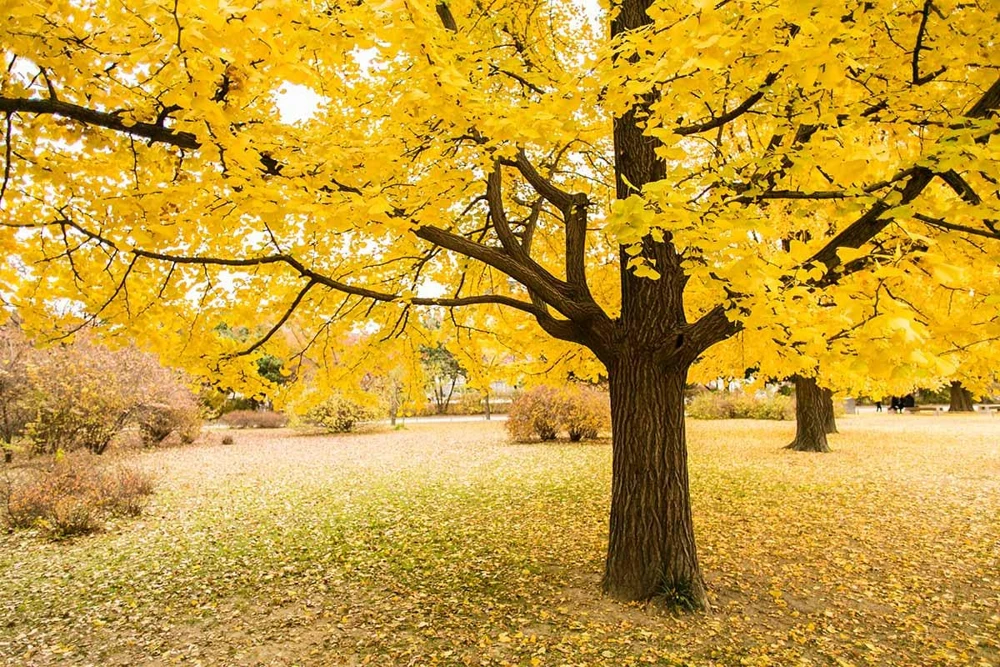
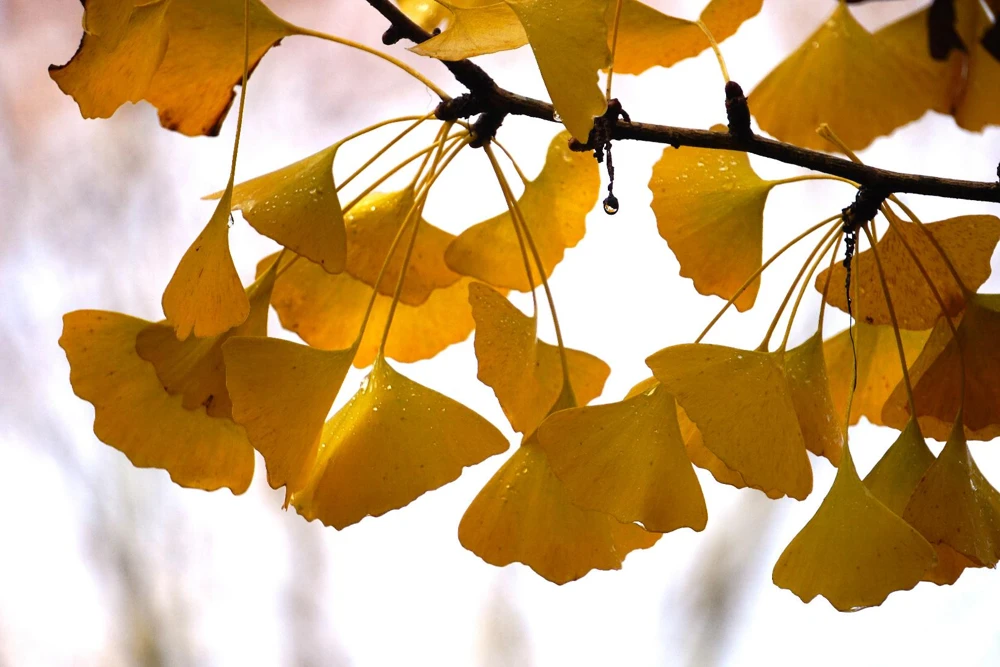
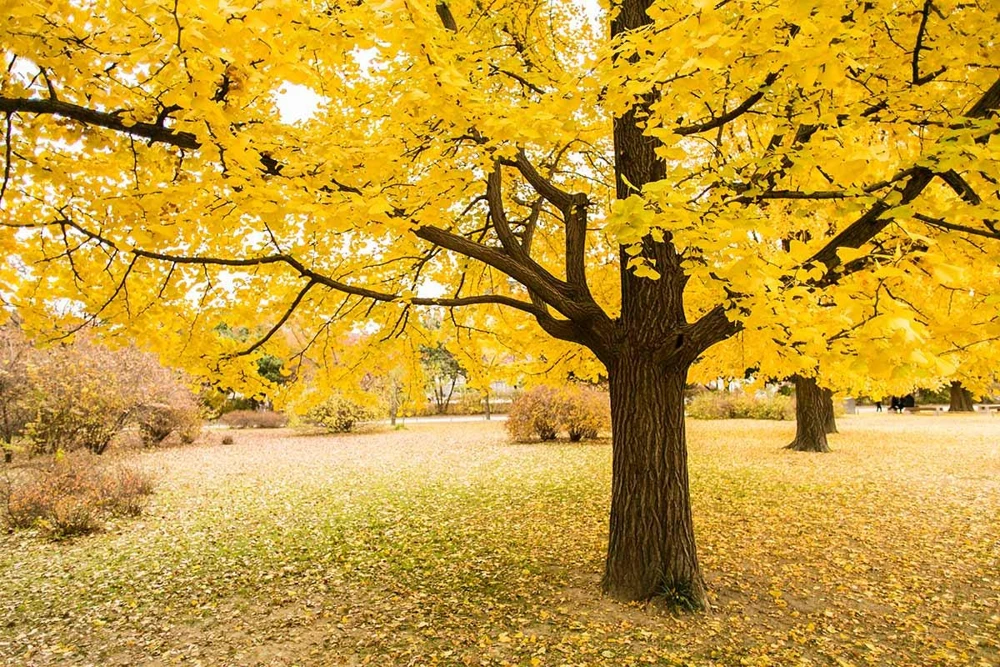
Bring ancient beauty to your landscape with this ginkgo biloba live plant. This 12-24″ tall starter tree, shipped bare root, features distinctive fan-shaped leaves and offers brilliant yellow fall foliage. Known for its resilience and adaptability, it’s an excellent choice for a low-maintenance ornamental or shade tree.
Estimated arrival
Oct 17
Oct 22 - Oct 24
Oct 24 - Oct 29
See our Shipping Policy.
Get in touch with us via email, and our team will review your concerns.
Our Alive & Thrive Guarantee covers issues with your plants within the first 30 days. Read our Refund & Returns Policy.
-
USDA Hardiness Zone
3-8 -
Soil Type
Well-draining soil, adaptable to various types including clay -
Sunlight Exposure
Full sun -
Expected Planting Period
Early spring or late fall
Overview
Introduce a piece of living history to your garden with this magnificent ginkgo biloba live plant. The Ginkgo biloba, often referred to as the maidenhair tree, is an ancient and unique ornamental and shade tree renowned for its distinctive fan-shaped leaves. This 12-24″ tall starter plant is ready to establish itself in your landscape, promising brilliant yellow fall foliage that will captivate onlookers. Highly valued in landscaping, the ginkgo biloba tree is celebrated for its remarkable resilience to pests, disease, drought, and urban pollution, making it an ideal choice for a variety of environments. Its adaptability allows it to thrive in full sun and various soil types, including clay, while also being highly tolerant of air pollution. This particular offering is a bare root starter plant, providing a robust foundation for future growth.
The ginkgo biloba live plant is a deciduous tree native to China, known for its longevity and unique evolutionary history. It is the only living species in the division Ginkgophyta, making it a true ‘living fossil.’ Beyond its aesthetic appeal, the ginkgo biloba is a hardy specimen, thriving in USDA zones 3 through 8. Its upright growth habit and eventual majestic size make it a focal point in any garden design, offering both shade and seasonal interest. Whether you’re a seasoned gardener or a beginner, this resilient tree offers a rewarding planting experience.
Key Benefits
Cultivating a ginkgo biloba live plant in your garden offers a multitude of advantages, enhancing both the beauty and ecological health of your outdoor space. Its unique characteristics make it a standout choice for discerning gardeners.
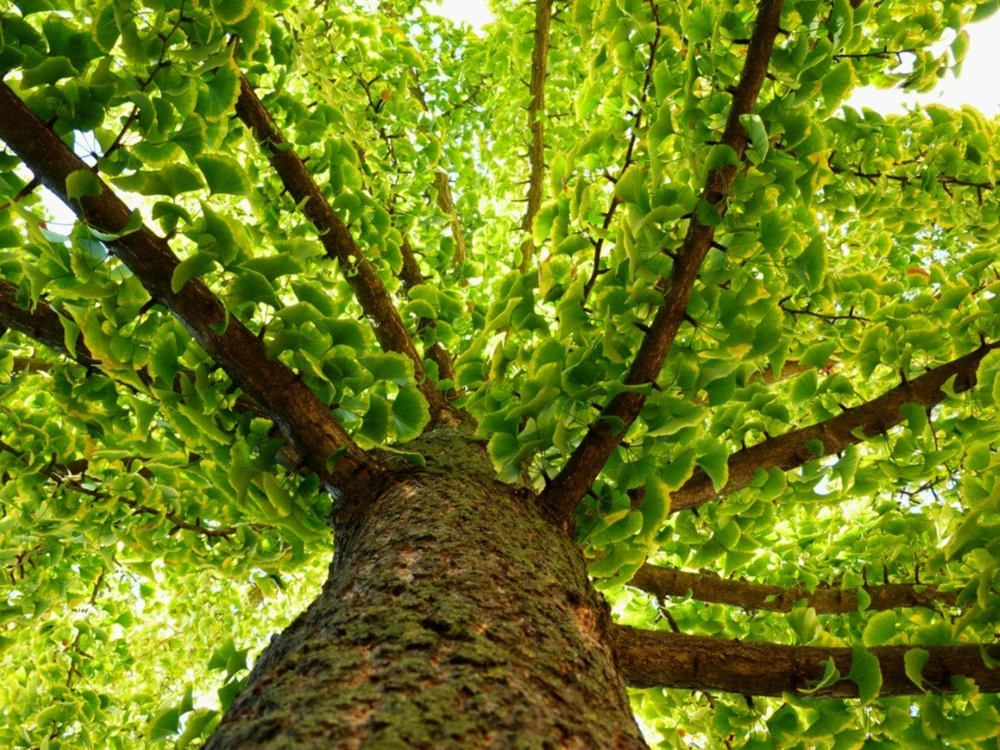
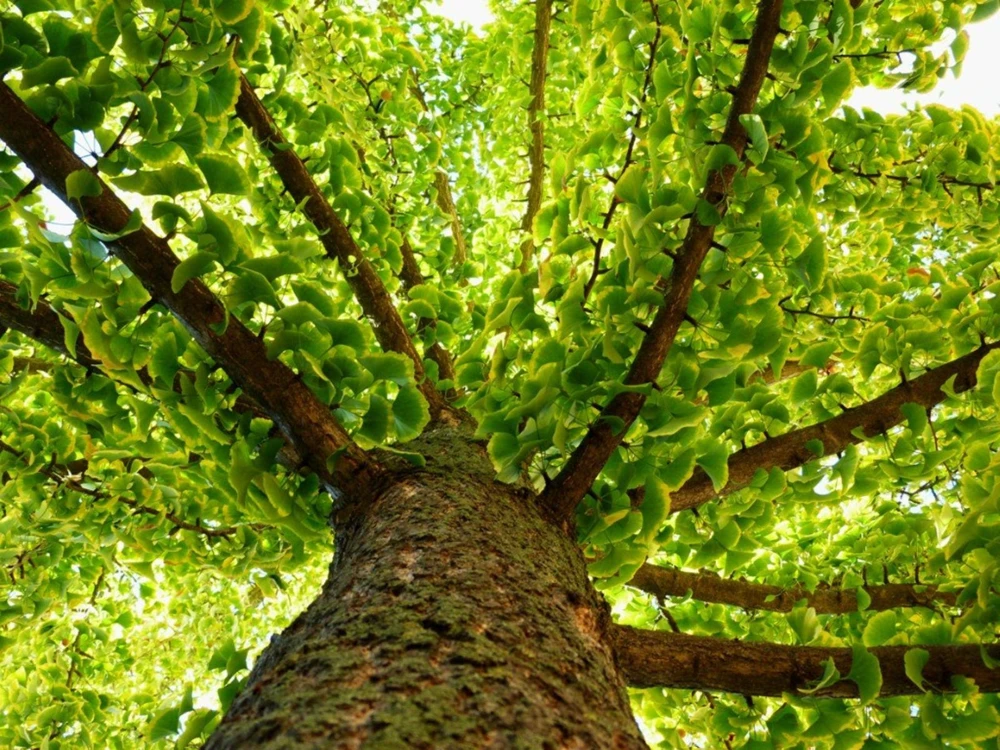
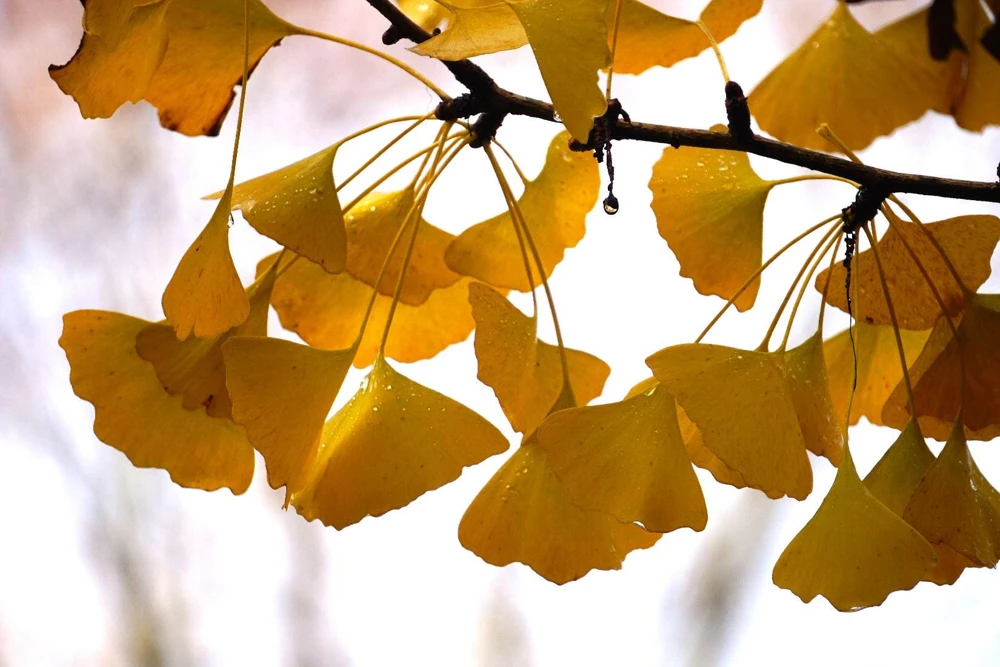
- Distinctive Foliage: Enjoy the unique, fan-shaped leaves that are instantly recognizable and provide a lush green canopy through spring and summer. These leaves offer a textural contrast to more common tree varieties.
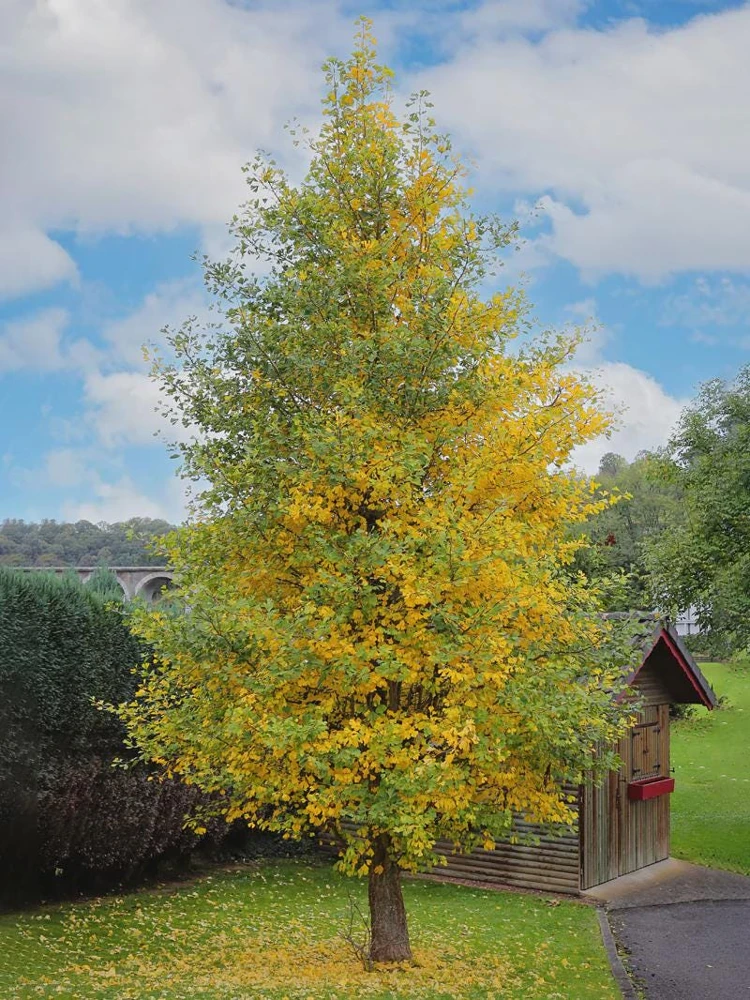
- Spectacular Fall Color: Witness a breathtaking display as the foliage transforms into a brilliant, golden yellow in autumn, creating a stunning visual impact in your landscape. This vibrant color lasts for several weeks, providing prolonged seasonal interest.
- Exceptional Resilience: The ginkgo biloba tree is incredibly tough, demonstrating strong resistance to pests, common diseases, drought conditions, and even urban pollution. This makes it a low-maintenance option for busy gardeners.
- Adaptable to Various Conditions: This tree is remarkably flexible, thriving in a wide range of soil types, including challenging clay soils, and performing well in full sun exposures. Its tolerance for air pollution makes it suitable for urban and suburban settings.
- Long-Lived Specimen: Ginkgo trees are known for their extraordinary longevity, often living for hundreds or even thousands of years. Planting one is an investment in your garden’s future, creating a lasting legacy.
- Architectural Interest: The unique branching structure and elegant form of the ginkgo tree add significant architectural interest to any garden design, providing a strong vertical element.
- Historical Significance: As a ‘living fossil,’ the ginkgo carries a rich history, adding a layer of intrigue and connection to ancient flora within your modern landscape.
Plant Care & Growing Tips
Caring for your ginkgo biloba live plant is straightforward due to its inherent resilience, but understanding its specific needs will ensure optimal growth and health. Upon arrival, your bare root starter plant should be planted as soon as possible. Dig a hole twice as wide as the root spread and just deep enough so the crown of the plant is at soil level. Spread the roots out evenly and backfill with soil, gently tamping to remove air pockets. Water thoroughly after planting.
Ginkgo trees thrive in full sun, meaning they require at least 6 hours of direct sunlight per day. While they are adaptable, a sunny location will promote the best growth and the most vibrant fall color. They are not particularly fussy about soil, tolerating a wide range, including sandy, loamy, and even clay soils, as long as it is well-draining. Avoid consistently waterlogged conditions. Once established, the ginkgo biloba tree is remarkably drought-tolerant, but young trees will benefit from regular watering, especially during dry spells, to encourage deep root development. Water deeply once or twice a week, allowing the top few inches of soil to dry out between waterings. Ensure good air circulation around the plant to prevent any potential fungal issues, though ginkgos are generally disease-resistant.
This resilient ornamental tree is hardy in USDA zones 3 through 8, meaning it can withstand a wide range of temperatures. Fertilization is generally not critical for established ginkgos, but a balanced, slow-release granular fertilizer can be applied in early spring for young trees to encourage vigorous growth. Follow package directions carefully to avoid over-fertilization. Pruning is typically minimal, focused on removing dead, damaged, or crossing branches to maintain a healthy structure. Early training to a central leader can help develop a strong, upright form. Overall, the ginkgo tree care routine is relatively low-maintenance, making it a rewarding addition to any garden.
Size & Details
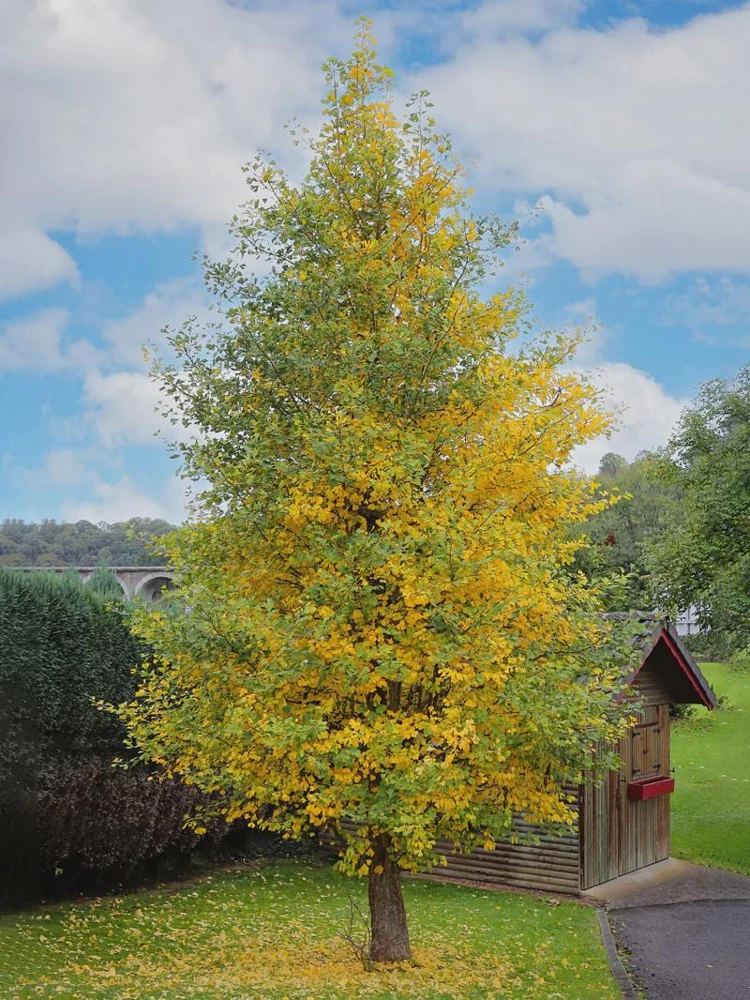
This offering is for one ginkgo biloba live plant, which arrives as a bare root starter plant. The plant measures approximately 12-24 inches tall at the time of shipment, providing a substantial young tree ready for planting. It is grown in a quart pot before being prepared for bare root shipping, ensuring a well-developed root system. Ginkgo trees are known for their moderate to fast growth rate, typically adding 1-2 feet per year once established. Over many years, a ginkgo can reach an impressive height of 50-80 feet with a spread of 30-40 feet, developing into a magnificent shade tree with its distinctive fan-shaped leaves tree.
The bare root format means the plant is shipped without soil around its roots, which is a common and effective method for shipping deciduous trees during their dormant period. This method reduces shipping costs and transplant shock, allowing the roots to quickly adapt to their new environment. With proper planting and initial care, this starter plant will quickly establish itself and begin its journey to becoming a majestic specimen in your landscape. Expect the tree to leaf out in spring, showcasing its unique foliage and contributing to the beauty of your garden for decades to come.
Frequently Asked Questions
- Q: How big does this ginkgo biloba live plant get? A: This starter plant is 12-24 inches tall upon arrival. With maturity, ginkgo biloba trees can reach impressive heights of 50-80 feet with a spread of 30-40 feet, making them excellent shade trees.
- Q: Is this an indoor or outdoor plant? A: The ginkgo biloba live plant is an outdoor tree. It requires significant space to grow and thrives in garden and landscape settings, providing shade and ornamental beauty.
- Q: How much sunlight does a ginkgo tree need? A: Ginkgo trees prefer full sun exposure, requiring at least 6 hours of direct sunlight daily for optimal growth and the best fall color. They can tolerate partial sun but may not grow as vigorously.
- Q: Is this plant easy to care for? A: Yes, the ginkgo biloba live plant is considered very easy to care for due to its resilience to pests, diseases, drought, and pollution. It’s a great choice for both novice and experienced gardeners.
- Q: What condition will it arrive in? A: This ginkgo tree ships as a bare root starter plant. This means it will arrive without soil around its roots, carefully packaged to ensure its health during transit.
- Q: When is the best time to plant a bare root ginkgo? A: The best time to plant a bare root ginkgo is typically in early spring, after the last frost, or in late fall after the leaves have dropped and the tree is dormant.
- Q: Will this ginkgo biloba tree survive winter in my zone? A: Yes, the ginkgo biloba tree is extremely hardy and is suitable for USDA zones 3 through 8, meaning it can withstand cold winter temperatures in a wide range of climates.
- Q: What kind of soil does a ginkgo prefer? A: Ginkgos are highly adaptable and will grow in a wide range of soil types, including sandy, loamy, and clay soils, as long as they are well-draining.
- Q: How long until the fan-shaped leaves tree shows its fall color? A: Once established, your ginkgo tree will display its brilliant yellow fall foliage annually, typically in late autumn, before dropping its leaves for winter.
- Q: Is this a resilient ornamental tree for urban environments? A: Absolutely. The ginkgo is highly valued for its exceptional tolerance to urban pollution and harsh city conditions, making it an excellent choice for urban landscaping.
Be the first to review “Ginkgo Biloba Tree Live Plant – 12-24″ Tall Starter, Quart Pot”
Related products


You May Like

Hardneck vs. Softneck Garlic: Which Should You Grow?
Have you ever stood in front of a seed catalog in mid-September, staring at dozens [...]
Oct

When to Plant Music Garlic: Ultimate US Fall Guide
Have you ever spent your fall weekend placing carefully chosen garlic cloves into rich, dark [...]
1 Comment
Oct

5 Best Bulbs for Fall Planting: Brighten Your Garden This Spring
Are you dreaming of a garden full of vibrant colors in the spring? The key [...]
Aug

10 Houseplants That Will Thrive in Your Kitchen
Are you tired of your kitchen feeling dull and lifeless? Want to add a little [...]
1 Comment
Aug
Reviews
There are no reviews yet.