
Ginseng Rootlets – Grow Your Own Wild Ginseng from Root Stock – 10 Big Roots
Original price was: 129.99 $.99.99 $Current price is: 99.99 $.
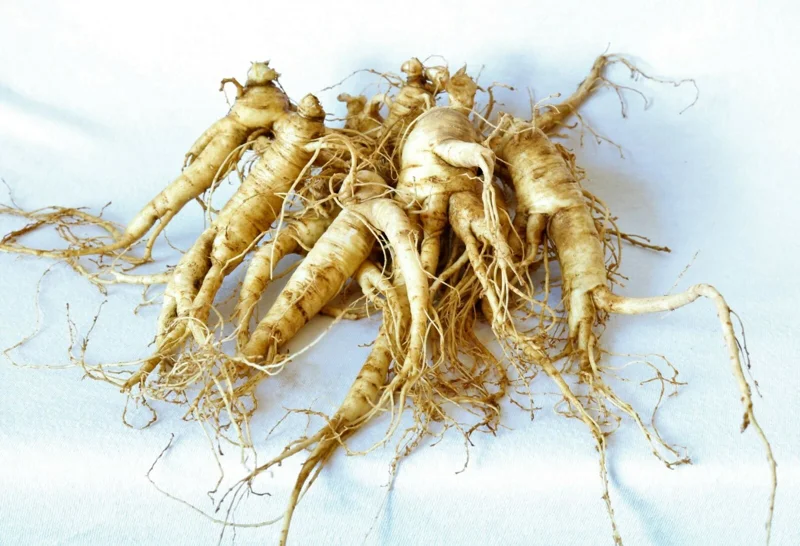
Cultivate your own supply of valuable ginseng rootlets with this pack of 10 large, healthy root stock pieces. Ideal for establishing a patch of wild ginseng root in your shaded garden. These rootlets are ready to plant and begin their journey to mature American ginseng plants, providing a sustainable source for personal use.
Estimated arrival
Oct 17
Oct 22 - Oct 24
Oct 24 - Oct 29
See our Shipping Policy.
Get in touch with us via email, and our team will review your concerns.
Our Alive & Thrive Guarantee covers issues with your plants within the first 30 days. Read our Refund & Returns Policy.
-
USDA Hardiness Zone
unknown -
Soil Type
Loamy, well-draining soil -
Sunlight Exposure
70-80% Shade, Partial Shade -
Expected Planting Period
Fall to early spring
Overview
Embark on the rewarding journey of cultivating your own medicinal garden with these premium ginseng rootlets. This offering provides 10 large, robust root stock pieces, specifically chosen for their vitality and potential to establish strong, healthy ginseng plants. Growing your own wild ginseng root from rootlets is an excellent method for ensuring a successful harvest, bypassing the longer germination times associated with seeds. Each rootlet is a living piece of ginseng, ready to be planted and nurtured into a mature plant. Historically revered for its adaptogenic properties, ginseng is a sought-after herb, and cultivating it at home offers a unique connection to this powerful plant. These rootlets are perfect for enthusiasts and gardeners looking to add a valuable and traditional herb to their landscape.
Key Benefits
Investing in these ginseng rootlets offers numerous advantages, from the satisfaction of homegrown herbs to the potential health benefits associated with this revered plant. Cultivating ginseng provides an enriching gardening experience and a sustainable source of this valuable root.
- Sustainable Cultivation: Growing your own ginseng rootlets ensures a sustainable and reliable source of ginseng, allowing you to harvest fresh roots for personal use.
- Direct Planting Success: Unlike seeds, these rootlets offer a head start, establishing faster and increasing the likelihood of successful growth, making it easier to grow ginseng.
- Natural Health Support: Ginseng is widely recognized for its potential to support overall well-being, energy, and cognitive function, making homegrown roots a valuable addition to your natural health regimen.
- Shade Garden Enhancement: These rootlets thrive in shaded environments, making them an ideal choice for enhancing woodland gardens or shaded areas where other plants might struggle.
- Educational Experience: Cultivating American ginseng from root stock offers a hands-on learning experience about traditional herbs and sustainable gardening practices.
- Thick, Healthy Roots: The rootlets provided are characterized by their thick white stems and long curved roots, indicating excellent health and vigor, ready to produce strong wild ginseng root.
- Long-Term Investment: Ginseng is a slow-growing plant, and establishing rootlets now represents a long-term investment in a valuable botanical resource.
Plant Care & Growing Tips
Successful cultivation of ginseng rootlets requires attention to specific environmental conditions that mimic its natural woodland habitat. These rootlets are best suited for planting in temperate climates within suitable USDA zones. The ideal location will provide dappled sunlight or 70-80% shade, simulating the light conditions found under a forest canopy. Avoid direct, harsh sunlight, which can scorch the delicate foliage and inhibit growth. North-facing slopes or areas under deciduous trees are often excellent choices. The soil should be well-drained, rich in organic matter, and slightly acidic, with a pH between 5 and 6. A loamy soil type is highly recommended, as it retains moisture while allowing for good aeration, crucial for root development.
Watering should be consistent but not excessive. The soil should remain consistently moist, especially during dry periods, but never waterlogged. Overwatering can lead to root rot, a common issue for ginseng. Fertilization is generally not necessary in rich, organic soil; however, a light application of a balanced, organic fertilizer in early spring can promote vigorous growth. Protection from pests and diseases is also important. Deer and rodents are known to forage on ginseng, so protective measures like fencing may be required. By providing these optimal conditions, your ginseng rootlets will thrive and develop into mature American ginseng plants, yielding valuable roots over time. Understanding how to grow ginseng properly is key to a bountiful harvest.
Size & Details
This product includes 10 individual ginseng rootlets, ready for immediate planting. Each rootlet is selected for its robust size, featuring thick white stems and well-developed, curved roots, indicative of strong growth potential. These are not seeds but established root stock pieces, offering a significant head start in the cultivation process. Ginseng is a slow-growing perennial herb, typically taking several years to reach maturity, with roots becoming harvestable after 5-7 years for optimal potency. The rootlets are deciduous, meaning their foliage will die back in the fall and re-emerge in the spring. They are best planted in well-drained loamy soil, requiring partial to full shade. Expect these rootlets to establish themselves over the first growing season, developing into small plants before their roots begin to significantly expand in subsequent years. This offering provides a solid foundation for those looking to establish a long-term patch of wild ginseng root.
Frequently Asked Questions
- Q: How big does this ginseng plant get? A: Ginseng plants typically grow to about 12-18 inches tall with a similar spread. The root itself will continue to grow and thicken over many years beneath the soil.
- Q: What condition will the ginseng rootlets arrive in? A: The ginseng rootlets arrive as bare root stock, carefully packaged to maintain their viability and moisture during transit. They should be planted as soon as possible upon arrival.
- Q: Is this an indoor or outdoor plant? A: American ginseng is primarily an outdoor plant, thriving in woodland conditions with significant shade. It is not typically grown as an indoor houseplant.
- Q: How much sunlight does it need? A: Ginseng requires significant shade, ideally 70-80% shade or dappled sunlight. Direct sun exposure can be detrimental to the plant.
- Q: Is this plant easy to care for? Is it good for beginners? A: Growing ginseng can be challenging due to its specific environmental requirements and slow growth rate. It is best suited for gardeners with some experience or those willing to dedicate time to understanding its needs to successfully grow ginseng.
- Q: When is the best time to plant these ginseng rootlets? A: The optimal time to plant ginseng rootlets is in the fall or very early spring, after the last frost, to allow them to establish before the heat of summer.
- Q: Will it survive winter in my zone? A: Ginseng is hardy in temperate climates. For best results, consult the USDA hardiness zone information for your specific region to ensure suitability for wild ginseng root.
- Q: What type of soil is best for ginseng? A: Ginseng prefers rich, well-draining loamy soil with a slightly acidic pH (5-6). Good drainage is crucial to prevent root rot.
- Q: Can I harvest the roots in the first year? A: It is not recommended to harvest ginseng roots in the first few years. For optimal size and potency, roots are typically harvested after 5-7 years of growth.
- Q: What is “ginseng seed stock”? A: In this context, "ginseng seed stock" refers to the rootlets themselves, which are used as a starting material to grow new ginseng plants, similar to how seeds are used as stock.
Be the first to review “Ginseng Rootlets – Grow Your Own Wild Ginseng from Root Stock – 10 Big Roots”
Related products


Herb Seeds
Munstead Lavender Seeds – 200 English Lavandula Angustifolia Fragrant Purple Flower Herb Seeds


You May Like

Hardneck vs. Softneck Garlic: Which Should You Grow?
Have you ever stood in front of a seed catalog in mid-September, staring at dozens [...]
Oct

When to Plant Music Garlic: Ultimate US Fall Guide
Have you ever spent your fall weekend placing carefully chosen garlic cloves into rich, dark [...]
1 Comment
Oct

5 Best Bulbs for Fall Planting: Brighten Your Garden This Spring
Are you dreaming of a garden full of vibrant colors in the spring? The key [...]
Aug

10 Houseplants That Will Thrive in Your Kitchen
Are you tired of your kitchen feeling dull and lifeless? Want to add a little [...]
1 Comment
Aug
Reviews
There are no reviews yet.