
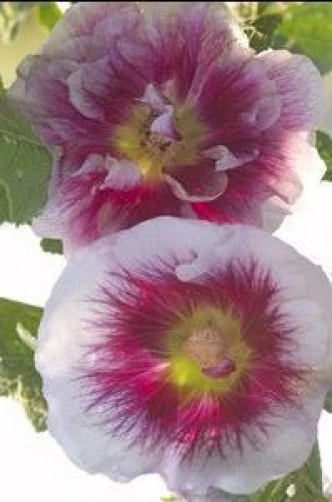
Hollyhock Seeds Mixed – Alcea rosea Perennial Flower Seeds – 25 Seed Pack
Original price was: 45.99 $.20.99 $Current price is: 20.99 $.
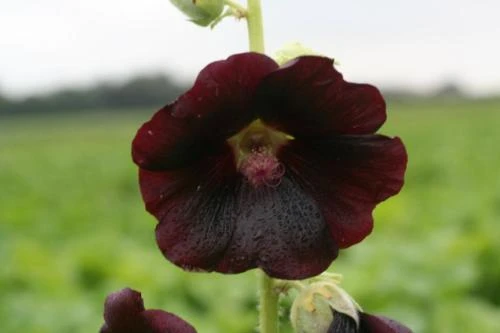
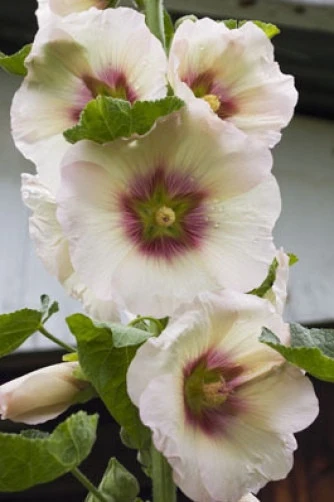
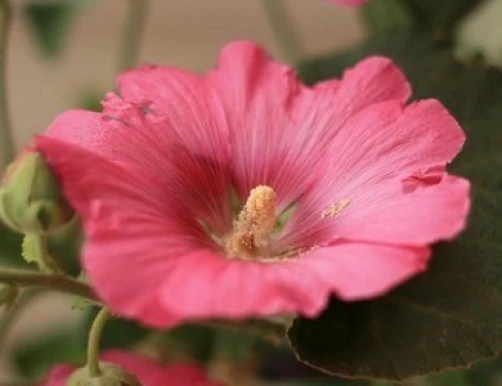
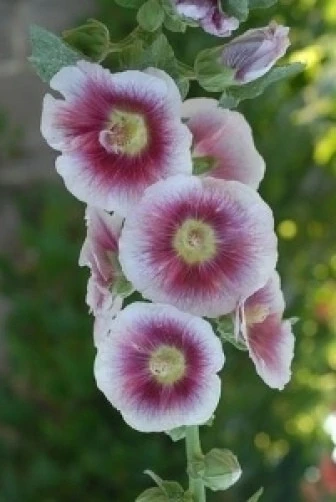
Cultivate a charming cottage garden with our hollyhock seeds mixed. This pack contains 25 Alcea rosea seeds, offering a delightful array of colors to brighten your landscape. Perfect for creating stunning backdrops and attracting pollinators, these perennial flower seeds are easy to plant and grow.
Estimated arrival
Oct 15
Oct 20 - Oct 22
Oct 22 - Oct 27
See our Shipping Policy.
Get in touch with us via email, and our team will review your concerns.
Our Alive & Thrive Guarantee covers issues with your plants within the first 30 days. Read our Refund & Returns Policy.
-
USDA Hardiness Zone
USDA zones 3-8 -
Soil Type
Well-draining, moderately fertile soil -
Sunlight Exposure
Full sun -
Expected Planting Period
Spring to early summer or fall
Overview
Transform your garden into a vibrant haven with our premium quality hollyhock seeds mixed. This generous pack contains 25 Alcea rosea seeds, promising a stunning display of tall, stately blooms in a variety of captivating colors. Hollyhocks, scientifically known as Alcea rosea, are classic cottage garden favorites, renowned for their impressive height and showy flowers that can reach several feet tall. These easy-to-grow perennial flower seeds are ideal for creating dramatic backdrops against fences, walls, or at the rear of flower beds, adding a touch of old-world charm and elegance to any landscape. Experience the joy of cultivating these magnificent blossoms, which not only enhance aesthetic appeal but also attract beneficial pollinators like bees and butterflies to your outdoor space.
Our Alcea rosea seeds are sourced to ensure robust growth and a high germination rate, making them suitable for both novice and experienced gardeners. The mixed varieties ensure a delightful surprise of colors, from soft pastels to rich, deep hues, providing a dynamic and ever-changing floral tapestry throughout the blooming season. Imagine rows of these majestic flowers swaying gently in the breeze, creating an enchanting focal point in your garden. Whether you’re aiming for a traditional cottage garden look or simply want to add some vertical interest, these hollyhock seeds mixed are an excellent choice for achieving a truly picturesque setting.
Key Benefits
Our Alcea rosea seeds offer numerous advantages for any gardener looking to enhance their outdoor space with beautiful, resilient blooms. Cultivating hollyhock seeds mixed provides a rewarding experience with lasting benefits.
- Stunning Visual Impact: Hollyhocks grow tall and produce large, showy flowers in a spectrum of colors, creating an immediate and dramatic focal point in any garden. They are perfect for adding vertical interest and vibrant hues to your landscape.
- Attracts Pollinators: The abundant, nectar-rich blooms of Alcea rosea seeds are a magnet for bees, butterflies, and other beneficial pollinators, contributing to a healthier and more biodiverse garden ecosystem.
- Low Maintenance: Once established, hollyhocks are relatively low-maintenance plants, requiring minimal care beyond basic watering and occasional support. This makes them an ideal choice for busy gardeners.
- Versatile Garden Placement: Their towering stature makes them excellent for back-of-the-border plantings, along fences, or as striking stand-alone specimens. These perennial flower seeds adapt well to various garden designs.
- Classic Cottage Garden Appeal: Hollyhocks are quintessential cottage garden flowers, evoking a sense of nostalgic charm and traditional beauty. Growing hollyhocks adds a timeless elegance to your outdoor space.
- Deer Resistant: While no plant is entirely deer-proof, hollyhocks are generally not a preferred food source for deer, making them a good option for gardens in areas with deer populations.
- Self-Seeding Potential: Hollyhocks often self-seed, ensuring a continuous display of flowers year after year with little effort, contributing to a sustainable and evolving garden.
Plant Care & Growing Tips
Successfully growing hollyhocks from Alcea rosea seeds is a rewarding endeavor that requires attention to a few key environmental factors. These resilient plants thrive in specific conditions that help them reach their impressive height and produce abundant blooms. For optimal growth, ensure your hollyhocks receive ample sunlight. They prefer full sun, meaning at least 6-8 hours of direct sunlight per day. While they can tolerate partial shade, too little sun may result in leggy growth and fewer flowers. When planting, choose a location with good air circulation to help prevent fungal diseases.
The ideal soil for hollyhock seeds mixed is well-draining, moderately fertile, and slightly acidic to neutral (pH 6.0-8.0). Amend heavy clay soils with organic matter like compost or aged manure to improve drainage and fertility. For watering, keep the soil consistently moist but not waterlogged, especially during dry spells and when plants are young. Once established, hollyhocks are somewhat drought-tolerant but will perform best with regular watering. Fertilize sparingly; a balanced, all-purpose fertilizer applied in spring can encourage vigorous growth. Avoid over-fertilizing, which can lead to excessive foliage at the expense of flowers.
Hollyhocks are generally hardy in USDA zones 3-8, depending on the specific variety, and prefer moderate temperatures. In colder climates, mulch around the base of the plants in fall to protect the roots. They are biennial or short-lived perennials, meaning they typically grow foliage in the first year and flower in the second, then die back, often after self-seeding. To encourage continuous blooms and prevent disease, remove spent flower stalks (deadhead) unless you wish for the plant to self-seed. Stake taller varieties to prevent them from toppling over in strong winds or heavy rain. Watch out for common pests like spider mites and rust, which can be managed with appropriate organic or chemical treatments.
Size & Details
This product includes a pack of 25 Alcea rosea seeds, offering a diverse mix of hollyhock varieties. When mature, these impressive plants typically reach heights of 5 to 8 feet, with some varieties potentially growing even taller, making them perfect for creating a dramatic vertical element in your garden. The spread can range from 1 to 2 feet, forming stately columns of foliage and blooms. Hollyhocks are biennial or short-lived perennials; they will establish foliage in the first year and produce their spectacular flowers in the second year, often self-seeding to ensure a continuous display for years to come. The flowers themselves are large, often 3-5 inches in diameter, and appear along tall stalks from early to late summer. These hollyhock seeds mixed are ideal for gardeners seeking to add significant height and vibrant color to their landscape. The seeds arrive in a protective packet, ready for planting to begin your journey of growing hollyhocks.
Frequently Asked Questions
- Q: How big do these hollyhocks get from these Alcea rosea seeds? A: Hollyhocks typically grow quite tall, reaching heights of 5 to 8 feet. Some varieties may even exceed this, making them excellent for creating a strong vertical presence in your garden.
- Q: When is the best time to plant these hollyhock seeds mixed? A: The best time to plant hollyhock seeds is in late spring or early summer for blooms the following year, or you can start them indoors 6-8 weeks before the last frost. Fall planting is also an option in milder climates.
- Q: Is this an indoor or outdoor plant? A: Hollyhocks are primarily outdoor plants, thriving in garden beds, borders, and against structures where they can receive full sun. They are not typically grown as indoor houseplants.
- Q: How much sunlight do hollyhock seeds mixed need? A: For optimal growth and abundant flowering, hollyhocks require at least 6-8 hours of direct sunlight per day. They perform best in full sun conditions.
- Q: Is growing hollyhocks difficult for beginners? A: No, hollyhocks are generally considered easy to grow from seed and are a good choice for beginner gardeners. They are relatively low-maintenance once established.
- Q: What condition will the Alcea rosea seeds arrive in? A: The seeds will arrive in a sealed packet, ensuring their freshness and viability for planting. They are dry and ready for sowing according to your preferred method.
- Q: How long until these perennial flower seeds bloom? A: Hollyhocks are typically biennial, meaning they will produce foliage in the first year and then bloom in the second year. After blooming, they often self-seed for future generations.
- Q: What kind of soil is best for growing hollyhocks? A: Hollyhocks prefer well-draining, moderately fertile soil with a pH between 6.0 and 8.0. Amending the soil with organic matter can greatly improve their growth.
- Q: Will these hollyhock seeds mixed survive winter in my zone? A: Hollyhocks are generally hardy in USDA Zones 3-8. In colder zones, mulching around the base of the plants in fall can help protect the roots over winter.
- Q: Do these Alcea rosea seeds attract pollinators? A: Yes, the large, vibrant flowers of hollyhocks are very attractive to bees, butterflies, and other beneficial pollinators, making them a great addition to a pollinator-friendly garden.
Be the first to review “Hollyhock Seeds Mixed – Alcea rosea Perennial Flower Seeds – 25 Seed Pack”
Related products


You May Like

Hardneck vs. Softneck Garlic: Which Should You Grow?
Have you ever stood in front of a seed catalog in mid-September, staring at dozens [...]
Oct

When to Plant Music Garlic: Ultimate US Fall Guide
Have you ever spent your fall weekend placing carefully chosen garlic cloves into rich, dark [...]
1 Comment
Oct

5 Best Bulbs for Fall Planting: Brighten Your Garden This Spring
Are you dreaming of a garden full of vibrant colors in the spring? The key [...]
Aug

10 Houseplants That Will Thrive in Your Kitchen
Are you tired of your kitchen feeling dull and lifeless? Want to add a little [...]
1 Comment
Aug
Reviews
There are no reviews yet.