
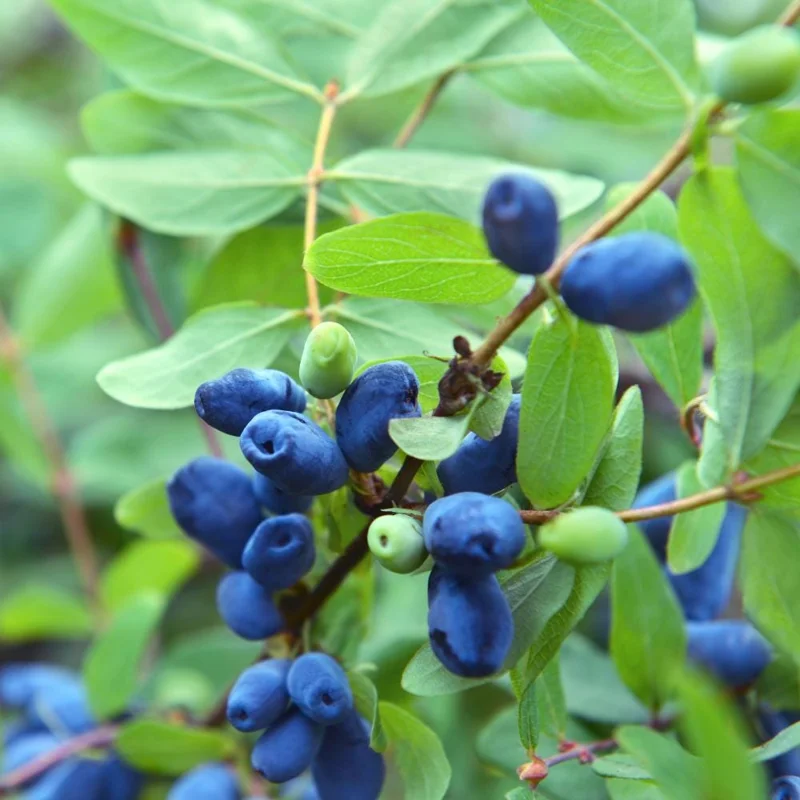
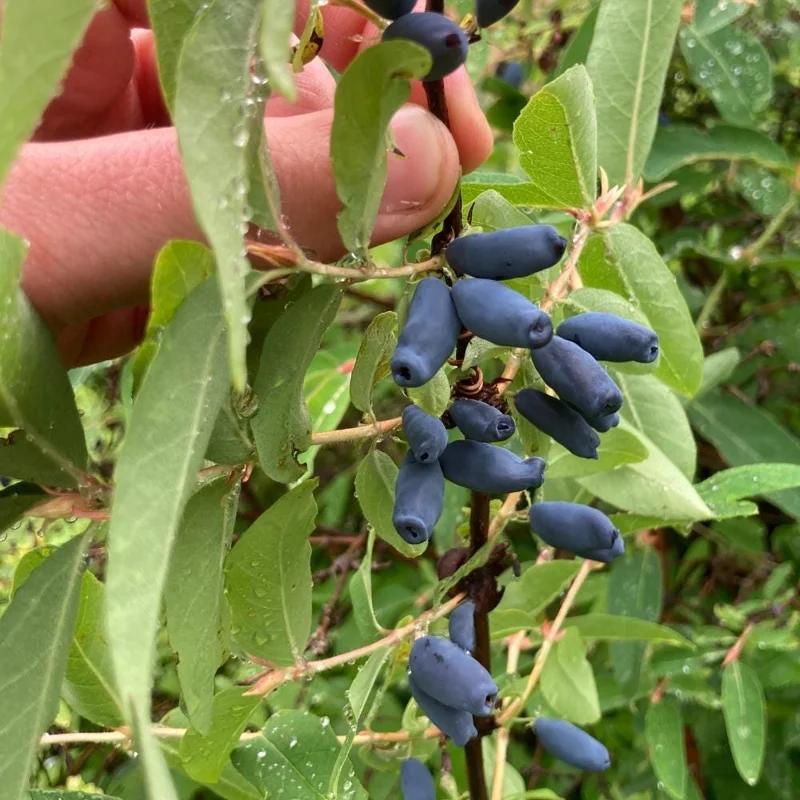
Honeyberry Haskap Live Plant – 4-8 Inch Edible Berry Shrub – Cold Hardy Outdoor
Original price was: 65.99 $.29.99 $Current price is: 29.99 $.
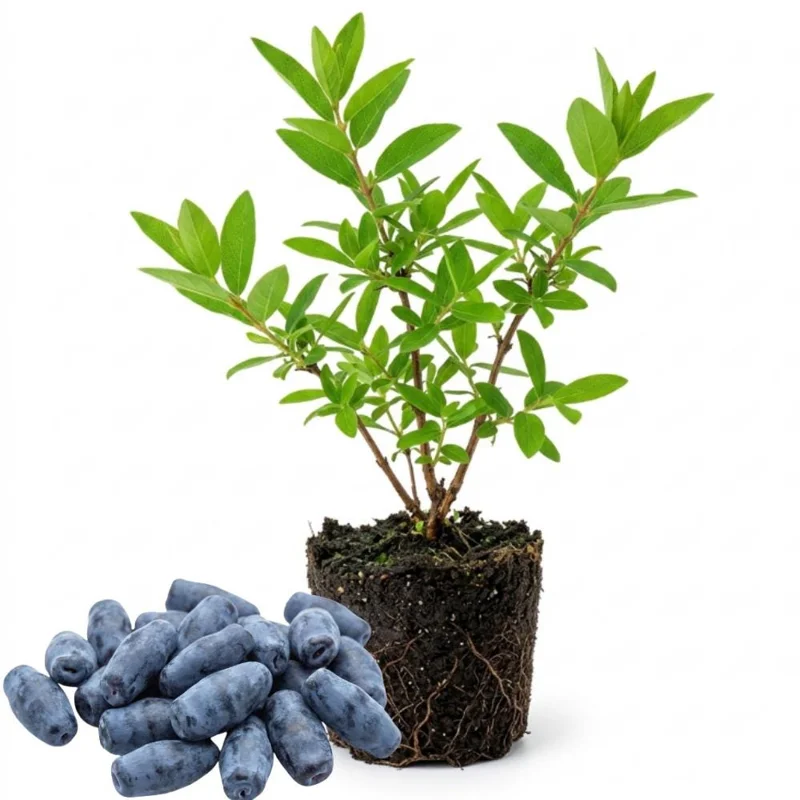
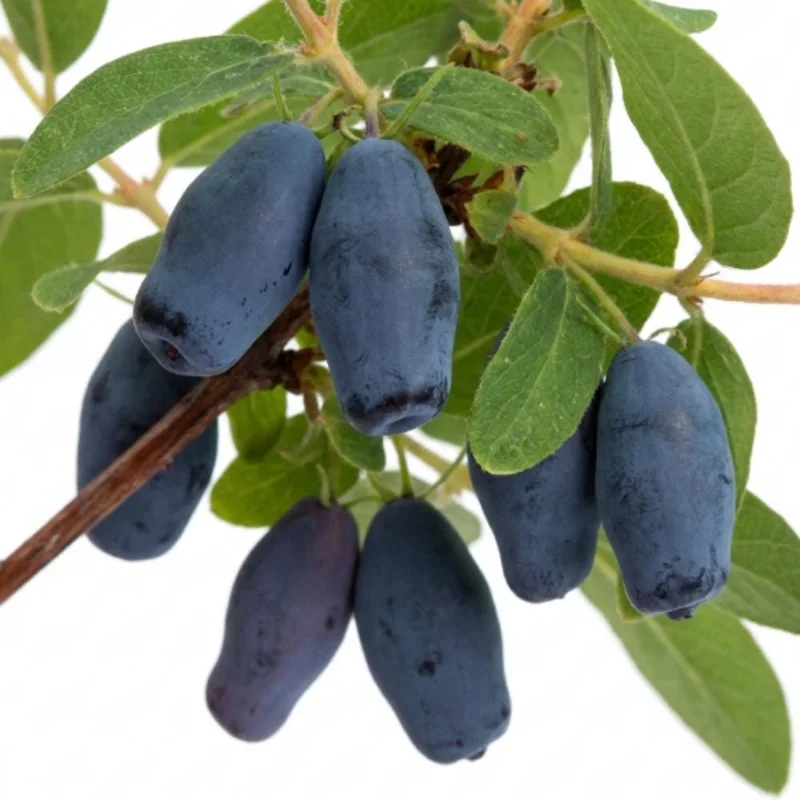
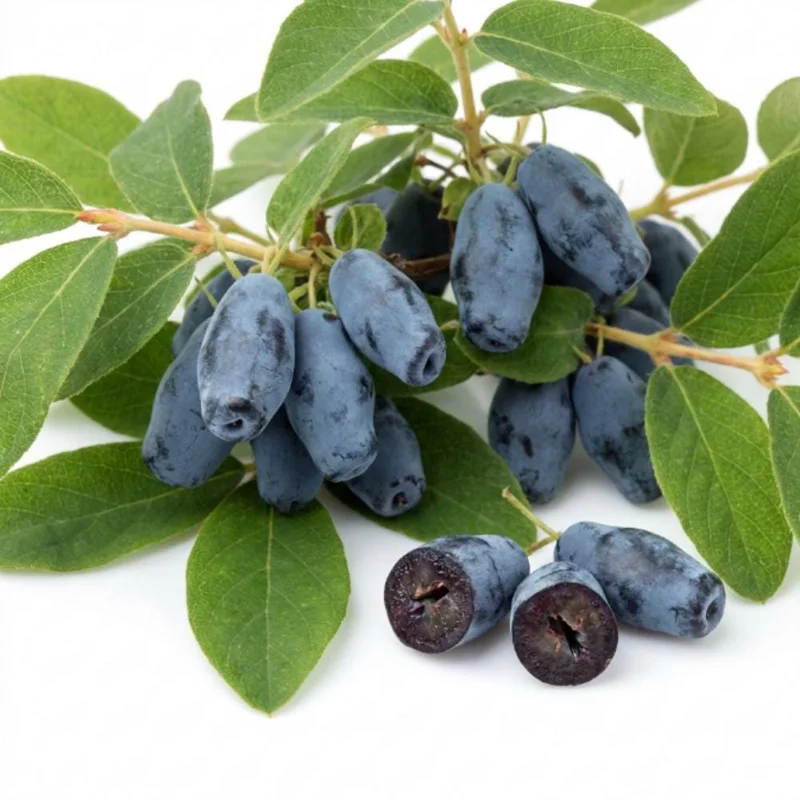
Cultivate your own sweet-tart berries with this honeyberry haskap live plant, measuring 4-8 inches tall. This edible berry shrub is remarkably cold hardy berry plant, perfect for outdoor gardens, containers, and edible landscapes. Enjoy fresh fruit with flavors reminiscent of blueberries and raspberries.
Estimated arrival
Oct 15
Oct 20 - Oct 22
Oct 22 - Oct 27
See our Shipping Policy.
Get in touch with us via email, and our team will review your concerns.
Our Alive & Thrive Guarantee covers issues with your plants within the first 30 days. Read our Refund & Returns Policy.
-
USDA Hardiness Zone
USDA Zones 2-7 -
Soil Type
Well-draining, slightly acidic to neutral soil -
Sunlight Exposure
Full sun to partial shade -
Expected Planting Period
Early spring or early fall
Overview
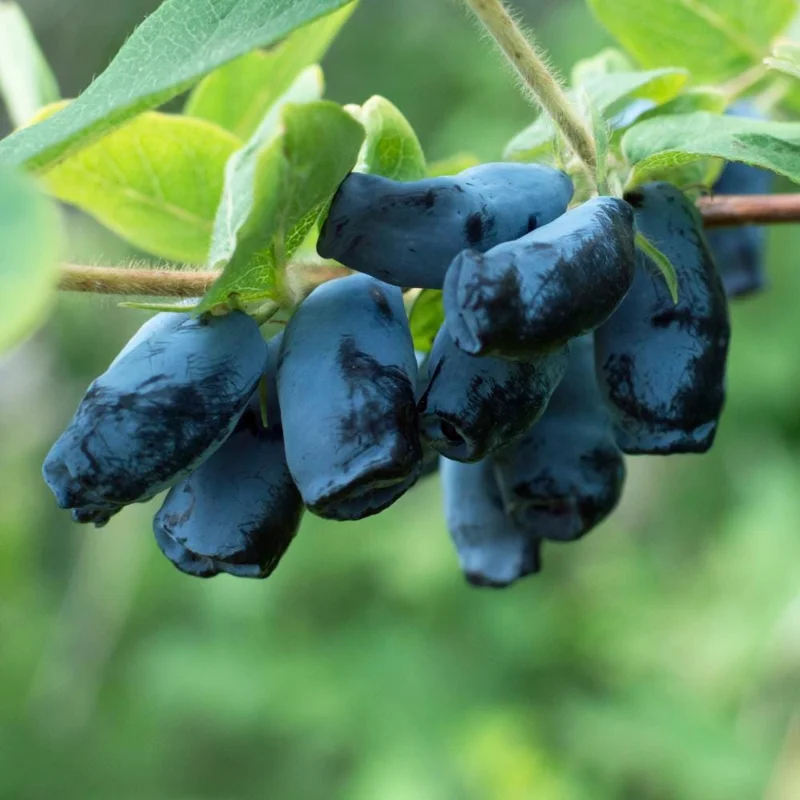
Discover the joy of growing your own nutritious fruit with this exceptional honeyberry haskap live plant. Also known as Haskap or Blue Honeysuckle, this unique fruiting shrub (Lonicera caerulea) offers a delightful blend of sweet and tart flavors, often compared to a mix of blueberries and raspberries. Our healthy live plant, typically 4-8 inches tall, is ready to establish in your garden, providing a head start on producing these highly sought-after edible berries. Known for its incredible cold hardiness, the honeyberry is an excellent choice for gardeners in cooler climates, extending the berry season earlier than many other popular fruits. This resilient shrub is not only productive but also adds attractive foliage to your landscape, making it a valuable addition to any home garden or edible landscape design. Invest in a honeyberry haskap live plant today and begin your journey to homegrown deliciousness.
This particular variety is selected for its robust growth and ability to thrive in various conditions, making it suitable for both novice and experienced gardeners. The berries are packed with antioxidants and vitamins, perfect for fresh eating, smoothies, jams, and desserts. The early fruiting season of honeyberries means you can enjoy fresh berries weeks before other common fruits, providing a welcome burst of flavor in late spring to early summer. Embrace sustainable living and enhance your backyard bounty with this easy-to-grow, highly rewarding honeyberry haskap live plant.
Key Benefits
Adding a honeyberry haskap live plant to your garden offers a multitude of advantages, from its unique fruit to its ease of care. This versatile plant is a true gem for any edible landscape.
- Delicious & Nutritious Berries: Enjoy a unique sweet-tart flavor profile, often described as a cross between blueberries and raspberries. These berries are rich in antioxidants and vitamins, perfect for fresh consumption, baking, jams, and juices.
- Exceptional Cold Hardiness: Thrives in cold climates, enduring harsh winter temperatures, making it an ideal choice for gardeners in USDA Zones 2-7 where other berry plants might struggle. This resilience ensures a reliable harvest even after severe winters.
- Early Season Fruit Production: Honeyberries are among the first fruits to ripen in late spring to early summer, providing a welcome harvest well before blueberries and other common berries are ready.
- Easy to Grow & Low Maintenance: This edible berry shrub requires minimal fuss once established. It’s relatively pest and disease resistant, making it a great option for gardeners seeking productive plants without extensive care routines.
- Versatile Garden Use: Suitable for various settings, including traditional garden beds, raised beds, large containers, and as an attractive addition to edible landscaping. Its compact size makes it manageable for most spaces.
- Attractive Foliage: Beyond its fruit, the honeyberry haskap live plant features appealing green foliage throughout the growing season, contributing to the aesthetic beauty of your garden.
- Health Benefits: Haskap berries are renowned for their high concentration of anthocyanins and other beneficial compounds, contributing to overall well-being and a healthy diet.
Plant Care & Growing Tips
Caring for your honeyberry haskap live plant is straightforward, ensuring a bountiful harvest with minimal effort. These plants are quite adaptable but perform best with specific conditions. For optimal growth and fruit production, plant your honeyberry in a location that receives full sun to partial shade. Full sun (6+ hours of direct sunlight daily) will generally lead to the best berry yields, but they can tolerate some afternoon shade, especially in hotter climates. Ensure the soil is well-draining; honeyberries do not like wet feet. A slightly acidic to neutral soil pH (5.5-7.0) is ideal. Amend heavy clay soils with organic matter like compost to improve drainage and fertility.
When planting, dig a hole twice as wide as the root ball and just as deep. Gently loosen the roots before placing the plant in the hole, ensuring the top of the root ball is level with the surrounding soil. Backfill with soil, gently firming it around the base of the plant. Water thoroughly after planting to settle the soil. During the establishment phase (the first year), water regularly to keep the soil consistently moist but not waterlogged. Once established, honeyberries are relatively drought-tolerant but will benefit from consistent moisture during fruiting periods. Fertilize in early spring with a balanced, slow-release fertilizer or a berry-specific formula. Pruning is generally light, focusing on removing any dead, damaged, or crossing branches to improve airflow and fruit quality. This cold hardy berry plant is very forgiving, making haskap plant care an enjoyable experience for gardeners of all levels.
Size & Details
This offering is for one healthy honeyberry haskap live plant, typically measuring approximately 4-8 inches in height upon arrival. Each plant is carefully shipped with its roots intact in soil, without a pot, to ensure safe transit and minimize transplant shock. Honeyberry plants are known for their moderate growth rate, eventually reaching a mature size of 3-5 feet tall and wide, making them suitable for various garden sizes and container growing. They typically begin fruiting within 1-2 years after planting, with full production achieved in 3-5 years. The plant will arrive ready for immediate planting in your garden or a larger container. This robust starter plant provides a solid foundation for establishing a productive and long-lived edible berry shrub in your landscape.
Frequently Asked Questions
- Q: How big does this honeyberry haskap live plant get? A: This starter plant is 4-8 inches tall upon arrival. Mature honeyberry plants typically grow to be 3-5 feet tall and wide, forming a compact, productive shrub.
- Q: Is this an indoor or outdoor plant? A: The honeyberry haskap live plant is an outdoor fruiting shrub. It requires outdoor conditions to thrive and produce berries, and its cold hardiness makes it suitable for many climates.
- Q: How much sunlight does it need? A: Honeyberries prefer full sun (at least 6 hours of direct sunlight daily) for best fruit production. They can tolerate partial shade, especially in hotter regions, but yields may be slightly reduced.
- Q: Is this plant easy to care for? A: Yes, honeyberry plants are considered easy to care for and are great for beginners. They are relatively low-maintenance, disease-resistant, and tolerant of various soil conditions as long as drainage is good.
- Q: What condition will it arrive in? A: Your honeyberry haskap live plant will arrive healthy and well-rooted in soil, ready for planting. It is shipped without a pot to ensure safe and efficient delivery.
- Q: When is the best time to plant honeyberries? A: The best times to plant honeyberries are in early spring after the last frost, or in early fall before the ground freezes. This allows the plant time to establish its root system.
- Q: Will it survive winter in my zone? A: Yes, honeyberries are incredibly cold hardy, thriving in USDA Zones 2-7. They are well-suited to withstand harsh winter temperatures, making them an excellent choice for northern climates.
- Q: Do I need more than one honeyberry plant to get fruit? A: While some varieties are self-fertile, honeyberries generally produce significantly more fruit when cross-pollinated with a different honeyberry variety. Planting at least two different varieties is recommended for optimal yields.
- Q: What are the berries good for? A: The berries from your honeyberry haskap live plant are excellent for fresh eating, smoothies, pies, jams, jellies, and juice. Their unique sweet-tart flavor is versatile in many culinary applications.
- Q: How long until it produces fruit? A: Honeyberry plants typically start producing a small amount of fruit in their second year after planting, with significant yields usually beginning in their third to fifth year.
| Variety | Aurora, Indigo, Indigo Gem |
|---|
Be the first to review “Honeyberry Haskap Live Plant – 4-8 Inch Edible Berry Shrub – Cold Hardy Outdoor”
Related products


You May Like

Hardneck vs. Softneck Garlic: Which Should You Grow?
Have you ever stood in front of a seed catalog in mid-September, staring at dozens [...]
Oct

When to Plant Music Garlic: Ultimate US Fall Guide
Have you ever spent your fall weekend placing carefully chosen garlic cloves into rich, dark [...]
1 Comment
Oct

5 Best Bulbs for Fall Planting: Brighten Your Garden This Spring
Are you dreaming of a garden full of vibrant colors in the spring? The key [...]
Aug

10 Houseplants That Will Thrive in Your Kitchen
Are you tired of your kitchen feeling dull and lifeless? Want to add a little [...]
1 Comment
Aug
Reviews
There are no reviews yet.