
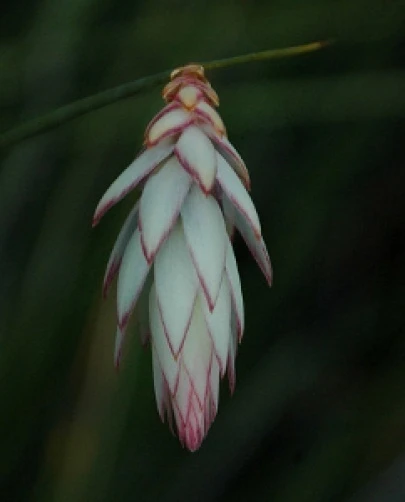
Hooded Lily Seeds – Johnsonia lupulina – 10 Seeds – Perennial
Original price was: 49.99 $.24.99 $Current price is: 24.99 $.
Cultivate the distinctive beauty of the hooded lily seeds with this pack of 10 Johnsonia lupulina seeds. These perennial flower seeds offer a unique addition to any garden, known for their unusual hooded blooms and drought tolerance.
Estimated arrival
Oct 15
Oct 20 - Oct 22
Oct 22 - Oct 27
See our Shipping Policy.
Get in touch with us via email, and our team will review your concerns.
Our Alive & Thrive Guarantee covers issues with your plants within the first 30 days. Read our Refund & Returns Policy.
-
USDA Hardiness Zone
USDA zones 9-11 -
Soil Type
Well-draining sandy or gravelly soil -
Sunlight Exposure
Full sun to partial shade -
Expected Planting Period
Spring to early summer
Overview
Discover the exotic charm of the hooded lily seeds, scientifically known as Johnsonia lupulina. This unique perennial plant is native to Western Australia and is celebrated for its striking, hooded flower spikes that resemble lupines, hence its species name. Each pack contains 10 high-quality Johnsonia lupulina seeds, ready for you to embark on a rewarding gardening journey. The Hooded Lily is an excellent choice for gardeners seeking to introduce an unusual and captivating specimen into their landscape. Its distinctive appearance makes it a conversation starter, perfect for rock gardens, native plant collections, or as a focal point in a mixed border. Growing from seed allows for a deep connection with nature and the satisfaction of nurturing a plant from its very beginning.
The Hooded Lily is a rhizomatous perennial that produces attractive foliage and dramatic flower spikes. These seeds offer the opportunity to cultivate a plant that is both visually appealing and relatively easy to care for once established. Ideal for those who appreciate botanical curiosities, the hooded lily seeds will bring a touch of the wild Australian landscape to your home garden. Prepare to be enchanted by its unique form and subtle elegance.
Key Benefits
Cultivating the Hooded Lily from seed offers numerous advantages, enriching your gardening experience with its unique characteristics and robust nature. These perennial flower seeds provide a sustainable and cost-effective way to enhance your outdoor space.
- Unique Aesthetic Appeal: The Hooded Lily stands out with its distinctive hooded, lupine-like flower spikes, adding an architectural and exotic element to any garden design. Its unusual form is a true visual delight.
- Drought Tolerance: Once established, Johnsonia lupulina is remarkably drought-tolerant, making it an excellent choice for xeriscaping or gardens in drier climates, requiring less frequent watering.
- Low Maintenance: After the initial care during germination and establishment, these plants are relatively low-maintenance, thriving with minimal intervention and making them suitable for busy gardeners.
- Attracts Pollinators: The unique flowers can attract beneficial pollinators to your garden, contributing to a healthy ecosystem and supporting local biodiversity.
- Perennial Growth: As a perennial, the Hooded Lily returns year after year, providing continuous beauty and reducing the need for annual replanting, offering long-term garden enjoyment.
- Great for Rock Gardens: Its compact size and preference for well-drained soil make it an ideal candidate for rock gardens, adding texture and interest among stones and other low-growing plants.
- Conversation Starter: The rare and striking appearance of the Hooded Lily is sure to intrigue visitors and fellow gardeners, making it a fantastic topic of conversation. Grow your own hooded lily seeds and watch them flourish.
Plant Care & Growing Tips
Growing Johnsonia lupulina seeds requires patience and attention to specific environmental conditions to ensure successful germination and establishment. Begin by sowing the seeds in a well-draining seed-starting mix. A good quality mix will provide the necessary aeration and moisture retention for healthy root development. It’s often beneficial to lightly scarify the seeds before planting to aid germination, or soak them in warm water for 24 hours. Sow the seeds shallowly, covering them with a thin layer of soil, about 1/8 to 1/4 inch deep. Maintain consistent moisture without waterlogging the soil.
For optimal germination, a temperature range of 65-75°F (18-24°C) is generally recommended. Placing the seed trays in a warm spot or using a heating mat can help achieve this. Provide bright, indirect light to the seedlings once they emerge. As they grow, gradually acclimate them to stronger light conditions. Once the seedlings are robust enough and have developed a few sets of true leaves, they can be transplanted into individual pots or directly into the garden if the climate is suitable. Ensure the planting site has excellent drainage, as the Hooded Lily is intolerant of wet feet. Full sun to partial shade is ideal; in hotter climates, some afternoon shade can prevent scorching.
The Hooded Lily thrives in sandy or gravelly, well-draining soils. Amend heavy clay soils with sand or organic matter to improve drainage. Water regularly during the first growing season to help establish a strong root system, then reduce watering frequency once the plant is mature, capitalizing on its natural drought tolerance. Fertilization is generally not heavily required; a light application of a balanced, slow-release fertilizer in spring can be beneficial. Protect young plants from extreme cold if planting in a borderline USDA zone. These unusual flower seeds will reward you with a resilient and beautiful plant when given proper care.
Size & Details
This product includes 10 high-quality hooded lily seeds (Johnsonia lupulina). These are intended for cultivation into mature perennial plants. When fully grown, the Hooded Lily typically forms a clumping habit, reaching an average height of 1 to 2 feet (30-60 cm) and a similar spread. The distinctive flower spikes can extend slightly above the foliage, adding to its vertical interest. The plant exhibits a moderate growth rate, establishing itself well within the first year after germination and beginning to bloom in subsequent years.
The seeds are packaged to ensure viability and are ready for planting upon arrival. The plant is known for its resilience and ability to thrive in challenging conditions once established. Expect blooms to appear in late spring to early summer, depending on your specific climate and growing conditions. Each seed holds the potential for a unique and attractive garden specimen, contributing to a diverse and captivating landscape. These perennial flower seeds are a fantastic choice for expanding your plant collection.
Frequently Asked Questions
- Q: How big does the Hooded Lily get? A: The Hooded Lily typically grows to a height of 1 to 2 feet (30-60 cm) with a similar spread, forming an attractive clump. The flower spikes may extend slightly taller than the foliage.
- Q: Is this an indoor or outdoor plant? A: Johnsonia lupulina is primarily an outdoor perennial plant, best suited for garden beds, rockeries, or containers in appropriate climates. It thrives in full sun to partial shade.
- Q: How much sunlight does it need? A: The Hooded Lily prefers full sun to partial shade. In regions with intense summer heat, providing some afternoon shade can prevent stress and maintain the vibrancy of its foliage and blooms.
- Q: Is this plant easy to care for? A: Once established, the Hooded Lily is considered relatively low-maintenance, especially due to its drought tolerance. The initial germination and seedling care for these hooded lily seeds require consistent attention to moisture and temperature.
- Q: What condition will the seeds arrive in? A: The Johnsonia lupulina seeds will arrive carefully packaged to ensure their viability and protection during transit, ready for you to plant.
- Q: When is the best time to plant Hooded Lily seeds? A: The best time to plant unusual flower seeds like the Hooded Lily is typically in spring after the last frost, or indoors 6-8 weeks before the last frost date, to give seedlings a head start.
- Q: What kind of soil does it prefer? A: The Hooded Lily thrives in very well-draining soil, preferably sandy or gravelly. Good drainage is crucial, as it is susceptible to root rot in waterlogged conditions.
- Q: Will it survive winter in my zone? A: The Hooded Lily is generally suited for USDA hardiness zones 9-11. In colder zones, it can be grown as an annual or overwintered indoors, or planted in containers that can be moved.
- Q: Are these seeds suitable for beginners? A: While germinating perennial flower seeds requires some care, the mature plant is quite resilient. Beginners with a bit of patience and attention to drainage will find success with these unique seeds.
- Q: How long until it blooms from seed? A: Hooded Lily plants grown from grow hooded lily seeds typically begin to bloom in their second or third year after germination, once they have established a strong root system and sufficient foliage.
Be the first to review “Hooded Lily Seeds – Johnsonia lupulina – 10 Seeds – Perennial”
Related products


You May Like

Hardneck vs. Softneck Garlic: Which Should You Grow?
Have you ever stood in front of a seed catalog in mid-September, staring at dozens [...]
Oct

When to Plant Music Garlic: Ultimate US Fall Guide
Have you ever spent your fall weekend placing carefully chosen garlic cloves into rich, dark [...]
1 Comment
Oct

5 Best Bulbs for Fall Planting: Brighten Your Garden This Spring
Are you dreaming of a garden full of vibrant colors in the spring? The key [...]
Aug

10 Houseplants That Will Thrive in Your Kitchen
Are you tired of your kitchen feeling dull and lifeless? Want to add a little [...]
1 Comment
Aug
Reviews
There are no reviews yet.