
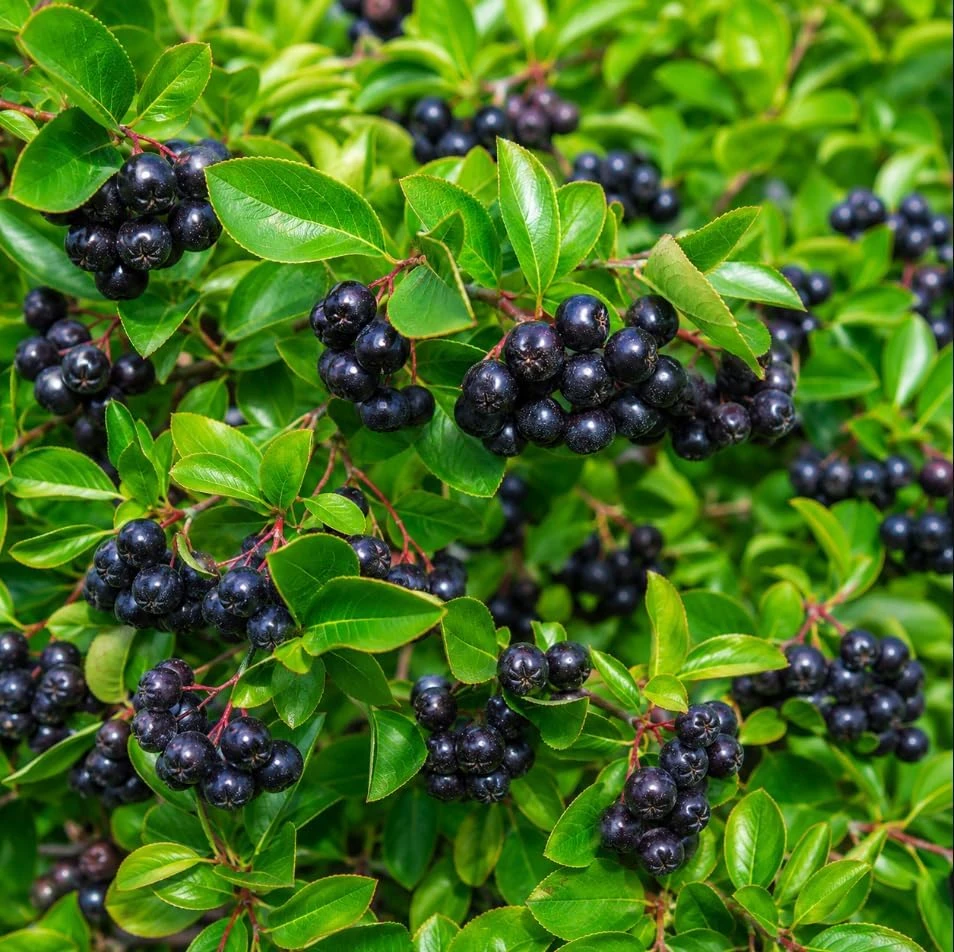
Huckleberry Live Plant – Sweet Black Bush Outdoor Garden, 3-5 Inch Tall, 3 Inch Pot
Original price was: 34.99 $.14.99 $Current price is: 14.99 $.
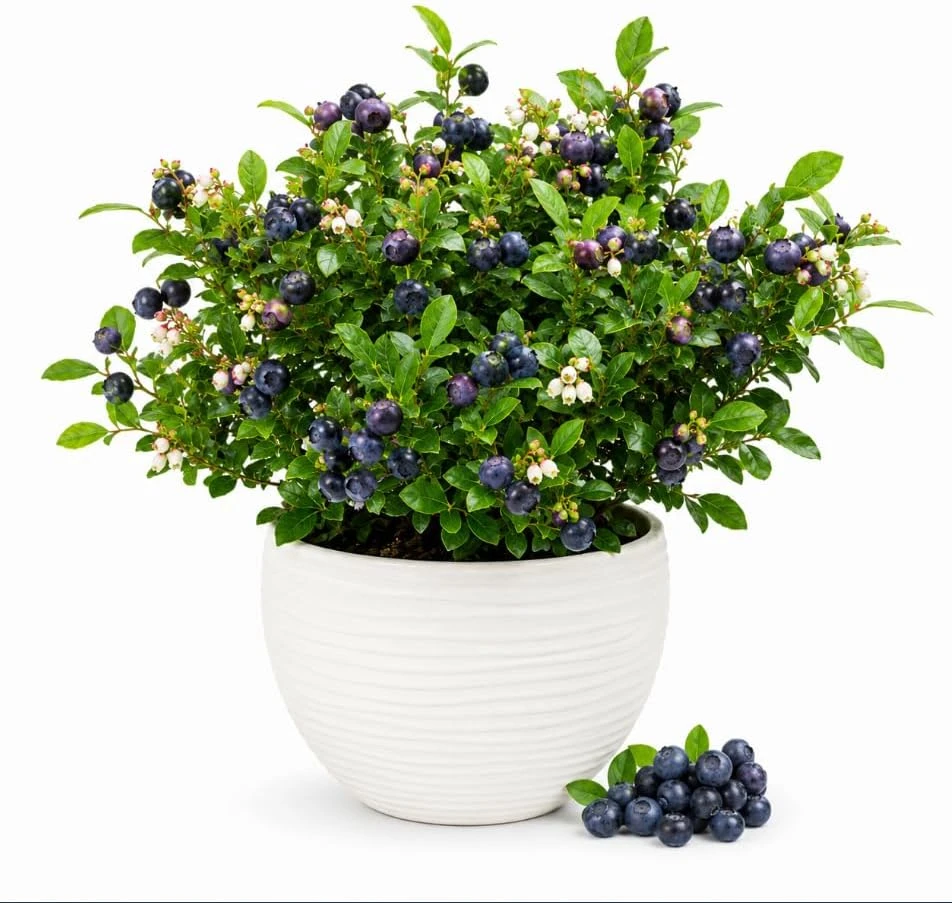
Bring the joy of home-grown berries to your garden with this huckleberry live plant. This sweet black huckleberry bush is ideal for outdoor planting, arriving 3-5 inches tall in a 3-inch pot, ready to establish and produce delicious fruit.
Estimated arrival
Oct 16
Oct 21 - Oct 23
Oct 23 - Oct 28
See our Shipping Policy.
Get in touch with us via email, and our team will review your concerns.
Our Alive & Thrive Guarantee covers issues with your plants within the first 30 days. Read our Refund & Returns Policy.
-
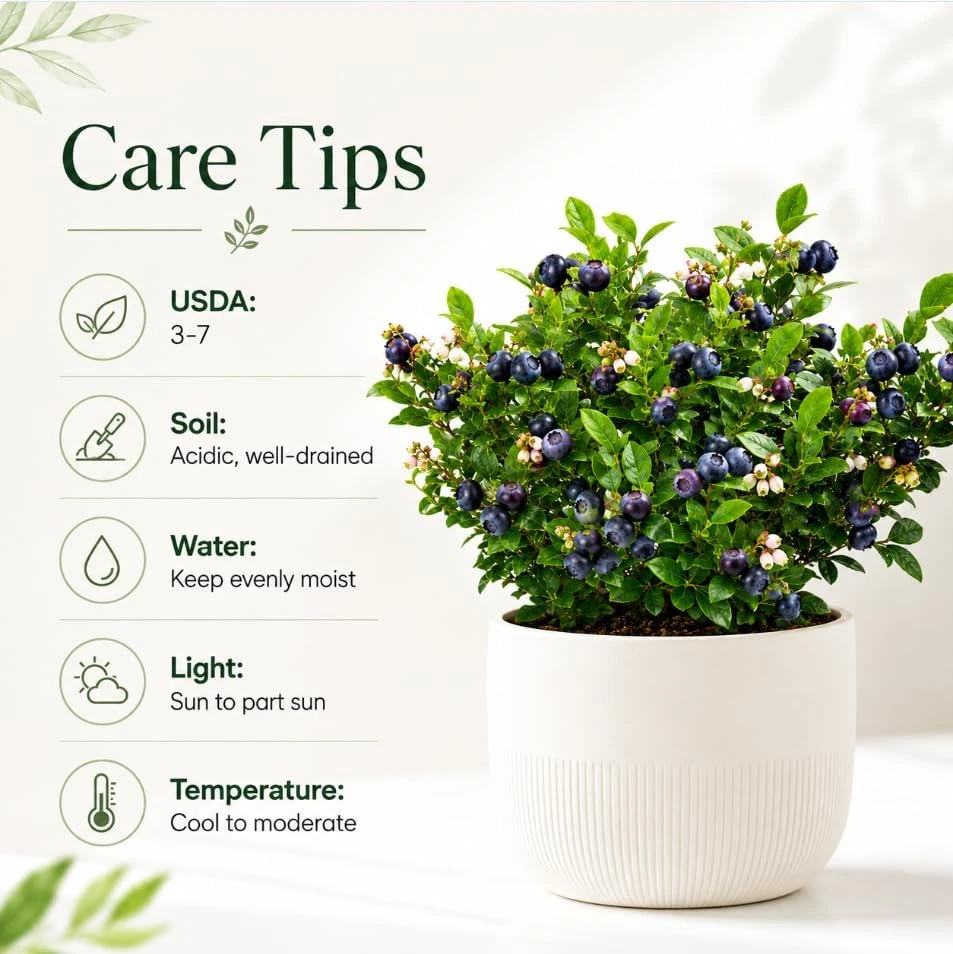
USDA Hardiness Zone
3-8 -
Soil Type
Well-draining, acidic soil -
Sunlight Exposure
Full sun to partial shade -
Expected Planting Period
Spring to early summer
Overview
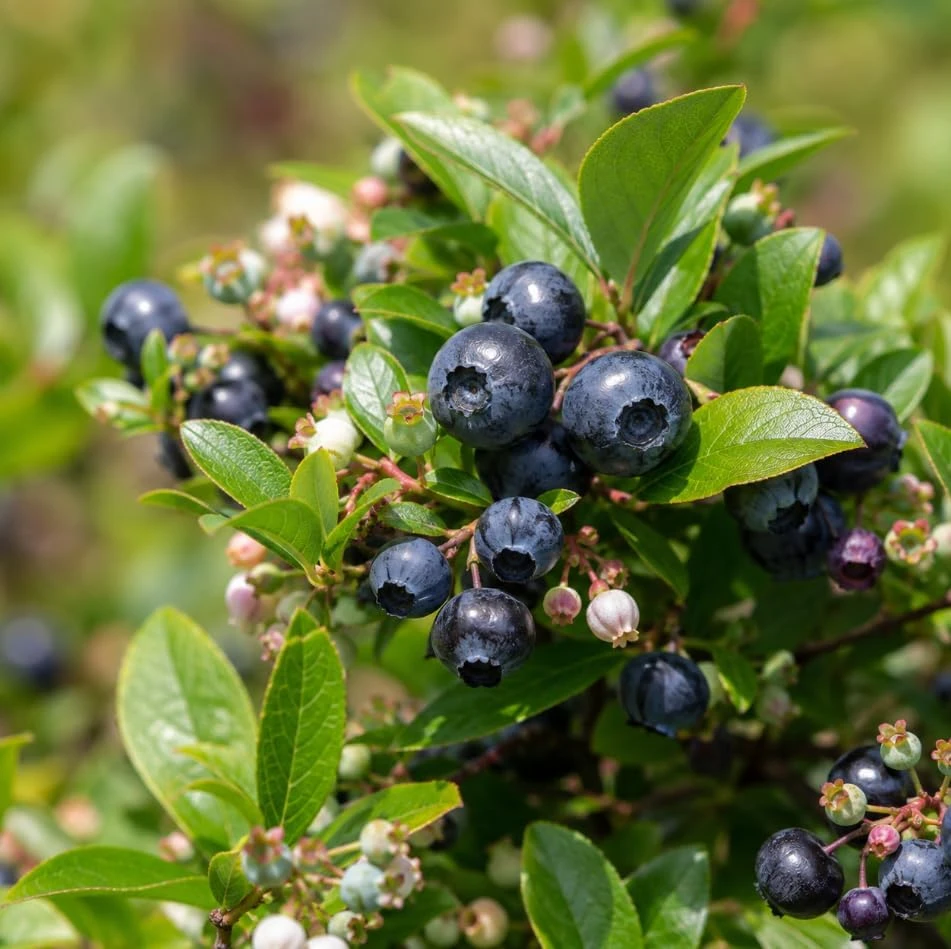
Cultivate your own delicious fruit with our premium huckleberry live plant. This vibrant young bush is ready to thrive in your outdoor garden, offering the promise of sweet, juicy black huckleberries. Known for their distinct flavor and nutritional benefits, huckleberries are a delightful addition to any edible landscape. This particular variety, often referred to as a sweet black huckleberry, is carefully cultivated to ensure a strong start and robust growth. Huckleberries, botanically known as Gaylussacia or Vaccinium species depending on the region, are cherished for their ornamental value as well as their delectable fruit. They are a fantastic choice for gardeners looking to add native, low-maintenance berry bushes to their property. Imagine picking fresh huckleberries right from your backyard for pies, jams, or simply enjoying them fresh off the bush.
Our huckleberry live plant arrives healthy and ready for planting, ensuring you get a head start on growing these wonderful berries. These bushes are not only productive but also add an attractive, natural aesthetic to your garden with their lush foliage and charming spring blossoms. They are an excellent choice for creating a naturalized area or integrating into an existing fruit garden. Experience the satisfaction of growing your own food and the unique taste that only home-grown huckleberries can provide.
Key Benefits
Adding a huckleberry live plant to your garden offers a multitude of advantages, enriching both your landscape and your culinary experiences. These benefits extend beyond just the delicious fruit, making them a truly rewarding choice for any gardener.
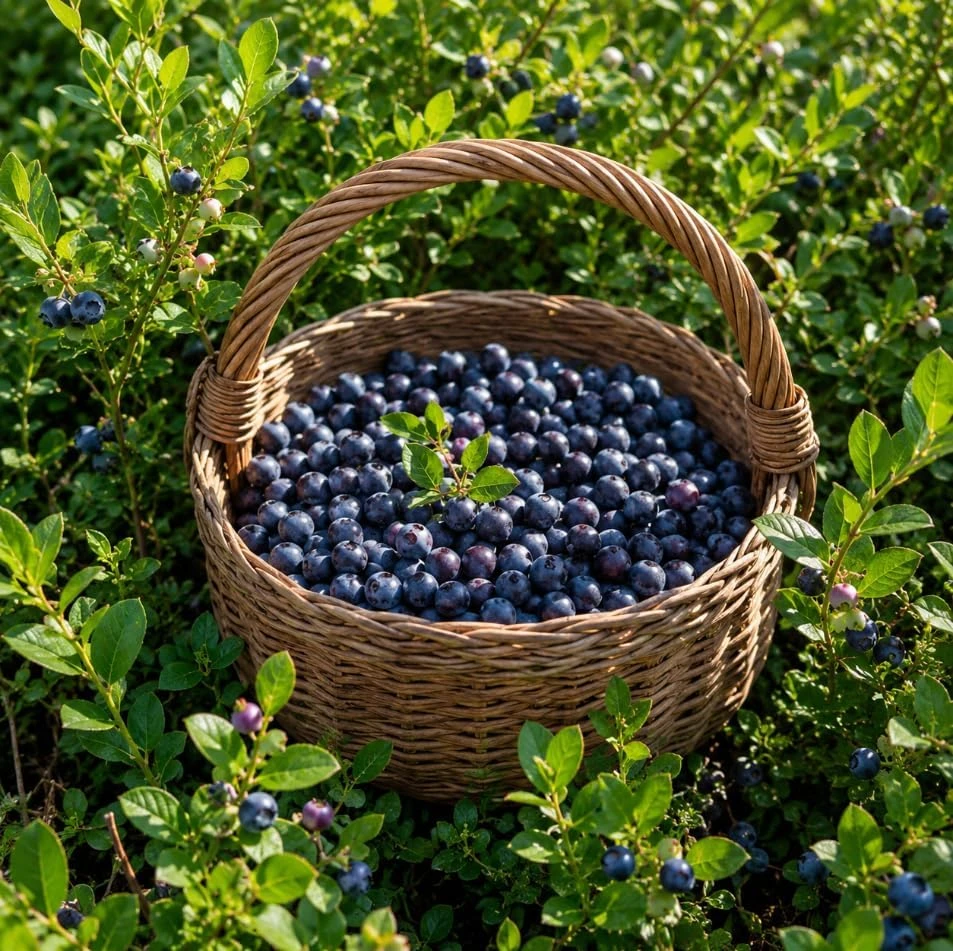
- Homegrown, Delicious Fruit: Enjoy the unparalleled taste of fresh, organic huckleberries picked directly from your own garden. These sweet black huckleberry fruits are perfect for eating fresh, baking, or preserving.
- Attractive Garden Addition: Beyond their fruit, huckleberry bushes provide beautiful foliage and delicate flowers in spring, adding ornamental value to your outdoor space.
- Pollinator Friendly: The blossoms attract beneficial pollinators like bees, contributing to the health and biodiversity of your garden ecosystem.
- Relatively Low Maintenance: Once established, huckleberry bushes are quite hardy and require minimal care, making them suitable for both experienced and novice gardeners.
- Adaptable to Various Climates: With a broad USDA hardiness range, these plants can thrive in many different geographical locations, offering flexibility for gardeners.
- Supports Wildlife: The berries are also a food source for local wildlife, making your garden a more vibrant and active ecosystem.
- Promotes Sustainable Living: Growing your own fruit reduces your carbon footprint and provides a sense of self-sufficiency. This is an excellent way to grow huckleberry plant sustainably.
Plant Care & Growing Tips
Caring for your huckleberry live plant is straightforward, ensuring a bountiful harvest with proper attention. Huckleberries thrive in specific conditions that mimic their natural habitat. For optimal growth, choose a planting location that receives full sun to partial shade. Full sun (6+ hours of direct sunlight) will generally result in more fruit production, while partial shade (4-6 hours) can be beneficial in hotter climates to protect the plant from intense afternoon sun. Ensure the soil is well-draining, as huckleberry roots do not tolerate standing water. An acidic soil pH, typically between 4.5 and 5.5, is crucial for their health and nutrient absorption. Amending your soil with peat moss or pine bark before planting can help achieve this.
When it comes to watering, consistency is key. Keep the soil consistently moist but never waterlogged, especially during the plant’s establishment phase and when fruit is developing. A layer of mulch around the base of the plant can help retain soil moisture, regulate soil temperature, and suppress weeds. Huckleberries are hardy in USDA Zones 3-8, meaning they can withstand a wide range of winter temperatures. Protect young plants from extreme cold snaps. Fertilize sparingly in early spring with a fertilizer formulated for acid-loving plants, such as those used for blueberries or azaleas. Avoid fertilizers high in nitrogen, which can harm huckleberries. Regularly check for pests and diseases, though huckleberry bushes are generally quite resilient. Pruning should be done in late winter or early spring to remove dead or weak branches and to maintain an open structure for better air circulation and fruit production. Following these tips will help you successfully grow huckleberry plant and enjoy its fruits for years to come.
Size & Details
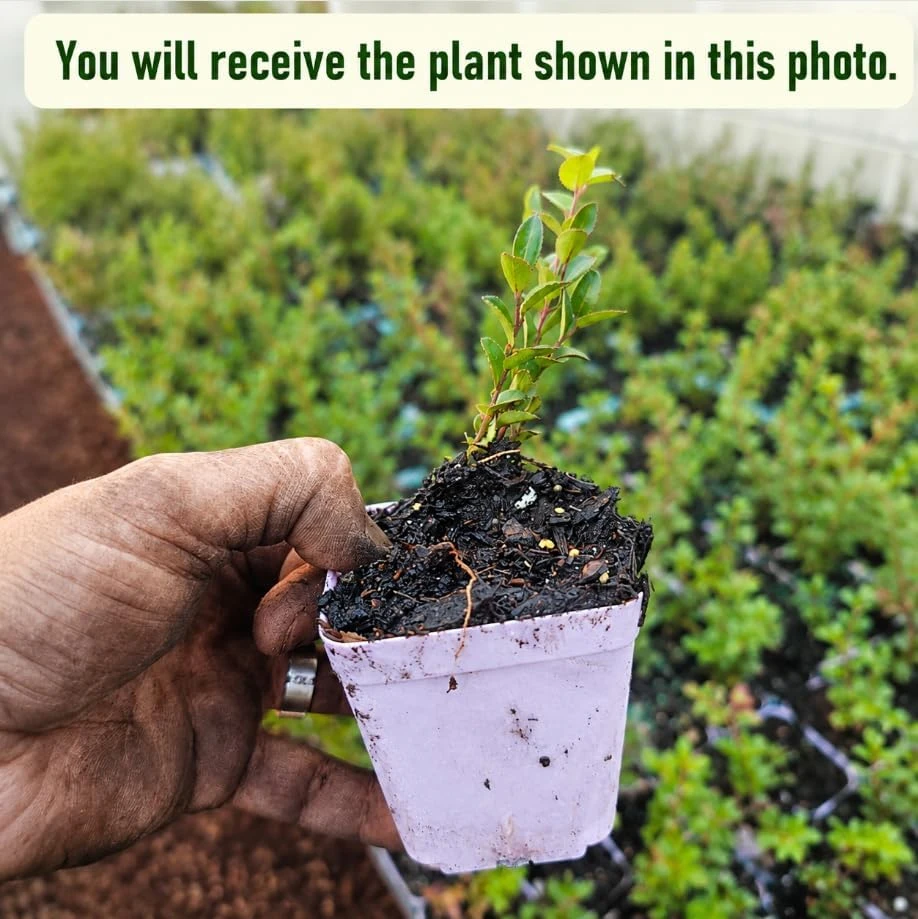
This huckleberry live plant arrives ready for planting, typically measuring 3-5 inches tall from the top of the soil in a 3-inch nursery pot. This size is ideal for establishing quickly in your garden, allowing the plant to acclimate to its new environment. Huckleberry bushes are generally slow to moderate growers, with mature plants reaching heights of 3 to 10 feet, depending on the specific variety and growing conditions. The spread can also vary, typically ranging from 3 to 6 feet wide, creating a dense and productive bush. These plants are shipped in their nursery pots, ensuring the root system remains undisturbed during transit, promoting a healthier transition to your garden soil. Expect blooming to occur from spring to early summer, with berries ripening in mid to late summer. With proper care, your outdoor berry plant will begin producing fruit within a few years of planting.
Frequently Asked Questions
- Q: How big does this huckleberry live plant get? A: This young plant arrives 3-5 inches tall in a 3-inch pot. Mature huckleberry bushes can reach heights of 3 to 10 feet and spreads of 3 to 6 feet, depending on the variety and growing conditions.
- Q: Is this an indoor or outdoor plant? A: This sweet black huckleberry is an outdoor garden plant. It requires outdoor conditions to thrive and produce fruit.
- Q: How much sunlight does it need? A: Huckleberry plants prefer full sun (at least 6 hours of direct sunlight daily) for best fruit production, but they can tolerate partial shade (4-6 hours), especially in hotter climates.
- Q: Is this plant easy to care for? A: Once established, huckleberry bushes are relatively low-maintenance. They require consistent moisture, acidic soil, and occasional pruning. It’s a great choice for those looking to grow huckleberry plant with moderate effort.
- Q: What condition will it arrive in? A: Your huckleberry plant will arrive as a healthy, live plant in a 3-inch nursery pot, with its root system intact and ready for transplanting.
- Q: When is the best time to plant this outdoor berry plant? A: The best time to plant huckleberries is in early spring or fall, allowing the plant to establish its root system before extreme summer heat or winter cold.
- Q: Will it survive winter in my zone? A: This huckleberry variety is hardy in USDA Zones 3-8, meaning it can withstand winter temperatures within this range. Check your local USDA zone to ensure compatibility.
- Q: What kind of soil does a huckleberry plant need? A: Huckleberries require well-draining, acidic soil with a pH between 4.5 and 5.5. Amending with peat moss or pine bark can help achieve ideal conditions.
- Q: How long until it produces fruit? A: While young, your huckleberry live plant will focus on establishing its root system. You can typically expect fruit production to begin within 2-3 years after planting.
- Q: Is this a true huckleberry or a blueberry? A: This is a true huckleberry plant, known for its distinct flavor and characteristics, though it belongs to the same plant family (Ericaceae) as blueberries.
Be the first to review “Huckleberry Live Plant – Sweet Black Bush Outdoor Garden, 3-5 Inch Tall, 3 Inch Pot”
Related products


You May Like

Hardneck vs. Softneck Garlic: Which Should You Grow?
Have you ever stood in front of a seed catalog in mid-September, staring at dozens [...]
Oct

When to Plant Music Garlic: Ultimate US Fall Guide
Have you ever spent your fall weekend placing carefully chosen garlic cloves into rich, dark [...]
1 Comment
Oct

5 Best Bulbs for Fall Planting: Brighten Your Garden This Spring
Are you dreaming of a garden full of vibrant colors in the spring? The key [...]
Aug

10 Houseplants That Will Thrive in Your Kitchen
Are you tired of your kitchen feeling dull and lifeless? Want to add a little [...]
1 Comment
Aug
Reviews
There are no reviews yet.