
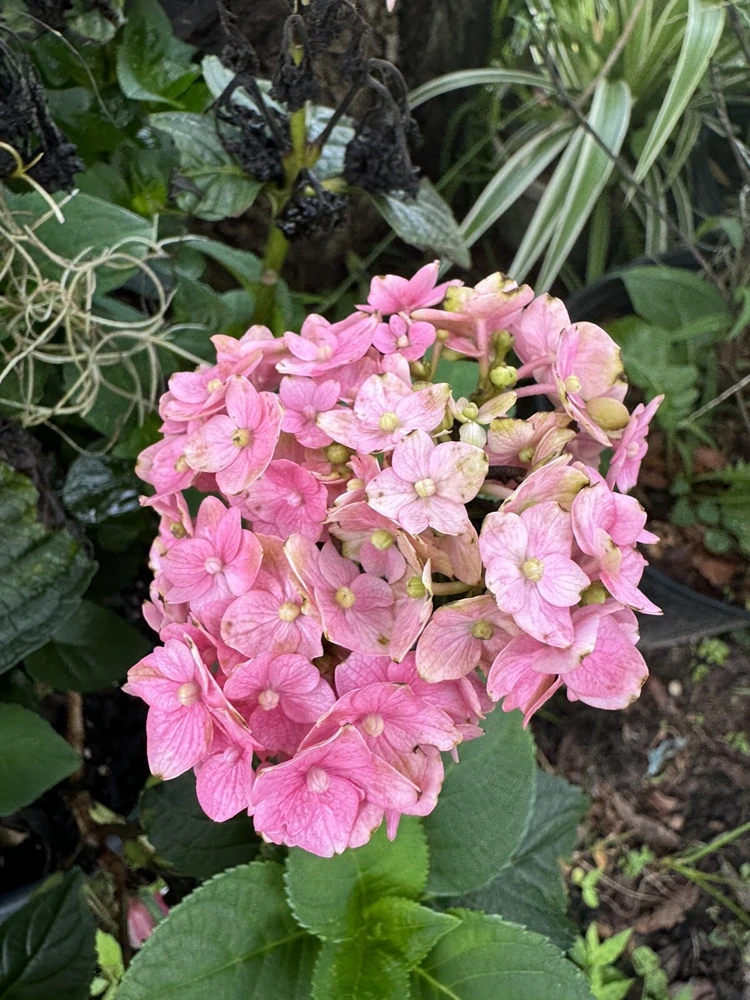
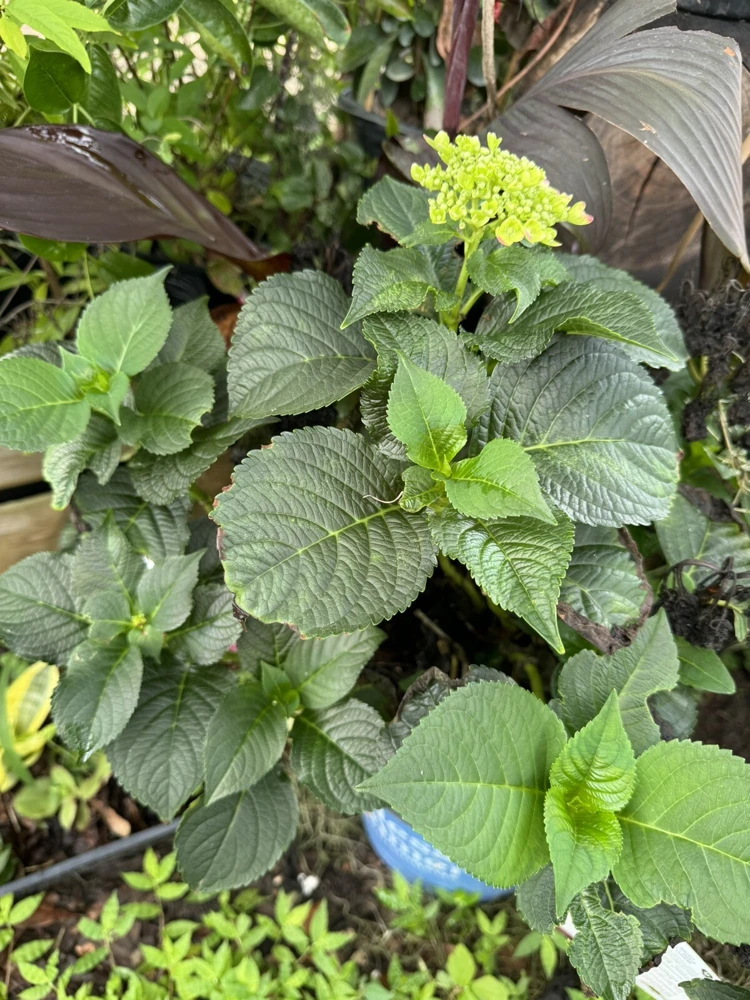
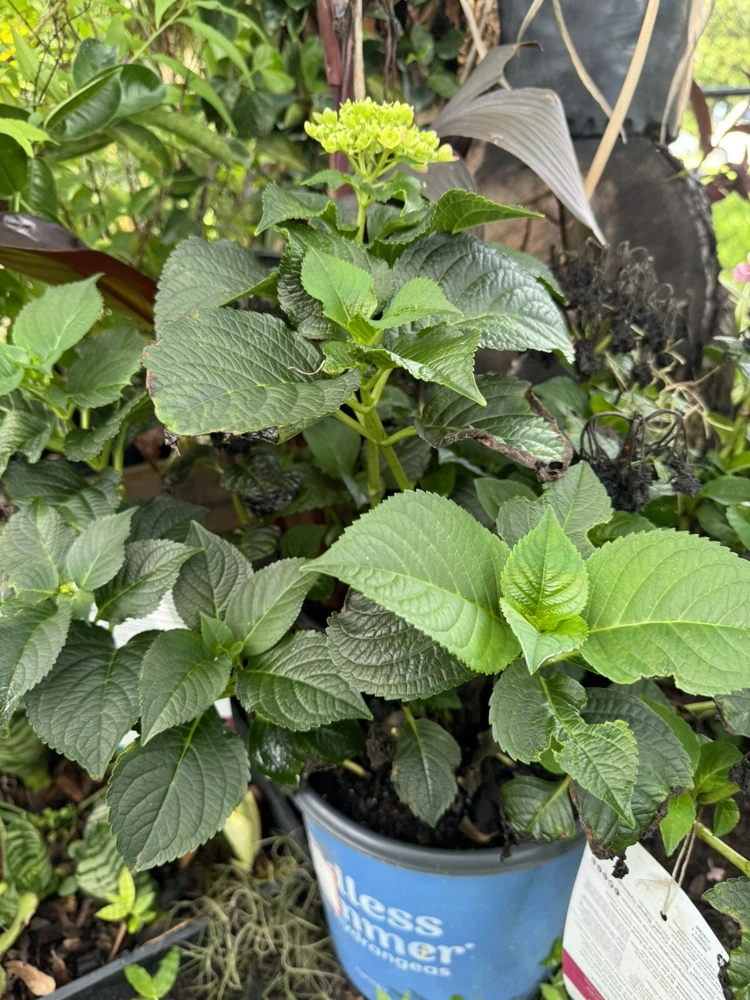
Hydrangea Macrophylla Live Plant – Vibrant Outdoor Shrub
Original price was: 64.99 $.44.99 $Current price is: 44.99 $.
Add a burst of color to your landscape with the beautiful Hydrangea Macrophylla live plant. This vibrant shrub features large, showy blooms that can transform any garden space. Ideal for outdoor planting, it’s a popular choice for its stunning floral display.
Estimated arrival
Oct 15
Oct 20 - Oct 22
Oct 22 - Oct 27
See our Shipping Policy.
Get in touch with us via email, and our team will review your concerns.
Our Alive & Thrive Guarantee covers issues with your plants within the first 30 days. Read our Refund & Returns Policy.
-
USDA Hardiness Zone
USDA zones 5-9 -
Soil Type
Rich, well-draining soil -
Sunlight Exposure
Partial shade -
Expected Planting Period
Spring to early summer
Overview
Bring enchanting beauty to your garden with the spectacular Hydrangea Macrophylla live plant. Known for its lush foliage and magnificent, globe-shaped flower clusters, this plant is a true showstopper. Hydrangea Macrophylla, often referred to as Bigleaf Hydrangea, is a popular deciduous shrub cherished for its ability to produce an abundance of colorful blossoms throughout the summer. These versatile plants can thrive in various garden settings, from mixed borders to accent plantings, adding a touch of classic charm and elegance. Whether you’re a seasoned gardener or just starting, the appeal of a Hydrangea Macrophylla live plant is undeniable, promising a vibrant display that will capture attention and admiration.
Key Benefits
The Hydrangea Macrophylla live plant offers numerous advantages for any garden, making it a highly sought-after specimen. Its impressive floral display and relatively easy care contribute to its widespread popularity.
- Stunning Floral Display: Enjoy large, captivating blooms in shades of blue, pink, purple, or white, depending on soil pH and cultivar. These vibrant flowers create a breathtaking focal point in any garden space, ensuring a spectacular show throughout the growing season.
- Versatile Landscaping: Perfect for mass plantings, border accents, foundation plantings, or even as a standalone specimen. Its adaptable nature allows it to fit seamlessly into diverse garden designs, enhancing curb appeal.
- Attracts Pollinators: The abundant flowers are a magnet for bees and butterflies, promoting a healthy garden ecosystem and contributing to local biodiversity.
- Long Blooming Season: Many varieties of Hydrangea Macrophylla live plant offer an extended blooming period, providing continuous color and interest from late spring through fall. This prolonged display ensures your garden remains lively and beautiful for months.
- Cut Flower Potential: The beautiful blooms are excellent for fresh cut flower arrangements, allowing you to bring the garden’s beauty indoors. They also dry well, making them suitable for lasting floral crafts.
- Relatively Low Maintenance: Once established, these shrubs require moderate care, making them a rewarding choice for gardeners of all experience levels. Basic pruning and watering are typically sufficient to keep them thriving.
- Adds Garden Structure: With its substantial size and attractive foliage, a vibrant garden shrub like the Hydrangea Macrophylla provides excellent structure and texture to garden beds, even when not in bloom.
Plant Care & Growing Tips
Caring for your Hydrangea Macrophylla live plant is relatively straightforward, ensuring years of beautiful blooms with proper attention. These plants thrive in conditions that mimic their natural woodland habitat, preferring consistent moisture and protection from the harshest afternoon sun. For optimal growth and flowering, understanding their specific needs is crucial. A key aspect of Macrophylla Hydrangea care is managing soil pH, as this directly influences the bloom color of many varieties. Regular monitoring and adjustments can help achieve your desired shades of blue or pink.
Sunlight Requirements: Hydrangea Macrophylla prefers partial shade, especially in warmer climates. Morning sun with afternoon shade is ideal, as too much direct sun can scorch the leaves and fade the flowers. In cooler regions, they can tolerate more sun, but always ensure they are protected during the hottest part of the day. Adequate light is essential for robust flowering, but balance is key.
Watering Schedule & Soil Moisture: These hydrangeas are thirsty plants, especially during their blooming season and in hot weather. Water deeply and regularly, ensuring the soil remains consistently moist but not waterlogged. Aim for 1-2 inches of water per week, either from rainfall or irrigation. Signs of insufficient water include wilting leaves. Good drainage is paramount to prevent root rot, which can be a common issue if the soil stays too wet.
Soil Type & Drainage: A rich, well-draining soil is preferred for growing Hydrangea Macrophylla. Amend heavy clay soils with organic matter like compost or aged manure to improve drainage and fertility. The pH of the soil is critical for bloom color: acidic soil (pH 5.5 or lower) promotes blue flowers, while alkaline soil (pH 6.0 or higher) encourages pink flowers. Neutral soil may result in purple or mixed colors. Soil testing can help you determine your current pH and guide amendments.
Temperature Range & USDA Hardiness Zone: Hydrangea Macrophylla is generally hardy in USDA Zones 5-9. They prefer moderate temperatures and can struggle in extreme heat or cold without protection. In colder zones, provide winter protection by mulching heavily around the base of the plant or covering it with burlap. In very hot climates, extra shade and consistent watering are necessary to prevent stress. Understanding the hardiness of your outdoor flowering plant is vital for its longevity.
Fertilization: Fertilize your hydrangea in spring as new growth emerges, using a balanced slow-release fertilizer formulated for flowering shrubs. Avoid over-fertilizing, especially with high-nitrogen fertilizers, as this can promote leafy growth at the expense of flowers. For color changes, use aluminum sulfate for blue flowers or garden lime for pink flowers, applied according to package directions and after a soil test. This targeted approach is part of effective Macrophylla Hydrangea care.
Size & Details
The Hydrangea Macrophylla live plant is a medium-sized deciduous shrub that typically grows to a height and spread of 3 to 6 feet, making it an excellent choice for various garden applications. Its growth rate is moderate, allowing it to establish itself well within a few seasons. This plant is shipped as a healthy, actively growing specimen, ready to be planted in your garden. The exact size upon arrival will vary but will be suitable for immediate transplanting. Expect to see its first full display of blooms in the season following planting, with increasingly impressive shows each subsequent year. This vibrant garden shrub will develop into a robust and beautiful addition to your landscape.
Frequently Asked Questions
- Q: How big does this Hydrangea Macrophylla live plant get? A: Hydrangea Macrophylla typically grows to a mature height and spread of 3 to 6 feet. Its size can be influenced by cultivar, growing conditions, and pruning practices.
- Q: Is this an indoor or outdoor plant? A: This is primarily an outdoor flowering plant, best suited for garden beds and landscapes. While it can be temporarily brought indoors for display, it thrives best in outdoor conditions where it can receive adequate light and moisture.
- Q: How much sunlight does it need? A: It prefers partial shade, ideally morning sun and afternoon shade, especially in warmer climates. Too much direct, intense sun can cause leaf scorch.
- Q: Is this plant easy to care for? A: Yes, Macrophylla Hydrangea care is generally considered moderate. Once established, it requires consistent watering and occasional fertilization, making it suitable for gardeners of various skill levels.
- Q: What condition will it arrive in? A: Your Hydrangea Macrophylla live plant will arrive as a healthy, actively growing plant, carefully packaged to ensure its safe journey. It will be ready for immediate planting upon arrival.
- Q: How long until it blooms? A: You can typically expect your Hydrangea Macrophylla to produce its first significant blooms in the growing season after planting. Established plants will bloom consistently each summer.
- Q: Will it survive winter in my zone? A: Hydrangea Macrophylla is hardy in USDA Zones 5-9. In colder zones (5-6), winter protection like mulching or covering may be necessary to protect the flower buds from freezing.
- Q: Can I change the color of the blooms? A: For many varieties of Hydrangea Macrophylla live plant, yes. Soil pH influences bloom color. Acidic soil (with aluminum sulfate) promotes blue flowers, while alkaline soil (with garden lime) promotes pink flowers.
- Q: What kind of soil is best for growing Hydrangea Macrophylla? A: A rich, well-draining soil with plenty of organic matter is ideal. The soil pH is also crucial for bloom color, as mentioned above.
- Q: Is pruning necessary for this vibrant garden shrub? A: Pruning is generally done to remove dead or weak stems and to shape the plant. For ‘bigleaf’ hydrangeas, it’s best to prune after flowering, as they often bloom on old wood.
Be the first to review “Hydrangea Macrophylla Live Plant – Vibrant Outdoor Shrub”
Related products




You May Like

Hardneck vs. Softneck Garlic: Which Should You Grow?
Have you ever stood in front of a seed catalog in mid-September, staring at dozens [...]
Oct

When to Plant Music Garlic: Ultimate US Fall Guide
Have you ever spent your fall weekend placing carefully chosen garlic cloves into rich, dark [...]
1 Comment
Oct

5 Best Bulbs for Fall Planting: Brighten Your Garden This Spring
Are you dreaming of a garden full of vibrant colors in the spring? The key [...]
Aug

10 Houseplants That Will Thrive in Your Kitchen
Are you tired of your kitchen feeling dull and lifeless? Want to add a little [...]
1 Comment
Aug
Reviews
There are no reviews yet.