
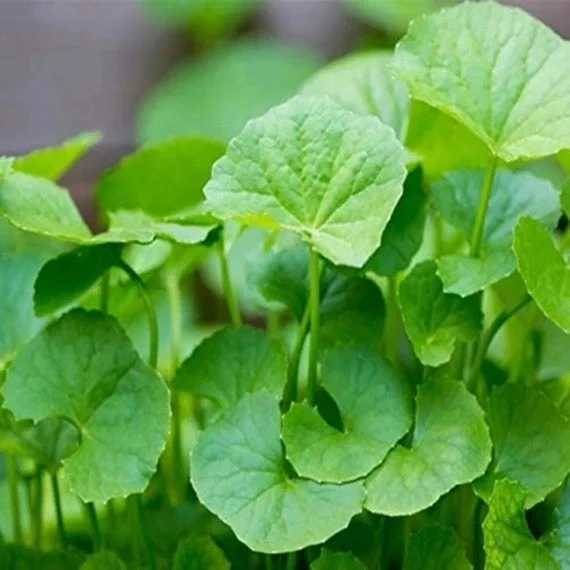
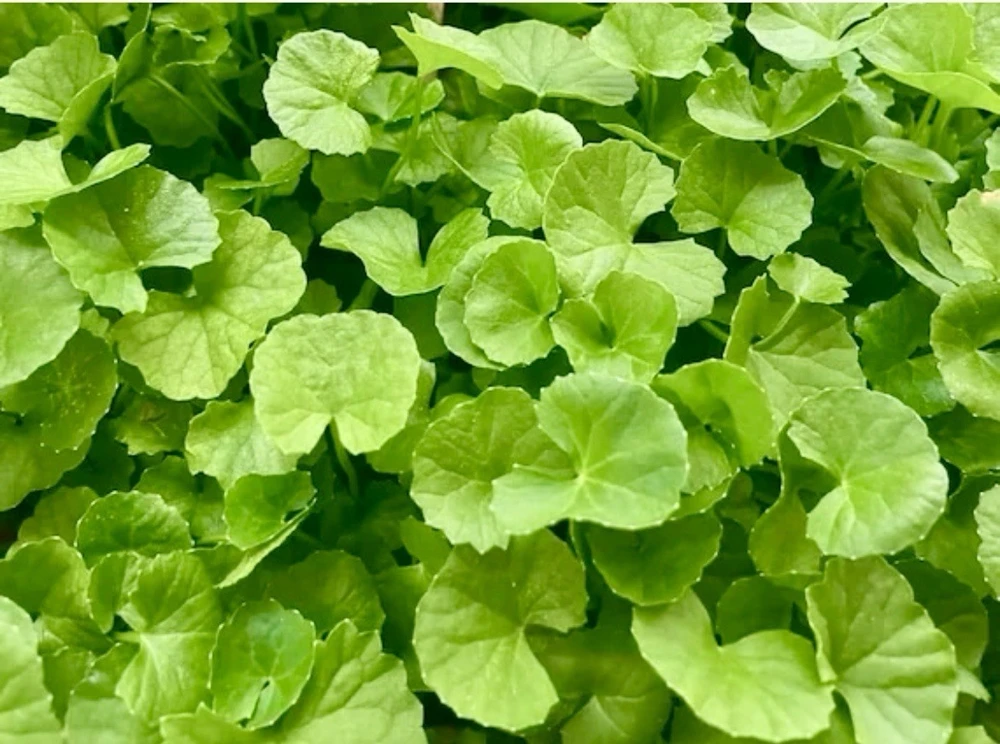
Indian Pennywort Gotu Kola Bare Root Plants – 12 Pack, Centella Asiatica, Edible, Outdoor
Original price was: 19.98 $.15.99 $Current price is: 15.99 $.
Cultivate your own supply of fresh Indian Pennywort bare root plants, also known as Gotu Kola or Centella Asiatica. This pack includes 12 healthy, ready-to-plant perennial bare roots, perfect for outdoor gardens. Enjoy the benefits of this fast-growing, edible herb known for its vibrant green foliage.
Estimated arrival
Oct 19
Oct 24 - Oct 26
Oct 26 - Oct 31
See our Shipping Policy.
Get in touch with us via email, and our team will review your concerns.
Our Alive & Thrive Guarantee covers issues with your plants within the first 30 days. Read our Refund & Returns Policy.
-
USDA Hardiness Zone
USDA zones 9-11 -
Soil Type
Rich, well-draining, moist soil -
Sunlight Exposure
Full Sun, Medium Sun -
Expected Planting Period
Spring to early summer
Overview
Discover the joy of growing your own Indian Pennywort bare root plants with this convenient pack of 12 vigorous bare roots. Also widely recognized as Gotu Kola, Centella Asiatica, or Rau Má, this remarkable perennial herb is celebrated for its distinctive round, vibrant green leaves and its robust growth habit. Originating from wetland regions of Asia, this plant thrives in a variety of environments, making it a versatile addition to many gardens. Our bare root plants are carefully selected to ensure you receive healthy, established root systems ready to spring to life in your garden. Whether you’re a seasoned gardener or just starting out, cultivating this beneficial plant is a rewarding experience.
Indian Pennywort bare root plants are known for their rapid establishment and ability to spread, creating a lush groundcover. These plants are ideal for those looking to add an edible, fast-growing, and low-maintenance herb to their outdoor space. Each bare root is a promise of new life, ready to develop into a thriving plant that will provide fresh leaves for culinary or decorative uses. Embrace the opportunity to bring this ancient and revered herb into your home garden with ease and confidence.
Key Benefits
Adding Indian Pennywort bare root plants to your garden offers a wealth of advantages, from their ease of cultivation to their distinctive characteristics. These plants are not only beautiful but also highly versatile, making them a fantastic choice for various gardening styles and needs.
- Easy to Grow: These Indian Pennywort bare root plants are incredibly resilient and require very little fuss once established. They are perfect for beginners and experienced gardeners alike, offering a high success rate with minimal effort. Their robust nature means they can adapt to different conditions, making your gardening journey more enjoyable.
- Fast-Growing Groundcover: With their rapid growth rate, these plants quickly form a dense, attractive groundcover. They are excellent for filling in खाली spaces in your garden, controlling weeds, and adding a lush, green carpet effect. Watch your garden transform as these plants spread and thrive.
- Edible & Versatile: The fresh leaves of Gotu Kola are a popular ingredient in various cuisines, particularly in Southeast Asian dishes. They can be added to salads, smoothies, or used as a garnish, offering a slightly bitter, refreshing taste. Cultivating your own ensures a fresh supply whenever you need it.
- Perennial Plant: As a perennial, your Centella Asiatica plant will return year after year, providing continuous harvests and beauty without the need for replanting each season. This makes them a sustainable and economical choice for long-term gardening enjoyment.
- Adaptable to Various Conditions: While they prefer moist conditions, these plants are quite adaptable. They can tolerate a range of sunlight exposures from full sun to partial shade, making it easier to find the perfect spot in your garden. This resilience ensures they thrive in diverse outdoor settings.
- Low Maintenance: Once established, Rau Má edible herb requires minimal care. Regular watering during dry spells and occasional feeding is usually all that’s needed to keep them healthy and vigorous. Spend less time on upkeep and more time enjoying your garden.
- Attractive Foliage: The distinctive round, coin-shaped leaves of the Gotu Kola live plant add a unique textural element to any garden bed or container. Their bright green color provides a refreshing visual appeal, enhancing the aesthetic of your outdoor space.
Plant Care & Growing Tips
Caring for your Indian Pennywort bare root plants is straightforward, making them an excellent choice for gardeners of all skill levels. To ensure your plants thrive, understanding their basic needs for sunlight, water, and soil is crucial. These plants are quite forgiving, but providing optimal conditions will lead to more vigorous growth and a healthier patch of this wonderful herb.
Sunlight:Indian Pennywort (Centella Asiatica) prefers full sun to medium sun exposure. In hotter climates, some afternoon shade can be beneficial to prevent leaf scorch, especially during the peak of summer. Aim for at least 4-6 hours of direct sunlight daily for the best growth and leaf production. If planted in too much shade, the plant may become leggy and produce fewer leaves. For outdoor cultivation, choose a spot that receives ample morning sun and potentially some dappled shade in the afternoon.
Watering: This plant loves consistently moist soil. It is native to marshy areas, so it appreciates regular watering, especially during dry periods. The soil should never be allowed to dry out completely. Water deeply when the top inch of soil feels dry to the touch. Ensure good drainage to prevent waterlogging, which can lead to root rot, but keep the soil consistently damp. During warmer months, you may need to water daily, while in cooler periods, less frequent watering will suffice.
Soil Type:Indian Pennywort bare root plants thrive in rich, well-draining soil that retains moisture. A loamy soil amended with organic matter like compost or peat moss is ideal. The pH preference is slightly acidic to neutral (6.0-7.0). Good drainage is important to prevent water from sitting around the roots, even though the plant likes moisture. If your soil is heavy clay, amend it with sand and compost to improve structure and drainage. For container planting, use a high-quality potting mix designed for herbs or moisture-loving plants.
Temperature & Hardiness: This perennial plant is generally hardy in USDA Zones 9-11. It prefers warm, humid conditions and is not frost-tolerant. In regions with colder winters, it can be grown as an annual or brought indoors before the first frost. The ideal temperature range for active growth is between 65°F and 80°F (18°C-27°C). If you live in a cooler zone, consider growing it in pots that can be moved indoors during winter.
Fertilization: While not a heavy feeder, your Centella Asiatica plant will benefit from occasional fertilization. A balanced liquid fertilizer diluted to half strength can be applied every 4-6 weeks during the active growing season (spring and summer). Alternatively, incorporating compost into the soil at the beginning of the growing season will provide a slow release of nutrients. Avoid over-fertilizing, as this can lead to excessive foliage growth at the expense of overall plant health.
Common Problems:Indian Pennywort is generally pest-resistant. However, watch out for slugs and snails, especially in moist environments, as they can chew on the leaves. Aphids might occasionally appear; these can be treated with insecticidal soap. Root rot can occur if the soil is waterlogged, so ensure proper drainage. Yellowing leaves can indicate either overwatering or nutrient deficiency, so check your watering schedule and consider a light feeding.
Size & Details
This offering includes 12 bare root plants of Indian Pennywort (Centella Asiatica, Gotu Kola, Rau Má). Each bare root is a dormant plant with a healthy root system, carefully prepared for shipping to ensure successful transplanting. Upon arrival, the roots will appear dormant and may not have visible foliage, which is normal for bare root stock. These roots are ready to be planted directly into your garden beds or containers.
Once planted, these bare roots will quickly establish themselves and begin to sprout new growth. Indian Pennywort is known for its fast-growing nature, typically forming a lush groundcover. Mature plants can spread indefinitely as a creeping perennial, reaching a height of about 6-12 inches, with individual leaves growing 1-2 inches in diameter. Expect vigorous growth throughout the warm seasons, providing a continuous supply of fresh leaves. These plants are ideal for creating a dense, edible carpet in suitable outdoor environments.
Frequently Asked Questions
- Q: How big do these Indian Pennywort bare root plants get? A: Once established, Indian Pennywort typically grows as a low-lying groundcover, reaching a height of about 6-12 inches. It spreads readily, forming a dense mat of foliage, with individual leaves usually 1-2 inches across.
- Q: What condition will the bare roots arrive in? A: Your Indian Pennywort bare root plants will arrive dormant, which is standard for bare root stock. They will consist of a healthy root system, often with no visible leaves or stems. This dormant state allows for easy, stress-free transplanting and ensures vigorous growth once planted.
- Q: Is this an indoor or outdoor plant? A: Indian Pennywort bare root plants are best suited for outdoor cultivation. They thrive in warm, humid outdoor garden conditions and can spread quite extensively. In colder climates, they can be grown as annuals or brought indoors during winter if kept in pots.
- Q: How much sunlight does the Centella Asiatica plant need? A: This plant prefers full sun to medium sun exposure, meaning at least 4-6 hours of direct sunlight per day. In very hot climates, it benefits from some afternoon shade to protect its leaves from scorching.
- Q: Is this Gotu Kola live plant easy to care for? A: Yes, Gotu Kola live plant is considered very easy to care for. It’s a robust and forgiving perennial that thrives with consistent moisture and adequate sunlight. It’s an excellent choice for beginners.
- Q: Can I use Rau Má edible herb in cooking? A: Absolutely! The leaves of this Rau Má edible herb are commonly used in various cuisines, especially in Southeast Asia. They can be added to salads, smoothies, juices, or used as a garnish, offering a unique, slightly bitter flavor.
- Q: When is the best time to plant Indian Pennywort bare root plants? A: The best time to plant bare root Indian Pennywort is in spring after the last frost, when soil temperatures have begun to warm up. This gives the plant ample time to establish itself before the peak growing season.
- Q: What kind of soil does Indian Pennywort prefer? A: Indian Pennywort thrives in rich, consistently moist, well-draining soil. Amending your soil with organic matter like compost will help retain moisture while ensuring good drainage.
- Q: Will this plant survive winter in my zone? A: Indian Pennywort is a perennial in USDA Zones 9-11. In zones colder than 9, it will likely not survive winter outdoors and should be treated as an annual or brought indoors if grown in a container.
- Q: How often should I water my Indian Pennywort? A: This plant loves moisture. Keep the soil consistently moist, but not waterlogged. Water deeply when the top inch of soil feels dry to the touch. This might mean daily watering in hot, dry weather or less frequently during cooler periods.
Be the first to review “Indian Pennywort Gotu Kola Bare Root Plants – 12 Pack, Centella Asiatica, Edible, Outdoor”
Related products


You May Like

Hardneck vs. Softneck Garlic: Which Should You Grow?
Have you ever stood in front of a seed catalog in mid-September, staring at dozens [...]
Oct

When to Plant Music Garlic: Ultimate US Fall Guide
Have you ever spent your fall weekend placing carefully chosen garlic cloves into rich, dark [...]
1 Comment
Oct

5 Best Bulbs for Fall Planting: Brighten Your Garden This Spring
Are you dreaming of a garden full of vibrant colors in the spring? The key [...]
Aug

10 Houseplants That Will Thrive in Your Kitchen
Are you tired of your kitchen feeling dull and lifeless? Want to add a little [...]
1 Comment
Aug
Reviews
There are no reviews yet.