
Jane Magnolia Shrub Live Plant – 1 Gallon Pot – Red-Purple Blooms
Original price was: 85.91 $.65.91 $Current price is: 65.91 $.
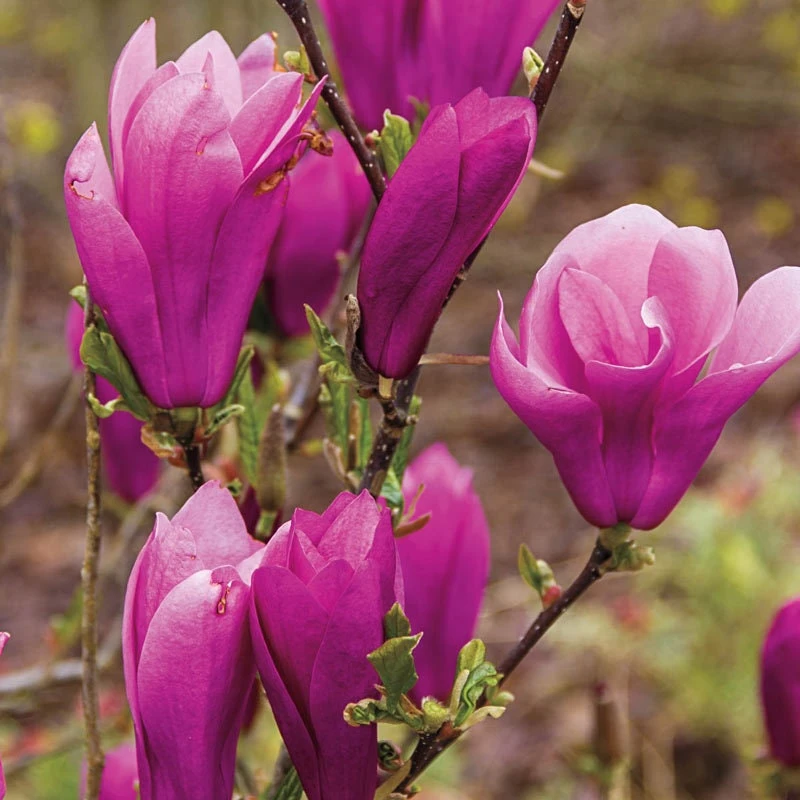
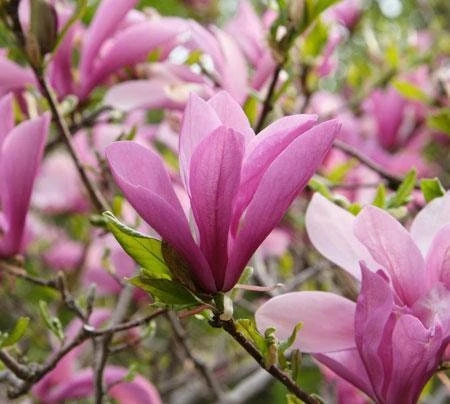
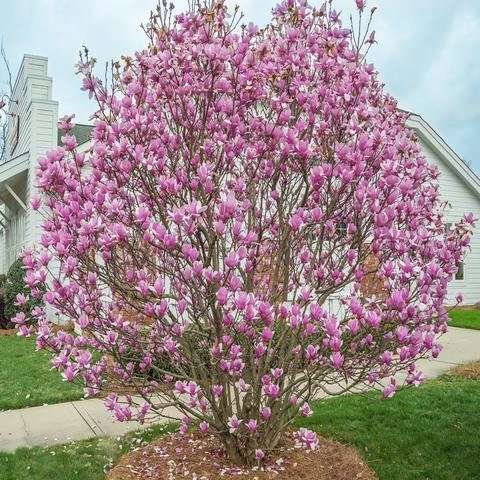
Enhance your garden with the beautiful Jane Magnolia shrub. This hardy member of the “Little Girl” group offers stunning red-purple and white tulip-shaped blooms in late spring, avoiding frost damage. Ideal as an accent or border plant, it grows well in full sun and is adaptable to various soils.
Estimated arrival
Oct 15
Oct 20 - Oct 22
Oct 22 - Oct 27
See our Shipping Policy.
Get in touch with us via email, and our team will review your concerns.
Our Alive & Thrive Guarantee covers issues with your plants within the first 30 days. Read our Refund & Returns Policy.
-
USDA Hardiness Zone
4-7 -
Soil Type
Acidic, loamy, rich, well-draining soil -
Sunlight Exposure
Full sun -
Expected Planting Period
Spring to early summer
Overview
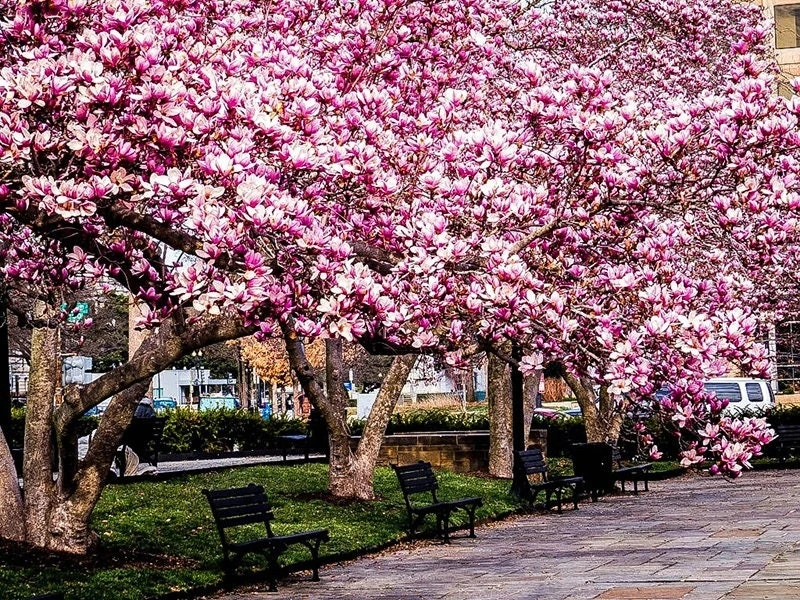
Introduce a touch of elegance and vibrant color to your landscape with the Jane Magnolia shrub. This exceptional live plant, a proud member of the renowned “Little Girl” series of hybrid magnolias, is celebrated for its unique beauty and resilience. Developed specifically to be both lovely and remarkably hardy, the Jane Magnolia is a fantastic choice for gardeners seeking a reliable and visually striking addition to their outdoor spaces. Its most captivating feature is the abundance of tulip-shaped blooms that emerge reliably in late spring. These flowers boast a striking reddish-purple hue on the outside, beautifully contrasted with a pristine white interior, creating a dramatic and eye-catching display. The delayed bloom time is a significant advantage, as it helps the plant avoid potential frost damage that can often plague earlier-blooming varieties. Whether you’re looking to create a focal point or add depth to a garden border, the Jane Magnolia live plant offers a sophisticated charm that will be admired season after season.
The Jane Magnolia shrub is known for its graceful, upright growth habit and its ability to thrive in a range of conditions. It’s a versatile plant that can be used in various landscape designs, from formal gardens to more naturalized settings. Its moderate size at maturity makes it suitable for both larger properties and more compact yards. Gardeners appreciate its low-maintenance nature once established, allowing for more enjoyment and less fuss. The beauty of its blooms, combined with its robust constitution, makes the Jane Magnolia a perennial favorite among plant enthusiasts. This plant is shipped as a healthy specimen in a gallon pot, ready to be transplanted and begin its journey in your garden.
Key Benefits
The Jane Magnolia shrub offers numerous benefits, making it a highly desirable plant for various garden styles and preferences. Its unique characteristics contribute significantly to its appeal and ease of care.
- Spectacular Late Spring Blooms: Enjoy a burst of vibrant color with tulip-shaped flowers that appear later in the spring. This timing is crucial as it helps the blooms avoid the damage caused by late-season frosts, ensuring a consistent and beautiful display each year. The striking reddish-purple exterior and white interior create a captivating visual contrast.
- Hardy and Resilient: As a member of the “Little Girl” series, this magnolia was specifically bred for enhanced hardiness. It is well-suited for a wide range of climates, thriving in USDA Zones 4-7, making it a reliable choice for many gardeners.
- Versatile Landscape Use: The moderate mature size and attractive form of the Jane Magnolia live plant make it an excellent choice for various garden applications. It performs beautifully as a standalone specimen plant, drawing attention to its unique features, or as part of an accent border, providing structure and color.
- Low Maintenance Growth: Once established, the Jane Magnolia requires relatively little intervention. Its slow growth rate means less frequent pruning is needed, allowing you to enjoy its natural form without constant upkeep.
- Adaptable to Soil Conditions: While it prefers acidic, loamy, rich, and well-drained soil, the purple magnolia tree is widely adaptable to a variety of soil types, making it forgiving for different garden environments.
- Deer Resistant: Generally, magnolias are not a preferred food source for deer, adding to its appeal in areas where deer browsing is a concern.
- Attractive Foliage: Beyond its stunning flowers, the Jane Magnolia provides lush green foliage throughout the growing season, offering an attractive backdrop for other plants and contributing to the overall beauty of your garden.
Plant Care & Growing Tips
Caring for your Jane Magnolia shrub is relatively straightforward, ensuring years of beautiful blooms and healthy growth. This hardy plant thrives with proper attention to its environmental needs. For optimal performance, plant your Jane Magnolia in a location that receives full sun, meaning at least 6 hours of direct sunlight each day. While it can tolerate partial shade, full sun exposure promotes the most abundant flowering and robust growth. Ensure the planting site has good air circulation to prevent fungal issues. The Little Girl magnolia prefers acidic, loamy, rich, and well-drained soil. If your soil is heavy clay, amend it with organic matter like compost or pine bark to improve drainage and aeration. Regular watering is important, especially during the first growing season, to establish a strong root system. Once established, it is moderately drought-tolerant but will benefit from consistent moisture during dry periods.
Fertilize your hardy magnolia zones 4-7 in early spring with a balanced, slow-release granular fertilizer formulated for acid-loving plants. Follow the product instructions for application rates. Pruning is generally minimal, primarily for shaping or removing dead or damaged branches. The best time to prune is immediately after flowering in late spring to early summer, to avoid cutting off next year’s flower buds. The Jane Magnolia is remarkably resistant to most pests and diseases, but keep an eye out for common issues like scale or powdery mildew and treat promptly if observed. Protecting young plants with mulch around the base helps retain soil moisture, regulate soil temperature, and suppress weeds. This care regimen will help your purple magnolia tree flourish and become a cherished feature in your landscape.
Size & Details
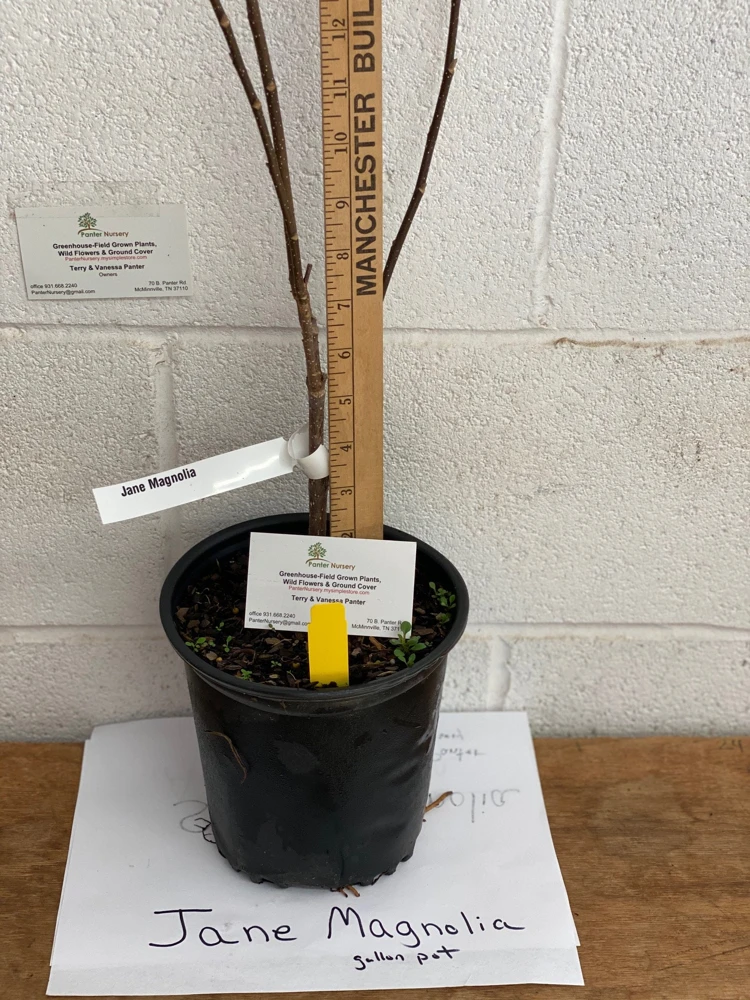
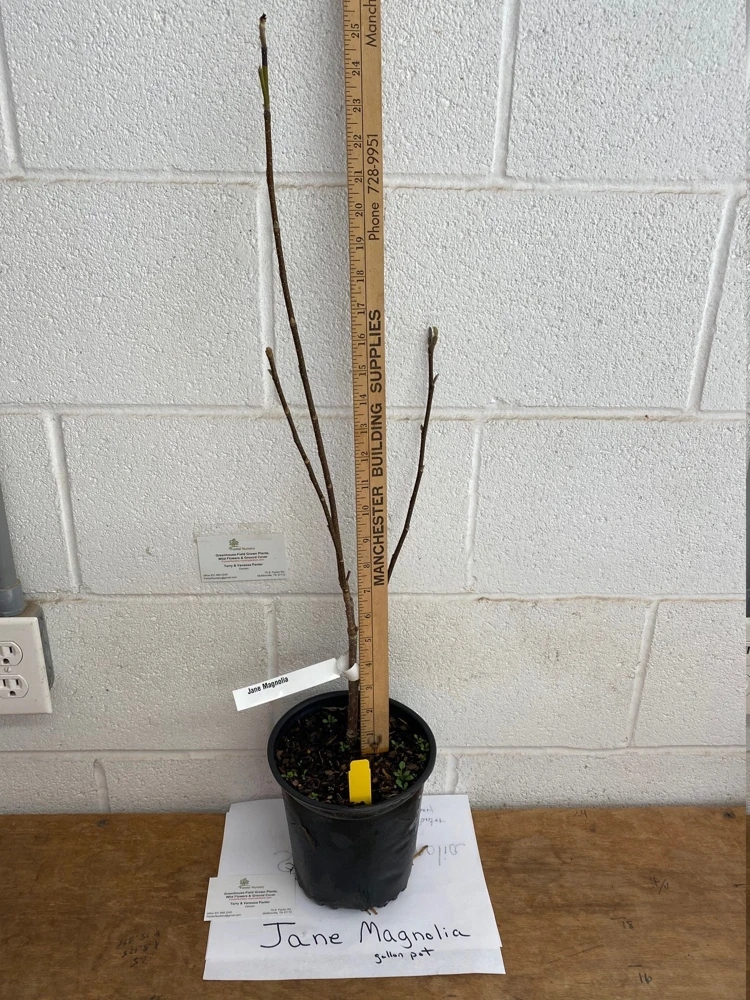
The Jane Magnolia shrub is a moderate-sized deciduous plant that offers an impressive display without overwhelming your garden space. It typically ships as a young, healthy plant, measuring approximately 12-18 inches tall, securely rooted in a 1-gallon nursery pot. This size is ideal for transplanting, allowing the plant to establish quickly in its new environment. At maturity, this magnificent shrub reaches a height of 10-15 feet tall and spreads 5-10 feet wide, forming an attractive, multi-stemmed specimen or a lovely component of a border. It exhibits a slow growth rate, with height increases of less than 12 inches per year, which contributes to its dense, well-branched structure and reduces the need for frequent pruning. The Jane Magnolia live plant is hardy in USDA Zones 4-7, demonstrating its wide adaptability to various climates. Its mature size makes it suitable for residential landscapes, providing significant visual impact as a standalone feature or when grouped with other plants. Expect the first significant blooms to appear within a few years of planting, with the plant gradually increasing its floral output as it matures.
Frequently Asked Questions
- Q: How big does the Jane Magnolia shrub get? A: The Jane Magnolia typically grows to a mature height of 10-15 feet tall and spreads 5-10 feet wide. It has a slow growth rate, increasing less than 12 inches per year.
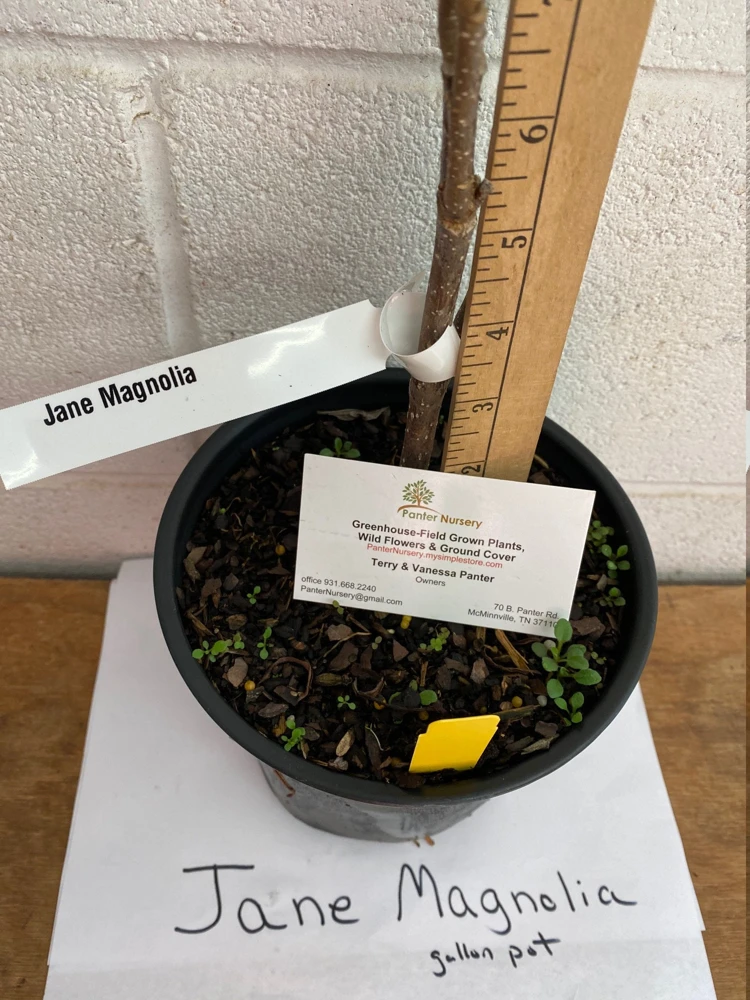
- Q: What size pot does the Jane Magnolia live plant come in? A: This Jane Magnolia is shipped as a live plant in a 1-gallon nursery pot, usually measuring between 12-18 inches tall upon arrival.
- Q: Is the Jane Magnolia shrub an indoor or outdoor plant? A: The Jane Magnolia is an outdoor plant, best suited for garden landscapes where it can receive adequate sunlight and space to grow to its mature size.
- Q: How much sunlight does the Little Girl magnolia need? A: For best flowering and growth, the Jane Magnolia requires full sun, meaning it should receive at least 6 hours of direct sunlight per day.
- Q: Is this plant easy to care for? A: Yes, the Jane Magnolia is considered relatively easy to care for, especially once established. It’s hardy and adaptable, making it a good choice for various gardening skill levels.
- Q: When is the best time for the purple magnolia tree to bloom? A: The Jane Magnolia blooms in late spring, which is beneficial as it helps avoid frost damage that can affect earlier-blooming magnolia varieties.
- Q: What USDA hardiness zones is the hardy magnolia zones 4-7 suitable for? A: The Jane Magnolia is hardy in USDA Zones 4 through 7, indicating its ability to withstand cold temperatures in those regions.
- Q: What kind of soil does the Jane Magnolia prefer? A: It thrives in acidic, loamy, rich, and well-drained soil, but it is widely adaptable to other soil types as long as drainage is good.
- Q: Can the Jane Magnolia be used as a hedge? A: While it can be used in borders, its natural growth habit makes it more suitable as an accent or specimen plant rather than a dense, formal hedge.
- Q: Will the flowers of the Jane Magnolia shrub attract pollinators? A: Yes, like many flowering trees and shrubs, the Jane Magnolia’s blooms can attract early spring pollinators such as bees.
Be the first to review “Jane Magnolia Shrub Live Plant – 1 Gallon Pot – Red-Purple Blooms”
Related products


You May Like

Hardneck vs. Softneck Garlic: Which Should You Grow?
Have you ever stood in front of a seed catalog in mid-September, staring at dozens [...]
Oct

When to Plant Music Garlic: Ultimate US Fall Guide
Have you ever spent your fall weekend placing carefully chosen garlic cloves into rich, dark [...]
1 Comment
Oct

5 Best Bulbs for Fall Planting: Brighten Your Garden This Spring
Are you dreaming of a garden full of vibrant colors in the spring? The key [...]
Aug

10 Houseplants That Will Thrive in Your Kitchen
Are you tired of your kitchen feeling dull and lifeless? Want to add a little [...]
1 Comment
Aug
Reviews
There are no reviews yet.