
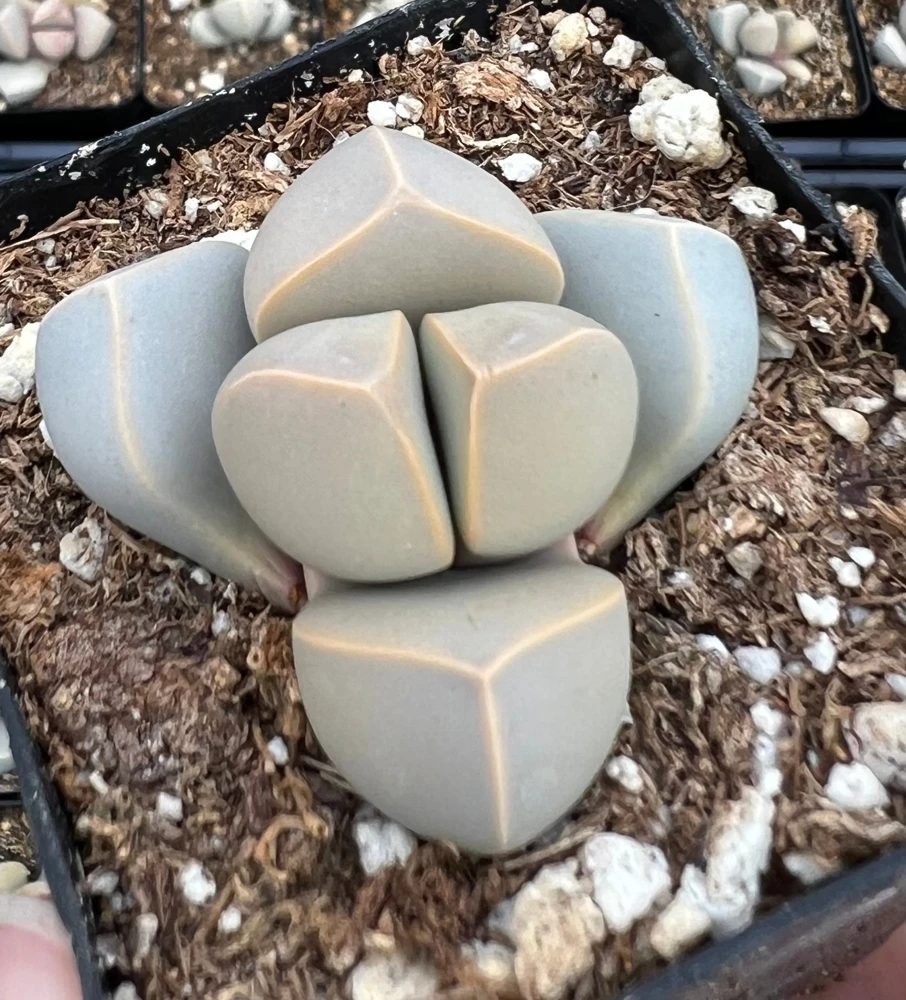
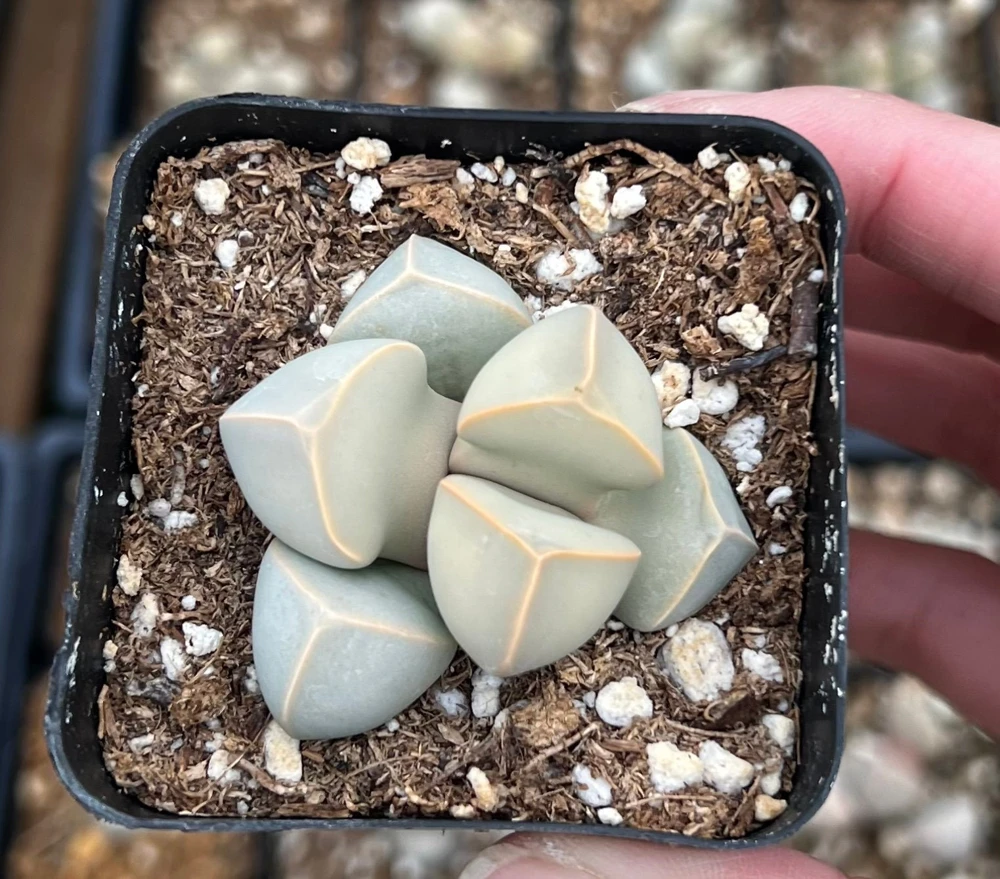
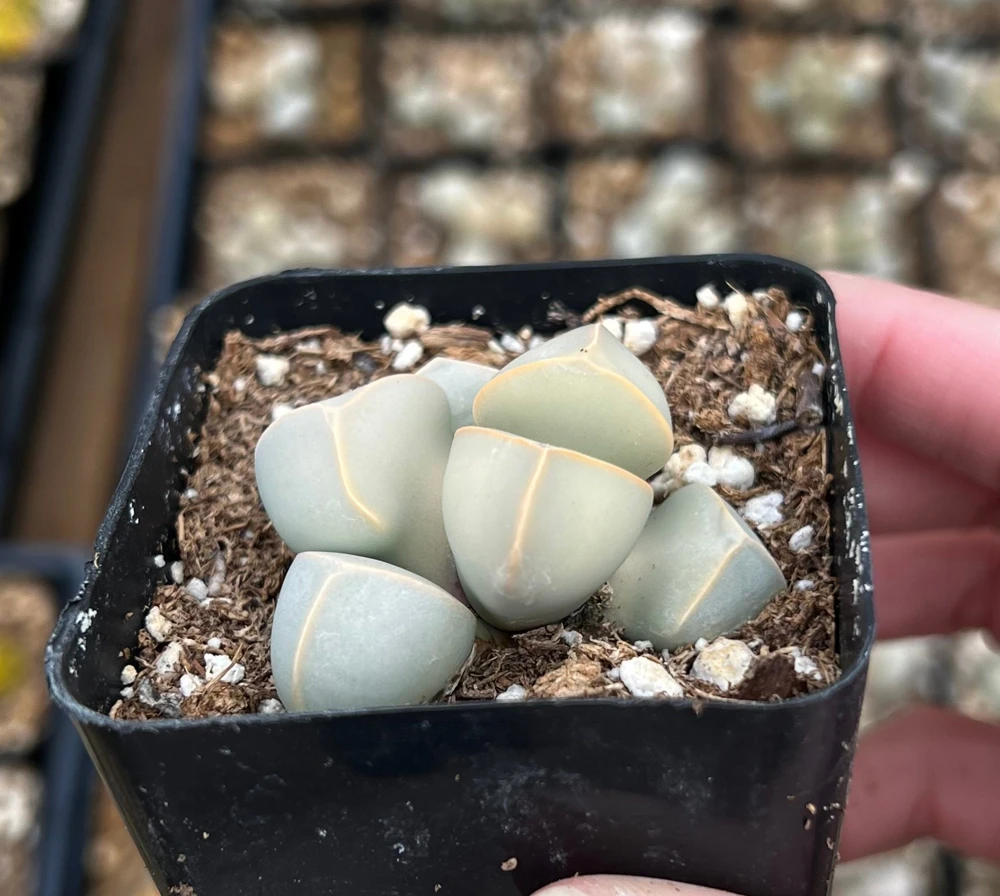
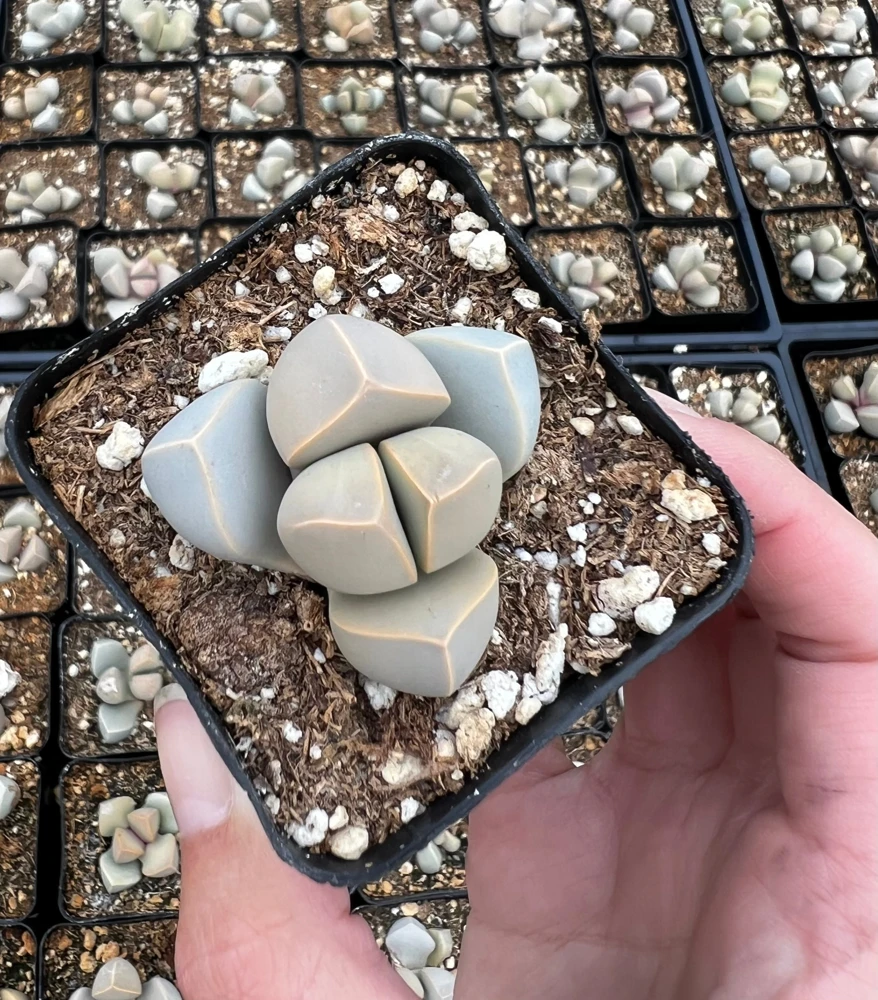
Lapidaria Margaretae Karoo Rose Split Rock Plant – 2 inch Pot – Live Succulent
Original price was: 33.55 $.13.55 $Current price is: 13.55 $.
Add a unique touch to your collection with a Lapidaria Margaretae live plant, also known as the Karoo Rose succulent. This fascinating split rock plant thrives indoors with minimal care, showcasing its distinctive stone-like appearance. Perfect for bright windowsills or succulent arrangements.
Estimated arrival
Oct 20
Oct 25 - Oct 27
Oct 27 - Nov 01
See our Shipping Policy.
Get in touch with us via email, and our team will review your concerns.
Our Alive & Thrive Guarantee covers issues with your plants within the first 30 days. Read our Refund & Returns Policy.
-
USDA Hardiness Zone
USDA zones 9-11 (indoors elsewhere) -
Soil Type
Well-draining succulent or cactus mix -
Sunlight Exposure
Bright direct sunlight -
Expected Planting Period
Year-round indoors
Overview
Introduce an extraordinary botanical specimen to your home with the Lapidaria Margaretae live plant. Often referred to as the Karoo Rose succulent or split rock plant, this captivating succulent is renowned for its remarkable resemblance to a cluster of stones, making it a true conversation starter. Native to South Africa, its unique growth habit and striking appearance make it a favorite among succulent enthusiasts and collectors. This live plant arrives in a 2-inch pot, ready to be displayed or repotted. Its compact size and low-maintenance nature make it an ideal choice for urban gardeners or those seeking a distinctive, drought-tolerant addition to their indoor plant collection.
The Lapidaria Margaretae live plant is a true living jewel, providing an exotic and serene presence. Its unusual form and subtle coloration blend seamlessly into various decor styles, from modern minimalist to rustic. This succulent offers a fascinating glimpse into the diversity of the plant kingdom, embodying resilience and beauty in a small package. Cultivating a Karoo Rose succulent is a rewarding experience, as its slow growth allows you to appreciate its intricate details over time.
Key Benefits
The Lapidaria Margaretae live plant offers a range of benefits that make it a superb choice for any plant lover. Its unique characteristics contribute to its appeal and ease of care, providing lasting enjoyment.
- Distinctive Aesthetic: The primary benefit of the Karoo Rose succulent is its unparalleled appearance, mimicking colorful stones. This makes it an eye-catching focal point in any plant display or terrarium, adding an element of natural artistry to your space.
- Low Maintenance: As a desert native, this split rock plant is exceptionally drought-tolerant and requires minimal watering. It’s an ideal plant for busy individuals or those new to succulent care, requiring infrequent attention to thrive.
- Compact Size: Perfect for small spaces, desks, windowsills, or succulent arrangements. Its naturally small stature means it won’t outgrow its spot quickly, making it a stable and enduring decor element.
- Air Purification: Like many succulents, the Lapidaria Margaretae contributes to healthier indoor air by absorbing toxins and releasing oxygen, especially at night.
- Collector’s Item: For succulent enthusiasts, this plant is a highly sought-after species due to its unique growth and relatively uncommon availability, making it a prized addition to any collection.
- Stress Reduction: The presence of plants, especially unique ones like the Lapidaria Margaretae live plant, has been shown to reduce stress and improve overall well-being, fostering a calmer home environment.
- Hardy and Resilient: Known for its robust nature, this succulent can withstand various indoor conditions, making it a forgiving plant that will flourish with proper basic care.
Plant Care & Growing Tips
Caring for your Lapidaria Margaretae live plant is straightforward, making it an excellent choice even for beginner succulent growers. The key to its health lies in replicating its natural desert environment as closely as possible. Provide plenty of light and be cautious with watering to prevent rot, which is the most common issue for these plants.
Sunlight Requirements: The Karoo Rose succulent thrives in bright, direct sunlight. Place it in a south-facing window where it can receive at least 4-6 hours of direct sun daily. If direct sunlight is not possible, a very bright indirect light source or a grow light supplement will be necessary to prevent etiolation (stretching). Insufficient light can cause the plant to lose its compact, stone-like form. Watering Schedule: This split rock plant is extremely sensitive to overwatering. Water thoroughly but infrequently. Allow the soil to dry out completely between waterings, and then wait an additional week or two before watering again. During its active growing season (typically fall to spring), water more consistently, but always check the soil. During its summer dormancy, watering should be minimal or ceased entirely. When the old leaves are being absorbed by new ones, do not water until the old leaves are completely shriveled. Soil Type and Drainage: Use a very well-draining succulent or cactus potting mix. A good mix often includes pumice, perlite, or coarse sand to ensure excellent drainage and aeration. A pot with a drainage hole is absolutely essential to prevent root rot. Temperature Range and Hardiness: Lapidaria Margaretae prefers warm temperatures, ideally between 65-80°F (18-27°C). It can tolerate cooler temperatures down to about 40°F (4°C) but should be protected from frost. It is generally grown as an indoor plant in most regions. Fertilization: Fertilize sparingly, if at all. A diluted, low-nitrogen succulent fertilizer can be applied once or twice during the active growing season (fall-spring). Over-fertilization can harm the plant. Common Problems: The most common problem is overwatering, leading to rot. Ensure proper drainage and a dry period between waterings. Pests are generally not a major issue, but inspect occasionally for mealybugs or spider mites, treating with insecticidal soap if necessary.
Size & Details
This Lapidaria Margaretae live plant is supplied in a 2-inch nursery pot, making it a perfect starter size for your collection. At maturity, these unique succulents typically reach a height of 1-2 inches and a width of 2-3 inches, forming compact clumps of stone-like leaves. Its slow growth rate means it will maintain its charming, small stature for an extended period, ideal for desktop displays or miniature gardens. The plant will arrive healthy and actively growing, securely packaged to ensure its safe journey to your home. Expect to see its distinctive split leaves and, occasionally, beautiful yellow or orange daisy-like flowers during its blooming season, adding another layer of allure to this already fascinating unique indoor succulents.
Frequently Asked Questions
- Q: How big does this Lapidaria Margaretae live plant get? A: This Lapidaria Margaretae live plant typically grows to a compact size, usually reaching about 1-2 inches in height and 2-3 inches in width. Its slow growth habit ensures it remains a manageable and charming addition to small spaces.
- Q: Is this an indoor or outdoor plant? A: While it can be grown outdoors in very specific arid climates (USDA zones 9-11), the Karoo Rose succulent is primarily cultivated as an indoor plant in most regions. It thrives in bright indoor light conditions.
- Q: Is this split rock plant easy to care for? A: Yes, the split rock plant is considered relatively easy to care for, especially for those familiar with succulents. The main key is to avoid overwatering and provide ample sunlight.
- Q: What condition will it arrive in? A: Your Lapidaria Margaretae will arrive as a healthy, live plant in its 2-inch nursery pot, carefully packaged to minimize stress during transit. It will be ready to be placed in its new home upon arrival.
- Q: How much sunlight does the Lapidaria Margaretae need? A: This succulent requires abundant bright, direct sunlight, ideally 4-6 hours daily. A south-facing window is often best for indoor growing to ensure it maintains its compact form and vibrant color.
- Q: When is the best time to water my Karoo Rose succulent? A: Water your Karoo Rose succulent only when the soil has completely dried out, and then wait an additional week or two. It’s crucial to let the soil remain dry for an extended period to prevent root rot.
- Q: Can I repot my Lapidaria Margaretae immediately? A: It’s generally best to allow your new Lapidaria Margaretae live plant to acclimate to its new environment for a week or two before attempting to repot it. When you do repot, use a well-draining succulent mix.
- Q: What kind of soil is best for this unique indoor succulents? A: A specialized succulent or cactus potting mix that provides excellent drainage is ideal for this unique indoor succulents. You can also amend regular potting soil with perlite or pumice to improve drainage.
- Q: Is this plant suitable for succulent collector plants? A: Absolutely! The Lapidaria Margaretae live plant is highly prized among succulent collector plants due to its distinctive appearance, relatively uncommon nature, and fascinating growth cycle.
- Q: Will my split rock plant flower? A: Yes, with proper care and sufficient sunlight, your split rock plant can produce beautiful yellow or orange daisy-like flowers, typically in the fall or winter months.
Be the first to review “Lapidaria Margaretae Karoo Rose Split Rock Plant – 2 inch Pot – Live Succulent”
Related products

Succulents
Donkey Ears Succulent Live Plant – Large Kalanchoe Gastonis-Bonnieri Rare Indoor Outdoor Succulent


Succulents
Pink Desert Rose Plant Live Adenium, 4 Inch Tall Perennial Succulent, Outdoor Flowering Tree


You May Like

Hardneck vs. Softneck Garlic: Which Should You Grow?
Have you ever stood in front of a seed catalog in mid-September, staring at dozens [...]
Oct

When to Plant Music Garlic: Ultimate US Fall Guide
Have you ever spent your fall weekend placing carefully chosen garlic cloves into rich, dark [...]
1 Comment
Oct

5 Best Bulbs for Fall Planting: Brighten Your Garden This Spring
Are you dreaming of a garden full of vibrant colors in the spring? The key [...]
Aug

10 Houseplants That Will Thrive in Your Kitchen
Are you tired of your kitchen feeling dull and lifeless? Want to add a little [...]
1 Comment
Aug
Reviews
There are no reviews yet.