
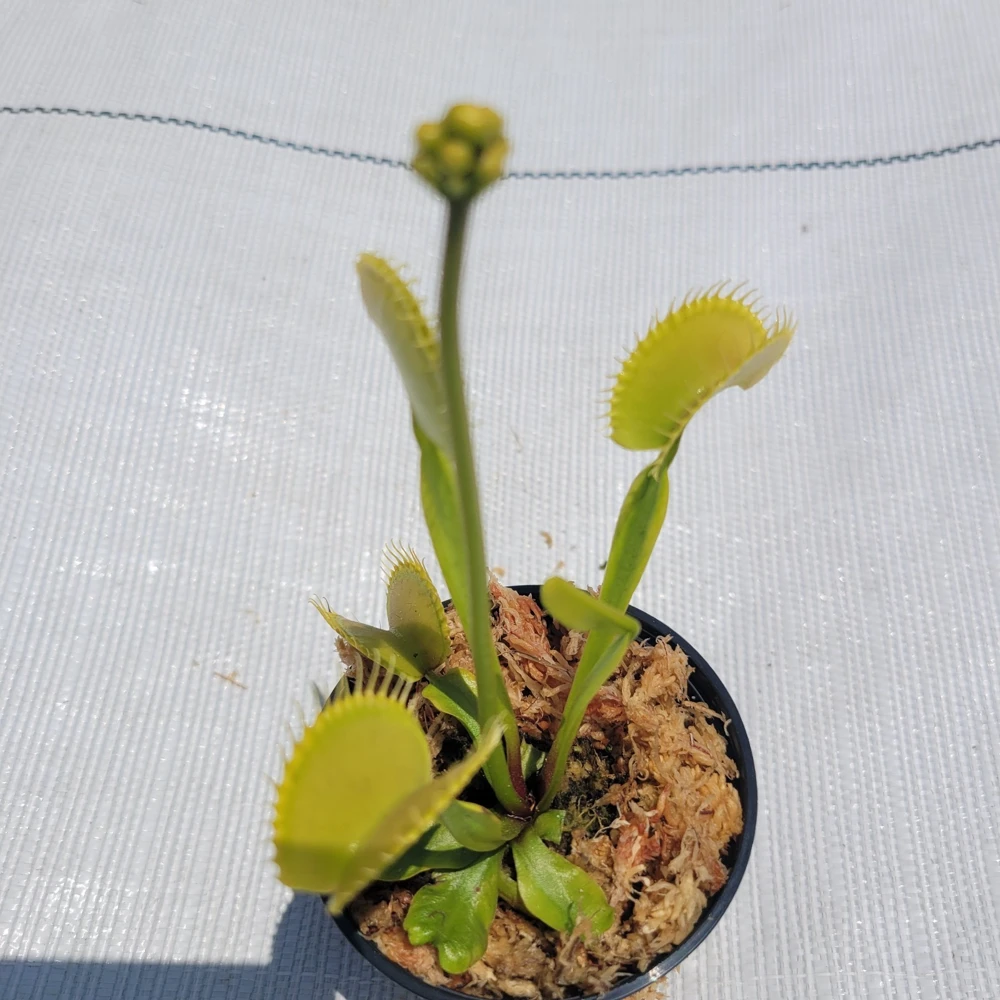
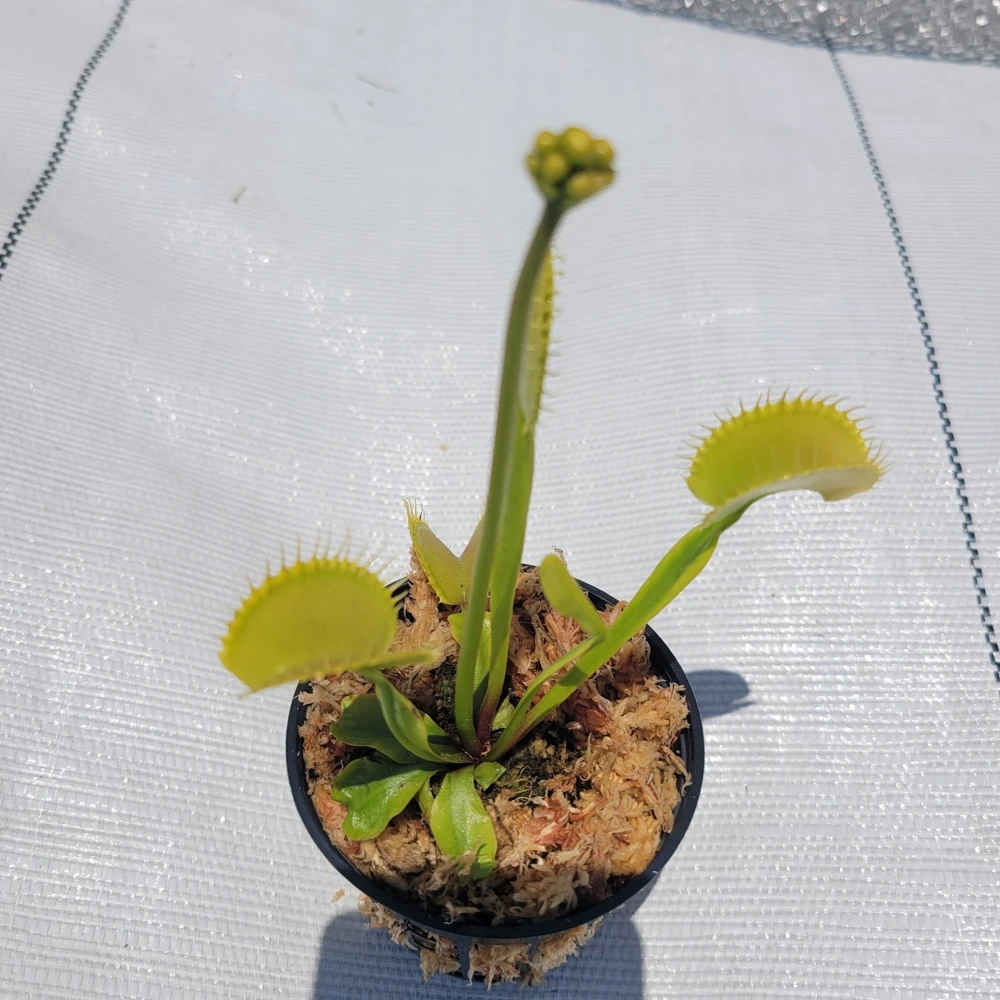
Large ‘Towering Giant’ Venus Flytrap Live Plant – Carnivorous – Indoor/Outdoor
Original price was: 83.99 $.58.99 $Current price is: 58.99 $.
Bring home the impressive towering giant venus flytrap, a striking carnivorous plant known for its large, active traps. Perfect for both indoor and outdoor environments, this live plant offers a unique and educational addition to any collection. Enjoy easy care and fascinating insect-catching action.
Estimated arrival
Oct 17
Oct 22 - Oct 24
Oct 24 - Oct 29
See our Shipping Policy.
Get in touch with us via email, and our team will review your concerns.
Our Alive & Thrive Guarantee covers issues with your plants within the first 30 days. Read our Refund & Returns Policy.
-
USDA Hardiness Zone
9 (20 to 30 °F) -
Soil Type
Peat -
Sunlight Exposure
Full Sun -
Expected Planting Period
year-round indoors, spring to summer outdoors
Overview
Introducing the magnificent towering giant venus flytrap, a truly captivating carnivorous plant that stands out with its exceptionally large traps. This live plant, scientifically known as Dionaea muscipula, is a favorite among plant enthusiasts and beginners alike due to its dramatic insect-catching abilities and relatively straightforward care. Originating from the subtropical wetlands of North and South Carolina, the Venus Flytrap has evolved to thrive in nutrient-poor soils by supplementing its diet with insects. The ‘Towering Giant’ cultivar is particularly prized for its robust size and vigorous growth, making it a spectacular focal point in any indoor or outdoor plant collection. Each plant is a healthy specimen, ready to display its unique predatory charm and contribute to a healthier environment by naturally controlling small insect populations. If you’re looking for a truly unique and interactive plant, the large venus flytrap plant is an excellent choice.
This particular variety, the ‘Towering Giant’, is renowned for developing larger traps compared to standard Venus Flytraps, giving it a more imposing and impressive appearance. It’s a deciduous perennial, meaning it will go through a dormant period in winter, which is a natural and necessary part of its life cycle. During this time, it may appear less vigorous, but with proper care, it will re-emerge with renewed growth in spring. Whether you’re a seasoned collector of carnivorous plants or just starting, this fly trap live plant offers an engaging and rewarding growing experience. Its vibrant green color and intricate trap design make it a living piece of art, constantly adapting and reacting to its surroundings.
Key Benefits
The towering giant venus flytrap offers a multitude of benefits beyond its striking appearance, making it a fantastic addition to any home or garden. Its unique characteristics provide both aesthetic appeal and practical advantages.
- Natural Insect Control: This carnivorous plant is an expert at catching and digesting small insects like flies, mosquitoes, and gnats. It provides an eco-friendly and fascinating way to manage pests without chemicals, contributing to a cleaner living space.
- Educational & Engaging: Observing the Venus Flytrap in action is a truly captivating experience. It’s an excellent educational tool for children and adults, demonstrating the wonders of nature and adaptation. Watching its traps snap shut is always a thrill.
- Unique Aesthetic Appeal: With its vibrant green foliage and distinct, hinged traps, the ‘Towering Giant’ adds an exotic and intriguing element to any plant collection. It’s a conversation starter and a living sculpture that changes with its environment.
- Low Maintenance (with proper conditions): Once its specific environmental needs are met, the large venus flytrap plant is surprisingly easy to care for. It doesn’t require frequent feeding from you, as it will catch its own prey.
- Adaptable to Indoor & Outdoor Settings: This versatile plant can thrive both indoors on a sunny windowsill or outdoors in a bog garden or patio container, provided it receives adequate sunlight and appropriate soil and water conditions.
- Pet and Child Safe: Unlike many houseplants, the Venus Flytrap is generally considered non-toxic to pets and children, making it a safer choice for family environments. You can enjoy its unique beauty without worry.
- Promotes Biodiversity: By supporting a specialized plant like the dionaea muscipula giant, you contribute to the understanding and appreciation of unique ecosystems and biodiversity, even in a small way within your own home.
Plant Care & Growing Tips
Caring for your towering giant venus flytrap involves understanding its specific needs to ensure it thrives and maintains its impressive carnivorous abilities. The key to success lies in replicating its natural bog-like habitat. Sunlight is paramount; this plant requires at least 4-6 hours of direct sunlight daily to produce vibrant colors and strong traps. If growing indoors, a south-facing window is ideal, or you can supplement with a strong grow light for 12-16 hours per day. Insufficient light will result in pale, weak growth and smaller, less active traps. When grown outdoors, ensure it’s in a location where it receives full sun for most of the day.
Watering is another critical aspect. Venus Flytraps need consistently moist soil, but not waterlogged. The best method is to use the tray method: place the pot in a tray filled with about 1-2 inches of distilled water, rainwater, or reverse osmosis water. Tap water, even filtered, often contains minerals and salts that can be harmful to the plant over time, leading to mineral burn and eventual decline. Allow the tray to dry out occasionally before refilling to prevent root rot, but never let the soil dry out completely. Humidity is also beneficial, especially indoors, which can be achieved with a humidity tray or by grouping it with other plants.
For soil, a nutrient-poor, acidic mix is essential. A common and effective blend is a 50/50 mix of sphagnum peat moss (without added fertilizers or wetting agents) and perlite or horticultural sand. Never use standard potting soil or compost, as the nutrients will burn the roots and kill the plant. Fertilization is generally not needed, as the plant obtains its nutrients from the insects it catches. If it’s not catching enough insects, you can occasionally feed it small, live insects. The carnivorous plant care routine also includes a winter dormancy period. As days shorten and temperatures drop, the plant will slow its growth and some traps may die back. During dormancy, reduce watering slightly but keep the soil moist, and move the plant to a cooler location (35-55°F). This rest period is vital for its long-term health and vigor. Protect it from hard freezes if outdoors in colder zones.
Size & Details
The towering giant venus flytrap is known for its robust size and impressive trap development. While individual plant sizes can vary depending on age and growing conditions, mature specimens typically reach a diameter of 4-6 inches, with individual traps growing up to 1.5-2 inches in length under optimal care. This larger trap size is what gives the ‘Towering Giant’ its distinctive name and makes it particularly effective at catching larger insects compared to standard varieties. The plant is shipped as a healthy, established live plant, usually in a nursery pot, ready for you to acclimate to its new environment. Expect healthy green foliage and active traps upon arrival, though some minor stress from shipping is normal and the plant will recover quickly with proper care.
This particular cultivar exhibits a moderate growth rate, gradually expanding its rosette of traps throughout the growing season. The plant’s overall size will be influenced by light, water quality, and the duration of its dormancy. With adequate sunlight and consistent moisture from distilled water, you can expect your dionaea muscipula giant to display vigorous growth and impressive trap coloration. The plant form is a compact rosette, making it suitable for windowsills, terrariums, or bog gardens. It’s a deciduous plant, meaning its leaves and traps will naturally die back during its winter dormancy, only to re-emerge stronger in the spring. This natural cycle is crucial for the plant’s long-term health and vitality.
Frequently Asked Questions
- Q: How big does this towering giant venus flytrap get? A: The ‘Towering Giant’ Venus Flytrap can reach a diameter of 4-6 inches, with individual traps growing up to 1.5-2 inches long. Its size depends on growing conditions and age, but it is known for larger traps than standard varieties.
- Q: Is this an indoor or outdoor plant? A: The towering giant venus flytrap can thrive both indoors and outdoors. Indoors, it needs a very sunny spot like a south-facing window or a strong grow light. Outdoors, it performs best in full sun in a bog garden or container.
- Q: How much sunlight does a fly trap live plant need? A: This plant requires a minimum of 4-6 hours of direct sunlight daily. More sunlight usually leads to larger, more vibrantly colored traps and healthier growth.
- Q: Is this plant easy to care for? A: While Venus Flytraps have specific needs, they are considered relatively easy to care for once you understand their requirements for light, water (distilled/rainwater only), and appropriate soil. Consistency is key for good carnivorous plant care.
- Q: What condition will the large venus flytrap plant arrive in? A: Your Venus Flytrap will arrive as a healthy, live plant, typically potted. It will be carefully packaged to minimize stress during transit, though some minor leaf or trap adjustments may occur.
- Q: How long until it blooms? A: Mature Venus Flytraps typically bloom in late spring to early summer. The plant sends up a tall flower stalk with small white flowers. Many growers opt to cut the flower stalk to conserve the plant’s energy for trap production.
- Q: Will it survive winter in my zone? A: The Venus Flytrap requires a winter dormancy period and is hardy in USDA Zones 8-10. In colder zones, it must be brought indoors and kept cool (35-55°F) during winter. In warmer zones, it can remain outdoors but may need protection from extreme cold.
- Q: What type of water should I use for my dionaea muscipula giant? A: Always use distilled water, rainwater, or reverse osmosis water. Tap water contains minerals that can harm the plant over time. Use the tray method to keep the soil consistently moist.
- Q: Is the Venus Flytrap safe for pets and children? A: Yes, the Venus Flytrap is generally considered non-toxic to pets and children. It’s a safe and fascinating plant to have in a family environment.
- Q: What kind of soil does it need? A: Venus Flytraps require a nutrient-poor, acidic soil mix. A common mix is 50% sphagnum peat moss (no added fertilizers) and 50% perlite or horticultural sand. Never use regular potting soil.
Be the first to review “Large ‘Towering Giant’ Venus Flytrap Live Plant – Carnivorous – Indoor/Outdoor”
Related products


HousePlants
Variegated Houseplant Pink Princess Philodendron Live Plant 4-8 Inches Tropical Well Rooted
You May Like

Hardneck vs. Softneck Garlic: Which Should You Grow?
Have you ever stood in front of a seed catalog in mid-September, staring at dozens [...]
Oct

When to Plant Music Garlic: Ultimate US Fall Guide
Have you ever spent your fall weekend placing carefully chosen garlic cloves into rich, dark [...]
1 Comment
Oct

5 Best Bulbs for Fall Planting: Brighten Your Garden This Spring
Are you dreaming of a garden full of vibrant colors in the spring? The key [...]
Aug

10 Houseplants That Will Thrive in Your Kitchen
Are you tired of your kitchen feeling dull and lifeless? Want to add a little [...]
1 Comment
Aug
Reviews
There are no reviews yet.