

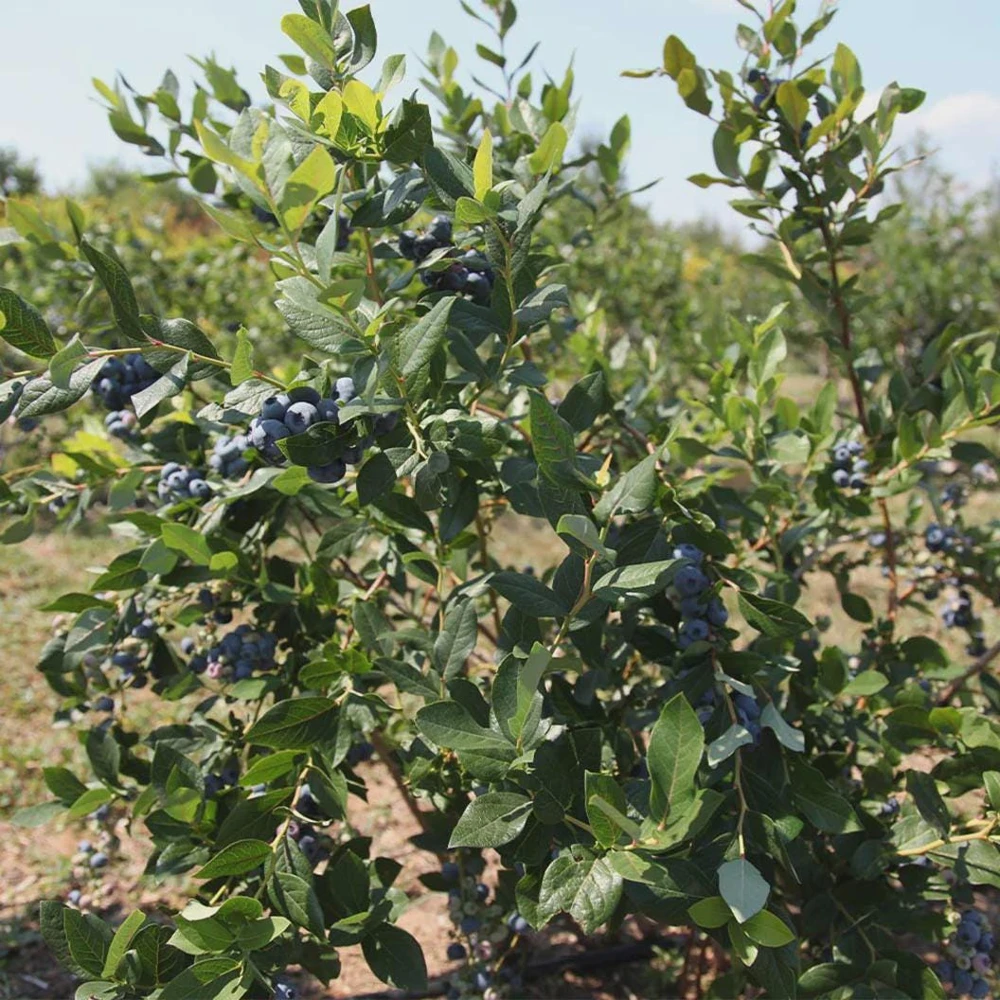
Legacy Blueberry Live Plant – 4 inch Pot – Outdoor Fruit Shrub
Original price was: 43.91 $.23.91 $Current price is: 23.91 $.
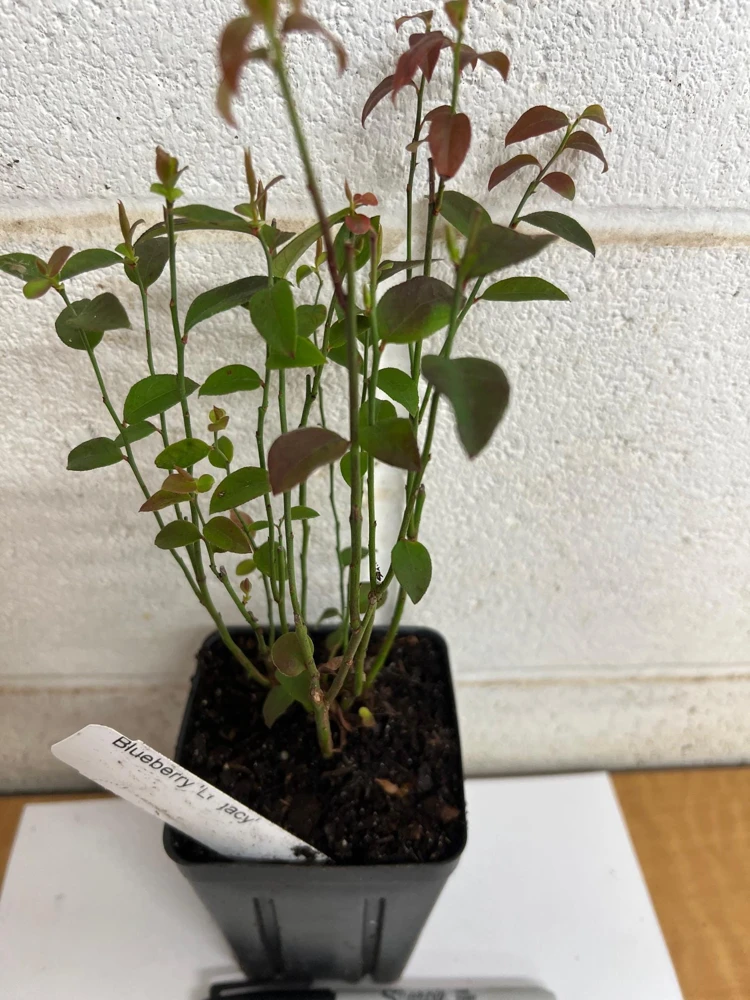
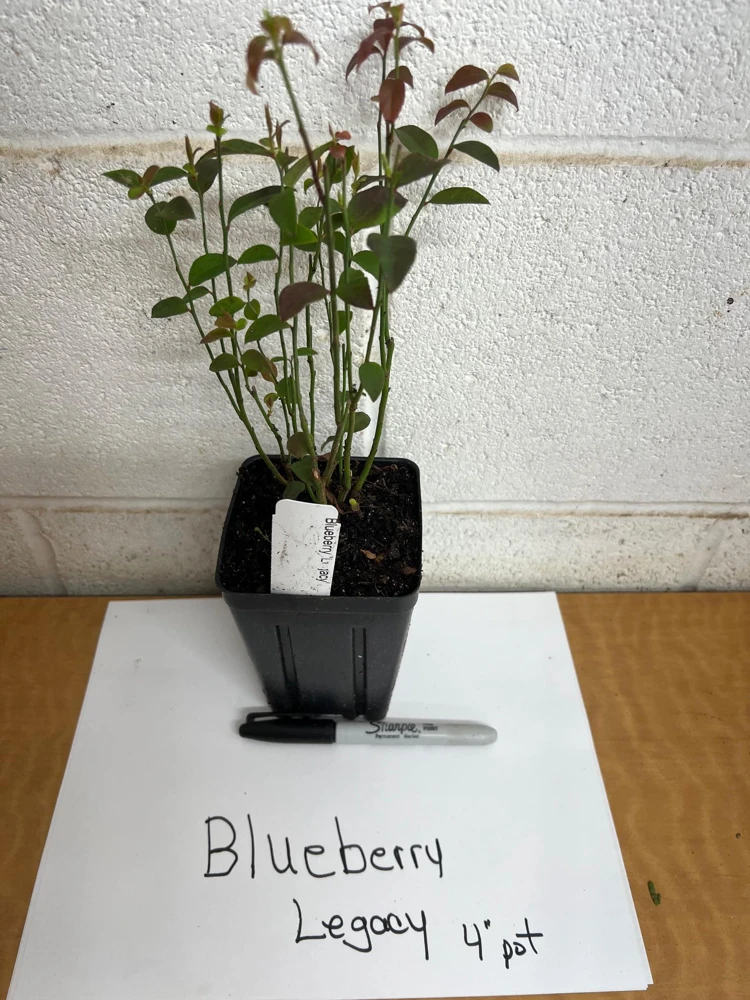
Cultivate your own harvest of delicious, high-yielding legacy blueberry live plant. This robust legacy blueberry live plant comes in a convenient 4-inch pot, ready for planting in your garden or a larger container. Enjoy sweet, firm berries perfect for fresh eating, baking, or preserves.
Estimated arrival
Oct 15
Oct 20 - Oct 22
Oct 22 - Oct 27
See our Shipping Policy.
Get in touch with us via email, and our team will review your concerns.
Our Alive & Thrive Guarantee covers issues with your plants within the first 30 days. Read our Refund & Returns Policy.
-
USDA Hardiness Zone
USDA zones 5-8 -
Soil Type
Acidic, well-draining loam or sandy soil -
Sunlight Exposure
Full sun (6-8 hours daily) -
Expected Planting Period
Spring to early summer
Overview
Bring the joy of homegrown fruit to your garden with the exceptional legacy blueberry live plant. This particular variety, known for its reliable yields and delicious fruit, is a fantastic choice for both novice and experienced gardeners. Our legacy blueberry live plant arrives healthy and ready to thrive, carefully nurtured in a 4-inch pot. Legacy blueberries are celebrated for their firm texture, sweet flavor, and excellent storage qualities, making them a popular choice for fresh consumption, baking, and freezing. This deciduous shrub will add ornamental value to your landscape while providing a bountiful harvest year after year. Prepare to enjoy a summer filled with fresh, juicy blueberries straight from your own backyard.
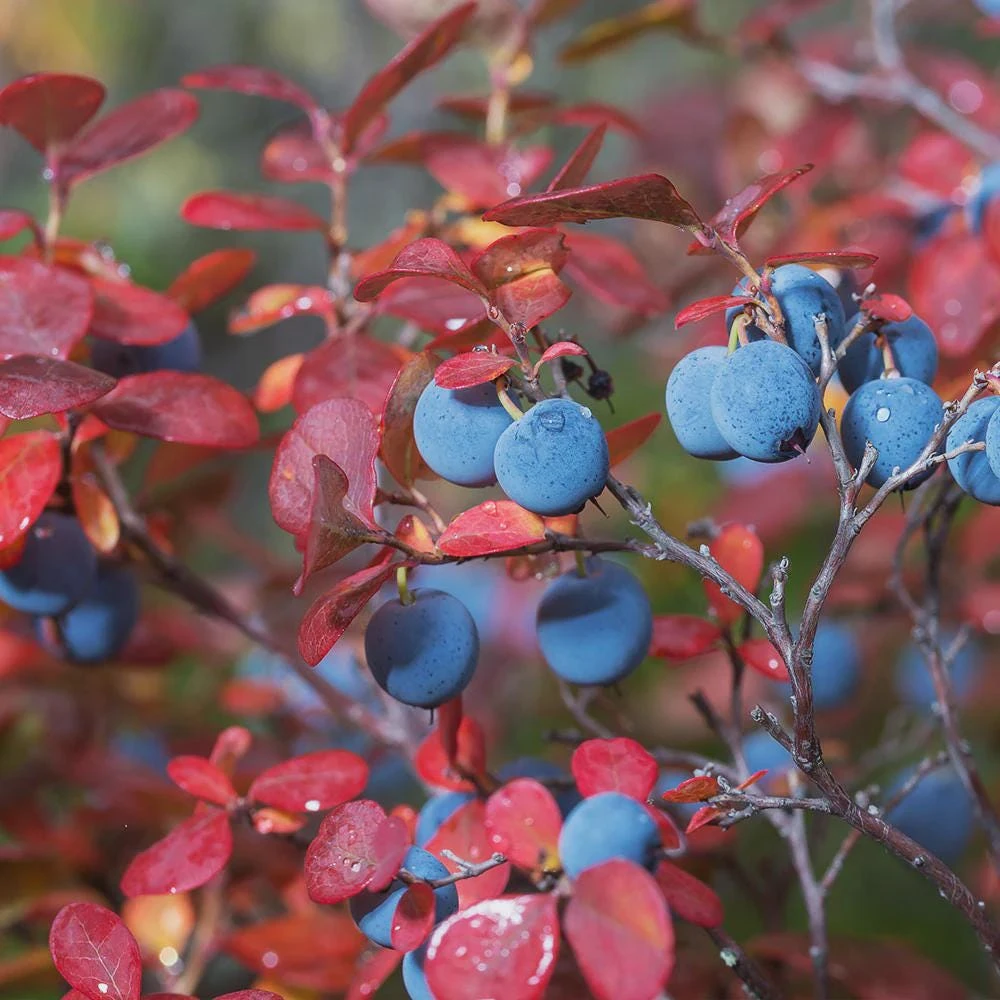
The Legacy blueberry (Vaccinium corymbosum ‘Legacy’) is a high-chill variety, meaning it requires a certain number of cold hours in winter to produce fruit optimally. This makes it particularly well-suited for temperate climates. Its upright growth habit and attractive foliage, which turns a lovely reddish hue in autumn before shedding for winter, make it a beautiful addition to edible landscapes or dedicated berry patches. Investing in a legacy blueberry live plant means investing in years of delicious, nutritious fruit for your family.
Key Benefits
The legacy blueberry live plant offers numerous advantages for the home gardener, combining ornamental beauty with a generous yield of delectable fruit. Here are some of the key benefits you can expect:
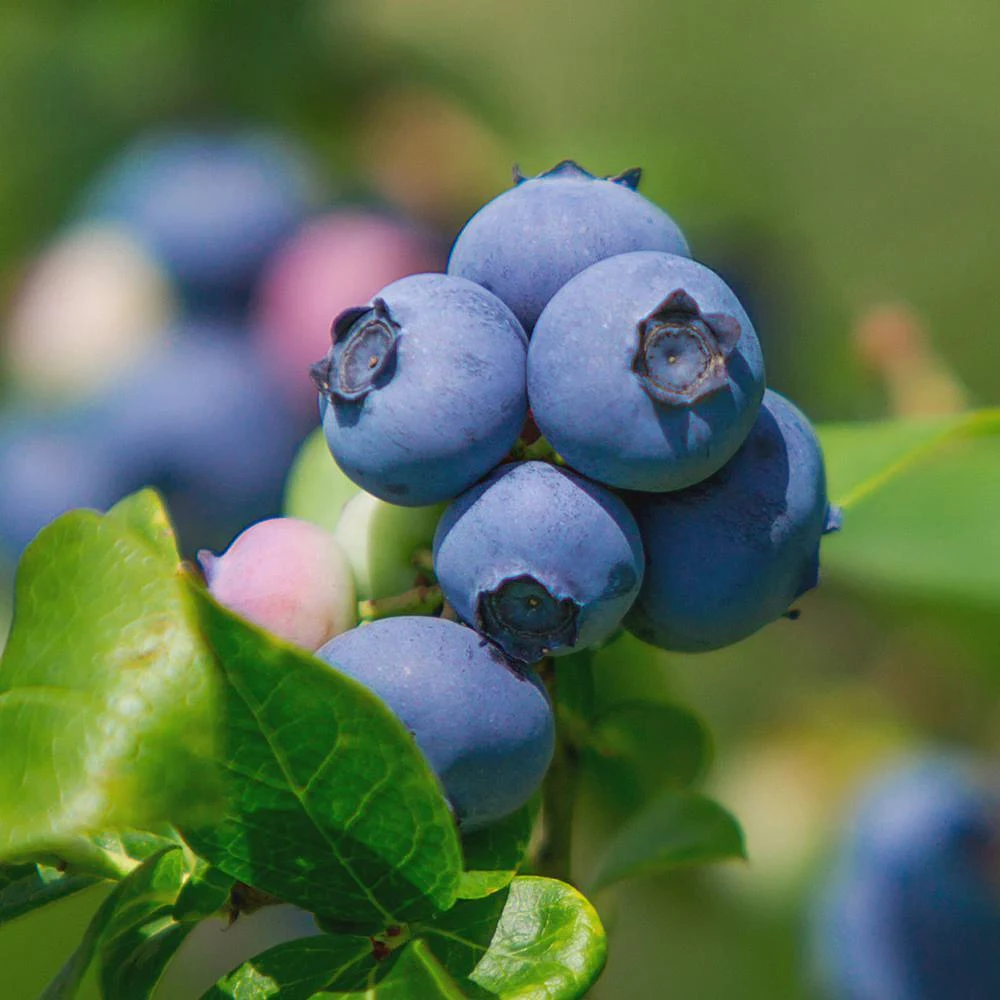
- Abundant, High-Quality Fruit: Legacy blueberries are renowned for producing a large crop of medium-sized, firm, and exceptionally sweet berries. These berries are perfect for eating fresh, adding to cereals, baking into pies and muffins, or preserving for later enjoyment.
- Excellent Flavor Profile: Experience the classic, rich blueberry taste with every bite. The sweetness is balanced, making them a favorite for many culinary applications. Growing your own ensures the freshest, most flavorful fruit possible.
- Versatile Garden Addition: Beyond their fruit, these plants offer attractive foliage that provides seasonal interest. They can be integrated into edible landscapes, grown in dedicated berry patches, or even cultivated in large containers on patios.
- Good Storage Life: The firm texture of Legacy blueberries contributes to their longer shelf life compared to some other varieties, allowing you to enjoy your harvest for an extended period after picking.
- Nutrient-Rich Harvest: Blueberries are packed with antioxidants, vitamins, and fiber, contributing to a healthy diet. Harvesting your own means you get the freshest, most potent nutritional benefits.
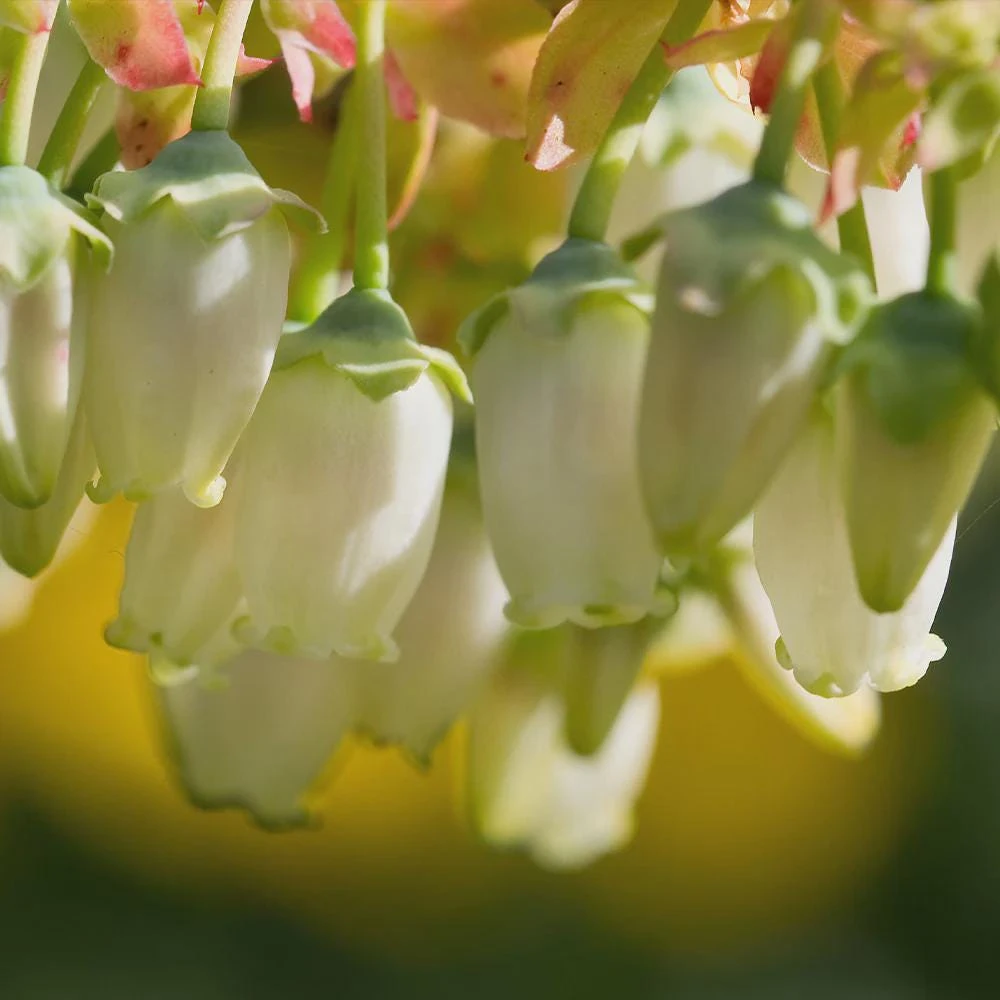
- Supports Pollinators: The delicate white-pink flowers that appear in spring are a valuable food source for local pollinators like bees, contributing to a healthier garden ecosystem.
- Relatively Easy to Grow: With the right soil conditions and care, growing legacy blueberries is a rewarding experience. They are generally robust plants that, once established, require moderate maintenance.
Plant Care & Growing Tips
Proper care is essential for a thriving legacy blueberry live plant and a bountiful harvest. These plants prefer specific conditions to perform their best. Start by choosing a location that receives full sun, meaning at least 6-8 hours of direct sunlight daily. Adequate sunlight is crucial for fruit production and overall plant health. Ensure the area has excellent air circulation to prevent fungal diseases.
Soil and Water: Blueberries thrive in acidic soil with a pH between 4.5 and 5.5. If your soil is not naturally acidic, amendments like elemental sulfur, peat moss, or pine bark can be incorporated. The soil should be well-drained, fertile loam or sandy loam. Avoid heavy clay soils that retain too much moisture. Consistent moisture is vital; aim for about 1-2 inches of water per week, either from rainfall or irrigation. The soil should remain consistently moist but never soggy, as this can lead to root rot. Mulching with pine needles, wood chips, or sawdust can help retain soil moisture, suppress weeds, and maintain soil acidity.
Temperature and Humidity: Legacy blueberries are deciduous and require a period of winter chill to produce fruit. They are generally hardy in USDA Zones 5-8, but specific chill hour requirements should be checked for your region. Ideal growing temperatures are between 65°F and 85°F during the growing season. They are tolerant of typical humidity levels. In winter, the plant will lose its leaves and enter dormancy, which is a natural and necessary part of its life cycle for future fruit production. Understanding blueberry plant care, especially regarding soil pH and watering, is key to success.
Fertilization: Fertilize your legacy blueberry live plant in early spring before new growth begins, and again after the fruit has set. Use an acid-loving plant fertilizer, such as one formulated for rhododendrons or azaleas, or a specific blueberry fertilizer. Avoid fertilizers containing nitrates, which can be harmful to blueberries. Follow package instructions carefully regarding application rates. Pruning should be done in late winter or early spring while the plant is dormant. Remove any dead, diseased, or weak canes, and thin out older, less productive canes to encourage new growth and better fruit production. This essential step ensures good yields and maintains plant vigor. Learning how to grow blueberries successfully involves careful attention to these details.
Size & Details
This legacy blueberry live plant is supplied in a 4-inch nursery pot, providing a healthy root system ready for transplanting. At the time of shipment, the plant typically stands between 6-12 inches tall, depending on seasonal growth. Legacy blueberry shrubs are known for their upright growth habit, eventually reaching a mature height of 5-6 feet tall and a spread of 4-5 feet wide. They are medium-fast growers, establishing themselves well within the first few years after planting.
You can expect your plant to begin producing fruit within 1-2 years of planting, with significant yields typically starting in the third year. The fruit ripens in mid-season, usually around July in most regions. This plant is shipped as a live, actively growing specimen, carefully packaged to ensure its safe arrival. Upon receiving your legacy blueberry shrub, it’s best to plant it into its permanent location or a larger container as soon as possible to minimize transplant shock and encourage vigorous growth.
Frequently Asked Questions
- Q: How big does this legacy blueberry live plant get? A: This plant is shipped in a 4-inch pot, typically 6-12 inches tall. At maturity, a legacy blueberry live plant can reach 5-6 feet in height and 4-5 feet in width, forming a substantial fruit-bearing shrub in your garden.
- Q: Is this an indoor or outdoor plant? A: The Legacy blueberry is an outdoor plant. It requires a period of winter dormancy and full sun exposure to produce fruit, making it unsuitable for long-term indoor cultivation. It thrives in garden settings.
- Q: How much sunlight does it need? A: For optimal fruit production and plant health, your legacy blueberry live plant needs at least 6-8 hours of direct sunlight per day. Choose a sunny location in your garden.
- Q: Is this plant easy to care for? A: While blueberries have specific soil pH and watering requirements, they are generally considered moderately easy to care for once these conditions are met. Consistent moisture and acidic soil are key to successful growing legacy blueberries.
- Q: What condition will it arrive in? A: Your legacy blueberry live plant will arrive as a healthy, actively growing plant in its 4-inch nursery pot. It will be carefully packaged to protect it during transit.
- Q: How long until it produces fruit? A: You can expect your legacy blueberry live plant to start producing a small amount of fruit in 1-2 years, with more significant yields typically beginning in the third year after planting.
- Q: Will it survive winter in my zone? A: Legacy blueberries are hardy in USDA Zones 5-8. If you are within these zones, your plant should survive winter and enter dormancy, which is necessary for fruit production the following season.
- Q: What kind of soil does it need? A: This plant thrives in well-drained, acidic soil with a pH between 4.5 and 5.5. Amend your soil with peat moss or elemental sulfur if it’s not naturally acidic.
- Q: Do I need more than one plant for fruit? A: While Legacy blueberries are self-fertile and can produce fruit with just one plant, planting multiple varieties of blueberries can often lead to increased yields and larger berries due to cross-pollination.
- Q: When is the best time to plant this blueberry? A: The best time to plant your legacy blueberry live plant is in early spring or fall, allowing it to establish its root system before extreme summer heat or winter cold.
Be the first to review “Legacy Blueberry Live Plant – 4 inch Pot – Outdoor Fruit Shrub”
Related products


You May Like

Hardneck vs. Softneck Garlic: Which Should You Grow?
Have you ever stood in front of a seed catalog in mid-September, staring at dozens [...]
Oct

When to Plant Music Garlic: Ultimate US Fall Guide
Have you ever spent your fall weekend placing carefully chosen garlic cloves into rich, dark [...]
1 Comment
Oct

5 Best Bulbs for Fall Planting: Brighten Your Garden This Spring
Are you dreaming of a garden full of vibrant colors in the spring? The key [...]
Aug

10 Houseplants That Will Thrive in Your Kitchen
Are you tired of your kitchen feeling dull and lifeless? Want to add a little [...]
1 Comment
Aug
Reviews
There are no reviews yet.