
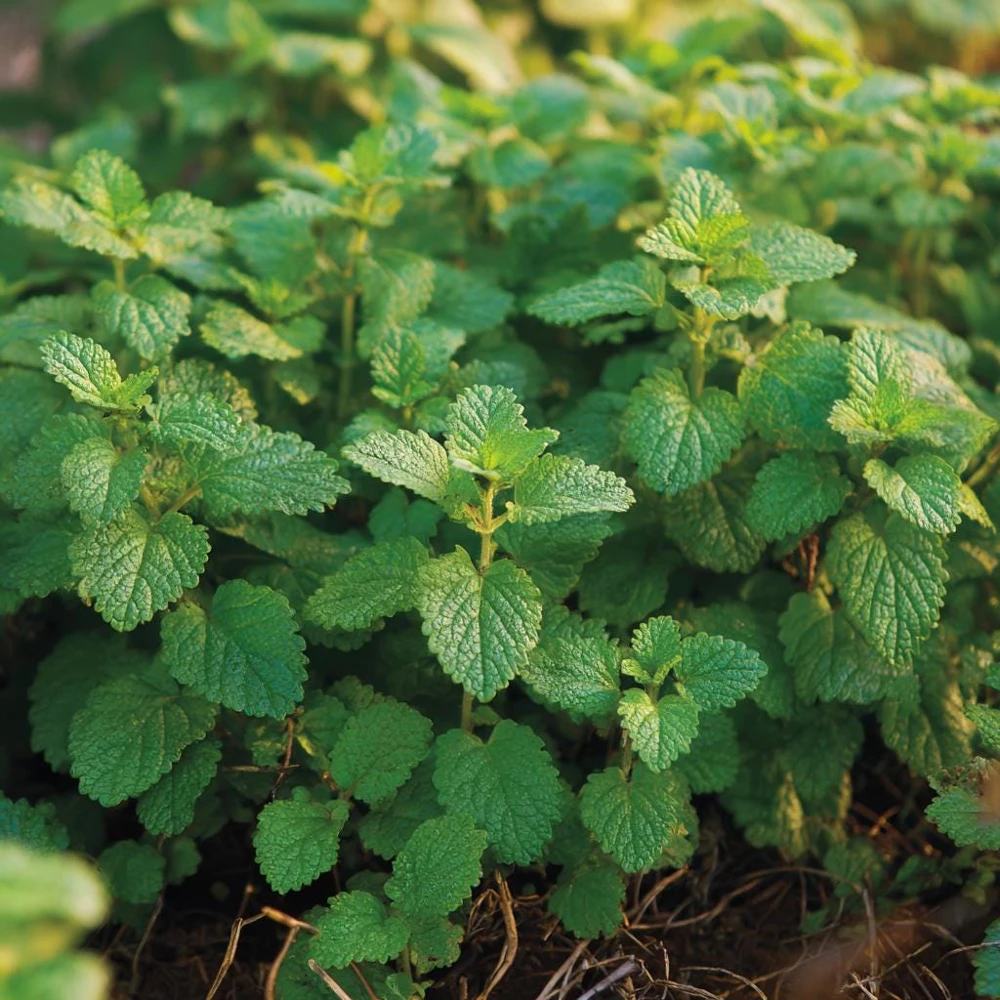
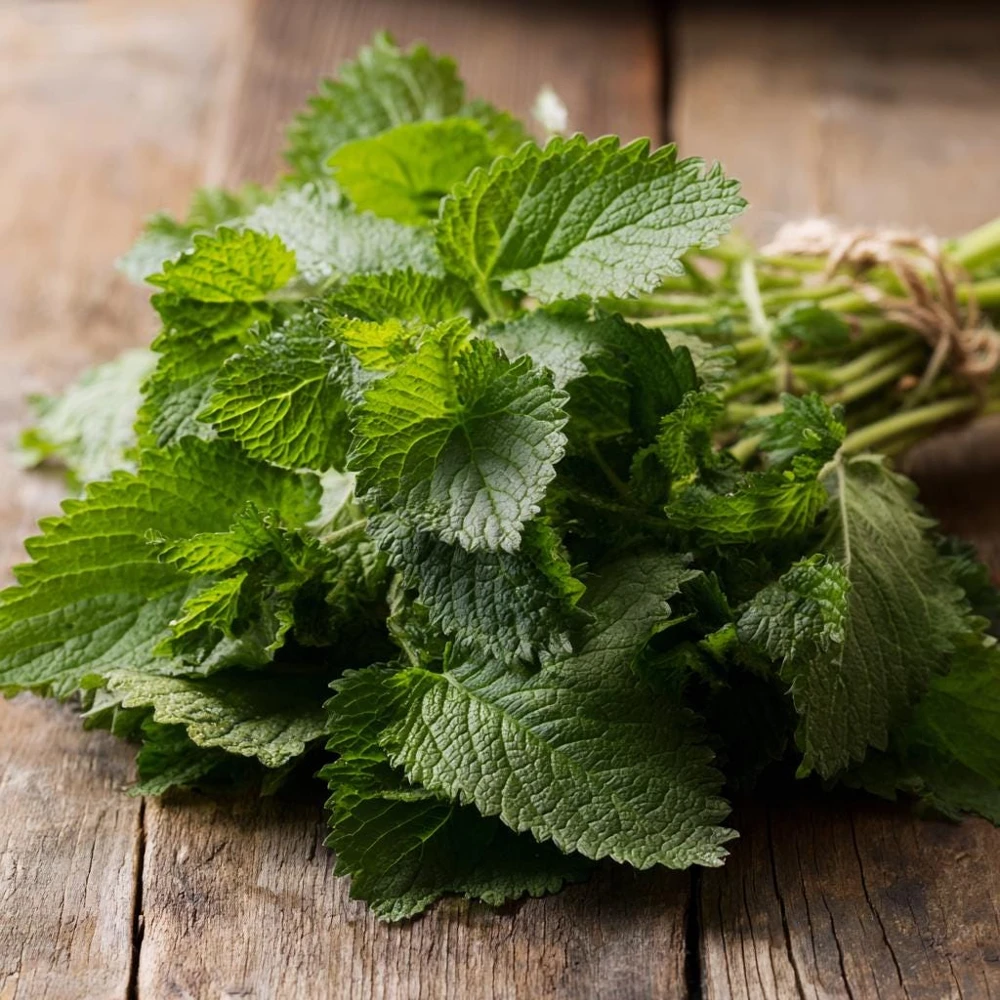
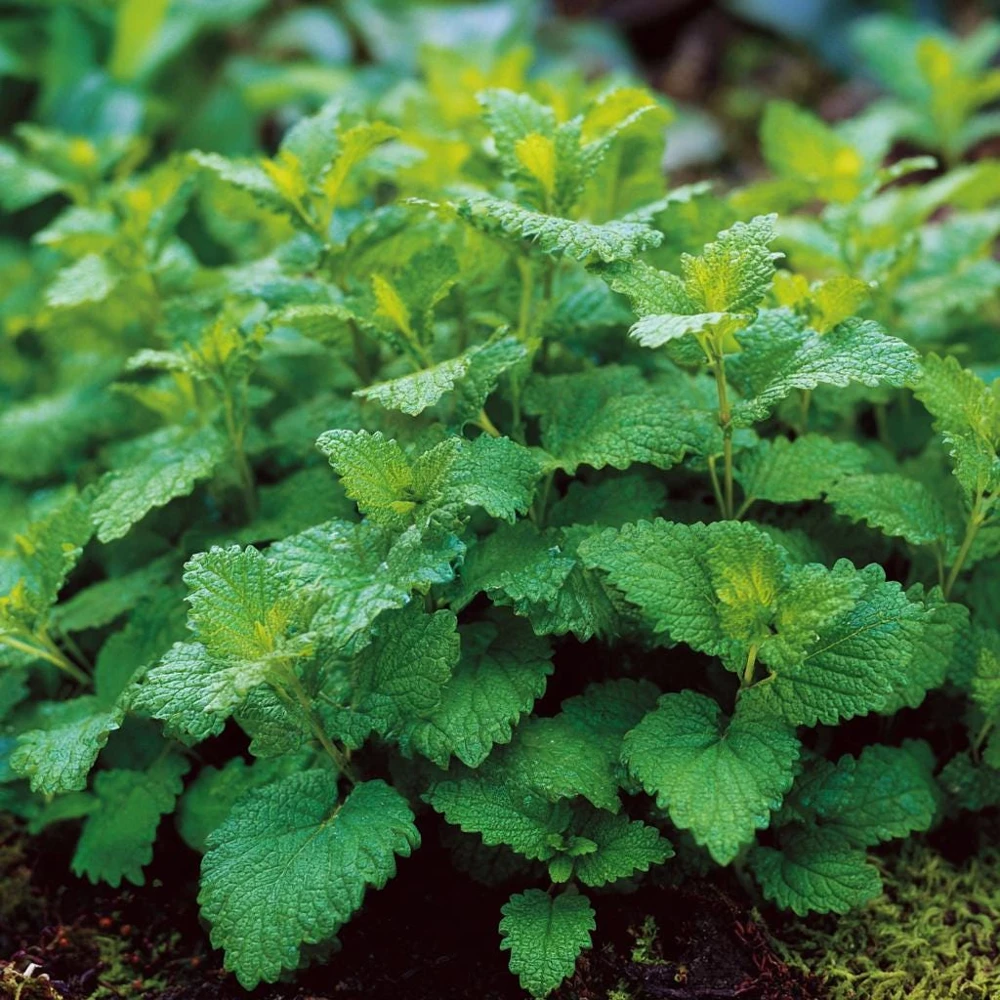
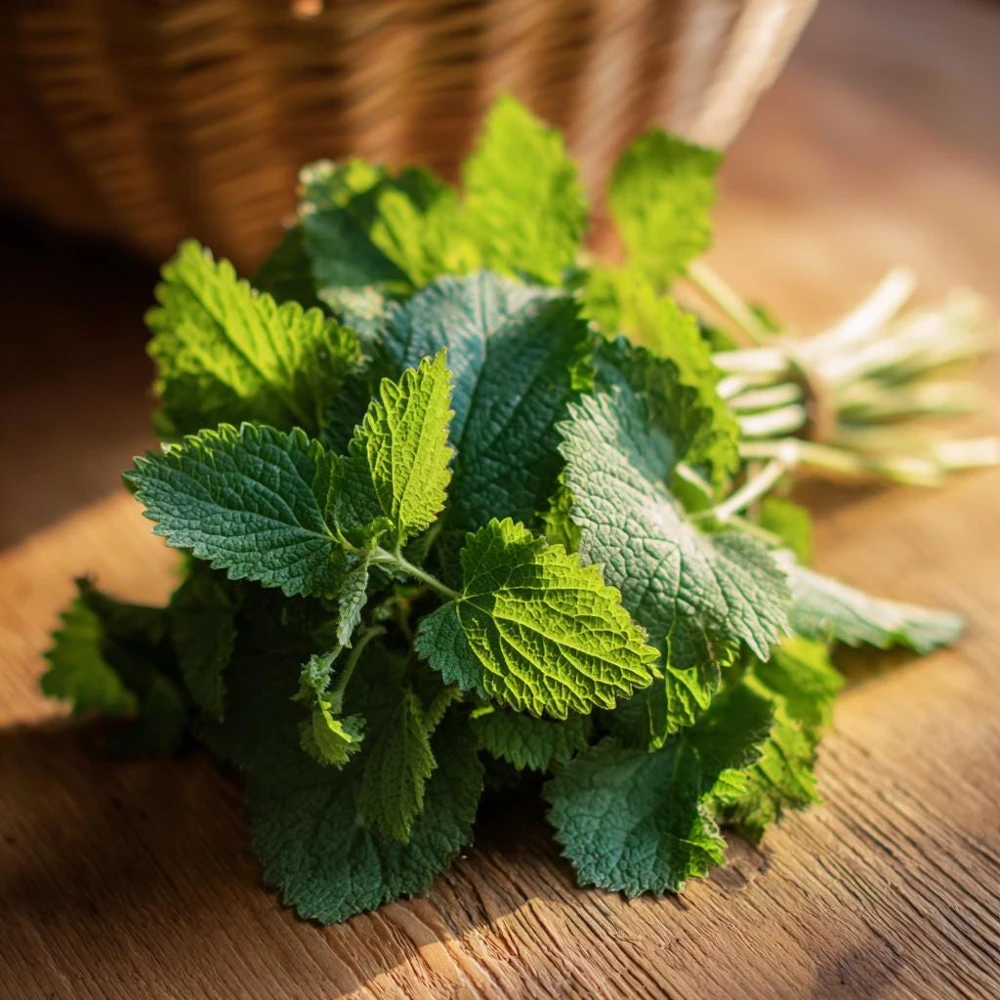
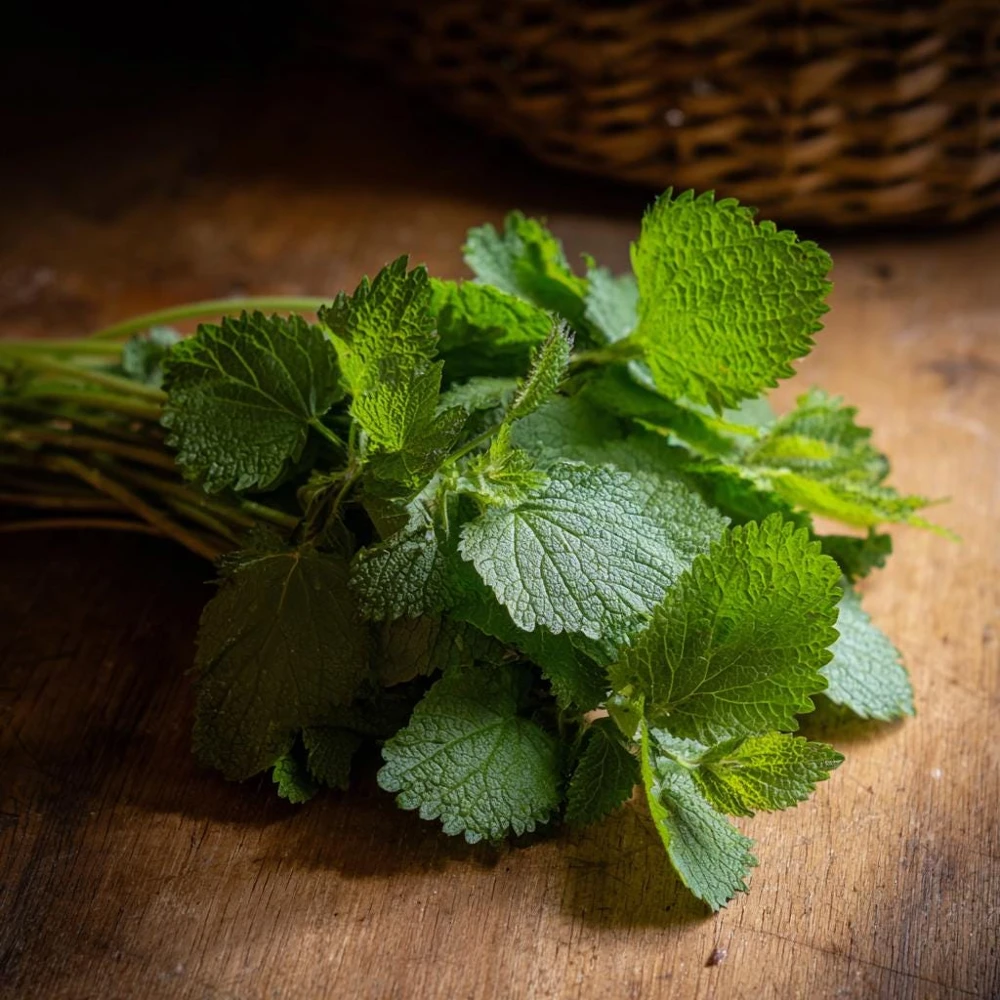
Lemon Balm Seeds – Melissa officinalis, Fragrant Tea Herb – 150 Count Packet
Original price was: 32.99 $.12.99 $Current price is: 12.99 $.
Cultivate your own aromatic garden with our lemon balm seeds. This packet contains 150 seeds of Melissa officinalis, known for its refreshing citrus scent and versatile uses as a fragrant tea herb and culinary ingredient. Easy to grow lemon balm from seed.
Estimated arrival
Sep 18
Sep 23 - Sep 25
Sep 25 - Sep 30
See our Shipping Policy.
Get in touch with us via email, and our team will review your concerns.
Our Alive & Thrive Guarantee covers issues with your plants within the first 30 days. Read our Refund & Returns Policy.
-
USDA Hardiness Zone
USDA Zones 4-9 -
Soil Type
Well-draining soil, loamy -
Sunlight Exposure
Full sun to partial shade -
Expected Planting Period
Spring to early summer
Overview
Discover the joy of growing your own aromatic herbs with our premium lemon balm seeds. This packet contains 150 high-quality seeds of Melissa officinalis, a beloved perennial herb known for its gentle lemony fragrance and a myriad of uses. Often referred to simply as lemon balm, this plant is a member of the mint family and is celebrated for its soothing properties and delightful scent. Cultivating melissa officinalis seeds is a rewarding experience, offering both aesthetic pleasure and practical benefits for your home and garden. Whether you’re an experienced gardener or just starting, these seeds provide an accessible way to introduce this versatile herb into your life. Enjoy the fresh aroma and flavor of homegrown lemon balm for teas, culinary creations, or simply as a beautiful addition to your herb garden.
Our lemon balm seeds are carefully selected to ensure a high germination rate, making it easier for you to successfully grow lemon balm. This resilient plant thrives in various conditions and is a fantastic choice for anyone looking to add a low-maintenance yet highly beneficial herb to their collection. The delicate white or pale pink flowers attract pollinators, adding beauty and life to your garden space. Embrace the natural goodness and fresh scent that only homegrown lemon balm can provide.
Key Benefits
Growing lemon balm seeds offers a wealth of advantages, from its aromatic qualities to its ease of cultivation. Here are some of the standout benefits you’ll enjoy:
- Aromatic Delight: The leaves of lemon balm release a fresh, uplifting citrus scent, making it a wonderful addition to sensory gardens, patios, or windowsills. Its fragrance can help create a calming atmosphere in any space.
- Culinary Versatility: Fresh lemon balm leaves are perfect for infusing into teas, adding a bright, lemony note to salads, desserts, and beverages. It’s a fantastic fragrant tea herb that can be enjoyed hot or cold.
- Attracts Pollinators: The small, unassuming flowers of Melissa officinalis are a magnet for bees and other beneficial pollinators, contributing to the biodiversity and health of your garden ecosystem.
- Easy to Grow: Lemon balm is known for its hardiness and adaptability, making it an excellent choice for beginners. These lemon balm seeds are designed for straightforward planting and cultivation, allowing you to easily grow lemon balm.
- Medicinal Properties: Historically, lemon balm has been used for its calming and uplifting effects, often employed in herbal remedies to soothe tension and promote relaxation.
- Low Maintenance: Once established, lemon balm requires minimal care, tolerating a range of soil types and conditions. It’s a resilient herb that will continue to thrive with basic attention.
- Long-Lasting Harvest: As a perennial, lemon balm will return year after year, providing a continuous supply of fresh leaves for many seasons.
Plant Care & Growing Tips
To successfully grow lemon balm from these lemon balm seeds, understanding its basic care requirements is key. Lemon balm thrives in full sun to partial shade. Aim for at least 5-6 hours of direct sunlight daily for the best growth and most potent fragrance. In hotter climates, some afternoon shade can prevent scorching. This herb prefers well-draining soil with a pH between 6.0 and 7.0. While it’s not overly fussy about soil type, amending heavy clay soils with compost or sand can improve drainage. You can start your melissa officinalis seeds indoors 6-8 weeks before the last frost or sow directly outdoors after all danger of frost has passed.
Watering should be consistent, especially during dry spells, but avoid overwatering, as this can lead to root rot. Allow the top inch of soil to dry out slightly between waterings. Once established, lemon balm is quite drought-tolerant. Fertilization is generally not necessary, especially if grown in rich, organic soil. If your soil is poor, a light application of a balanced liquid fertilizer once or twice during the growing season will suffice. Lemon balm is hardy in USDA zones 4-9. In colder zones, it will die back in winter and re-emerge in spring. Pruning regularly, especially after flowering, will encourage bushier growth and prevent the plant from becoming leggy. This also helps to contain its spread, as lemon balm can be quite vigorous. Watch out for common pests like aphids, though serious issues are rare for this robust plant.
Size & Details
This packet contains 150 lemon balm seeds, providing ample opportunity to establish a thriving patch of this wonderful herb. When mature, lemon balm plants typically grow to a height of 18-24 inches (45-60 cm) and can spread equally wide, forming a bushy, herbaceous presence in your garden. The growth rate is moderate to fast, allowing you to enjoy a harvest relatively quickly after planting. Expect germination within 7-14 days under optimal conditions. The seeds are small and should be sown thinly to allow for proper spacing. The plants will typically begin producing harvestable leaves within 60-90 days from germination. These seeds are shipped in a protective packet, ready for immediate planting. With proper care, your fragrant tea herb will return year after year, providing a continuous supply of fresh leaves.
Frequently Asked Questions
- Q: How big does a lemon balm plant get? A: A mature lemon balm plant typically reaches 18-24 inches (45-60 cm) in height and can spread up to 24 inches wide, forming a bushy clump. Regular harvesting can help maintain a more compact size.
- Q: Is this an indoor or outdoor plant? A: While lemon balm is primarily an outdoor perennial herb, it can be grown indoors in a pot near a sunny window. Ensure it receives at least 4-6 hours of bright light daily if kept indoors.
- Q: How much sunlight do these lemon balm seeds need to grow? A: For best results, lemon balm prefers full sun to partial shade, meaning at least 5-6 hours of direct sunlight per day. In very hot climates, some afternoon shade is beneficial.
- Q: Is this plant easy to care for? A: Yes, lemon balm is considered a very easy-to-care-for herb, making it excellent for beginner gardeners. It’s quite forgiving and resilient once established.
- Q: What condition will the lemon balm seeds arrive in? A: The lemon balm seeds will arrive in a sealed, protective seed packet, ensuring their viability and readiness for planting upon arrival.
- Q: Can I use lemon balm in cooking? A: Absolutely! Lemon balm is a delightful culinary herb. Its fresh, lemony flavor is perfect for teas, salads, desserts, and to infuse oils or vinegars. It makes an excellent fragrant tea herb.
- Q: How long until lemon balm plants bloom from these seeds? A: Lemon balm plants typically begin to flower in late spring to early summer, usually within the first year of growth from seed. The small flowers attract pollinators.
- Q: When is the best time to plant lemon balm seeds? A: The best time to sow lemon balm seeds outdoors is in spring after the last frost. For an earlier start, you can sow them indoors 6-8 weeks before the last expected frost date.
- Q: Will lemon balm survive winter in my zone? A: Lemon balm is hardy in USDA zones 4-9. In these zones, it will die back to the ground in winter and reliably re-emerge in spring. In colder zones, it can be grown as an annual or brought indoors.
- Q: What type of soil does lemon balm prefer? A: Lemon balm prefers well-draining soil with a neutral pH. It tolerates a range of soil types but thrives in loamy soil enriched with organic matter.
Be the first to review “Lemon Balm Seeds – Melissa officinalis, Fragrant Tea Herb – 150 Count Packet”
Related products


Herb Seeds
10 Mouse Garlic Allium Angulosum Wild Garlic Pink Flower Herb Seeds Pink Flowers Zones 4-8

Herb Seeds
Great Saint John’s Wort Seeds – Hypericum Pyramidatum – 1500 Count – Yellow Flower Herb – Zones 2-10

Herb Seeds
500 English Lavender Vera Seeds – Lavandula Angustifolia – Fragrant Purple Flower Herb – Outdoor


You May Like
5 Best Bulbs for Fall Planting: Brighten Your Garden This Spring
Are you dreaming of a garden full of vibrant colors in the spring? The key [...]
Aug
How to Repot Houseplants Like a Pro
Do your houseplants look like they’ve outgrown their pots? Are their roots popping out of [...]
Aug
10 Houseplants That Will Thrive in Your Kitchen
Are you tired of your kitchen feeling dull and lifeless? Want to add a little [...]
Aug
Reviews
There are no reviews yet.