
Lemon Mint Live Plant for Planting – 2-4 Inch Tall Fragrant Herb
Original price was: 36.99 $.16.99 $Current price is: 16.99 $.
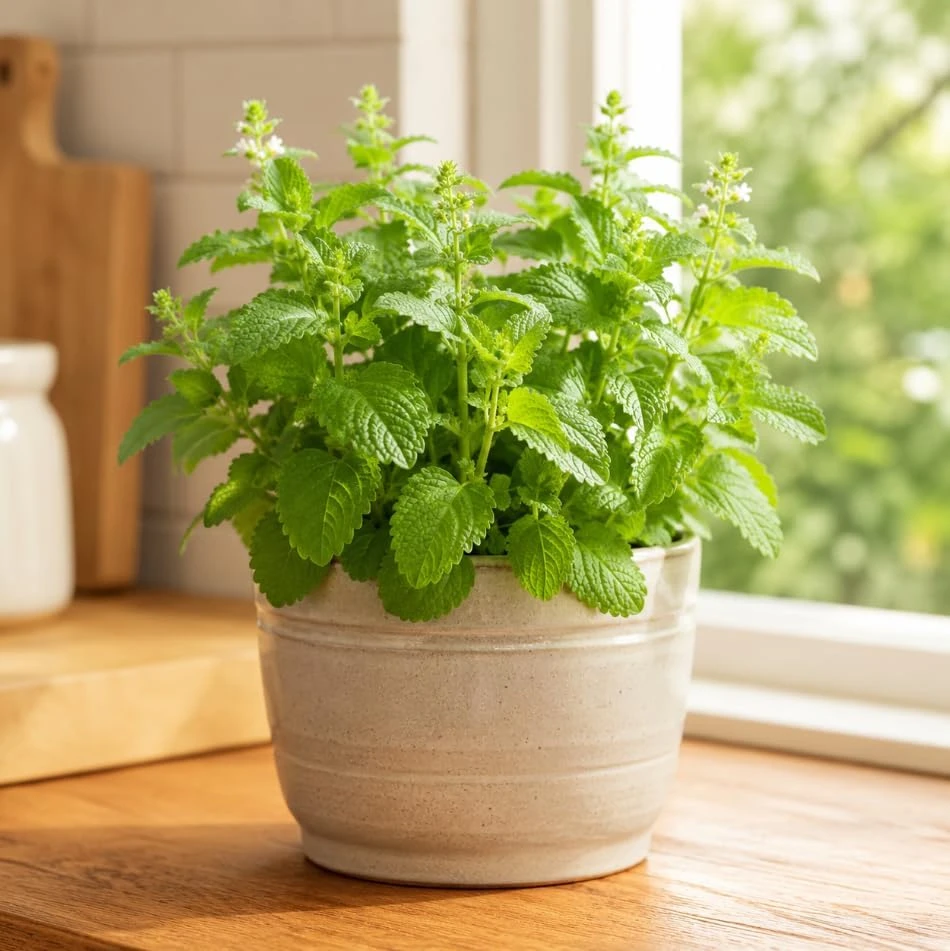
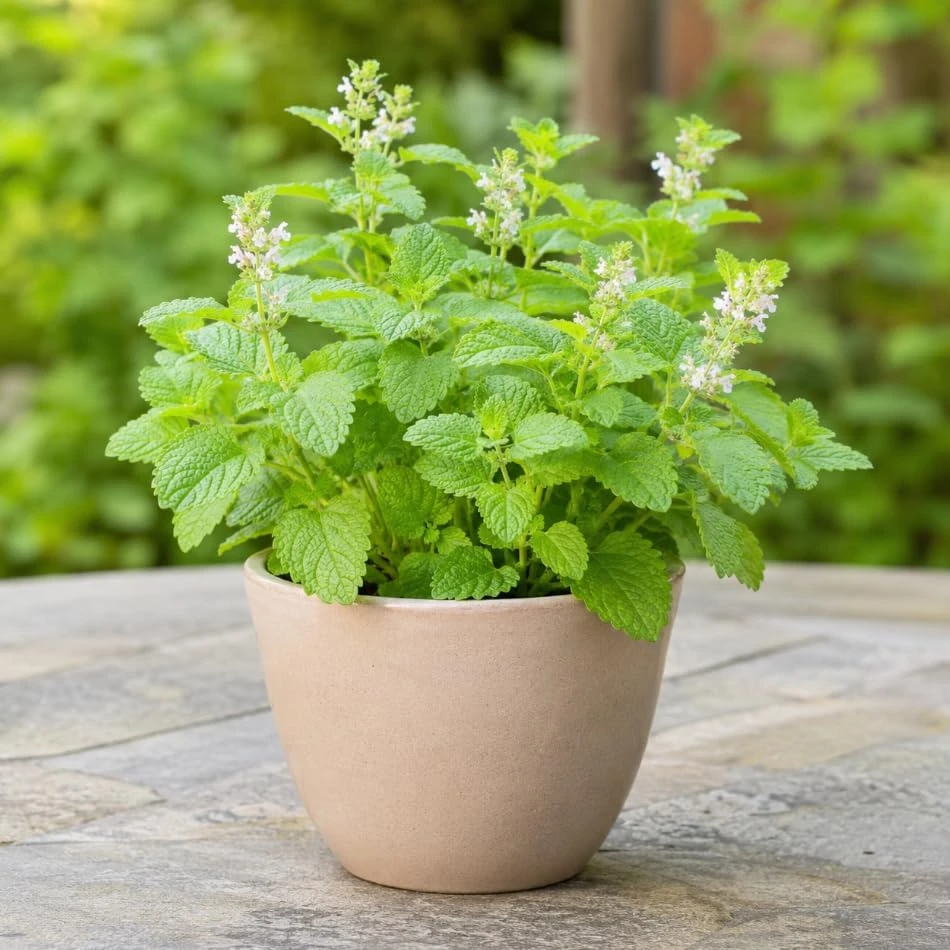
Bring the delightful aroma of citrus and mint to your garden with this vibrant lemon mint live plant. Perfect for culinary uses, teas, or simply enjoying its refreshing fragrance. This 2-4 inch tall herb thrives in home gardens and is easy to grow for both beginners and experienced gardeners.
Estimated arrival
Oct 17
Oct 22 - Oct 24
Oct 24 - Oct 29
See our Shipping Policy.
Get in touch with us via email, and our team will review your concerns.
Our Alive & Thrive Guarantee covers issues with your plants within the first 30 days. Read our Refund & Returns Policy.
-
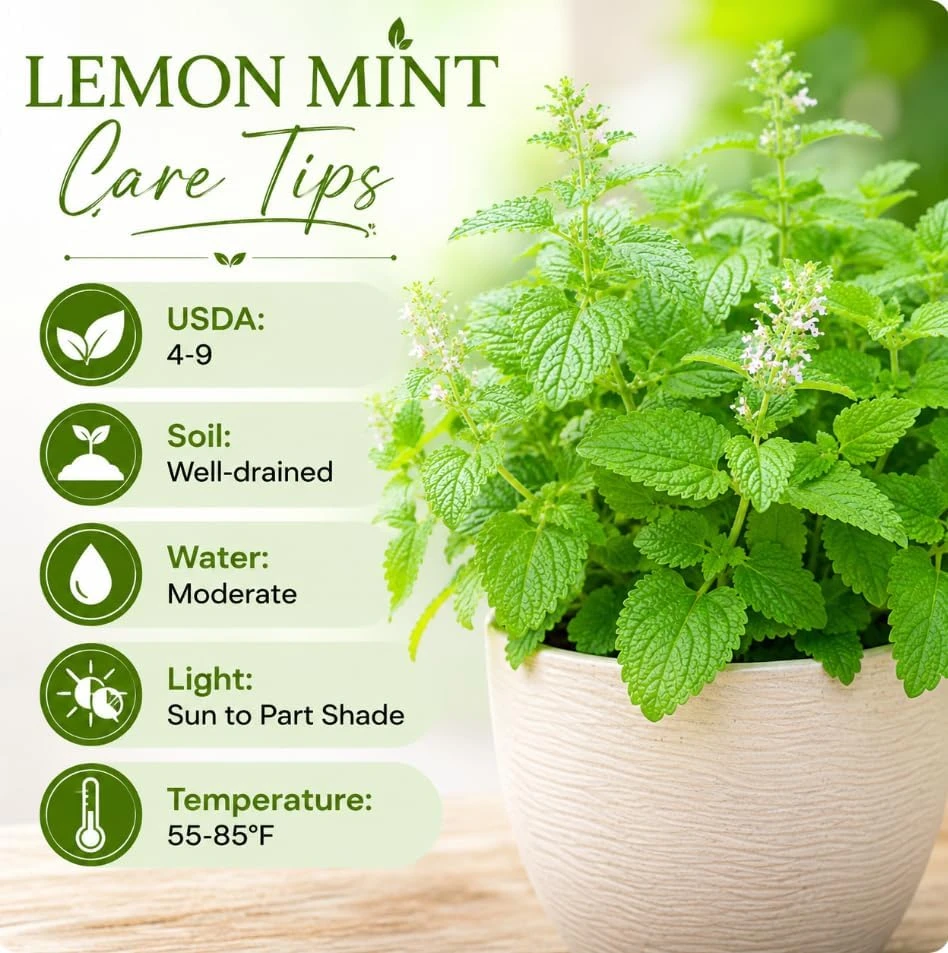
USDA Hardiness Zone
3-9 -
Soil Type
Well-draining soil -
Sunlight Exposure
Full sun to partial shade -
Expected Planting Period
Spring to early fall
Overview
Discover the joy of cultivating your own aromatic herbs with our premium lemon mint live plant. This delightful herb, scientifically known as Monarda citriodora, offers a unique blend of zesty lemon and refreshing mint notes, making it a fantastic addition to any home garden or culinary collection. Our live plants are carefully nurtured to ensure they arrive healthy and ready for planting, providing you with a head start in growing this versatile and beautiful herb. Perfect for gardeners seeking both ornamental beauty and practical utility, this fragrant mint plant is a true sensory delight. Whether you’re an experienced green thumb or just beginning your gardening journey, the lemon mint plant is a rewarding choice that promises both visual appeal and a bounty of fresh, aromatic leaves.
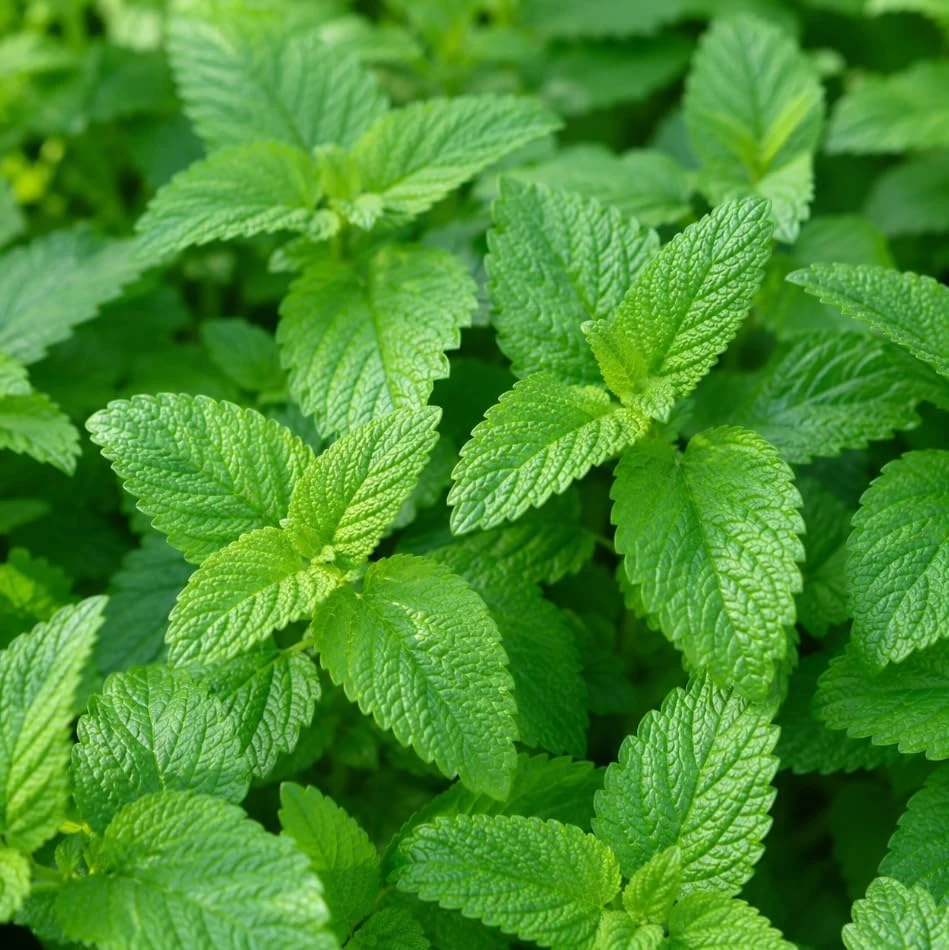
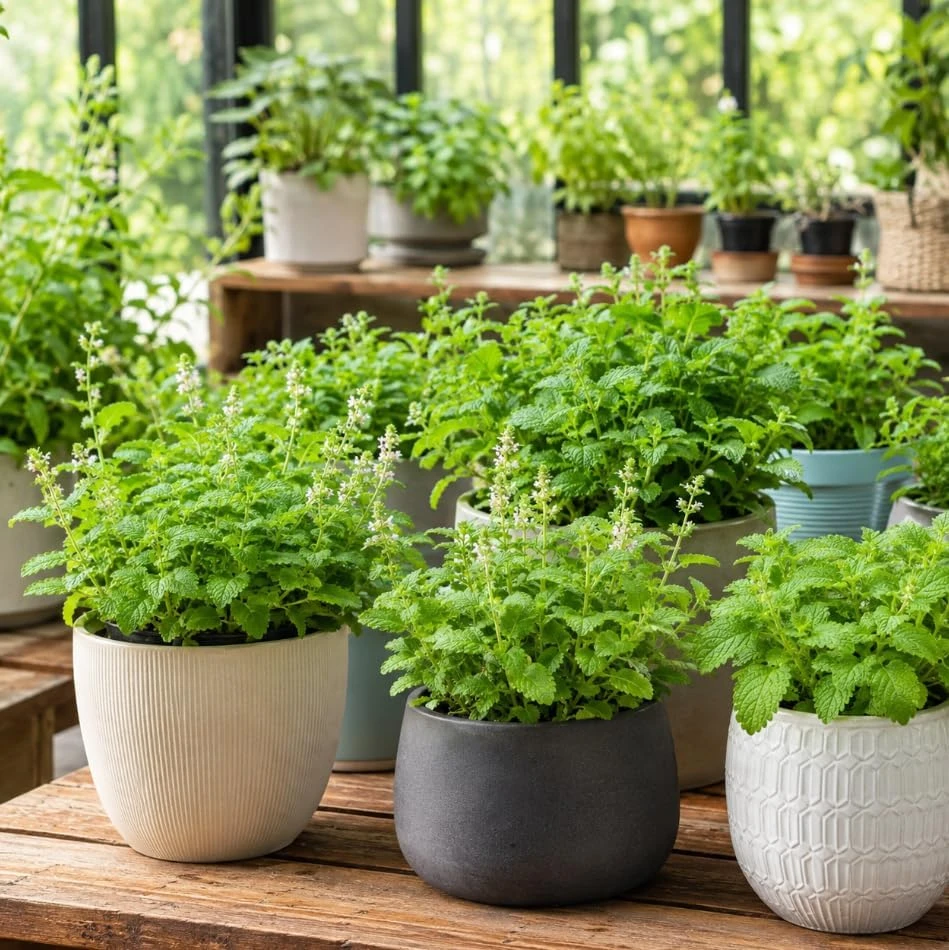
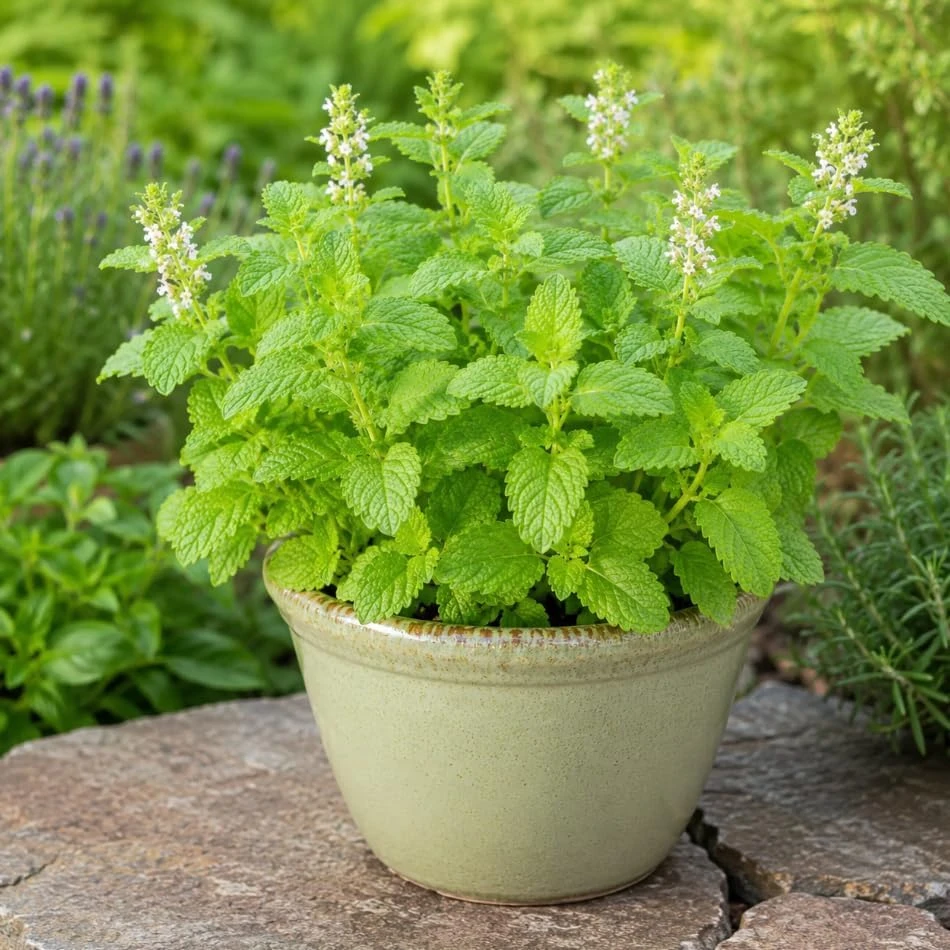
The lemon mint live plant is renowned for its attractive purple-pink flowers that bloom from summer through early fall, drawing in pollinators like bees and butterflies. Its distinctive foliage releases a delightful citrusy-mint scent when brushed or crushed, making it an excellent choice for sensory gardens, herb spirals, or even container gardening on patios and balconies. This resilient herb is not only beautiful but also incredibly useful, offering a fresh, zesty flavor that can elevate a wide range of dishes and beverages. Start your own herb garden today with this charming and beneficial plant.
Key Benefits
Cultivating a lemon mint live plant in your garden offers a multitude of advantages, from its aromatic qualities to its ease of care. This versatile herb provides both aesthetic appeal and practical uses, making it a favorite among gardeners and culinary enthusiasts alike.
- Aromatic Delight: Enjoy the refreshing, invigorating scent of lemon and mint that emanates from the leaves. This natural fragrance can uplift your spirits and make your garden a more pleasant place to relax. It’s perfect for creating a sensory experience right at home.
- Culinary Versatility: The unique flavor profile of lemon mint herb makes it an exceptional ingredient for teas, desserts, salads, and even savory dishes. Use fresh leaves to infuse water, garnish cocktails, or add a zesty twist to poultry and fish.
- Attracts Pollinators: The vibrant summer blooms of the lemon mint plant are a magnet for beneficial insects such as bees and butterflies, contributing to the biodiversity and health of your garden ecosystem.
- Easy to Grow: This hardy herb is relatively low-maintenance, making it an ideal choice for beginner gardeners. With basic care, your lemon mint live plant will thrive and provide abundant harvests.
- Ornamental Value: Beyond its culinary uses, lemon mint features attractive foliage and beautiful flowers that add visual interest and a touch of wild beauty to borders, herb gardens, or containers.
- Natural Pest Repellent: Some gardeners find that the strong aroma of mint plants can help deter certain garden pests, contributing to a healthier overall garden environment.
- Medicinal & Herbal Uses: Traditionally, mint varieties have been used in herbal remedies for their soothing properties. Lemon mint tea can be a comforting beverage, particularly after meals.
Plant Care & Growing Tips
Ensuring your lemon mint live plant thrives requires attention to a few key environmental factors. This resilient herb is generally easy to care for, making it a rewarding plant for gardeners of all skill levels. Understanding its preferred conditions will help you enjoy a bountiful harvest and vibrant growth throughout the season.
For optimal growth, plant your lemon mint live plant in a location that receives full sun to partial shade. Full sun (at least 6 hours of direct sunlight per day) will encourage the most vigorous growth and strongest flavor, while partial shade can be beneficial in hotter climates to protect the plant from intense afternoon sun. The ideal temperatures for lemon mint are between 60°F and 80°F. It is quite hardy and can be grown in USDA Zones 3-9, meaning it can tolerate a wide range of climates, often returning year after year in suitable zones.
Soil and watering are crucial for a healthy growing lemon mint. This plant prefers well-draining soil. While it tolerates various soil types, a loamy soil enriched with organic matter will provide the best results. Keep the soil consistently moist, especially during hot weather, but be careful to avoid waterlogged conditions, which can lead to root rot. Allow the top inch of soil to dry out slightly between waterings. Fertilization is generally not heavily required; a balanced, all-purpose liquid fertilizer applied once or twice during the growing season can support robust growth, but avoid over-fertilizing as this can diminish the intensity of the herb’s flavor. Pruning is also beneficial; regularly harvesting leaves and pinching back stems will encourage bushier growth and prevent the plant from becoming leggy. Watch out for common garden pests like aphids, though mint is generally quite resistant. If you encounter them, a strong spray of water or insecticidal soap can help.
Size & Details
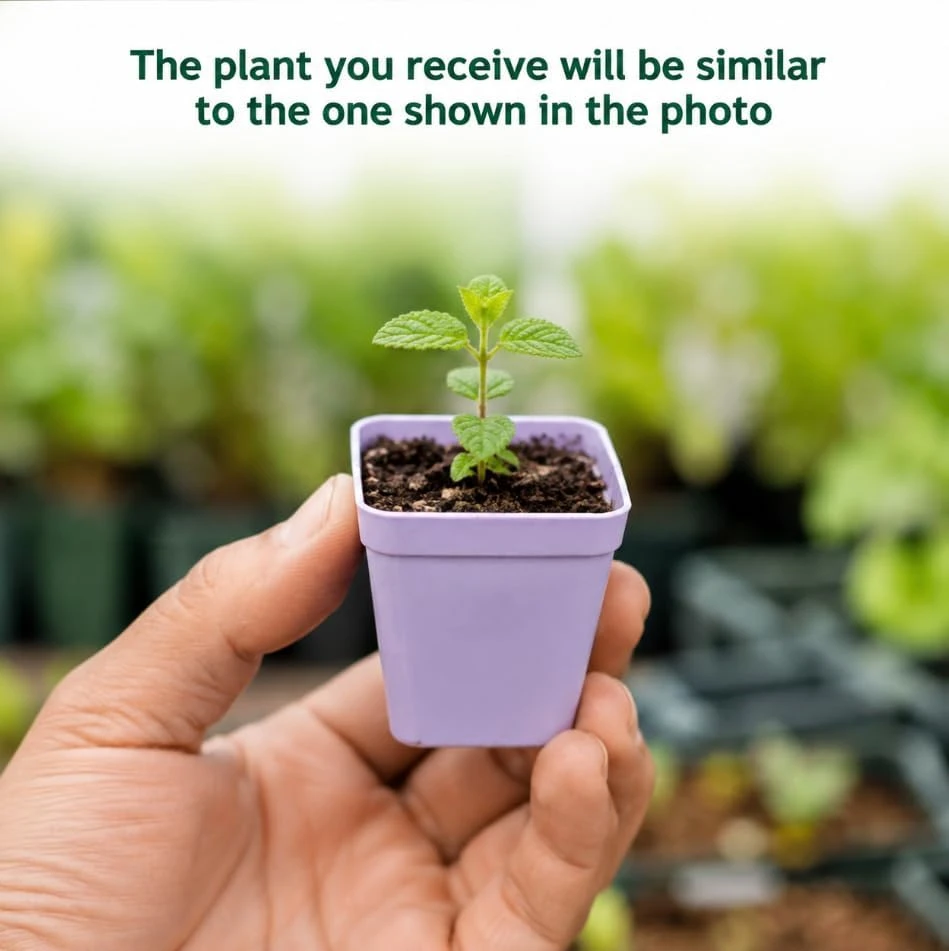
This offering includes one healthy lemon mint live plant, typically arriving 2-4 inches tall from the top of the soil. Each plant is carefully selected and packaged to ensure it arrives in excellent condition, ready for immediate planting in your garden or a suitable container. These young plants are ideal for establishing quickly and growing into mature, productive herb specimens. Lemon mint typically grows to a height of 1-3 feet and spreads about 1-2 feet wide, forming an attractive, bushy habit. Its growth rate is moderate, and with proper care, you can expect to begin harvesting leaves within a few weeks of planting.
Your fragrant mint plant will be shipped in a nursery pot with its root ball intact, providing the best start for transplanting. While it can be grown year-round indoors in a sunny spot, it thrives outdoors from spring through early fall, with blooming season extending through the summer. The plant is hardy in USDA Zones 3-9, making it a reliable perennial in many regions. Expect beautiful purple-pink blooms that add a splash of color to your garden while attracting beneficial pollinators.
Frequently Asked Questions
- Q: How big does this lemon mint plant get? A: Your lemon mint live plant typically grows to about 1 to 3 feet tall and spreads 1 to 2 feet wide, forming a bushy, upright habit. Its size can vary slightly depending on growing conditions and pruning.
- Q: Is this an indoor or outdoor plant? A: Lemon mint thrives outdoors in full sun to partial shade and is hardy in USDA Zones 3-9. It can also be grown indoors in a sunny window, but it generally prefers outdoor conditions for optimal growth and flowering.
- Q: How much sunlight does it need? A: This plant prefers full sun, meaning at least 6 hours of direct sunlight per day. It can tolerate partial shade, especially in hotter climates, but full sun encourages the best growth and flavor development for your lemon mint herb.
- Q: Is this plant easy to care for? A: Yes, lemon mint is considered an easy-to-care-for herb, making it suitable for beginners. It requires well-draining soil, consistent moisture, and adequate sunlight. Regular harvesting also helps keep it healthy and bushy.
- Q: What condition will it arrive in? A: Your lemon mint live plant will arrive well-packaged in a nursery pot with its root system intact, ensuring it is healthy and ready for planting. We take great care to protect the plant during transit.
- Q: Can I use lemon mint in cooking? A: Absolutely! Lemon mint has a wonderful citrusy-mint flavor that is excellent for teas, infusing water, garnishing desserts, adding to salads, or even flavoring poultry and fish dishes.
- Q: When is the best time to plant lemon mint? A: The best time to plant lemon mint outdoors is in the spring after the last frost, or in early summer. If growing indoors, it can be planted any time of year.
- Q: Will it survive winter in my zone? A: Lemon mint is hardy in USDA Zones 3-9. In these zones, it is a perennial and will typically die back to the ground in winter and re-emerge in spring. In colder zones, it can be grown as an annual or brought indoors.
- Q: How often should I water my lemon mint plant? A: Keep the soil consistently moist but not waterlogged. Water when the top inch of soil feels dry to the touch, especially during hot weather. Good drainage is key to preventing root issues.
- Q: Is lemon mint invasive like some other mints? A: While lemon mint (Monarda citriodora) is part of the mint family, it is generally less aggressive than true spearmint or peppermint. However, like many mints, it can spread, so consider planting it in containers or with root barriers if you’re concerned about its spread in garden beds.
Be the first to review “Lemon Mint Live Plant for Planting – 2-4 Inch Tall Fragrant Herb”
Related products


You May Like

Hardneck vs. Softneck Garlic: Which Should You Grow?
Have you ever stood in front of a seed catalog in mid-September, staring at dozens [...]
Oct

When to Plant Music Garlic: Ultimate US Fall Guide
Have you ever spent your fall weekend placing carefully chosen garlic cloves into rich, dark [...]
1 Comment
Oct

5 Best Bulbs for Fall Planting: Brighten Your Garden This Spring
Are you dreaming of a garden full of vibrant colors in the spring? The key [...]
Aug

10 Houseplants That Will Thrive in Your Kitchen
Are you tired of your kitchen feeling dull and lifeless? Want to add a little [...]
1 Comment
Aug
Reviews
There are no reviews yet.