
Lily of the Valley Bare Roots – Set of 20 – Fragrant White Spring Flowers, Perennial Ground Cover
Original price was: 59.98 $.34.99 $Current price is: 34.99 $.
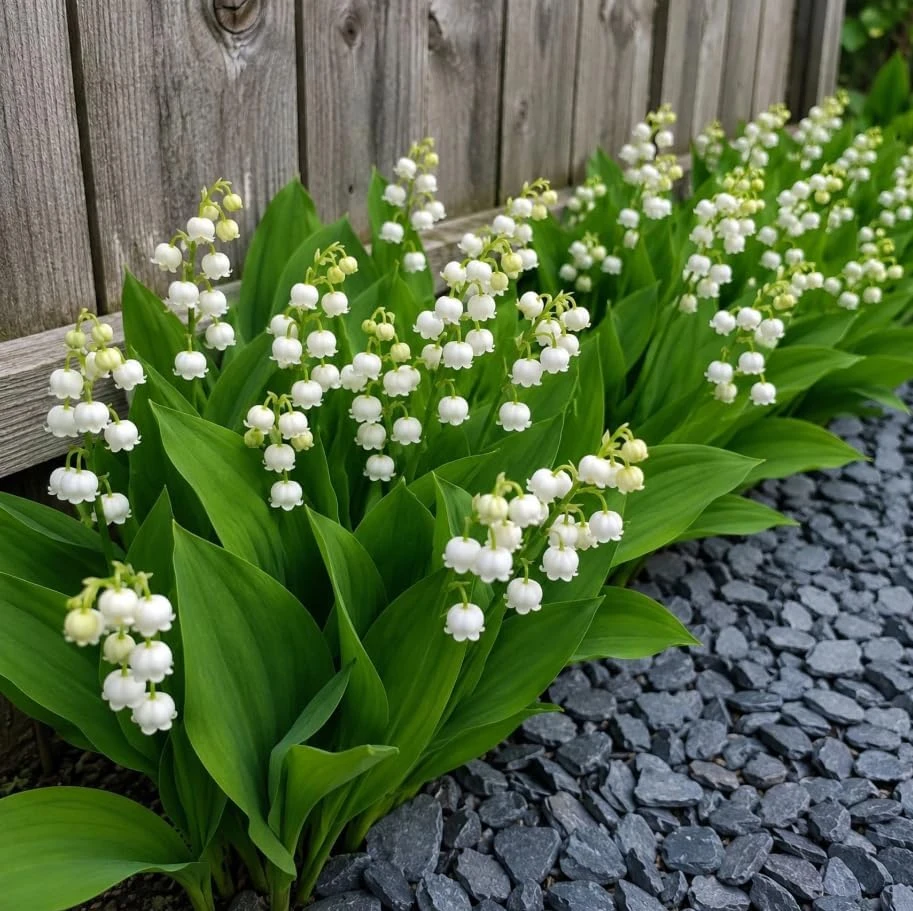
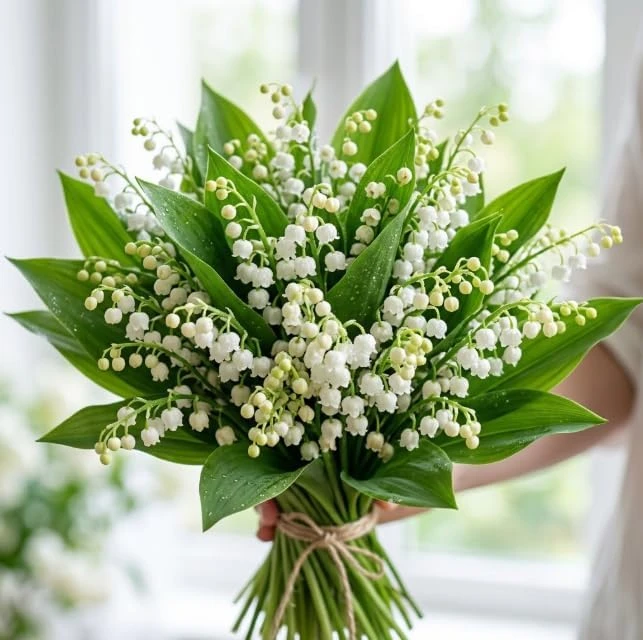
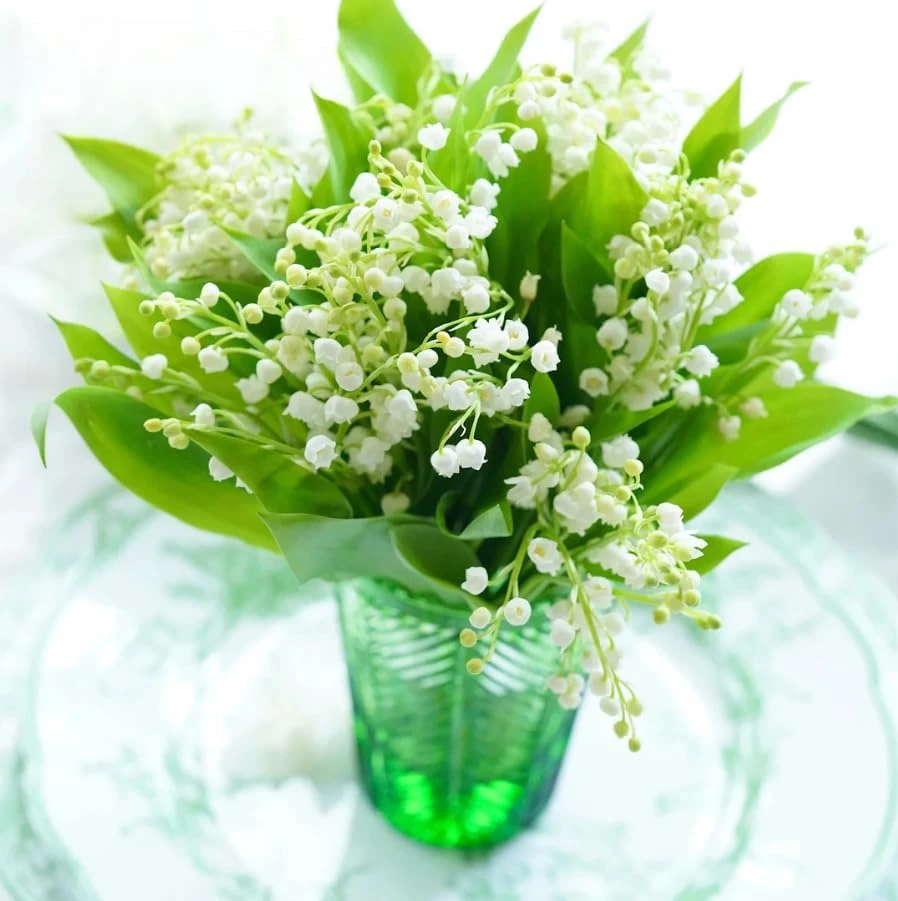
Cultivate a charming shade garden with this set of 20 Lily of the Valley bare roots. These fragrant spring flowers (Convallaria majalis) produce delicate white bells, creating a beautiful and easy-to-care-for low-maintenance ground cover that returns year after year.
Estimated arrival
Oct 16
Oct 21 - Oct 23
Oct 23 - Oct 28
See our Shipping Policy.
Get in touch with us via email, and our team will review your concerns.
Our Alive & Thrive Guarantee covers issues with your plants within the first 30 days. Read our Refund & Returns Policy.
-
USDA Hardiness Zone
USDA zones 3–8 -
Soil Type
Moist, well-draining soil rich in organic matter -
Sunlight Exposure
Partial to full shade -
Expected Planting Period
Spring
Overview
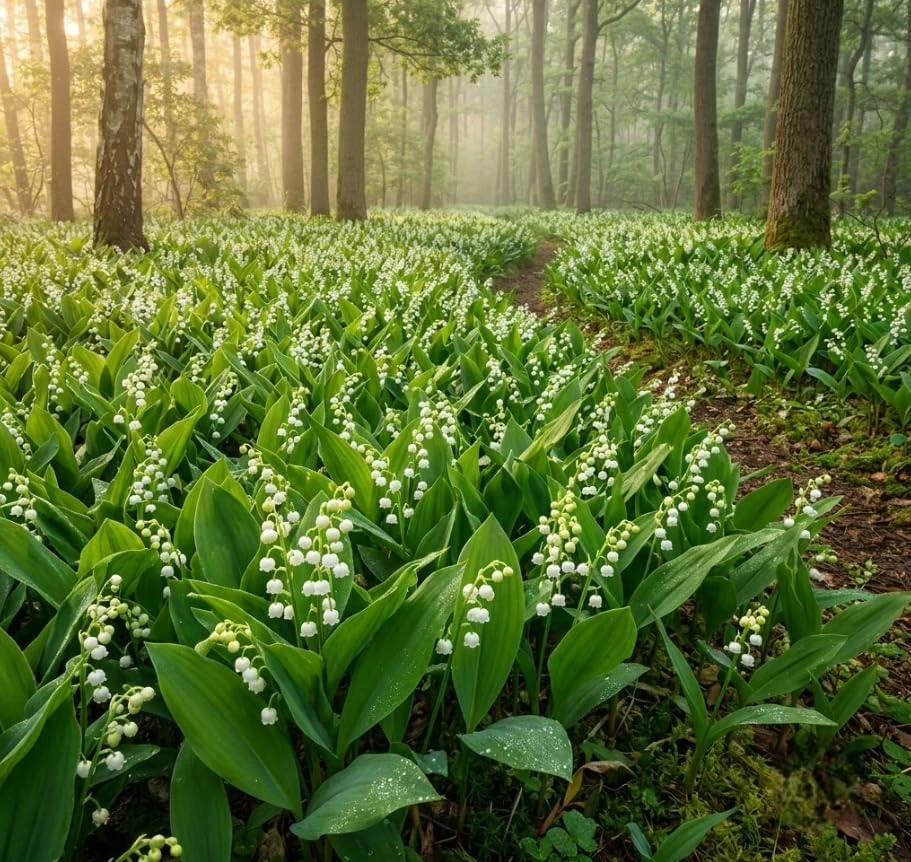
Introduce timeless elegance and enchanting fragrance to your garden with this set of 20 Lily of the Valley bare roots. Known botanically as Convallaria majalis, this beloved perennial is cherished for its delicate, bell-shaped white flowers and sweet perfume that signals the arrival of spring. These bare roots are an ideal way to establish a beautiful and resilient shade garden perennial, thriving in areas where many other plants struggle. Perfect for creating a lush, green carpet under trees or along shaded pathways, Lily of the Valley offers a truly classic garden aesthetic with minimal effort. Each pip is ready to plant and will quickly establish, spreading gracefully to form a dense, attractive ground cover.
The charm of lily of the valley bare roots lies not only in their beauty but also in their hardiness and ability to naturalize, providing continuous enjoyment for many seasons. They are particularly suitable for woodland gardens, borders, or even containers, bringing a touch of refined beauty to any shaded spot. Once planted, these roots require little attention, making them a fantastic choice for both novice and experienced gardeners seeking to enhance their outdoor spaces with a reliable and delightful flowering plant.
Key Benefits
Choosing to plant lily of the valley bare roots offers a multitude of advantages, transforming your garden into a fragrant and visually appealing sanctuary. These benefits extend beyond their aesthetic appeal, contributing to a healthier and more enjoyable outdoor environment:
- Exquisite Fragrance: Enjoy the intoxicating, sweet scent of Lily of the Valley that perfumes the air each spring. These fragrant spring flowers are a delight for the senses, creating a serene and inviting atmosphere in your garden.
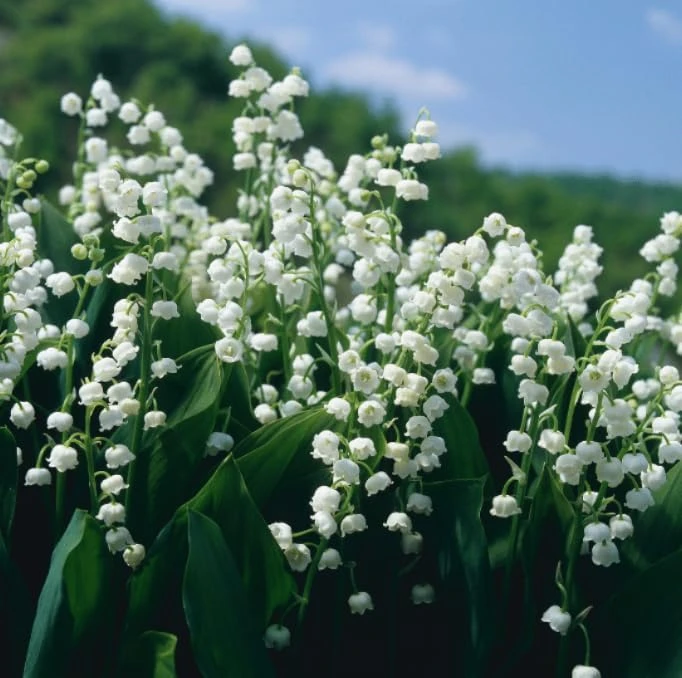
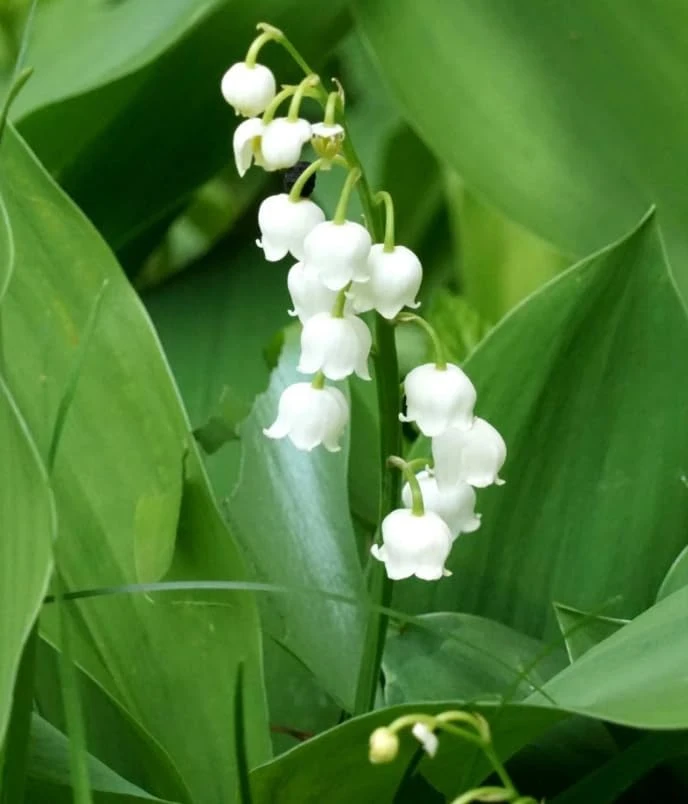
- Stunning White Blooms: Adorn your garden with delicate, pure white, bell-shaped flowers that emerge in clusters. Their pristine appearance adds a touch of classic elegance and brightens up shaded areas.
- Hardy Perennial: Plant them once and enjoy their beauty for years to come. Lily of the Valley returns reliably every spring, establishing itself as a robust and enduring part of your landscape.
- Excellent Ground Cover: These plants spread to form a dense, attractive carpet, effectively suppressing weeds and providing year-round green foliage. It’s an ideal low-maintenance ground cover solution for various garden settings.
- Thrives in Shade: Perfect for those challenging shaded spots where other plants might not flourish. Lily of the Valley is a superb choice for woodland gardens, under trees, or on the north side of buildings.
- Easy to Establish: The bare roots are simple to plant and establish quickly, making it easy for gardeners of all skill levels to achieve beautiful results.
- Versatile Planting Options: Suitable for borders, rockeries, woodland settings, containers, or naturalizing in large areas. The adaptability of Convallaria majalis plants makes them a versatile addition to almost any garden design.
Plant Care & Growing Tips
Caring for your lily of the valley bare roots is remarkably straightforward, making them a rewarding addition to any garden. These resilient plants prefer a cool, shaded environment. For optimal growth, plant your bare roots in an area that receives partial to full shade, avoiding direct, intense afternoon sun which can scorch their delicate leaves. While they tolerate some morning sun, consistent shade is key to their lush appearance and abundant flowering. The ideal time for planting these roots is in the spring, allowing them ample time to establish before their blooming season.
When it comes to soil, Lily of the Valley thrives in moist, well-draining soil that is rich in organic matter. Amend heavy clay soils with compost or peat moss to improve drainage and aeration. Conversely, sandy soils will benefit from added organic material to enhance moisture retention. Once established, these plants prefer consistently moist soil, especially during dry spells, but avoid waterlogging as this can lead to root rot. They are quite tolerant of a range of soil pH levels but tend to prefer slightly acidic to neutral conditions. A light application of balanced fertilizer in early spring can encourage vigorous growth and more abundant blooms, contributing to a vibrant fragrant spring flowers display.
Lily of the Valley is known for its hardiness and generally low maintenance. They are suitable for USDA hardiness zones 3-8, capable of withstanding cold winters and returning with renewed vigor each spring. While generally pest-resistant, keep an eye out for slugs or snails, especially in damp conditions. Minimal pruning is required; simply remove spent flower stalks and any yellowing foliage to maintain a tidy appearance. As a spreading plant, it can form a dense low-maintenance ground cover, making it an excellent choice for naturalizing in appropriate areas. Remember, all parts of the plant are poisonous if ingested, so plant them in areas where children or pets won’t be tempted to chew on them.
Size & Details
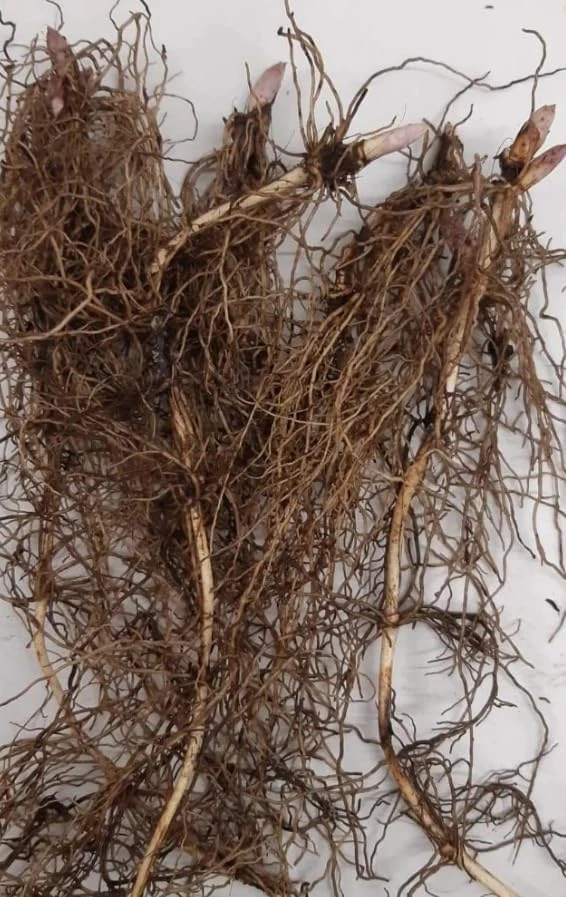
This offering includes a set of 20 Lily of the Valley bare roots, also known as pips, ready for immediate planting. Each bare root is carefully selected to ensure viability and robust growth once established in your garden. When mature, Lily of the Valley plants typically reach a height of 6 to 12 inches (15-30 cm) and spread to form a beautiful, dense mat. The foliage consists of broad, lance-shaped green leaves that create an attractive backdrop for the delicate white flowers.
These bare roots are shipped dormant, which is the ideal state for planting and ensures minimal transplant shock. They establish quickly, and you can expect to see foliage emerge in the first spring after planting, with the charming fragrant spring flowers appearing in subsequent years as the plants mature and establish a strong root system. Lily of the Valley has a moderate to fast growth rate, especially once it has settled into its preferred shady environment. This allows it to rapidly fill in areas, creating a lush and appealing shade garden perennial display.
Frequently Asked Questions
- Q: How big does Lily of the Valley get? A: Lily of the Valley typically grows to a height of 6 to 12 inches (15-30 cm) and spreads to form a dense ground cover over time. Its growth habit makes it an excellent choice for filling in shaded areas.
- Q: Is this an indoor or outdoor plant? A: Lily of the Valley bare roots are primarily intended for outdoor planting. They thrive in shaded garden environments and are hardy perennials that return year after year in suitable climates.
- Q: How much sunlight does Lily of the Valley need? A: These plants prefer partial to full shade. They do best in areas protected from the harsh afternoon sun, which can scorch their leaves. Morning sun is generally tolerated.
- Q: Is this plant easy to care for? A: Yes, Lily of the Valley is known for being a very low-maintenance plant. Once established, it requires minimal care, making it a great choice for gardeners looking for an easy-to-grow low-maintenance ground cover.
- Q: What condition will the bare roots arrive in? A: The lily of the valley bare roots will arrive dormant, which is the optimal state for planting. They may appear dry, but they are ready to be planted and will sprout once conditions are favorable.
- Q: When is the best time to plant Lily of the Valley bare roots? A: The ideal time to plant these bare roots is in the spring, after the last frost. This gives them the entire growing season to establish a strong root system before winter.
- Q: Will Lily of the Valley survive winter in my zone? A: Yes, Lily of the Valley is very hardy and suitable for USDA hardiness zones 3-8. It is well-adapted to cold climates and will go dormant in winter, returning vigorously in spring.
- Q: Can I grow Lily of the Valley in containers? A: While primarily a garden plant, Convallaria majalis plants can be grown in containers, especially if you wish to control their spread. Ensure the container has good drainage and is placed in a shaded location.
- Q: Are the flowers truly fragrant? A: Absolutely! One of the most cherished qualities of Lily of the Valley is its intensely sweet and captivating fragrance, which is particularly noticeable when the fragrant spring flowers are in bloom.
- Q: Is Lily of the Valley poisonous? A: Yes, all parts of the Lily of the Valley plant are considered poisonous if ingested. It’s important to plant them in areas where they won’t be easily accessible to pets or small children.
Be the first to review “Lily of the Valley Bare Roots – Set of 20 – Fragrant White Spring Flowers, Perennial Ground Cover”
Related products


Flower Bulbs
Set of 10 Red Trillium Bulbs – Trillium erectum – Perennial Wildflower for Shade Gardens


You May Like

Hardneck vs. Softneck Garlic: Which Should You Grow?
Have you ever stood in front of a seed catalog in mid-September, staring at dozens [...]
Oct

When to Plant Music Garlic: Ultimate US Fall Guide
Have you ever spent your fall weekend placing carefully chosen garlic cloves into rich, dark [...]
1 Comment
Oct

5 Best Bulbs for Fall Planting: Brighten Your Garden This Spring
Are you dreaming of a garden full of vibrant colors in the spring? The key [...]
Aug

10 Houseplants That Will Thrive in Your Kitchen
Are you tired of your kitchen feeling dull and lifeless? Want to add a little [...]
1 Comment
Aug
Reviews
There are no reviews yet.