
Live Pomegranate Tree – 6-10 Inches Tall – Red Pomegranates Starter Plant for Home Fruit Gardens
Original price was: 62.99 $.27.99 $Current price is: 27.99 $.
Cultivate your own delicious fruit with this live pomegranate tree starter plant. Standing 6-10 inches tall, this rooted plant is ready to thrive in your home fruit garden, promising beautiful blooms and sweet red pomegranates. Ideal for both experienced gardeners and beginners.
Estimated arrival
Oct 15
Oct 20 - Oct 22
Oct 22 - Oct 27
See our Shipping Policy.
Get in touch with us via email, and our team will review your concerns.
Our Alive & Thrive Guarantee covers issues with your plants within the first 30 days. Read our Refund & Returns Policy.
-
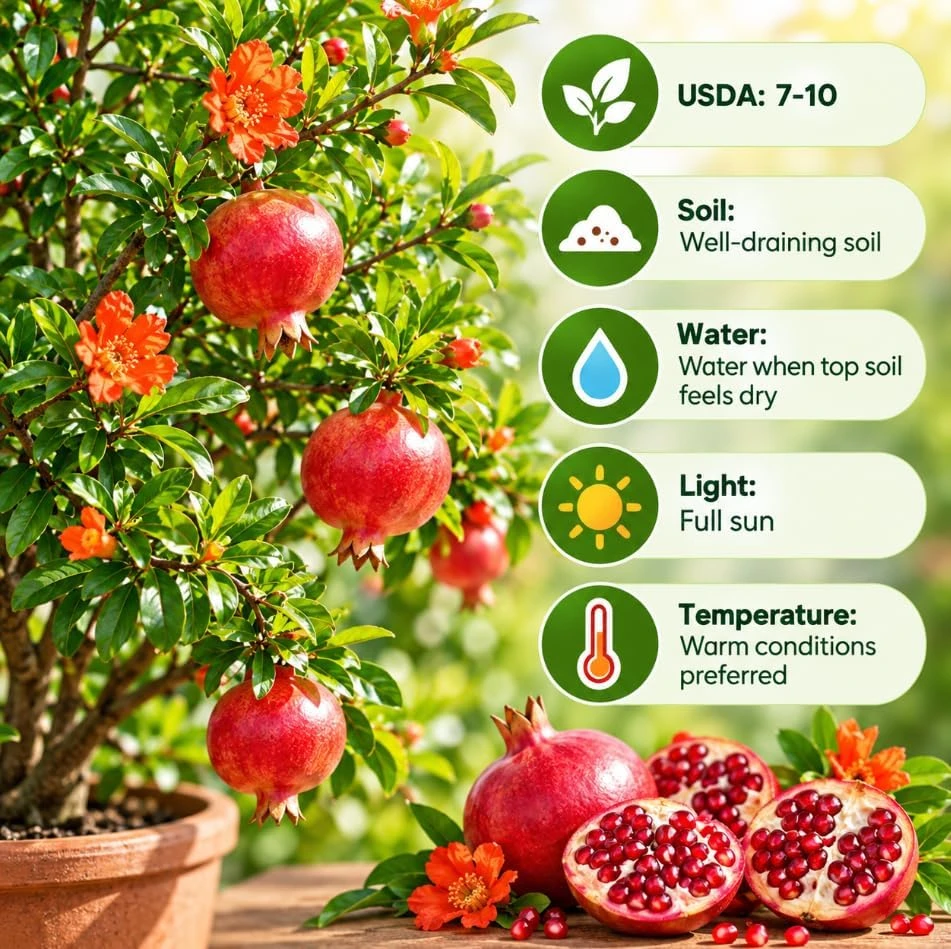
USDA Hardiness Zone
USDA Zones 7-10 -
Soil Type
Well-draining soil -
Sunlight Exposure
Full sun -
Expected Planting Period
Spring to early summer
Overview
Embark on a rewarding gardening journey with your very own live pomegranate tree. This young, rooted starter plant, measuring 6-10 inches tall, offers the exciting opportunity to grow fresh, juicy red pomegranates right in your backyard or patio. Pomegranates (Punica granatum) are ancient fruits revered for their vibrant color, unique flavor, and numerous health benefits. Our carefully nurtured starter plant provides a robust foundation for a thriving fruit-bearing tree, bringing both ornamental beauty and delicious harvests to your home garden. Imagine plucking your own ruby-red fruits, bursting with sweet-tart arils, perfect for snacking, juices, or culinary creations. This pomegranate plant for sale is an excellent choice for anyone looking to add an exotic, productive, and beautiful specimen to their landscape.
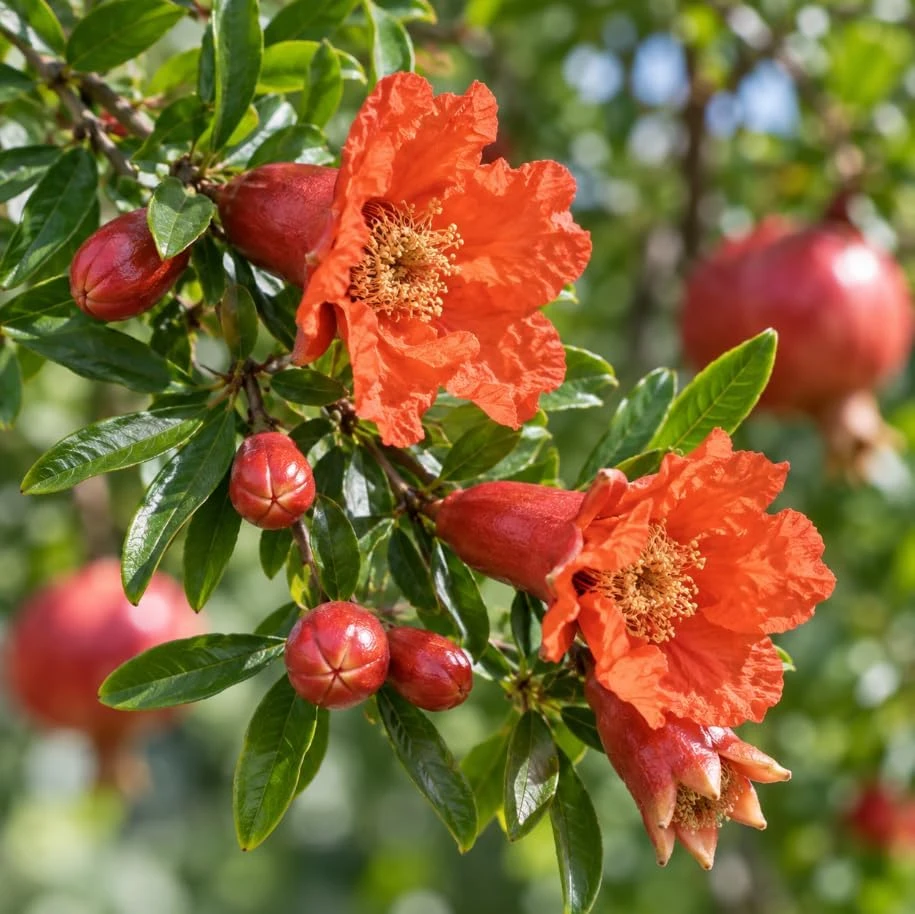
Known for their striking red-orange flowers and glossy green foliage, pomegranate trees are not only fruit producers but also attractive additions to any garden. This starter plant is specifically selected to ensure a strong beginning, allowing you to nurture it from a young sapling into a mature, fruit-producing tree. Whether you’re an avid gardener or just starting out, growing a pomegranate tree is a fulfilling experience that connects you directly to your food source. Get ready to enjoy the unique taste and health benefits of homegrown pomegranates with this exceptional starter plant.
Key Benefits
Adding a live pomegranate tree to your garden offers a multitude of advantages, from aesthetic appeal to nutritional value. This versatile plant provides both beauty and bounty, making it a valuable addition to any home. Here are some of the key benefits you’ll enjoy:
- Homegrown Fresh Fruit: Experience the unparalleled taste of fresh, ripe pomegranates picked directly from your own tree. Homegrown fruits often have superior flavor and nutritional content compared to store-bought varieties, and you control the growing conditions.
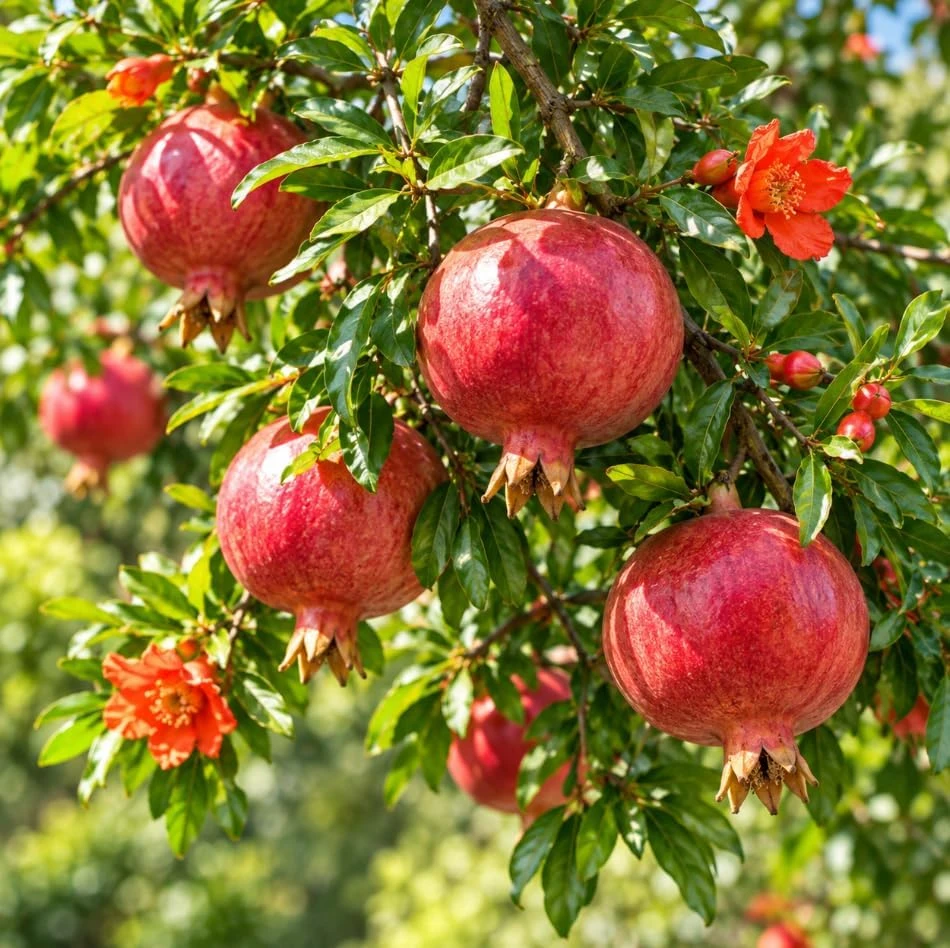
- Ornamental Beauty: Beyond its fruit, the pomegranate tree is a stunning ornamental plant. It features attractive glossy green leaves, vibrant red-orange flowers that bloom in spring and summer, and the striking red fruit itself, adding year-round visual interest to your garden or patio.
- Health Benefits: Pomegranates are renowned for being rich in antioxidants, vitamins (especially Vitamin C and K), and fiber. Growing your own ensures a fresh supply of this superfood, contributing to a healthy diet and lifestyle.
- Drought Tolerance: Once established, pomegranate trees are remarkably drought-tolerant, making them a sustainable choice for many climates and reducing water usage compared to other fruit trees. This resilience makes them a relatively low-maintenance option.
- Versatile Growing: While typically grown outdoors, many pomegranate varieties, including this starter plant, can be grown in large containers, making them suitable for patios, balconies, or even as a compact dwarf pomegranate tree in smaller spaces.
- Rewarding Gardening Experience: Nurturing a fruit tree from a small starter plant to a mature, fruit-bearing specimen is incredibly satisfying. It’s a tangible connection to nature and a rewarding project for gardeners of all skill levels.
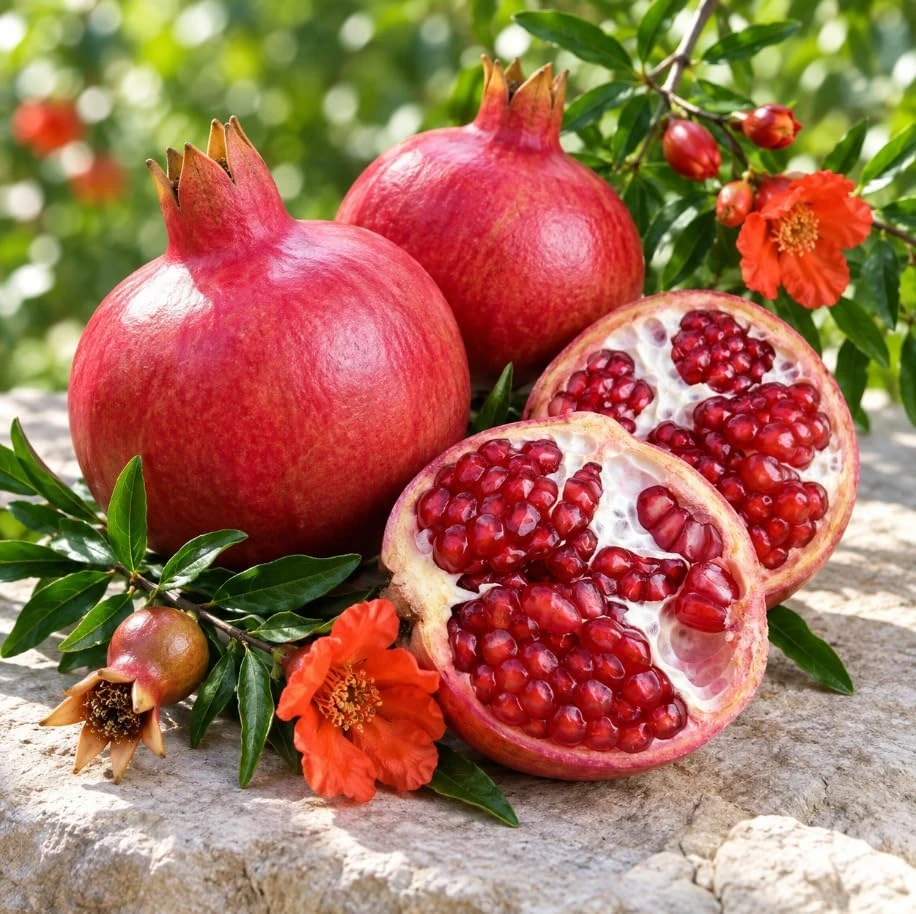
- Culinary Versatility: The arils (seeds) of red pomegranates can be enjoyed fresh, juiced, added to salads, desserts, or used in savory dishes, offering a wide range of culinary possibilities right from your garden.
Plant Care & Growing Tips
To ensure your live pomegranate tree thrives and produces abundant fruit, providing the right care is essential. Pomegranates are relatively easy to grow once established, but proper initial care will set them up for success. They are deciduous trees, meaning they will lose their leaves in the fall and winter, entering a dormant period before new growth emerges in spring.
Sunlight: Pomegranate trees are sun-lovers. They require at least 6-8 hours of direct sunlight per day to produce the best fruit. Choose a location in your garden that receives full sun throughout the day. If growing in a container, place it in the sunniest spot available. Insufficient sunlight can lead to poor flowering and fruit set.
Watering: While established pomegranate trees are drought-tolerant, young plants need consistent moisture. Water regularly during the growing season, especially during dry spells, to keep the soil consistently moist but not waterlogged. Allow the top inch or two of soil to dry out slightly between waterings. Reduce watering significantly during the dormant winter months. Proper drainage is crucial to prevent root rot.
Soil: Pomegranates are adaptable to various soil types but prefer well-drained soil with a pH between 5.5 and 7.0. Sandy loams are ideal. If your soil is heavy clay, amend it with organic matter like compost or peat moss to improve drainage and aeration. For container growing, use a high-quality potting mix designed for fruit trees or general outdoor plants, ensuring it drains well.
Temperature & Hardiness: Pomegranates thrive in warm conditions during the growing season. Most varieties are hardy in USDA Zones 7-10, though some can tolerate Zone 6 with winter protection. They need a period of chill to set fruit but are sensitive to hard freezes. Protect young plants from frost. If growing in a container in a colder climate, bring the plant indoors to a cool, bright location during winter.
Fertilization: Fertilize your red pomegranate fruit tree in early spring before new growth begins and again in mid-summer. Use a balanced fertilizer (e.g., 8-8-8 or 10-10-10) or one formulated for fruit trees. Follow the product instructions for application rates. Avoid over-fertilizing, especially with high nitrogen, which can promote leafy growth at the expense of fruit production.
Pruning: Prune your pomegranate tree in late winter or early spring while it is dormant. Remove any dead, damaged, or crossing branches. You can also prune to shape the tree, encourage air circulation, and manage its size. Pomegranates can be grown as a multi-stemmed shrub or trained into a small tree form. Regular pruning helps maintain plant health and fruit production.
Pest & Disease: Pomegranates are generally robust plants. Keep an eye out for common pests like aphids or whiteflies, which can be treated with insecticidal soap. Ensure good air circulation to prevent fungal diseases. Healthy, well-cared-for plants are more resistant to problems.
Size & Details
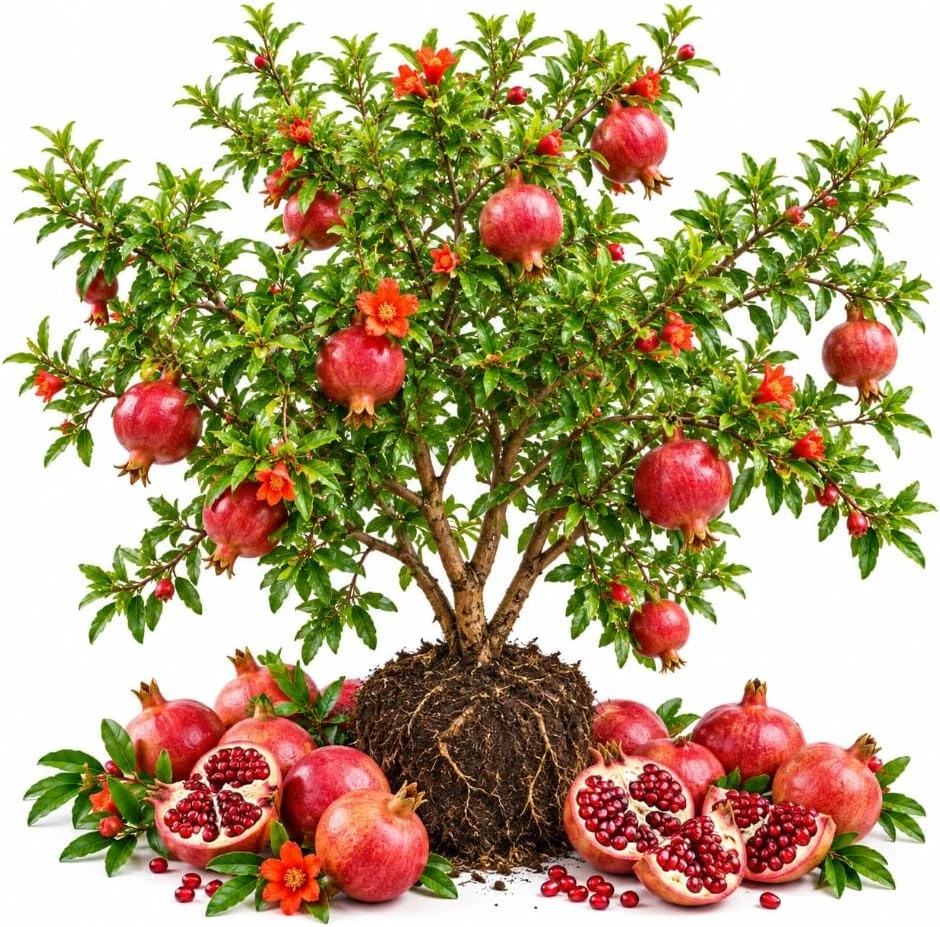
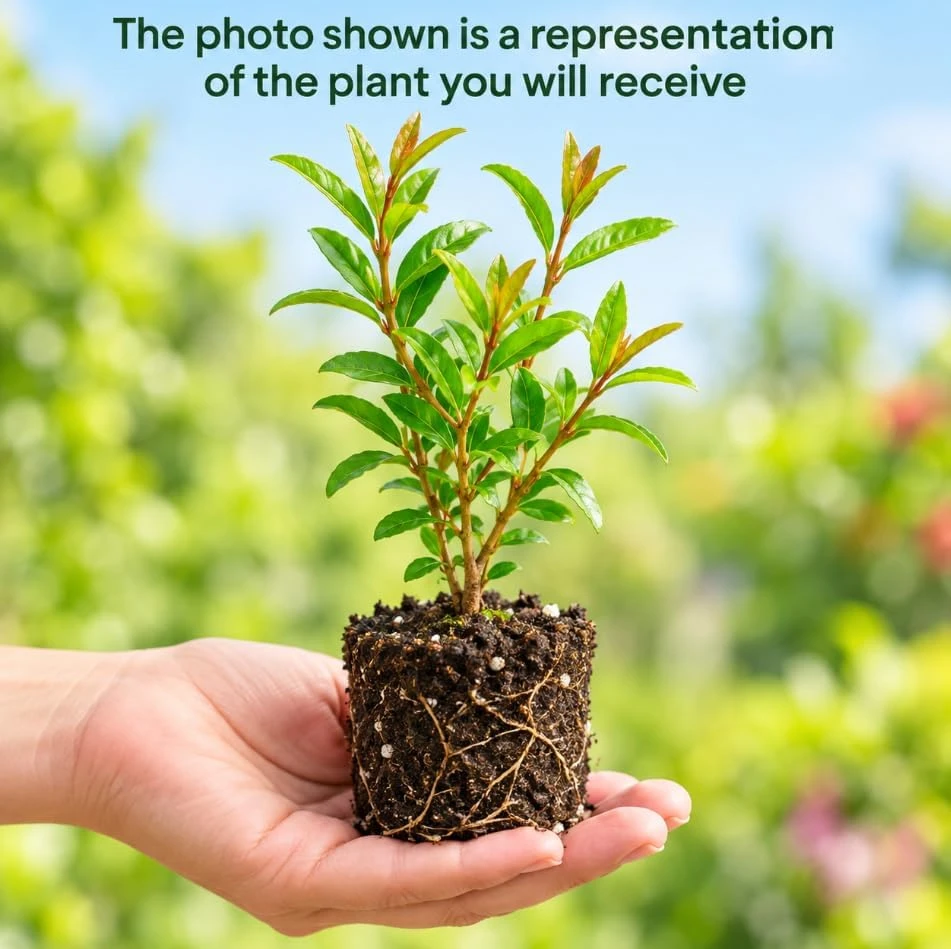
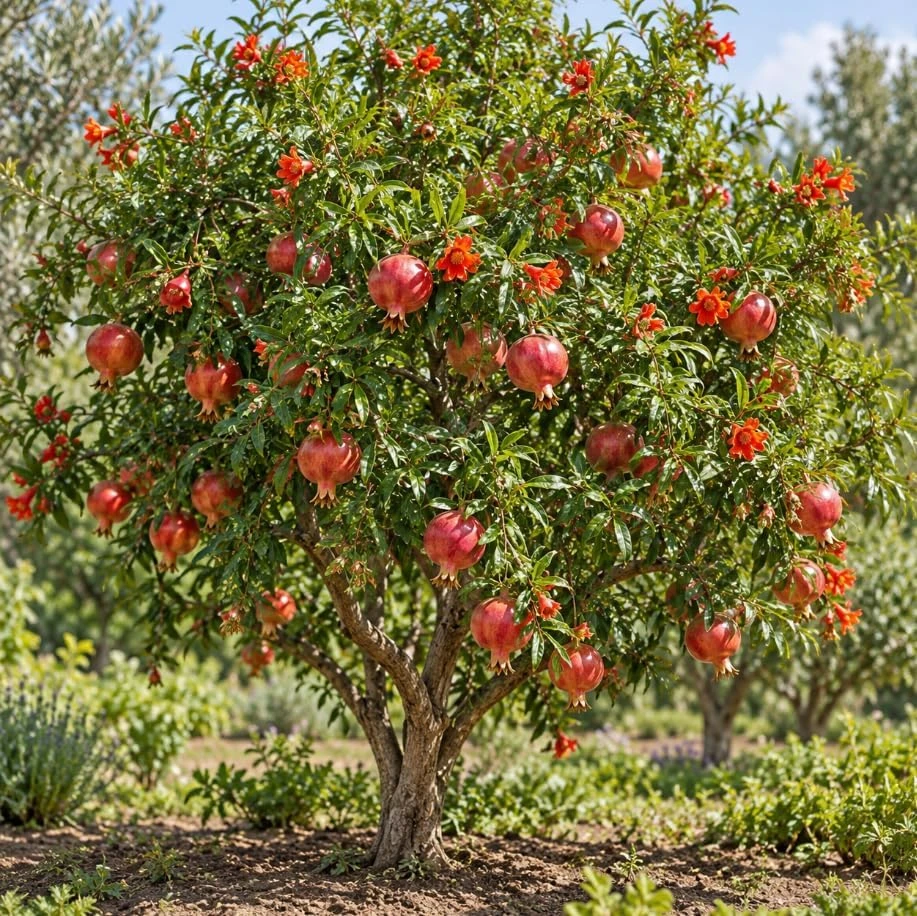
This offering is for one live pomegranate tree starter plant, carefully rooted and ready for planting. Each plant measures approximately 6-10 inches tall from the base of the soil to the tip of the tallest stem. The plant is shipped in a nursery pot with its root ball intact, ensuring minimal transplant shock upon arrival. While the main image may depict a mature, fruit-bearing tree for reference, your plant will be a young sapling, ready to grow and develop under your care. The exact appearance, leaf count, and branching may vary slightly from plant to plant, as each is a unique living organism.
Pomegranate trees typically have a moderate growth rate, reaching a mature height of 10-20 feet if left unpruned, though they can be kept smaller with regular pruning or by growing them as a dwarf pomegranate tree in containers. Expect your plant to establish itself in the first year, with flowering and fruiting typically beginning within 2-3 years under optimal growing conditions. This starter plant provides a head start on cultivating your own delicious red pomegranates.
Frequently Asked Questions
- Q: How big does this pomegranate plant get? A: This starter plant is 6-10 inches tall. Mature pomegranate trees can reach 10-20 feet in height and width if grown in the ground, but they can be kept smaller with pruning or by growing them in large containers as a dwarf form.
- Q: Is this an indoor or outdoor plant? A: The live pomegranate tree is primarily an outdoor plant, thriving in full sun. In USDA Zones 7-10, it can be grown in the ground year-round. In colder zones, it can be grown in a container and brought indoors during winter to protect it from frost.
- Q: How much sunlight does it need? A: Pomegranate trees require at least 6-8 hours of direct sunlight per day to produce the best fruit. Choose the sunniest spot in your garden or on your patio for optimal growth and fruit production.
- Q: Is this plant easy to care for? A: Yes, pomegranate trees are relatively easy to care for once established. They are quite hardy and drought-tolerant. The main requirements are plenty of sun, well-draining soil, and regular watering when young.
- Q: What condition will it arrive in? A: Your pomegranate plant for sale will arrive as a rooted starter plant, 6-10 inches tall, securely packaged in its nursery pot with soil. We take great care to ensure it reaches you in healthy condition, ready for planting.
- Q: How long until it blooms and produces fruit? A: Under ideal conditions, your live pomegranate tree may start flowering and producing small fruits within 2-3 years. Fruit production typically increases as the tree matures.
- Q: What’s the best time to plant this pomegranate tree? A: The best time to plant your pomegranate tree is in spring after the last danger of frost has passed, or in early fall in warmer climates. This allows the plant to establish its root system before extreme weather.
- Q: Can I grow this pomegranate in a pot? A: Yes, pomegranates can be successfully grown in large containers, especially if you want to control their size or live in a colder climate where you need to move them indoors during winter. Ensure the pot has good drainage.
- Q: What kind of soil does it need? A: This red pomegranate fruit tree prefers well-draining soil. A sandy loam is ideal, but it can adapt to various soil types as long as drainage is good. For pots, use a high-quality potting mix.
- Q: Is this pomegranate tree self-pollinating? A: Most pomegranate varieties are self-pollinating, meaning you only need one tree to produce fruit. However, having more than one plant can sometimes increase fruit set.
Be the first to review “Live Pomegranate Tree – 6-10 Inches Tall – Red Pomegranates Starter Plant for Home Fruit Gardens”
Related products


You May Like

Hardneck vs. Softneck Garlic: Which Should You Grow?
Have you ever stood in front of a seed catalog in mid-September, staring at dozens [...]
Oct

When to Plant Music Garlic: Ultimate US Fall Guide
Have you ever spent your fall weekend placing carefully chosen garlic cloves into rich, dark [...]
1 Comment
Oct

5 Best Bulbs for Fall Planting: Brighten Your Garden This Spring
Are you dreaming of a garden full of vibrant colors in the spring? The key [...]
Aug

10 Houseplants That Will Thrive in Your Kitchen
Are you tired of your kitchen feeling dull and lifeless? Want to add a little [...]
1 Comment
Aug
Reviews
There are no reviews yet.