
Magnolia Fig Tree Live Plant – Sweet Red Fruit, Cold Hardy, 2-3 ft Tall
Original price was: 107.99 $.77.99 $Current price is: 77.99 $.
Cultivate your own delicious magnolia fig tree live plant. This cold-hardy, fast-growing variety produces large, sweet red fruit, perfect for fresh consumption or canning. Enjoy fresh figs from mid-July to late August.
Estimated arrival
Oct 19
Oct 24 - Oct 26
Oct 26 - Oct 31
See our Shipping Policy.
Get in touch with us via email, and our team will review your concerns.
Our Alive & Thrive Guarantee covers issues with your plants within the first 30 days. Read our Refund & Returns Policy.
-
USDA Hardiness Zone
7-10 -
Soil Type
Well-draining, loamy soil -
Sunlight Exposure
Full sun -
Expected Planting Period
Spring to early summer
Overview
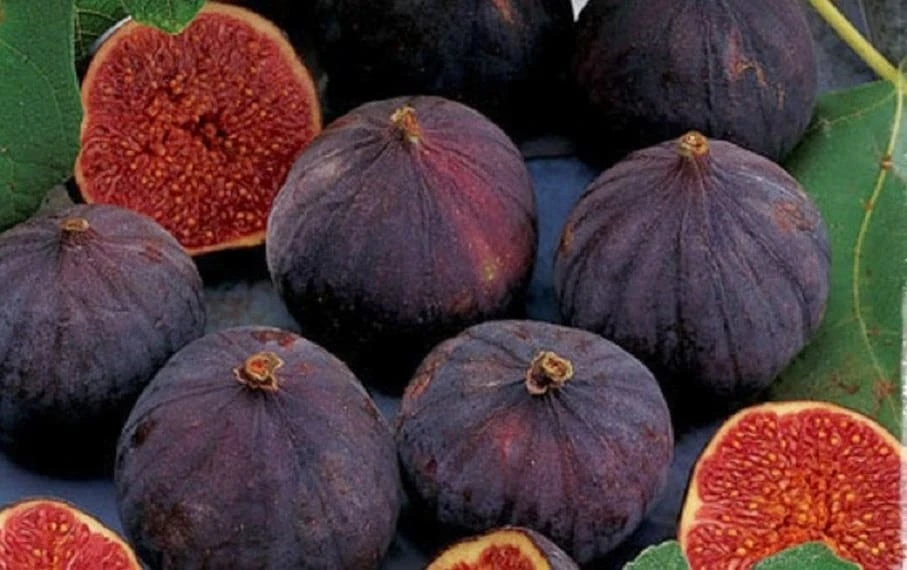
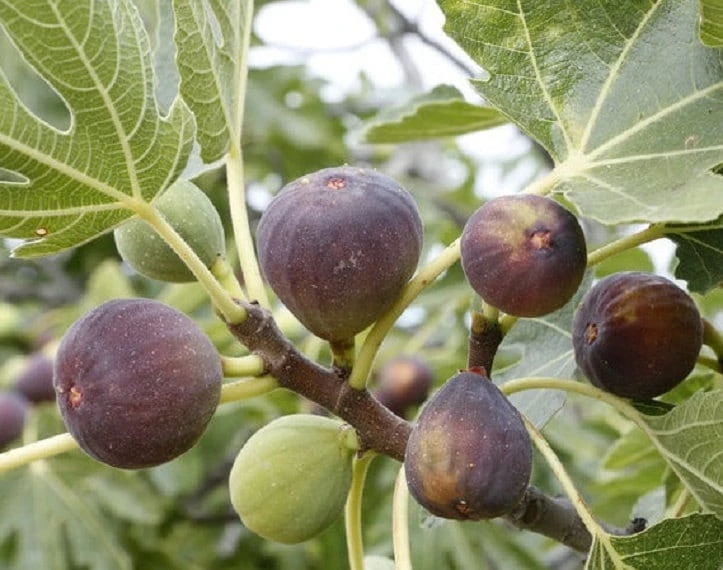
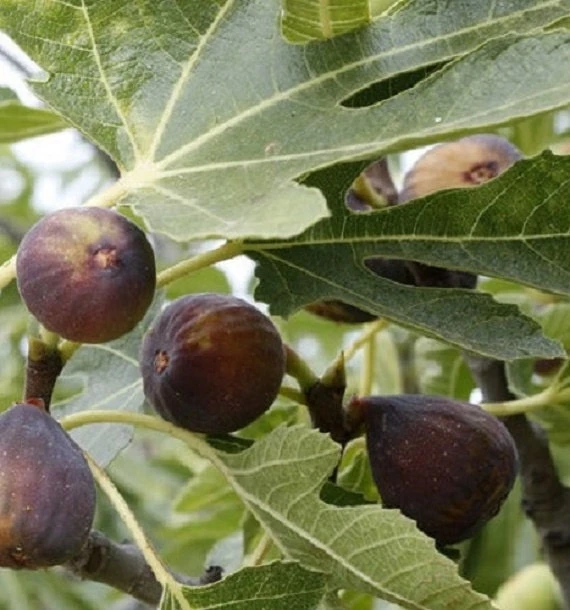
Embark on a rewarding gardening journey with the magnolia fig tree live plant. This exceptional variety, scientifically known as Ficus carica ‘Magnolia’, is celebrated for its medium to large-sized figs with an appealing reddish-brown skin and succulent amber to strawberry-colored flesh. As a robust and cold hardy fig tree, it thrives in a range of climates, bringing the joy of homegrown fruit to your garden. This fast-growing tree is an excellent choice for both novice and experienced gardeners looking to add a productive and ornamental element to their landscape. Our plants are approximately 1-2 years old and stand 2-3 feet tall, ready to establish quickly in your outdoor space.
The Magnolia Fig is also known by other names such as Brunswick, Dalmation, and Madonna, highlighting its widespread popularity and distinct characteristics. Its vigorous growth habit ensures a relatively quick establishment, allowing you to enjoy harvests sooner. Whether you’re planning to enjoy the fruits fresh off the branch or preserve them for later, this fig tree offers a bountiful yield of truly delicious figs.
Key Benefits
The magnolia fig tree live plant offers a multitude of benefits, making it a highly desirable addition to any garden or orchard. Its ease of care combined with its generous production makes it a standout choice for fruit enthusiasts.
- Delicious, Versatile Fruit: Produces large, sweet red figs with amber to strawberry-colored flesh, ideal for eating fresh, canning, or making preserves. The flavor of this sweet red fig fruit is truly exceptional.
- Cold Hardy & Adaptable: Known for its resilience, this fig tree is remarkably cold hardy, thriving in USDA Zones 7-10. It can withstand minimum temperatures down to 5°F, making it suitable for many temperate regions.
- Fast Growing & Productive: The Magnolia Fig is a fast-growing tree that begins bearing fruit within 1-2 years, providing quick gratification for your gardening efforts. It produces fruit from mid-July to late August.
- Self-Fertile & Easy Pollination: No need for companion plants; this fig tree is self-fertile, simplifying the pollination process and ensuring consistent fruit production without extra effort.
- Attractive Landscape Addition: Beyond its fruit-bearing capabilities, the tree matures to a height of 10-15 feet, offering a beautiful addition to your landscape with its lush foliage.
- Low Maintenance: Once established, the magnolia fig tree live plant requires minimal ongoing care, making it an excellent choice for gardeners seeking a productive yet undemanding fruit tree.
- Excellent for Fresh Eating: The juicy and sweet taste of the figs makes them a perfect snack straight from the tree, offering a healthy and delicious treat.
Plant Care & Growing Tips
Proper care is essential for ensuring your magnolia fig tree live plant flourishes and produces abundant fruit. This variety is relatively forgiving, but understanding its specific needs will lead to the best results. For successful growing fig trees, consider the following environmental and cultural practices.
This fig tree thrives in full sun exposure, requiring at least 6-8 hours of direct sunlight daily for optimal growth and fruit development. Well-draining soil is crucial; while adaptable, it prefers a rich, loamy soil. When watering, ensure the soil remains consistently moist but not waterlogged, especially during the fruiting season. Established trees are more drought-tolerant but will benefit from regular watering during dry spells. Fertilize in early spring with a balanced fertilizer formulated for fruit trees, following package instructions. The Magnolia Fig is suitable for USDA Zones 7-10, with a minimum temperature tolerance of 5°F. In colder regions of its zone, providing winter protection for young trees can be beneficial. Due to its open eye, it’s best suited for areas without excessively wet summers to prevent fruit souring. Harvest figs just before they are fully ripe to ensure the best flavor and shelf life.
Pruning should be done in late winter or early spring to shape the tree, remove dead or diseased branches, and encourage new growth. This also helps manage the size and improve air circulation, which is vital for fruit quality. Monitor for common fig pests and diseases, although the Magnolia Fig is generally robust. Addressing issues promptly will help maintain the health of your ficus carica magnolia. With consistent care, your tree will provide bountiful harvests for many years.
Size & Details
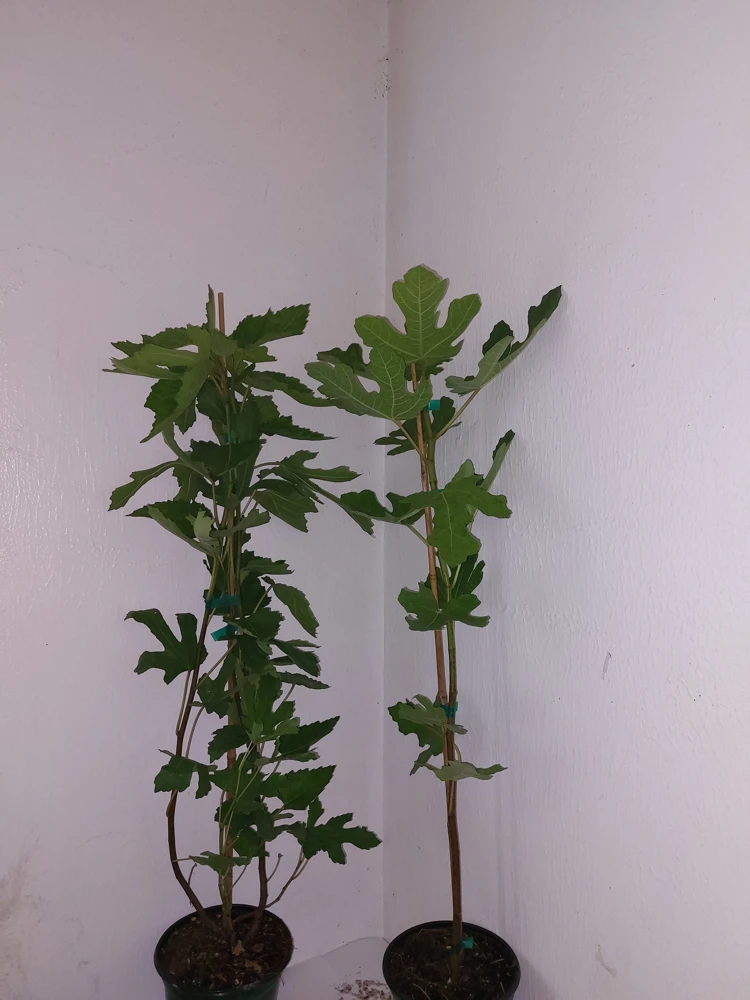
The magnolia fig tree live plant you will receive is a healthy, actively growing specimen, approximately 1-2 years old and standing 2-3 feet tall. It is grown in a #1 size pot, which is equivalent to a 1-gallon nursery container. This size ensures a well-established root system, allowing for a smooth transition into your garden. The tree is expected to reach a mature height of 10-15 feet, developing a broad canopy that provides ample shade and abundant fruit. Bearing age typically begins within 1-2 years after planting, with fruit ripening from mid-July to late August, and a second ‘Breba’ crop in spring. This fast growth and early fruiting make it a highly desirable choice for those eager to enjoy their own sweet red fig fruit.
The self-fertile nature of this tree means you only need one plant to produce fruit, simplifying garden planning. It requires full sun and is best suited for USDA Zones 7-10. The tree’s overall vigor and size make it an excellent focal point in a sunny garden spot or as part of a larger edible landscape. When considering growing fig trees, the Magnolia Fig offers a reliable and productive option with its impressive size and delicious yields.
Frequently Asked Questions
- Q: How big does this plant get? A: The magnolia fig tree live plant typically matures to a height of 10-15 feet, creating a substantial and productive addition to your garden. Its spread can also be significant, so allow ample space.
- Q: Is this an indoor or outdoor plant? A: This is primarily an outdoor plant, well-suited for gardens in USDA Zones 7-10. While it can be grown in containers and brought indoors in colder climates, it thrives best with full sun outdoors.
- Q: How much sunlight does it need? A: The Magnolia Fig requires full sun exposure, meaning at least 6-8 hours of direct sunlight per day, for optimal growth and fruit production. This is crucial for developing sweet and juicy figs.
- Q: Is this plant easy to care for? A: Yes, this cold hardy fig tree is considered relatively easy to care for once established. It requires consistent watering, good drainage, and full sun, making it suitable for gardeners of various skill levels.
- Q: What condition will it arrive in? A: Your magnolia fig tree live plant will arrive approximately 2-3 feet tall, with its roots protected, carefully prepared for shipping to ensure it reaches you in excellent health.
- Q: How long until it blooms and fruits? A: This fig tree typically begins bearing fruit within 1-2 years of planting. You can expect a Breba crop in spring and a main crop from mid-July to late August.
- Q: Will it survive winter in my zone? A: The Magnolia Fig is cold hardy down to 5°F, making it suitable for USDA Zones 7-10. In the colder parts of these zones, young trees may benefit from some winter protection.
- Q: Can I grow this ficus carica magnolia in a container? A: Yes, you can grow the Magnolia Fig in a large container, especially useful for those in colder climates who need to move the plant indoors during winter. Ensure the container is large enough to accommodate its growth.
- Q: What makes this a sweet red fig fruit? A: The Magnolia Fig is known for its rich, sweet flavor profile and attractive reddish-brown skin with amber to strawberry-colored flesh, making it a highly desirable fresh eating fig.
- Q: What are the pollination requirements for growing fig trees like this? A: This fig tree is self-fertile, meaning it does not require another fig tree for pollination. It will produce fruit on its own.
Be the first to review “Magnolia Fig Tree Live Plant – Sweet Red Fruit, Cold Hardy, 2-3 ft Tall”
Related products


You May Like

Hardneck vs. Softneck Garlic: Which Should You Grow?
Have you ever stood in front of a seed catalog in mid-September, staring at dozens [...]
Oct

When to Plant Music Garlic: Ultimate US Fall Guide
Have you ever spent your fall weekend placing carefully chosen garlic cloves into rich, dark [...]
1 Comment
Oct

5 Best Bulbs for Fall Planting: Brighten Your Garden This Spring
Are you dreaming of a garden full of vibrant colors in the spring? The key [...]
Aug

10 Houseplants That Will Thrive in Your Kitchen
Are you tired of your kitchen feeling dull and lifeless? Want to add a little [...]
1 Comment
Aug
Reviews
There are no reviews yet.