
Malus baccata var. himalaica Seeds – Himalayan Crabapple, 10 Seeds
Original price was: 48.99 $.23.99 $Current price is: 23.99 $.
Cultivate stunning ornamental trees with our Malus baccata var. himalaica seeds. These Himalayan crabapple seeds are perfect for adding beauty and wildlife interest to your garden. Enjoy the vibrant blooms and small, decorative fruits these hardy trees produce.
Estimated arrival
Oct 15
Oct 20 - Oct 22
Oct 22 - Oct 27
See our Shipping Policy.
Get in touch with us via email, and our team will review your concerns.
Our Alive & Thrive Guarantee covers issues with your plants within the first 30 days. Read our Refund & Returns Policy.
-
USDA Hardiness Zone
USDA Zones 4-8 -
Soil Type
Well-draining, loamy soil -
Sunlight Exposure
Full sun -
Expected Planting Period
Early spring after stratification
Overview
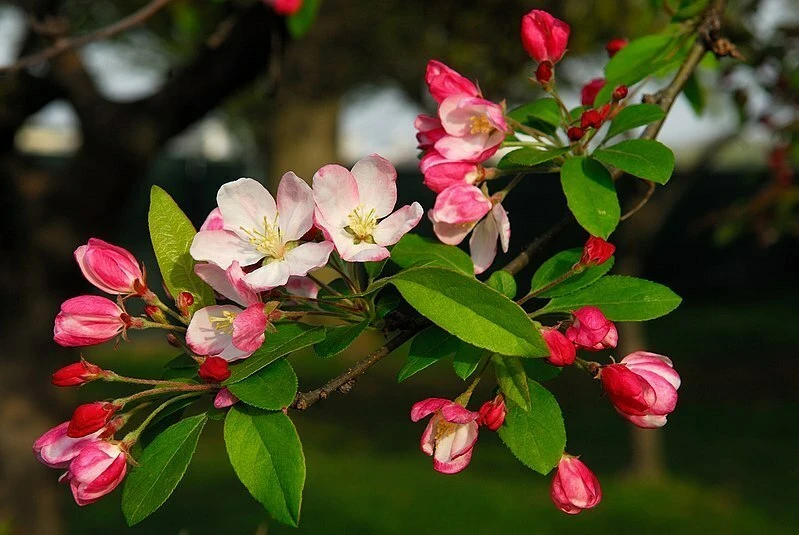
Embark on a rewarding gardening journey by cultivating the elegant Malus baccata var. himalaica seeds. Also known as the Himalayan Crabapple, this tree is celebrated for its exceptional ornamental value, making it a superb addition to any landscape. These seeds offer the opportunity to grow a resilient and beautiful tree from scratch, providing a unique sense of accomplishment for any gardener. The Himalayan crabapple seeds will eventually yield a tree known for its profusion of delicate white to pink blossoms in spring, followed by small, often colorful, persistent crabapples that add visual interest well into winter. Ideal for attracting various bird species, the Himalayan Crabapple is not just a treat for the eyes but also a boost for local wildlife. Growing your own crabapple tree seeds allows for greater control over the initial stages of development, ensuring a strong and healthy foundation for years to come.
The Malus baccata var. himalaica is a hardy variety, well-suited to a range of climates, and can adapt to various soil conditions once established. Its relatively compact size makes it suitable for both larger estates and more modest garden spaces, where it can serve as a stunning focal point or a valuable component of a mixed planting scheme. These ornamental tree seeds provide an economical and fulfilling way to enhance your garden’s biodiversity and aesthetic appeal. Prepare to be enchanted by the seasonal transformation of this magnificent tree, from its early spring bloom to its autumn fruit display, offering continuous beauty and ecological benefits.
Key Benefits
Growing Malus baccata var. himalaica seeds offers a multitude of benefits for your garden and local ecosystem. These seeds are a gateway to creating a vibrant and thriving outdoor space. Discover the advantages of incorporating the Himalayan Crabapple into your landscape:
-
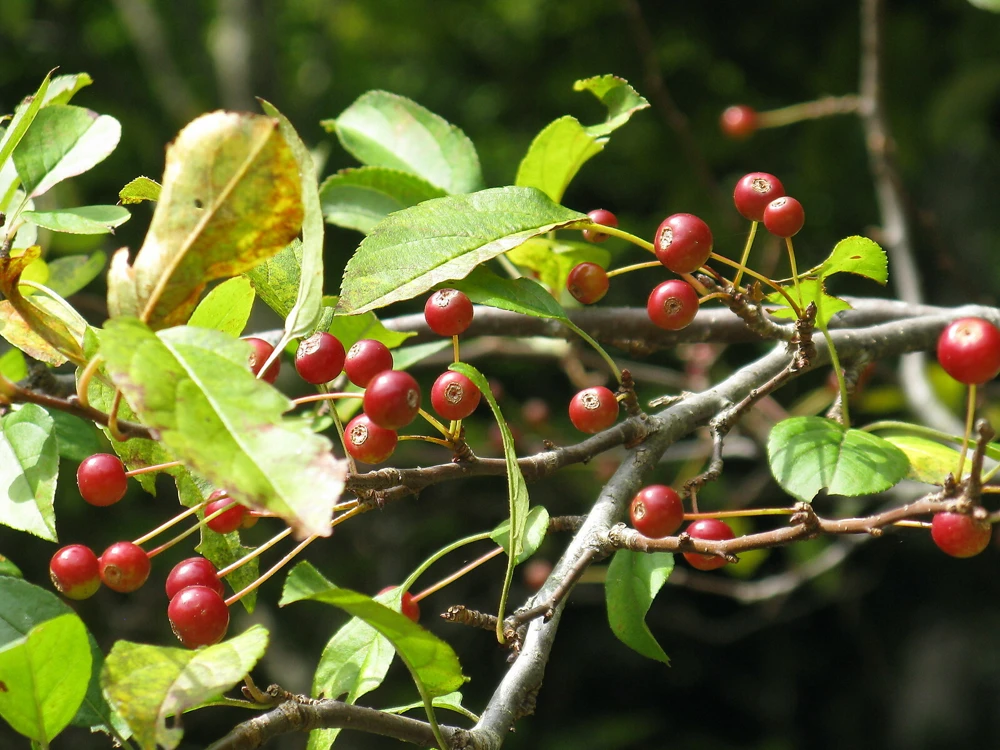
Exceptional Ornamental Value: The Himalayan Crabapple boasts stunning seasonal displays. In spring, it is covered in a spectacular flush of white or pale pink blossoms, creating a breathtaking focal point. As the seasons progress, it produces small, often reddish-yellow fruits that persist on the branches, providing visual interest and color through autumn and into winter.
-
Wildlife Attraction: These trees are a magnet for local wildlife. The abundant flowers provide nectar for pollinators like bees, while the persistent crabapples serve as a crucial food source for various bird species during the colder months, supporting biodiversity in your garden.
-
Hardy and Adaptable:Malus baccata var. himalaica is known for its robust nature and adaptability to different environmental conditions. Once established, it can tolerate a range of soil types and is generally resistant to common crabapple diseases, making it a reliable choice for many regions.
-
Sustainable Gardening Choice: By choosing to grow crabapple from seed, you engage in a sustainable gardening practice. It’s an environmentally friendly way to expand your garden, contributing to green spaces and reducing the carbon footprint associated with transporting mature plants.
-
Educational and Rewarding: The process of nurturing Malus baccata var. himalaica seeds from germination to a mature tree is incredibly rewarding. It offers a hands-on learning experience for gardeners of all levels, providing insights into plant life cycles and cultivation techniques.
-
Versatile Landscape Use: Whether used as a specimen tree, part of a mixed border, or even in a naturalized setting, the Himalayan Crabapple fits beautifully into various garden designs. Its moderate size makes it suitable for both spacious and more confined areas, enhancing curb appeal and garden structure.
Plant Care & Growing Tips
Successfully growing Malus baccata var. himalaica seeds requires patience and attention to specific cultural requirements. Stratification is often necessary for these Himalayan crabapple seeds to break dormancy. This typically involves a period of cold, moist storage for 60-90 days before planting. Once stratified, sow the seeds in well-draining seed-starting mix, lightly covering them with soil. Maintain consistent moisture but avoid waterlogging. Germination can be erratic and may take several weeks to months, so be patient.
For optimal growth, the Himalayan Crabapple thrives in full sun, meaning at least 6 hours of direct sunlight per day. It prefers well-drained, loamy soil with a slightly acidic to neutral pH. While tolerant of various soil types, avoid heavy, waterlogged clay soils. Water regularly during the first few years to help establish a strong root system, especially during dry periods. Once mature, the tree is moderately drought-tolerant. Fertilize annually in spring with a balanced slow-release fertilizer designed for flowering trees. Pruning should be done in late winter or early spring to remove dead, damaged, or crossing branches, and to maintain a desirable shape. Watch out for common crabapple issues like apple scab or cedar-apple rust, though Malus baccata var. himalaica is generally quite resistant. Proper air circulation and sanitation can help prevent fungal diseases. The effort to grow crabapple from seed will be well worth it when you see your tree flourishing.
Size & Details
Our offering includes 10 Malus baccata var. himalaica seeds, providing a generous quantity for your planting projects. These Himalayan crabapple seeds are sourced to ensure viability and genetic integrity. When mature, the Himalayan Crabapple typically grows to a height of 15-25 feet with a similar spread, forming an attractive rounded crown. Its growth rate is considered moderate, meaning it will establish and grow at a steady pace, providing noticeable development within a few years of planting. The small crabapples, usually less than an inch in diameter, ripen in late summer to early autumn and often persist throughout winter, offering extended seasonal interest.
These ornamental tree seeds will arrive carefully packaged to protect their integrity during transit. The germination process can vary, but with proper stratification and care, you can expect to see seedlings emerge. From these humble beginnings, you can cultivate a magnificent specimen tree that will become a cherished part of your garden for decades. While initial growth from crabapple tree seeds is slow, the tree’s resilience and long lifespan make it a truly worthwhile investment for any landscape. Expect the first significant blooms and fruits to appear within 3-5 years of planting, depending on growing conditions.
Frequently Asked Questions
-
Q: How big does the Malus baccata var. himalaica tree get? A: The Malus baccata var. himalaica typically grows to a mature height of 15-25 feet with a similar spread, forming a rounded, attractive canopy. Its size makes it suitable for various garden settings without becoming overly dominant.
-
Q: Is this an indoor or outdoor plant? A: The Himalayan Crabapple is an outdoor tree. While you can start the Malus baccata var. himalaica seeds indoors, the resulting tree requires outdoor conditions to thrive and reach its full potential, including seasonal changes and ample sunlight.
-
Q: How much sunlight does it need? A: This tree prefers full sun, which means it needs at least 6 hours of direct sunlight per day to ensure healthy growth, abundant flowering, and good fruit production. Partial shade may be tolerated but could result in fewer blooms.
-
Q: Is it good for beginners to grow Malus baccata var. himalaica from seed? A: Growing Himalayan crabapple seeds can be a rewarding experience for beginners, but it does require patience, especially with the stratification process. Following detailed instructions will greatly increase your success rate for these ornamental tree seeds.
-
Q: What condition will the seeds arrive in? A: The Malus baccata var. himalaica seeds will arrive as dried seeds, ready for stratification and planting. They are carefully packaged to ensure their quality and viability during shipping.
-
Q: When is the best time to plant Malus baccata var. himalaica seeds? A: After undergoing the necessary cold stratification period, the best time to sow your crabapple tree seeds is in late winter or early spring, mimicking their natural germination cycle. This allows seedlings to establish during the warmer months.
-
Q: Will it survive winter in my zone? A: The Himalayan Crabapple is known for its hardiness. It is generally suitable for USDA Zones 4-8, meaning it can tolerate cold winter temperatures within this range. Check your specific zone to ensure it’s a good fit for your climate.
-
Q: Do I need to stratify these Malus baccata var. himalaica seeds? A: Yes, cold stratification is typically required for Malus baccata var. himalaica seeds to break dormancy and promote successful germination. This process usually involves placing the seeds in a moist, cold environment for 60-90 days.
-
Q: What kind of soil does the Himalayan Crabapple prefer? A: The Himalayan Crabapple thrives in well-drained, loamy soil. It can tolerate a range of soil types but performs best in soil that is rich in organic matter and has a slightly acidic to neutral pH. Good drainage is crucial to prevent root rot.
-
Q: How long does it take for the tree to produce fruit from seed? A: While germination from Malus baccata var. himalaica seeds can vary, a tree grown from seed typically starts producing flowers and fruits within 3-5 years after planting, given optimal growing conditions and care. The first few years are crucial for establishing a strong root system.
Be the first to review “Malus baccata var. himalaica Seeds – Himalayan Crabapple, 10 Seeds”
Related products


You May Like

Hardneck vs. Softneck Garlic: Which Should You Grow?
Have you ever stood in front of a seed catalog in mid-September, staring at dozens [...]
Oct

When to Plant Music Garlic: Ultimate US Fall Guide
Have you ever spent your fall weekend placing carefully chosen garlic cloves into rich, dark [...]
1 Comment
Oct

5 Best Bulbs for Fall Planting: Brighten Your Garden This Spring
Are you dreaming of a garden full of vibrant colors in the spring? The key [...]
Aug

10 Houseplants That Will Thrive in Your Kitchen
Are you tired of your kitchen feeling dull and lifeless? Want to add a little [...]
1 Comment
Aug
Reviews
There are no reviews yet.