
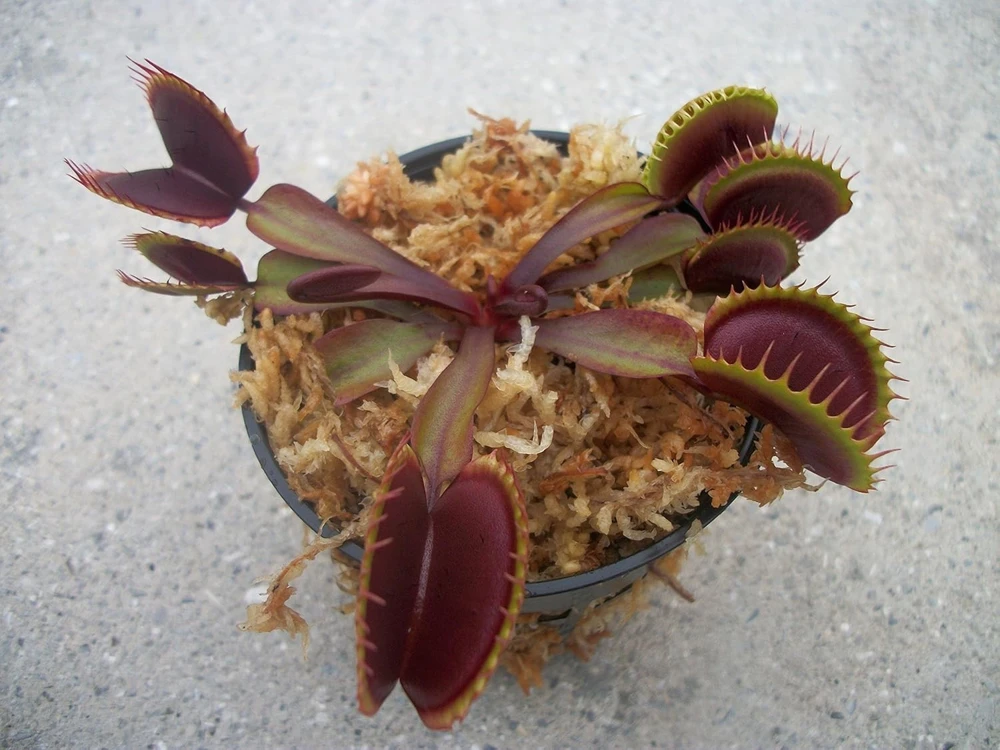
Maroon Monster Venus Flytrap Live Plant – Carnivorous Dionaea
Original price was: 93.48 $.53.48 $Current price is: 53.48 $.
Bring home the captivating maroon monster venus flytrap, a unique carnivorous plant known for its striking red traps. This venus flytrap care is surprisingly easy, making it an excellent choice for both beginner and experienced plant enthusiasts. Perfect for indoor and outdoor settings, this dionaea muscipula adds an exotic touch to any collection.
Estimated arrival
Oct 17
Oct 22 - Oct 24
Oct 24 - Oct 29
See our Shipping Policy.
Get in touch with us via email, and our team will review your concerns.
Our Alive & Thrive Guarantee covers issues with your plants within the first 30 days. Read our Refund & Returns Policy.
-
USDA Hardiness Zone
9 (20 to 30 °F) -
Soil Type
Peat-based, acidic, well-draining -
Sunlight Exposure
Full Sun -
Expected Planting Period
Year-round indoors; spring to summer outdoors
Overview
Welcome to the fascinating world of carnivorous plants with the spectacular maroon monster venus flytrap. This particular cultivar of Dionaea Muscipula is highly sought after for its exceptionally large, deep maroon traps, which develop a more intense coloration with ample sunlight. Unlike typical green Venus Flytraps, the ‘Maroon Monster’ offers a dramatic visual appeal, making it a true centerpiece in any plant collection. Each maroon monster venus flytrap is a living testament to nature’s ingenuity, actively capturing and digesting insects to supplement its nutrient intake. This makes it not only a beautiful ornamental plant but also a natural pest control solution for your home or garden. Whether you’re a seasoned collector of exotic flora or a curious beginner, this live carnivorous plant promises endless intrigue and beauty. Its unique growth habit and striking appearance ensure it stands out among other houseplants, providing a constant source of wonder as it performs its captivating hunts.
Key Benefits
Owning a maroon monster venus flytrap offers a multitude of benefits, from its striking aesthetics to its practical insect control capabilities. This unique carnivorous plant indoor or outdoor specimen brings a touch of the extraordinary into your environment.
- Natural Pest Control: The primary and most fascinating benefit is its ability to naturally capture and digest small insects like flies, gnats, and spiders. This provides an eco-friendly way to manage household pests.
- Striking Visual Appeal: With its deep maroon traps and vibrant green foliage, the ‘Maroon Monster’ is an incredibly attractive plant that adds a dramatic splash of color and unique texture to any plant display or terrarium.
- Educational Value: Observing the dionaea muscipula in action, as it snaps shut on unsuspecting prey, offers an incredible educational experience for all ages, highlighting the wonders of the plant kingdom.
- Low Maintenance for the Right Conditions: While unique in its needs, once established in the correct environment with proper venus flytrap care, these plants are surprisingly resilient and require minimal intervention.
- Conversation Starter: Its unusual nature and active hunting mechanism make the maroon monster venus flytrap an instant conversation starter, drawing attention and admiration from guests.
- Adaptable Indoors and Outdoors: This versatile plant thrives both as an indoor specimen on a sunny windowsill and outdoors in bog gardens or containers in appropriate climates.
- Unique Collector’s Item: For plant enthusiasts and collectors, the ‘Maroon Monster’ is a prized possession, representing a unique and highly desirable cultivar within the carnivorous plant community.
Plant Care & Growing Tips
Proper venus flytrap care is crucial for the health and longevity of your maroon monster venus flytrap. These plants have specific requirements that, once understood, make them relatively easy to grow. They thrive in conditions that mimic their natural boggy habitats.
Sunlight Requirements: Your maroon monster venus flytrap needs abundant sunlight to develop its vibrant maroon coloration and grow robustly. Aim for at least 6-8 hours of direct sunlight daily. If growing indoors, a south-facing window is ideal. Artificial grow lights can also be used to supplement natural light, especially during shorter winter days. Insufficient light will result in pale green traps and slower growth, diminishing the plant’s characteristic ‘maroon monster’ appearance.
Watering Schedule and Soil Moisture: These plants require consistently moist soil. Use only distilled water, rainwater, or reverse osmosis water. Tap water, even filtered, often contains minerals and chemicals that can harm Venus Flytraps over time. The tray method is highly recommended: place the potted plant in a tray filled with about 1-2 inches of pure water. Allow the tray to dry out completely before refilling, usually every 1-3 days depending on humidity and temperature. Never let the soil dry out completely, but also avoid constantly saturated conditions to prevent root rot. Heavy watering is generally preferred over light, frequent watering to ensure the entire soil column is moistened.
Soil Type and Drainage: The ideal soil mix for your dionaea muscipula is nutrient-poor and acidic. A common and effective mix is a 50/50 blend of peat moss (sphagnum peat moss, not coir) and perlite or horticultural sand. Avoid potting soils containing fertilizers or compost, as these will quickly kill your plant. Good drainage is essential, even though they like moisture, stagnant water around the roots can be detrimental. The peat/perlite mix provides the necessary aeration while retaining moisture.
Temperature Range and USDA Hardiness Zone: The maroon monster venus flytrap is hardy in USDA zones 9 (20 to 30 °F) and above. They can tolerate temperatures as low as 20°F during their dormancy period. During the growing season (spring to fall), they prefer temperatures between 65-95°F. They require a winter dormancy period, typically from late fall to early spring, where temperatures should be cooler (around 40-55°F) and light exposure reduced. This dormancy is crucial for the plant’s long-term health. If temperatures drop below freezing for extended periods outdoors, some protection may be necessary.
Fertilization: Do not fertilize your Venus Flytrap through the soil. They obtain all necessary nutrients from the insects they catch. Fertilizers can burn their sensitive roots and kill the plant. If your plant is not catching enough insects, you can occasionally feed it small, live insects (like crickets or mealworms) directly into its traps. Ensure the insect is small enough not to rot inside the trap. This is particularly important for a thriving flytrap plant for sale that you want to keep healthy.
Common Problems and Solutions: Yellowing leaves often indicate overwatering with improper water, lack of light, or the need for dormancy. Black traps are normal as old traps die off, but widespread blackening can signal stress or improper care. Ensure consistent moisture with pure water and adequate sunlight. Pests are rare, but aphids or mealybugs can sometimes appear; a gentle rinse with pure water or careful manual removal is usually sufficient.
Size & Details
This maroon monster venus flytrap is typically shipped as a live, healthy plant, ready to be transplanted into its new home. The plant form is a robust, well-rooted specimen, ensuring a strong start in your care. While specific dimensions can vary, these plants generally arrive with several active traps, often reaching 1-2 inches in length when mature, with the entire plant forming a clumping growth habit. The ‘Maroon Monster’ cultivar is known for its larger-than-average traps and vigorous growth. Expect your plant to gradually increase in size, especially during the active growing seasons of spring and summer, given optimal conditions. It’s a deciduous plant, meaning its foliage will die back during its winter dormancy period, only to re-emerge with renewed vigor in the spring. The plant will typically be shipped in a nursery pot, ready for you to transfer to a decorative container or a dedicated bog garden setup. With proper venus flytrap care, this plant will thrive and continue to grow, producing more stunning maroon traps.
Frequently Asked Questions
- Q: How big does this maroon monster venus flytrap get? A: The ‘Maroon Monster’ cultivar is known for its larger traps, which can reach up to 1-2 inches in length. The entire plant typically forms a clump that can be several inches in diameter, growing larger over time with proper care.
- Q: Is this an indoor or outdoor plant? How much sunlight does it need? A: This dionaea muscipula can thrive both indoors and outdoors. It requires at least 6-8 hours of direct sunlight daily to develop its best maroon coloration and grow strongly. Indoors, a sunny south-facing window is ideal.
- Q: Is this plant easy to care for? Is it good for beginners? A: With a clear understanding of its specific needs, the maroon monster venus flytrap is surprisingly easy to care for and is suitable for enthusiastic beginners. The key is providing the right water (distilled/rainwater), soil (peat/perlite), and plenty of sun.
- Q: What condition will it arrive in? Is it shipped in soil? A: Your flytrap plant for sale will arrive as a live, healthy plant, typically potted in its appropriate soil mix. It will be carefully packaged to ensure its safe journey to your home, ready for immediate placement or transplanting.
- Q: What kind of water should I use for my venus flytrap care? A: It is crucial to only use distilled water, rainwater, or reverse osmosis water. Tap water contains minerals that can harm and eventually kill your plant.
- Q: When is the best time to plant or repot a Venus Flytrap? A: The best time to plant or repot your maroon monster venus flytrap is during its dormancy period, typically in late winter or early spring, just before new growth begins.
- Q: Will it survive winter in my zone? What’s the minimum temperature? A: The ‘Maroon Monster’ is hardy in USDA Zone 9 (20 to 30 °F) and above. It requires a winter dormancy period with cooler temperatures (around 40-55°F). If your outdoor temperatures fall below 20°F for extended periods, it’s best to bring it indoors to a cool, unheated area or provide protection.
Be the first to review “Maroon Monster Venus Flytrap Live Plant – Carnivorous Dionaea”
Related products


HousePlants
Plectranthus Swedish Ivy Plant Live Purple Houseplant 2-Pack Starter Plants for Indoor Gardens


HousePlants
Plectranthus Swedish Ivy Live Plants – 2 Pack, 4-6″ Tall, Purple Houseplants for Indoor Gardens

HousePlants
Variegated Houseplant Pink Princess Philodendron Live Plant 4-8 Inches Tropical Well Rooted

You May Like

Hardneck vs. Softneck Garlic: Which Should You Grow?
Have you ever stood in front of a seed catalog in mid-September, staring at dozens [...]
Oct

When to Plant Music Garlic: Ultimate US Fall Guide
Have you ever spent your fall weekend placing carefully chosen garlic cloves into rich, dark [...]
1 Comment
Oct

5 Best Bulbs for Fall Planting: Brighten Your Garden This Spring
Are you dreaming of a garden full of vibrant colors in the spring? The key [...]
Aug

10 Houseplants That Will Thrive in Your Kitchen
Are you tired of your kitchen feeling dull and lifeless? Want to add a little [...]
1 Comment
Aug
Reviews
There are no reviews yet.