


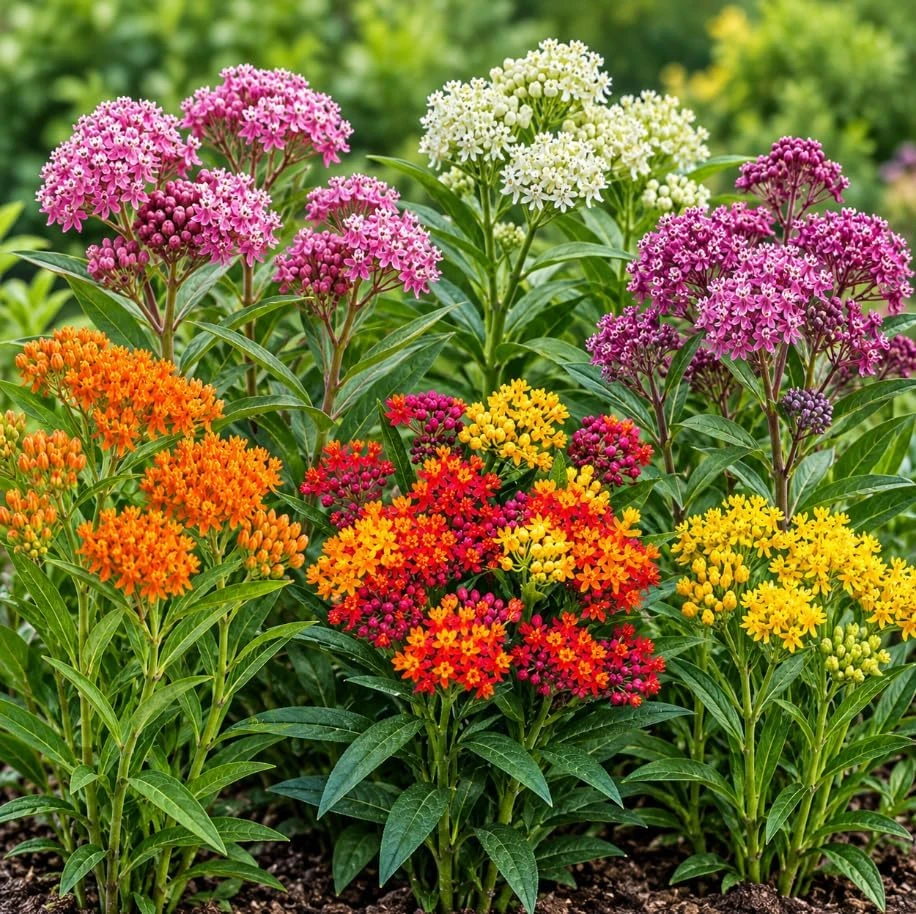
Mixed Milkweed Live Plant – Random Variety, 4-7 Inches Tall, Hardy Perennial for Outdoor Gardens
Original price was: 46.99 $.11.99 $Current price is: 11.99 $.
Bring life to your garden with a mixed milkweed live plant. This 4-7 inch tall, random variety is a hardy milkweed plant, perfect as an asclepias perennial starter for attracting butterflies. Ideal for outdoor gardens in USDA Zones 3-9.
Estimated arrival
Oct 15
Oct 20 - Oct 22
Oct 22 - Oct 27
See our Shipping Policy.
Get in touch with us via email, and our team will review your concerns.
Our Alive & Thrive Guarantee covers issues with your plants within the first 30 days. Read our Refund & Returns Policy.
-
USDA Hardiness Zone
USDA Zones 3-9 -
Soil Type
Well-draining soil -
Sunlight Exposure
Full sun -
Expected Planting Period
Spring to early summer
Overview
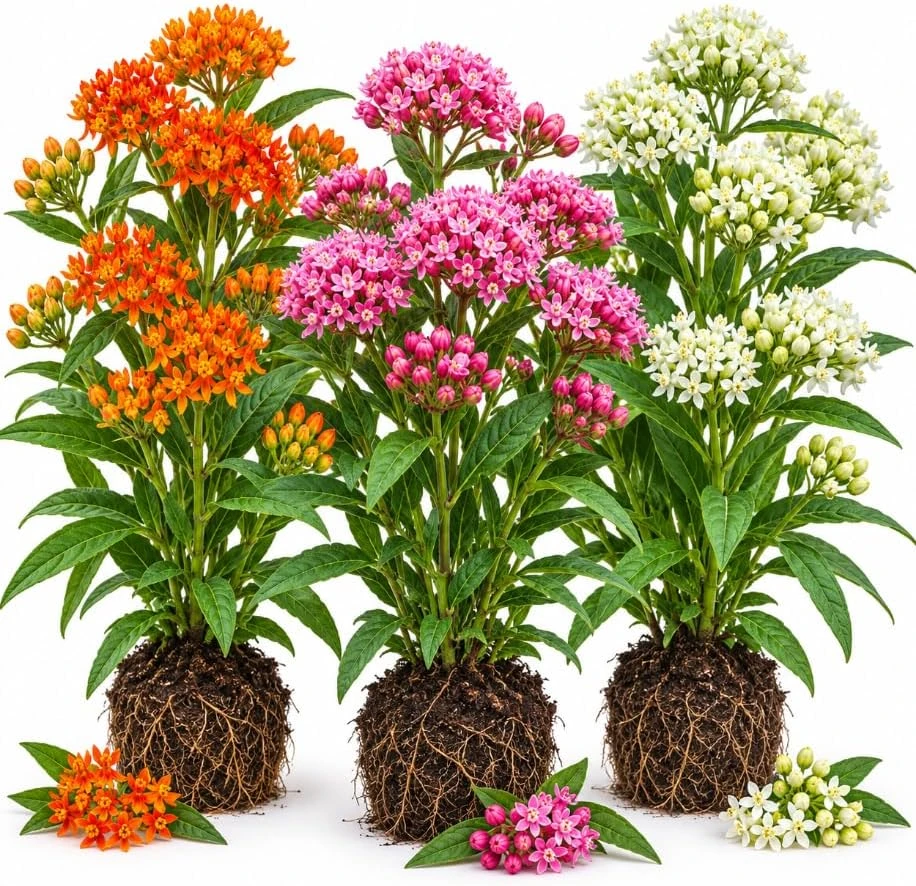
Introduce the beauty of nature to your outdoor space with a mixed milkweed live plant. This vibrant perennial is a crucial addition for any garden aspiring to support local ecosystems, especially monarch butterflies. Arriving as a healthy starter plant, typically 4-7 inches tall, this random variety of Asclepias offers an exciting surprise as it matures. Milkweed is not only visually appealing with its unique blooms but also serves as the sole host plant for monarch butterfly caterpillars, making it an ecological cornerstone for these beloved pollinators. Planting milkweed contributes directly to the conservation efforts of monarch populations, which have faced significant decline.
Our mixed milkweed live plant provides a robust foundation for a thriving butterfly garden. These plants are carefully cultivated to ensure they are hardy and ready to establish quickly in your landscape. Whether you’re a seasoned gardener or just starting, incorporating milkweed into your garden is a rewarding experience, transforming your outdoor area into a haven for butterflies and other beneficial insects. Embrace the joy of watching monarch caterpillars munch on leaves and transform into magnificent butterflies right in your own backyard.
Key Benefits
Cultivating a mixed milkweed live plant offers numerous advantages for both your garden and the environment. These plants are more than just decorative; they play a vital role in supporting biodiversity.
- Monarch Butterfly Host Plant: The primary benefit of planting milkweed is its essential role as the sole food source for monarch butterfly caterpillars. By providing this crucial habitat, you directly contribute to the survival and population recovery of these iconic pollinators. A healthy butterfly milkweed plant ensures the next generation of monarchs.
- Attracts Diverse Pollinators: Beyond monarchs, milkweed flowers are rich in nectar, attracting a wide array of other pollinators such as bees, hummingbirds, and various butterfly species, enhancing the overall biodiversity of your garden.
- Low Maintenance & Hardy: Once established, these hardy milkweed plant varieties are remarkably resilient and require minimal care. They are known for their ability to thrive in various conditions, making them an excellent choice for gardeners seeking beauty with less effort.
- Drought Tolerant: Many milkweed species are naturally adapted to drier conditions, making them a water-wise choice for sustainable gardening, especially in regions with water conservation concerns.
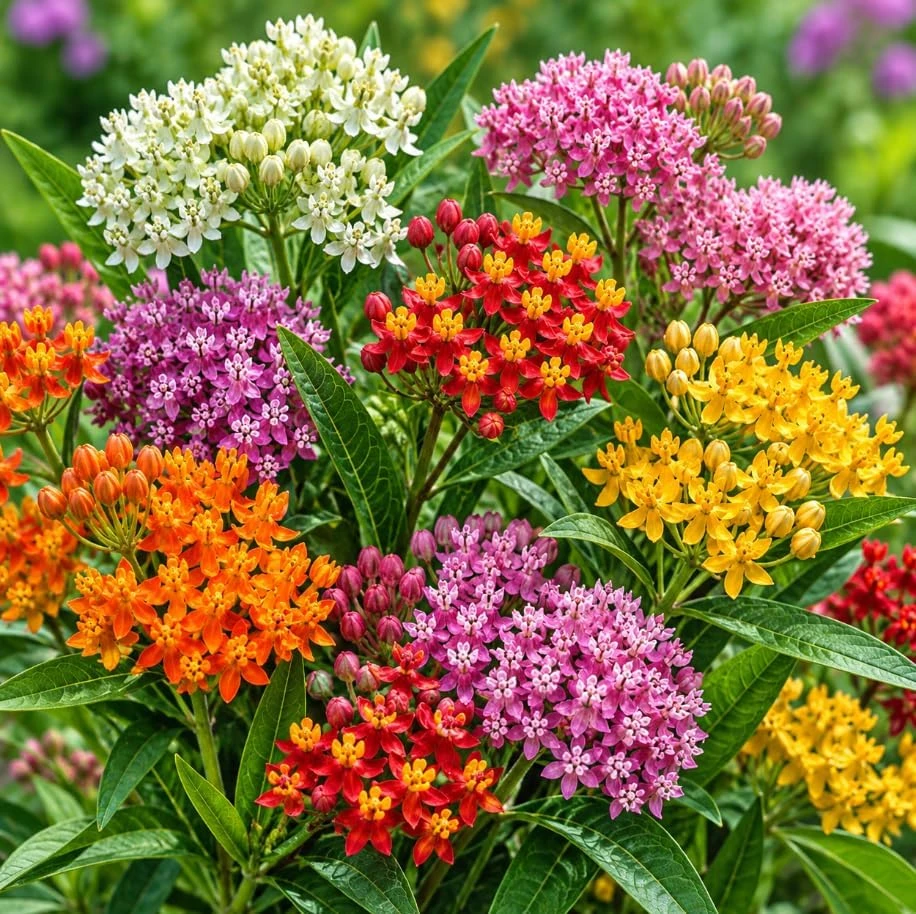
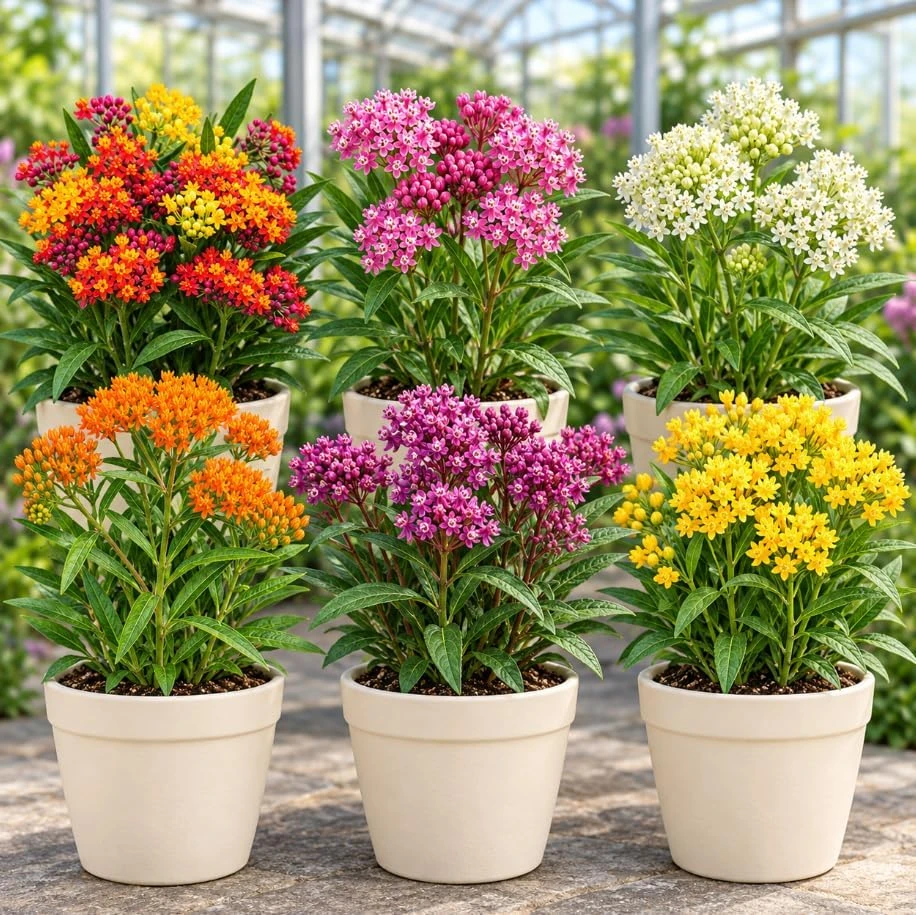
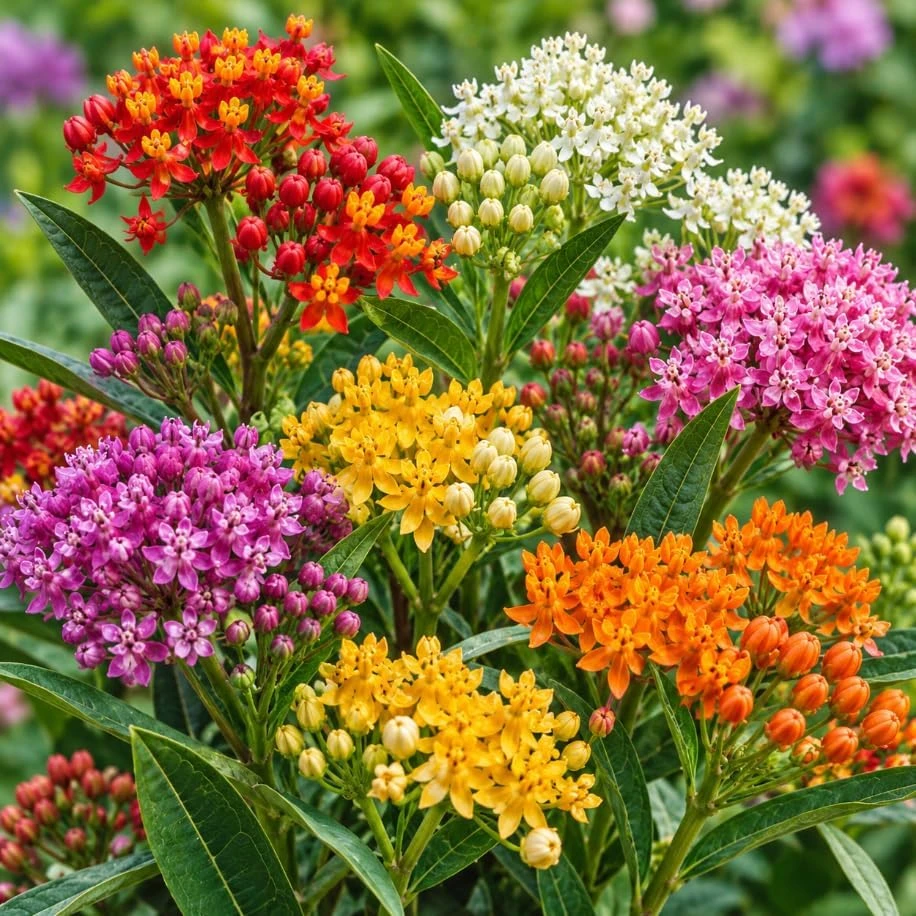
- Beautiful & Unique Blooms: Milkweed plants produce interesting and often colorful flower clusters, adding a unique aesthetic appeal to garden beds, borders, and naturalized areas. The random variety ensures a delightful surprise.
- Supports Ecosystem Health: By integrating native plants like milkweed, you help restore natural habitats and support the intricate web of life within your local ecosystem, fostering a healthier environment.
- Educational Opportunity: Growing milkweed provides an incredible opportunity to observe the life cycle of monarch butterflies firsthand, making it an engaging and educational experience for families and children.
Plant Care & Growing Tips
Caring for your mixed milkweed live plant is straightforward, especially since these are hardy perennials. To ensure your asclepias perennial starter thrives and becomes a strong host for butterflies, consider these essential growing tips. Milkweed plants require ample sunlight to flourish. Plant them in a location that receives at least 6-8 hours of full sun daily. While they can tolerate some partial shade, too little sun will result in leggy growth and fewer blooms. For outdoor planting, choose a spot with good air circulation.
When it comes to watering, milkweed prefers well-draining soil and can tolerate periods of dryness once established. During the initial planting phase and dry spells, water regularly to help the roots establish. Avoid overwatering, as consistently soggy soil can lead to root rot. A sandy or loamy soil mix is ideal, ensuring proper drainage. These plants are generally not heavy feeders; an annual application of compost in the spring is usually sufficient. Avoid high-nitrogen fertilizers, which can promote leafy growth at the expense of flowers. Milkweed is suitable for outdoor perennial growing in USDA Zones 3-9, meaning it can withstand a wide range of winter temperatures and will return year after year.
Pest and disease issues are generally minimal for milkweed for butterflies. Aphids are sometimes attracted to milkweed, but they typically do not cause significant damage and can be managed with a strong spray of water or by encouraging natural predators like ladybugs. Avoid using systemic pesticides, as these can harm monarch caterpillars. Deadheading spent flowers can encourage more blooms, though allowing some seed pods to mature will help the plant self-seed and provide more plants for future seasons. In colder zones, the plant will die back to the ground in winter and re-emerge in spring.
Size & Details
This offering is for one mixed milkweed live plant, provided as a robust starter. Upon arrival, the plant will be approximately 4-7 inches tall, ready for immediate planting in your outdoor garden. These are shipped without a pot to minimize waste and shipping costs, making them easy to transplant directly into the ground or a larger container. Once established, these hardy perennials can grow approximately 18-36 inches tall, forming a substantial presence in your garden. The mature width will vary depending on the specific variety and growing conditions, typically spreading 12-24 inches.
As a perennial, this asclepias perennial starter will return year after year, providing continuous habitat for monarch butterflies. Expect blooms from early summer through fall, depending on your climate zone and the specific variety you receive. The random variety ensures a unique addition to your garden, with potential for different flower colors and forms within the milkweed family. These plants are grown to be vigorous and healthy, ensuring a successful start to your butterfly haven. Please note that exact bloom time and mature size can vary slightly based on environmental factors and specific genetic traits of the random variety.
Frequently Asked Questions
- Q: How big does this plant get? A: This mixed milkweed live plant arrives approximately 4-7 inches tall. Once established, it typically grows to a mature height of 18-36 inches, with a spread of 12-24 inches, depending on the specific variety and growing conditions.
- Q: Is this an indoor or outdoor plant? A: This is a hardy milkweed plant specifically intended for outdoor gardens. It thrives in full sun and is a perennial in USDA Zones 3-9, meaning it will return each year.
- Q: How much sunlight does it need? A: Milkweed requires full sun exposure, meaning at least 6-8 hours of direct sunlight daily, to ensure robust growth and abundant blooms for milkweed for butterflies.
- Q: Is this plant easy to care for? A: Yes, once established, this butterfly milkweed plant is considered low-maintenance. It’s drought-tolerant and generally resistant to pests, making it suitable for gardeners of all experience levels.
- Q: What condition will it arrive in? A: Your mixed milkweed live plant will arrive as a healthy, unpotted starter plant, approximately 4-7 inches tall, carefully packaged to ensure safe transit.
- Q: When is the best time to plant this milkweed? A: The best time to plant your asclepias perennial starter is in spring after the last frost, or in early fall. This allows the plant sufficient time to establish its root system before extreme weather.
- Q: Will it survive winter in my zone? A: Yes, this hardy perennial milkweed is suitable for USDA Zones 3-9. It will die back to the ground in winter in colder zones but will re-emerge vigorously in spring.
- Q: Can I grow this in a pot? A: While primarily suited for garden beds, you can grow milkweed in a large container (at least 12 inches in diameter) with good drainage. Ensure it still receives full sun.
- Q: Why is milkweed important for butterflies? A: Milkweed is the exclusive food source for monarch butterfly caterpillars. Without milkweed, monarch butterflies cannot complete their life cycle, making it vital for their survival and conservation.
- Q: What kind of soil does it prefer? A: This plant prefers well-draining soil. A sandy or loamy soil mix is ideal, but it can adapt to various soil types as long as drainage is adequate.
Be the first to review “Mixed Milkweed Live Plant – Random Variety, 4-7 Inches Tall, Hardy Perennial for Outdoor Gardens”
Related products


You May Like

Hardneck vs. Softneck Garlic: Which Should You Grow?
Have you ever stood in front of a seed catalog in mid-September, staring at dozens [...]
Oct

When to Plant Music Garlic: Ultimate US Fall Guide
Have you ever spent your fall weekend placing carefully chosen garlic cloves into rich, dark [...]
1 Comment
Oct

5 Best Bulbs for Fall Planting: Brighten Your Garden This Spring
Are you dreaming of a garden full of vibrant colors in the spring? The key [...]
Aug

10 Houseplants That Will Thrive in Your Kitchen
Are you tired of your kitchen feeling dull and lifeless? Want to add a little [...]
1 Comment
Aug
Reviews
There are no reviews yet.