
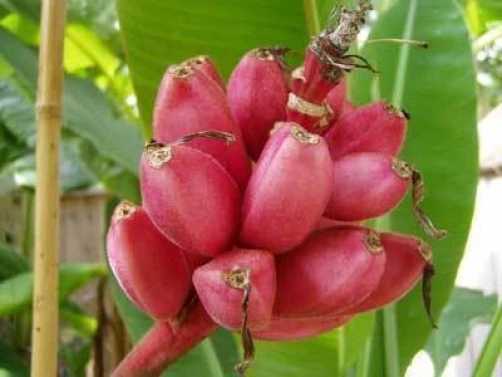
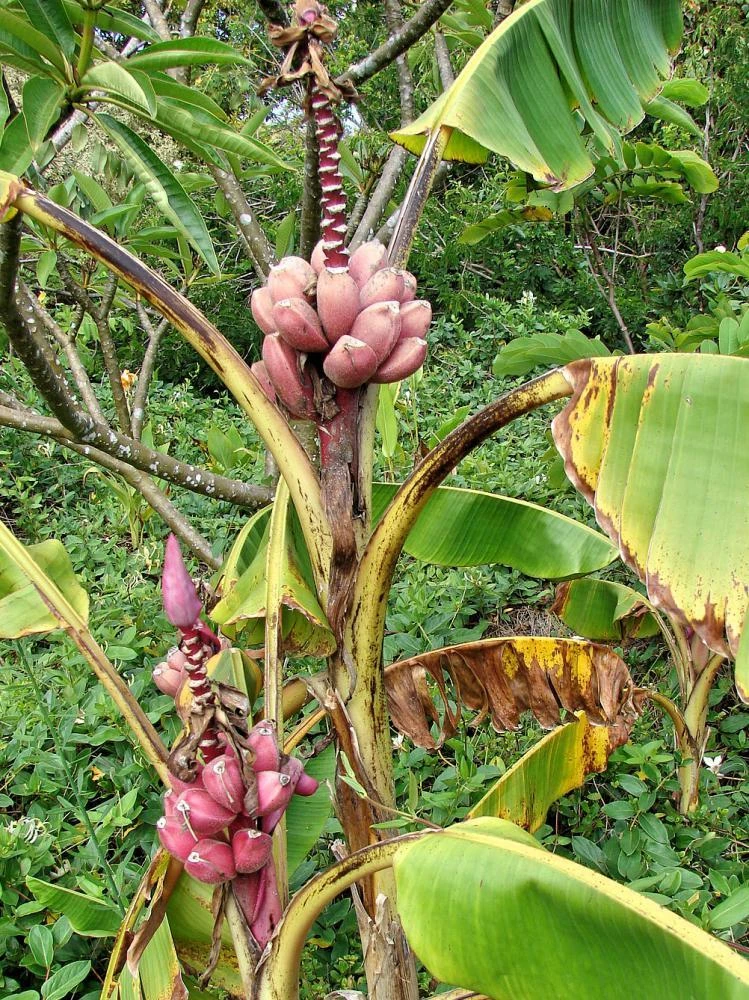
Musa velutina Pink Fruiting Banana Seeds – 10 Count Pack for Home Garden
Original price was: 45.99 $.20.99 $Current price is: 20.99 $.
Cultivate the exotic and ornamental pink banana seeds, Musa velutina, right in your own garden or as a striking houseplant. This 10-seed pack offers a unique opportunity to grow a beautiful plant with vibrant pink fruits and lush foliage, perfect for adding a tropical touch to any space.
Estimated arrival
Oct 15
Oct 20 - Oct 22
Oct 22 - Oct 27
See our Shipping Policy.
Get in touch with us via email, and our team will review your concerns.
Our Alive & Thrive Guarantee covers issues with your plants within the first 30 days. Read our Refund & Returns Policy.
-
USDA Hardiness Zone
USDA zones 7-11 (with winter protection in colder zones) -
Soil Type
Rich, well-draining soil -
Sunlight Exposure
Full sun to partial shade -
Expected Planting Period
Spring to early summer (or year-round indoors with heat)
Overview
Embark on a captivating gardening journey with these premium pink banana seeds, specifically Musa velutina. Known for its striking ornamental appeal and edible, fuzzy pink fruits, this unique banana variety is a must-have for enthusiasts looking to add an exotic touch to their collection. Unlike the common dessert bananas, the Musa velutina seeds promise a plant that is both visually stunning and relatively compact, making it suitable for a wide range of growing environments. Whether you’re aiming to cultivate a tropical paradise in your backyard or desire a distinctive houseplant, these seeds offer an exciting opportunity to grow pink banana plants from scratch. Each seed holds the potential for a beautiful, fast-growing specimen that will become a conversation piece.
The Musa velutina, commonly known as the Pink Fruiting Banana, is native to Assam and the eastern Himalayas. It’s cherished not only for its unusual fruit but also for its attractive foliage and vibrant pink flowers that emerge before the fruit. This makes it an ideal choice for gardeners seeking a plant with year-round interest. This offering includes 10 high-quality seeds, providing a great start to establishing several beautiful plants. Prepare to be amazed by the resilience and beauty of this exceptional banana variety.
Key Benefits
Growing pink banana seeds offers numerous rewards, from their unique aesthetic to the satisfaction of cultivating an exotic plant. Here are some of the standout benefits:
- Unique Ornamental Value: The Musa velutina boasts vibrant pink fruits and lush green foliage, making it an exceptional focal point in any garden or indoor setting. Its distinctive appearance adds a tropical flair that is hard to match.
- Edible & Decorative Fruits: While the fruits are smaller than commercial bananas and contain seeds, they are edible and possess a sweet, creamy flavor. They are also incredibly decorative, adding a pop of color to your landscape.
- Compact Growth Habit: Unlike many banana varieties that grow very large, the Pink Fruiting Banana is relatively compact, typically reaching 5-7 feet in height, making it suitable for smaller gardens or container growing.
- Fast Growing: With proper care, these plants can grow quite rapidly, often producing fruit within a year of planting from seed, providing quick gratification for your gardening efforts.
- Relatively Cold Hardy: While tropical, Musa velutina is more tolerant of cooler temperatures than many other banana species, able to withstand light frosts and recover quickly, expanding its potential growing zones.
- Easy to Germinate: With a bit of patience and the right techniques, germinating ornamental banana seeds can be a rewarding experience, leading to successful plant establishment.
- Attracts Pollinators: The flowers of the Pink Fruiting Banana can attract beneficial pollinators to your garden, contributing to a healthier ecosystem.
Plant Care & Growing Tips
Successfully cultivating Musa velutina seeds requires attention to detail, especially during germination and early growth. For germination, scarify the seeds gently (lightly sand or nick the hard outer shell) and then soak them in warm water for 24-48 hours, changing the water every 12 hours. Plant seeds about 1/4 inch deep in a well-draining seed starting mix. Maintain a warm temperature, ideally between 70-85°F (21-29°C), using a heat mat if necessary. Germination can be erratic, taking anywhere from a few weeks to several months, so patience is key when you grow pink banana.
Once seedlings emerge, provide them with plenty of bright, indirect light. As they grow, gradually acclimate them to more direct sunlight if growing outdoors. For established plants, Musa velutina thrives in full sun to partial shade. In hotter climates, some afternoon shade can prevent leaf scorch. Water regularly to keep the soil consistently moist but not waterlogged, especially during warm weather. Reduce watering in cooler months. A rich, well-draining soil mix is essential; amend heavy soils with compost and perlite to improve drainage. Fertilize actively growing plants every 2-4 weeks with a balanced, all-purpose fertilizer during the growing season.
The Pink Fruiting Banana is relatively hardy for a tropical plant, typically thriving in USDA zones 7-11 if protected during winter in colder zones. In zones 7-8, it may die back to the ground in winter but often regrows from the roots in spring. For best results in colder climates, consider growing it in a large container that can be moved indoors during winter. Protect from strong winds which can shred the large leaves. Watch out for common pests like spider mites or mealybugs, especially on indoor plants, and treat promptly with insecticidal soap if necessary. By following these guidelines, your pink fruiting banana plant will flourish.
Size & Details
This offering provides 10 seeds of the Musa velutina, the Pink Fruiting Banana. Each seed has the potential to grow into a robust plant typically reaching a mature height of 5 to 7 feet (1.5 to 2.1 meters) with a spread of 3 to 5 feet (0.9 to 1.5 meters). The growth rate is considered fast, with plants often producing their distinctive pink, fuzzy fruits within 9-12 months from germination under optimal conditions. The fruits themselves are small, about 3-4 inches long, and are quite ornamental. These ornamental banana seeds are shipped in a protective packet, ensuring their viability upon arrival.
The plants are best suited for cultivation in large containers (at least 15-20 gallons) if grown indoors or in cooler climates, allowing for easy relocation. When planted directly in the ground, ensure ample space for root development. The average time to flowering is approximately 6-8 months, followed by fruit development. The seeds are fresh and ready for planting, offering a rewarding experience for those looking to cultivate a unique tropical plant.
Frequently Asked Questions
- Q: How big does this plant get? A: The Musa velutina, or pink fruiting banana, typically grows to a manageable height of 5 to 7 feet, making it suitable for both garden planting and large container cultivation.
- Q: Is this an indoor or outdoor plant? A: It can be grown both indoors and outdoors. It thrives outdoors in tropical to subtropical climates (USDA zones 7-11) and makes an excellent indoor plant in cooler regions, provided it receives adequate light.
- Q: How much sunlight does it need? A: This plant prefers full sun to partial shade. For optimal fruit production and vigorous growth, aim for at least 6 hours of direct sunlight per day.
- Q: Is this plant easy to care for? A: While germinating pink banana seeds requires patience, the established plants are relatively easy to care for, needing consistent watering, good drainage, and regular feeding during the growing season. It’s a great choice for adventurous beginners.
- Q: What condition will the seeds arrive in? A: The Musa velutina seeds will arrive dry and carefully packaged to ensure their viability and protection during transit. You will need to prepare them for germination according to the instructions provided.
- Q: How long until it blooms and fruits? A: Under ideal conditions, the plant can flower within 6-8 months and produce its unique pink fruits within 9-12 months from germination when you grow pink banana.
- Q: Can I eat the fruit from these seeds? A: Yes, the fruits of the Musa velutina are edible. They are sweet and creamy, though smaller than commercial bananas and contain numerous seeds. They are often enjoyed fresh or used decoratively.
- Q: What is the best time to plant these ornamental banana seeds? A: The best time to start the seeds is in spring or early summer, when temperatures are naturally warmer, which aids in germination. However, with controlled indoor conditions, they can be started year-round.
- Q: What kind of soil is best for these plants? A: A rich, well-draining potting mix or garden soil amended with plenty of organic matter is ideal. Good drainage is crucial to prevent root rot.
- Q: Will it survive winter in my zone? A: In USDA zones 7-8, it may die back to the ground in winter but often regrows from the roots in spring. In zones 9-11, it can typically survive winters without dying back. For colder zones, it’s best to grow it in a container and bring it indoors.
Be the first to review “Musa velutina Pink Fruiting Banana Seeds – 10 Count Pack for Home Garden”
Related products


Fruit Seeds
Ruegen Alpine Strawberry Seeds – 60 Count Everbearing Fragaria Vesca Red Fruit White Flower


Fruit Seeds
Southern Highbush Blueberry Seeds – 50 Pre-Stratified Vaccinium Corymbosum Fruit Bush Seeds


You May Like

Hardneck vs. Softneck Garlic: Which Should You Grow?
Have you ever stood in front of a seed catalog in mid-September, staring at dozens [...]
Oct

When to Plant Music Garlic: Ultimate US Fall Guide
Have you ever spent your fall weekend placing carefully chosen garlic cloves into rich, dark [...]
1 Comment
Oct

5 Best Bulbs for Fall Planting: Brighten Your Garden This Spring
Are you dreaming of a garden full of vibrant colors in the spring? The key [...]
Aug

10 Houseplants That Will Thrive in Your Kitchen
Are you tired of your kitchen feeling dull and lifeless? Want to add a little [...]
1 Comment
Aug
Reviews
There are no reviews yet.