
Nippon Daisy Seeds – Montauk Daisies 10 Seeds – Perennial Flower
Original price was: 46.99 $.21.99 $Current price is: 21.99 $.
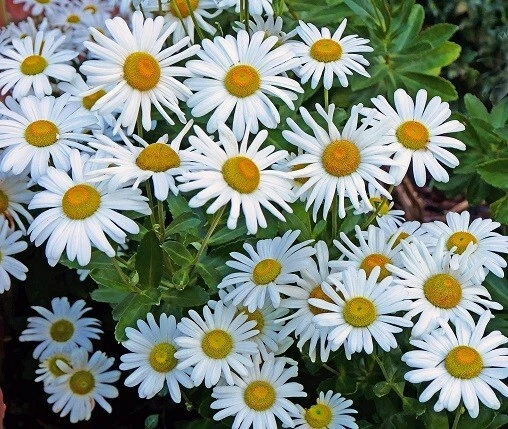
Cultivate stunning Nippon Daisy seeds in your garden. Also known as Montauk Daisy seeds, these perennial flowers produce abundant white blooms, perfect for late-season interest.
Estimated arrival
Oct 15
Oct 20 - Oct 22
Oct 22 - Oct 27
See our Shipping Policy.
Get in touch with us via email, and our team will review your concerns.
Our Alive & Thrive Guarantee covers issues with your plants within the first 30 days. Read our Refund & Returns Policy.
-
USDA Hardiness Zone
USDA Zones 5-9 -
Soil Type
Well-draining, sandy loam -
Sunlight Exposure
Full sun -
Expected Planting Period
Spring to early summer
Overview
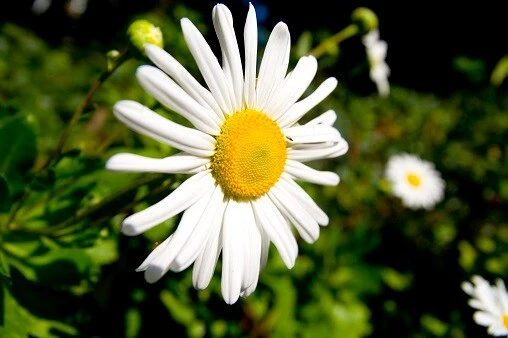
Transform your garden into a late-season wonderland with our premium Nippon Daisy seeds. These hardy perennial flower seeds, scientifically known as Nipponanthemum nipponicum, are more commonly recognized as Montauk Daisy seeds. Originating from Japan, these beautiful plants bring a touch of classic elegance with their pristine white, daisy-like flowers and dark green, leathery foliage. Perfect for coastal gardens, rockeries, or borders, the Nippon Daisy is a robust and low-maintenance choice for gardeners seeking reliable autumn blooms. Each packet contains 10 seeds, providing a great start for establishing these charming perennials.
Growing Nippon Daisy seeds allows you to experience the full life cycle of this delightful plant, from germination to abundant flowering. They are known for their resilience and ability to thrive in various conditions, making them a fantastic addition to almost any garden setting. If you’re wondering how to grow Nippon Daisy, our comprehensive guide below will walk you through each step to ensure successful cultivation and a breathtaking display of flowers.
Key Benefits
Planting Nippon Daisy seeds offers a multitude of benefits for both the gardener and the garden ecosystem. These plants are not just beautiful; they are also incredibly functional and easy to care for.
- Late-Season Blooms: Enjoy a vibrant display of white, daisy-like flowers from late summer through fall, extending the beauty of your garden when many other plants have faded. This provides crucial nectar for pollinators later in the season.
- Hardy and Resilient: Montauk Daisies are known for their tough nature, tolerating coastal conditions, salt spray, and various soil types once established. They are an excellent choice for challenging garden spots.
- Low Maintenance: Once established, these perennials require minimal care, making them ideal for busy gardeners or those looking for an easy-to-grow flower. Regular deadheading can encourage more blooms.
- Attracts Pollinators: The cheerful white flowers are a magnet for bees and butterflies, contributing to the biodiversity and health of your garden.
- Excellent Cut Flowers: The long-lasting blooms make superb cut flowers, bringing the fresh beauty of your garden indoors. Their sturdy stems hold up well in arrangements.
- Versatile Landscape Use: Perfect for mass plantings, borders, rock gardens, or as a striking focal point. Their dense foliage provides a lush green backdrop even when not in bloom.
- Drought Tolerant: While they appreciate consistent moisture, established Montauk Daisies exhibit good drought tolerance, reducing the need for frequent watering.
Plant Care & Growing Tips
Successfully growing Nippon Daisy seeds requires attention to a few key environmental factors. These perennials are generally forgiving, but providing optimal conditions will ensure a robust and floriferous plant. Start your seeds indoors 6-8 weeks before the last frost date or direct sow outdoors after the danger of frost has passed.
For sunlight, Montauk Daisy seeds thrive in full sun, meaning at least 6 hours of direct sunlight per day. While they can tolerate partial shade, too little sun will result in leggy growth and fewer flowers. When it comes to watering, keep the soil consistently moist until the seedlings are established. Once mature, Nippon Daisies are quite drought tolerant but will perform best with regular watering during dry spells. Avoid overwatering, as this can lead to root rot. Good drainage is crucial. The ideal soil type is well-draining, sandy loam, but they are adaptable to a range of soil conditions, including poor or rocky soils, as long as drainage is adequate. They prefer a slightly acidic to neutral pH (6.0-7.0).
Nipponanthemum nipponicum seeds are hardy in USDA Zones 5-9. In colder zones, provide a thick layer of mulch in winter to protect the crowns. Fertilization is generally not heavily required for these plants. If your soil is poor, a balanced, slow-release granular fertilizer applied in early spring can be beneficial. Avoid excessive nitrogen, which can promote foliage growth at the expense of flowers. Pinching back young plants in late spring or early summer can encourage bushier growth and more blooms. Watch out for common pests like aphids or spider mites, which can be managed with insecticidal soap. Fungal diseases are rare if proper air circulation and drainage are maintained. Understanding how to grow Nippon Daisy effectively means providing these basic needs consistently.
Size & Details
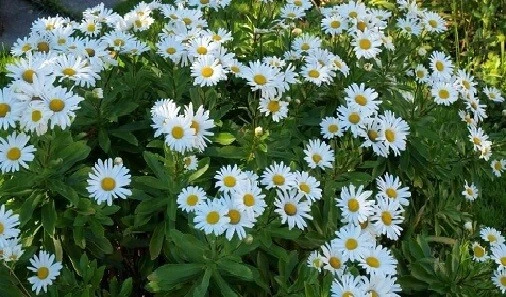
Our Nippon Daisy seeds come in a packet containing 10 high-quality seeds, ready for planting. Once germinated and established, these vigorous perennial plants typically grow to a mature height of 1-3 feet (30-90 cm) and spread about 2-3 feet (60-90 cm) wide, forming a dense, bushy mound. The growth rate is moderate, with plants generally reaching a substantial size by their second year. Blooms appear from late summer through fall, usually starting in August and continuing until the first hard frost. The sturdy stems and dark green foliage provide a strong architectural element in the garden even before flowering.
These plants are shipped as seeds, providing you with the flexibility to start them at your preferred time. With proper care, you can expect a beautiful display of classic white daisies, adding significant charm and late-season interest to your garden. The perennial flower seeds will establish a strong root system, ensuring years of enjoyment from these resilient plants.
Frequently Asked Questions
- Q: How big does a Nippon Daisy plant get? A: A mature Nippon Daisy plant typically reaches a height of 1 to 3 feet and spreads about 2 to 3 feet wide, forming a dense, rounded shrub-like perennial.
- Q: Is this an indoor or outdoor plant? A: Nippon Daisies are primarily outdoor plants, thriving in garden beds, borders, and rock gardens. While they can be grown in containers, they are not typically grown as indoor houseplants.
- Q: How much sunlight do Nippon Daisy seeds need? A: For optimal growth and flowering, Nippon Daisies require full sun, meaning at least 6 hours of direct sunlight per day. They can tolerate some partial shade but may produce fewer blooms.
- Q: Is this plant easy to care for? A: Yes, Nippon Daisies are considered low-maintenance plants once established. They are drought-tolerant and resilient, making them a good choice for both experienced and beginner gardeners. Learning how to grow Nippon Daisy is quite straightforward.
- Q: What condition will the Montauk Daisy seeds arrive in? A: The product you will receive consists of 10 high-quality, viable seeds, carefully packaged to ensure their integrity during transit.
- Q: When is the best time to plant perennial flower seeds like Nippon Daisy? A: You can start Nippon Daisy seeds indoors 6-8 weeks before your last frost date or direct sow them outdoors after all danger of frost has passed in spring.
- Q: Will Nippon Daisies survive winter in my zone? A: Nippon Daisies are hardy perennials and can survive winters in USDA Zones 5-9. In colder zones (like Zone 5), providing a protective layer of mulch can help ensure their survival.
Be the first to review “Nippon Daisy Seeds – Montauk Daisies 10 Seeds – Perennial Flower”
Related products


You May Like

Hardneck vs. Softneck Garlic: Which Should You Grow?
Have you ever stood in front of a seed catalog in mid-September, staring at dozens [...]
Oct

When to Plant Music Garlic: Ultimate US Fall Guide
Have you ever spent your fall weekend placing carefully chosen garlic cloves into rich, dark [...]
1 Comment
Oct

5 Best Bulbs for Fall Planting: Brighten Your Garden This Spring
Are you dreaming of a garden full of vibrant colors in the spring? The key [...]
Aug

10 Houseplants That Will Thrive in Your Kitchen
Are you tired of your kitchen feeling dull and lifeless? Want to add a little [...]
1 Comment
Aug
Reviews
There are no reviews yet.