
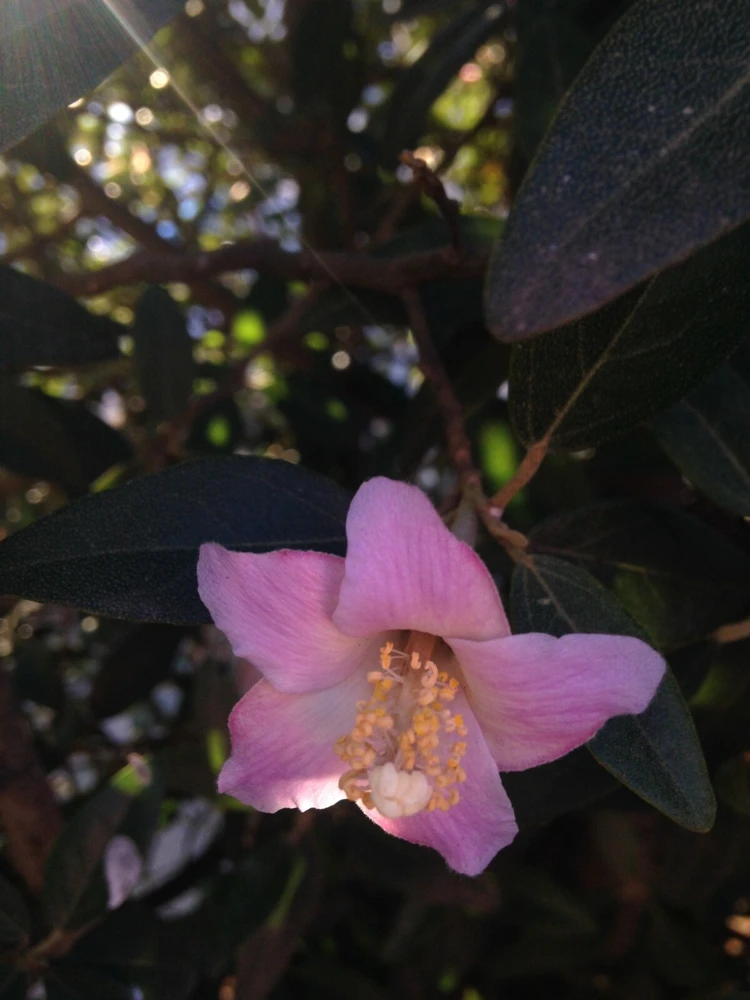
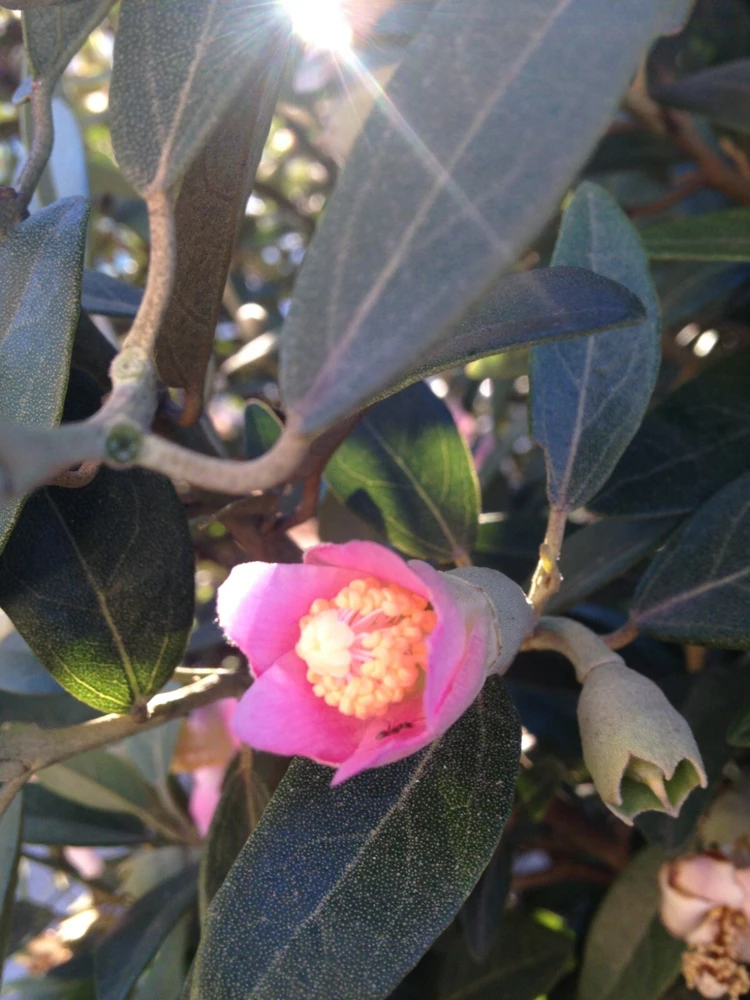
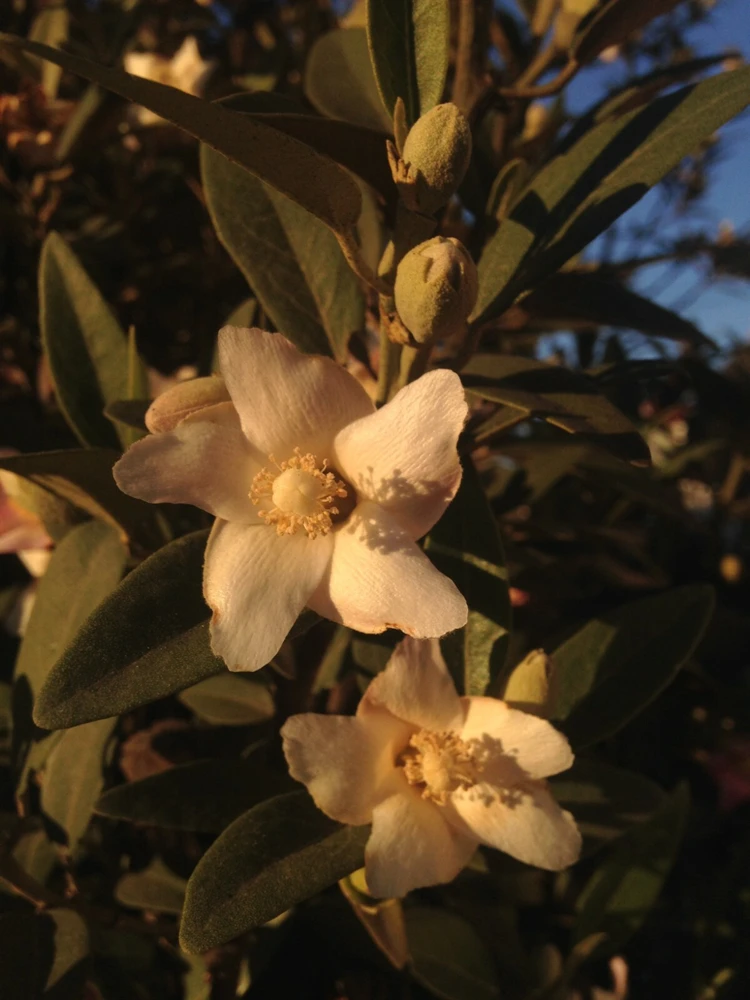
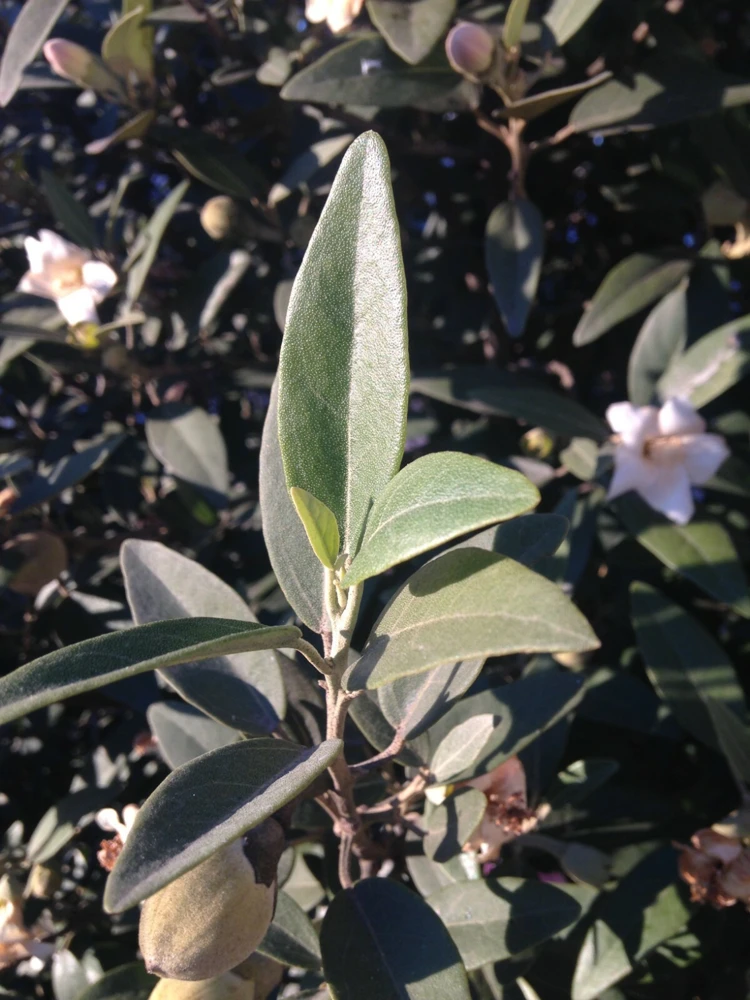
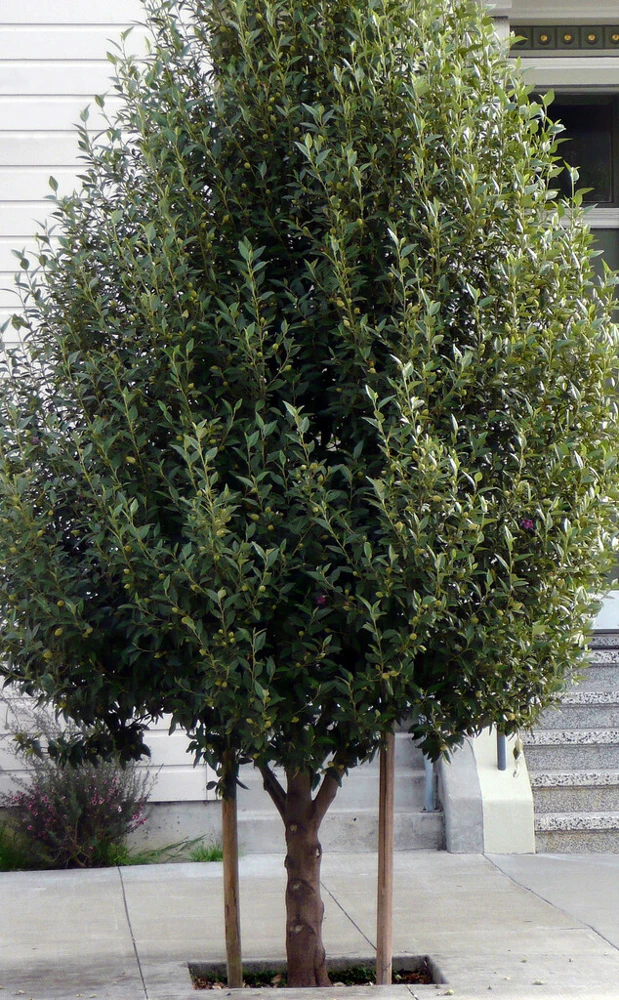
Norfolk Island Hibiscus Seeds – Lagunaria patersonii Primrose Tree – 6 Seed Pack
Original price was: 44.99 $.19.99 $Current price is: 19.99 $.
Cultivate the unique Norfolk Island Hibiscus seeds, Lagunaria patersonii, also known as the Primrose Tree seeds. These ornamental tree seeds promise a beautiful, moderate-sized tree with attractive foliage and delicate, hibiscus-like flowers, ideal for warm climates and coastal gardens.
Estimated arrival
Oct 15
Oct 20 - Oct 22
Oct 22 - Oct 27
See our Shipping Policy.
Get in touch with us via email, and our team will review your concerns.
Our Alive & Thrive Guarantee covers issues with your plants within the first 30 days. Read our Refund & Returns Policy.
-
USDA Hardiness Zone
USDA Zones 9-11 -
Soil Type
Well-draining, sandy or loamy soil -
Sunlight Exposure
Full sun to partial shade -
Expected Planting Period
Spring to early summer
Overview
Embark on a rewarding gardening journey by cultivating your very own Norfolk Island Hibiscus seeds. Also known by its botanical name, Lagunaria patersonii, and commonly referred to as the Primrose Tree seeds, this species is a magnificent choice for gardeners seeking an eye-catching ornamental tree. Native to Norfolk Island and Lord Howe Island, this tree is celebrated for its attractive, grey-green foliage and its striking, pale pink to mauve, hibiscus-like flowers that bloom profusely. Growing this tree from seed allows you to witness its full life cycle and enjoy its beauty in your landscape. These seeds provide an excellent opportunity to introduce a unique, drought-tolerant, and salt-resistant specimen to your garden.
The Norfolk Island Hibiscus seeds mature into a medium-sized tree, typically reaching heights of 20-40 feet, making it a suitable feature plant, shade tree, or even a windbreak in appropriate climates. Its evergreen nature ensures year-round interest, while the delicate flowers provide a spectacular display, attracting pollinators such as bees and butterflies. This resilient tree adapts well to various soil conditions once established and is a relatively low-maintenance option for both experienced and novice gardeners.
Key Benefits
Growing the Norfolk Island Hibiscus seeds offers numerous advantages, transforming your garden into a vibrant and sustainable haven. This tree provides aesthetic beauty and ecological benefits:
- Stunning Ornamental Value: The Primrose Tree produces beautiful pale pink to mauve flowers that resemble traditional hibiscus blooms, creating a captivating visual display in your garden. Its evergreen foliage provides year-round appeal.
- Drought and Salt Tolerance: Once established, Lagunaria patersonii is highly tolerant of dry conditions and coastal environments, making it an excellent choice for xeriscaping or seaside gardens.
- Attracts Pollinators: The abundant flowers are a magnet for bees, butterflies, and other beneficial insects, enhancing the biodiversity and health of your garden ecosystem.
- Low Maintenance: This hardy tree requires minimal care once mature, thriving with little intervention, making it perfect for busy gardeners.
- Versatile Landscaping Use: Suitable for use as a specimen tree, a screen, a shade tree, or even in large containers when young, offering flexibility in garden design.
- Unique Species: Cultivating Norfolk Island Hibiscus seeds allows you to grow a less common yet highly desirable tree, adding a distinctive touch to your landscape.
- Sustainable Choice: Its resilience and adaptability contribute to a more sustainable garden, requiring less water and fewer resources in suitable climates.
Plant Care & Growing Tips
Successfully growing Norfolk Island Hibiscus seeds into a thriving tree requires attention to specific environmental conditions and care practices. For germination, soak the Lagunaria patersonii seeds in warm water for 24 hours before planting to soften the seed coat. Plant seeds about 1/4 inch deep in a well-draining seed-starting mix. Maintain consistent moisture but avoid waterlogging, which can lead to rot. Germination can be erratic, sometimes taking several weeks to a few months, so patience is key.
Once seedlings emerge, provide them with plenty of bright, indirect light. As they grow, gradually acclimate them to more sunlight. The Primrose Tree seeds thrive in full sun to partial shade, requiring at least 6 hours of direct sunlight for optimal growth and flowering. Young plants should be watered regularly to establish a strong root system, but mature trees are quite drought-tolerant. Ensure the soil is well-draining; sandy or loamy soils are ideal. While adaptable, a slightly acidic to neutral pH is preferred. In terms of temperature, this species is best suited for USDA Zones 9-11, where it can withstand mild frosts but may suffer damage in prolonged freezing temperatures.
Fertilize young trees sparingly with a balanced, slow-release fertilizer during their growing season (spring and summer). Mature trees generally do not require heavy fertilization. Pruning is usually minimal, focused on removing dead or crossing branches and shaping the tree to maintain its desired form. Watch out for common pests like aphids or scale, and treat with organic insecticidal soap if necessary. By following these guidelines, you can successfully how to grow hibiscus from seed and enjoy the beauty of your Norfolk Island Hibiscus for years to come.
Size & Details
This offering includes a pack of 6 Norfolk Island Hibiscus seeds. Each seed has the potential to grow into a stunning Lagunaria patersonii tree, also known as the Primrose Tree. Mature trees typically reach a height of 20-40 feet with a spread of 15-25 feet, though they can be kept smaller with pruning. The growth rate is moderate, allowing for steady development over several years. The seeds are suitable for planting in spring or early summer, allowing ample time for establishment before cooler weather. Expect the tree to begin flowering within 3-5 years after planting, depending on growing conditions and care. These seeds are an excellent way to start your own ornamental tree from scratch.
Frequently Asked Questions
- Q: How big does the Norfolk Island Hibiscus tree get? A: The Norfolk Island Hibiscus, or Primrose Tree, typically grows to a height of 20-40 feet with a spread of 15-25 feet when mature. Its size can be managed with proper pruning, making it adaptable to various garden spaces.
- Q: What condition will these seeds arrive in? A: Your Norfolk Island Hibiscus seeds will arrive as dried seeds, carefully packaged to ensure their viability for planting. They are ready for pre-treatment and sowing upon arrival.
- Q: Is this an indoor or outdoor plant? A: The Norfolk Island Hibiscus is primarily an outdoor tree, best suited for warm climates. It can be grown in large containers indoors when young in colder regions, but it will eventually need to be moved outdoors or into a greenhouse.
- Q: How much sunlight does it need? A: For optimal growth and flowering, the Primrose Tree seeds and subsequent plants require full sun to partial shade, ideally receiving at least 6 hours of direct sunlight per day.
- Q: Is this plant easy to care for? A: Once established, the Norfolk Island Hibiscus is considered relatively low-maintenance. It is drought-tolerant and adaptable to various soil types, making it a good choice for gardeners seeking an easy-care ornamental tree.
- Q: When is the best time to plant these seeds? A: The best time to plant Lagunaria patersonii seeds is in the spring or early summer, after all danger of frost has passed. This allows the seedlings sufficient time to establish before the cooler months.
- Q: What’s the minimum temperature this tree can tolerate? A: The Norfolk Island Hibiscus is generally hardy in USDA Zones 9-11. It can tolerate mild frosts but may sustain damage or not survive in prolonged freezing temperatures.
- Q: How long until it blooms after planting from seed? A: Typically, you can expect the Norfolk Island Hibiscus to begin flowering within 3-5 years after successfully growing it from seed. This timeline can vary depending on growing conditions and care.
- Q: What kind of soil is best for these ornamental tree seeds? A: These ornamental tree seeds prefer well-draining soil, such as sandy or loamy types. While adaptable, a slightly acidic to neutral pH is ideal for healthy growth.
- Q: Can I grow this tree in a pot? A: Yes, you can grow the Norfolk Island Hibiscus in a large pot or container, especially when it’s young or if you live in a colder climate. However, it will eventually outgrow most containers and prefer to be planted in the ground.
Be the first to review “Norfolk Island Hibiscus Seeds – Lagunaria patersonii Primrose Tree – 6 Seed Pack”
Related products


You May Like

Hardneck vs. Softneck Garlic: Which Should You Grow?
Have you ever stood in front of a seed catalog in mid-September, staring at dozens [...]
Oct

When to Plant Music Garlic: Ultimate US Fall Guide
Have you ever spent your fall weekend placing carefully chosen garlic cloves into rich, dark [...]
1 Comment
Oct

5 Best Bulbs for Fall Planting: Brighten Your Garden This Spring
Are you dreaming of a garden full of vibrant colors in the spring? The key [...]
Aug

10 Houseplants That Will Thrive in Your Kitchen
Are you tired of your kitchen feeling dull and lifeless? Want to add a little [...]
1 Comment
Aug
Reviews
There are no reviews yet.