
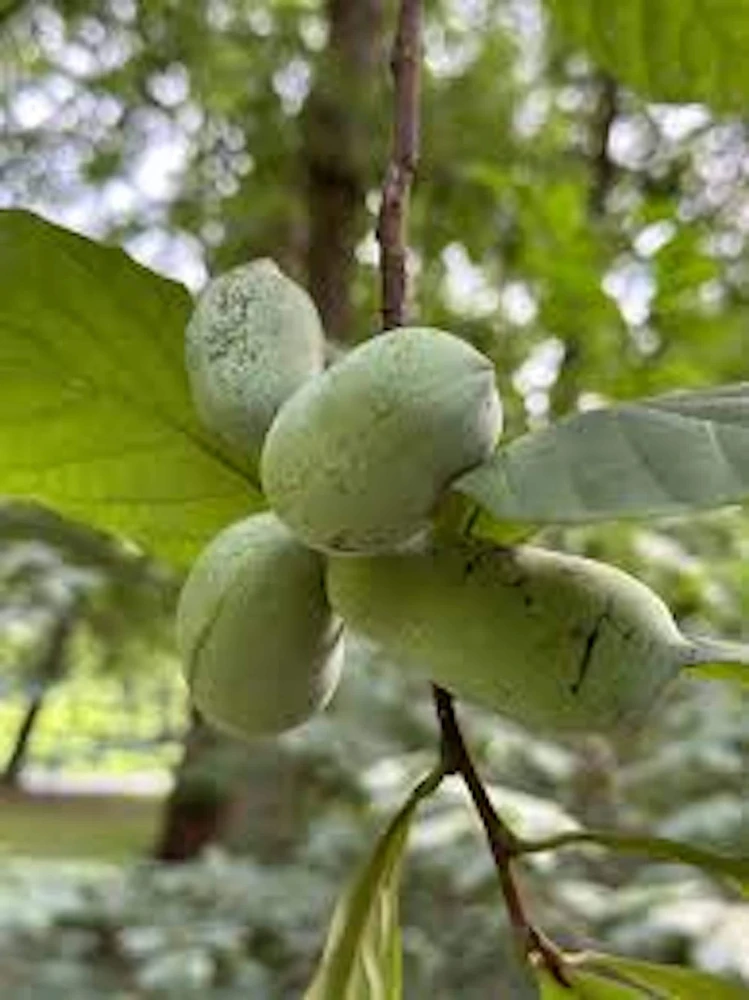
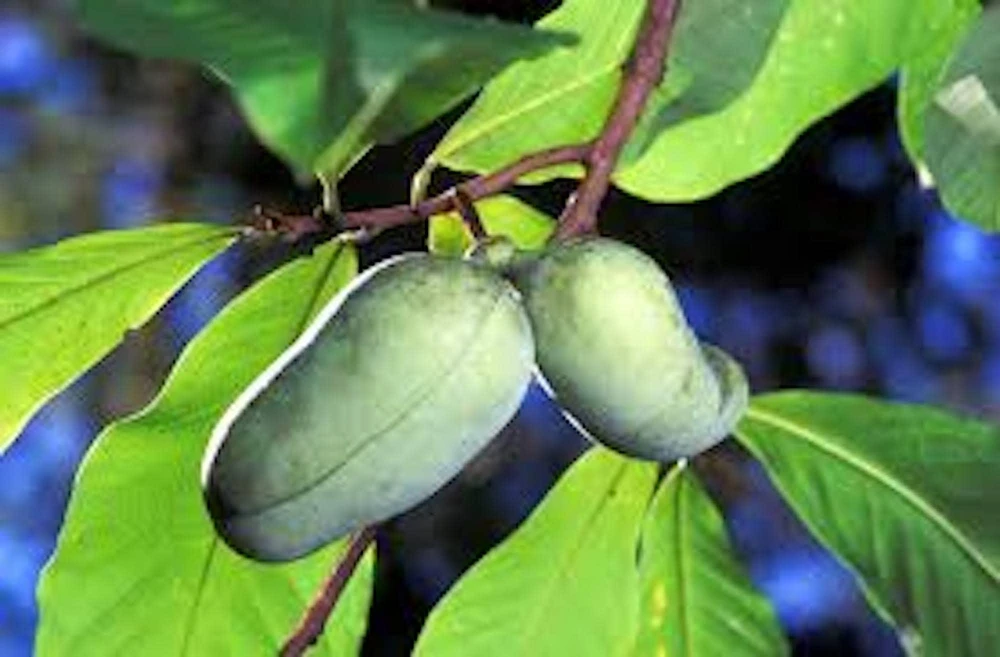
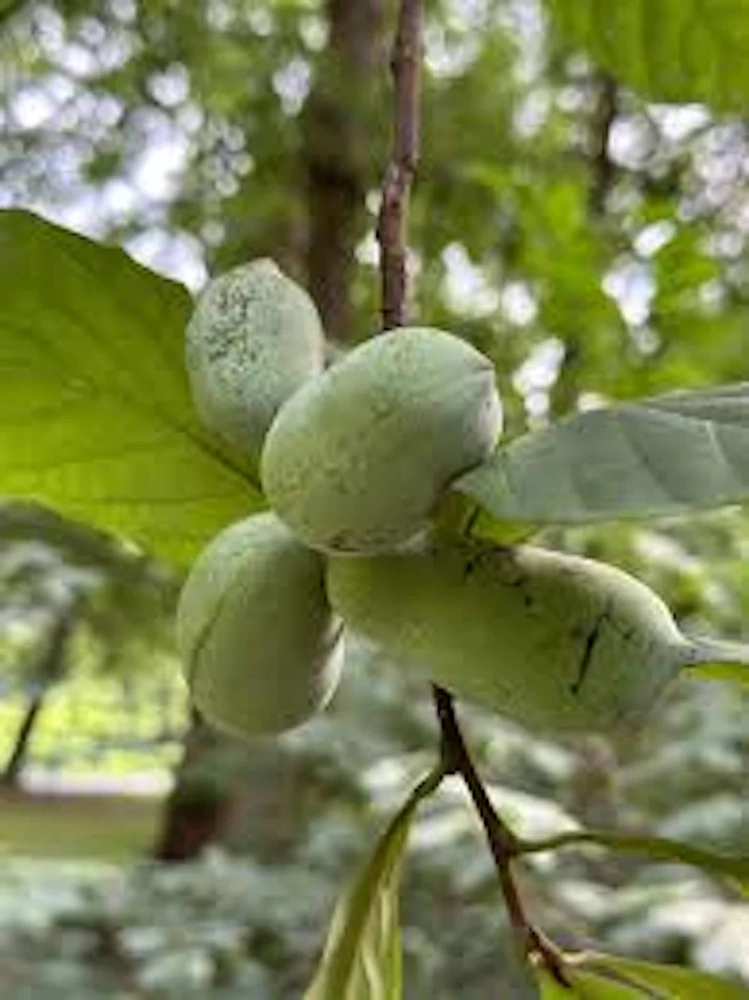
Pawpaw Tree Live Plant Asimina triloba Native Fruit Tree 12-24in Tall Quart Pot
Original price was: 93.99 $.68.99 $Current price is: 68.99 $.
Cultivate your own unique fruit with this pawpaw tree live plant. The Asimina triloba fruit is prized for its sweet, custard-like flavor and tropical appeal. This native North American tree is hardy, easy to grow, and a wonderful addition to any garden or orchard.
Estimated arrival
Oct 17
Oct 22 - Oct 24
Oct 24 - Oct 29
See our Shipping Policy.
Get in touch with us via email, and our team will review your concerns.
Our Alive & Thrive Guarantee covers issues with your plants within the first 30 days. Read our Refund & Returns Policy.
-
USDA Hardiness Zone
USDA Zones 5-8 -
Soil Type
Well-drained, slightly acidic soil -
Sunlight Exposure
Full sun to partial shade -
Expected Planting Period
Early spring
Overview
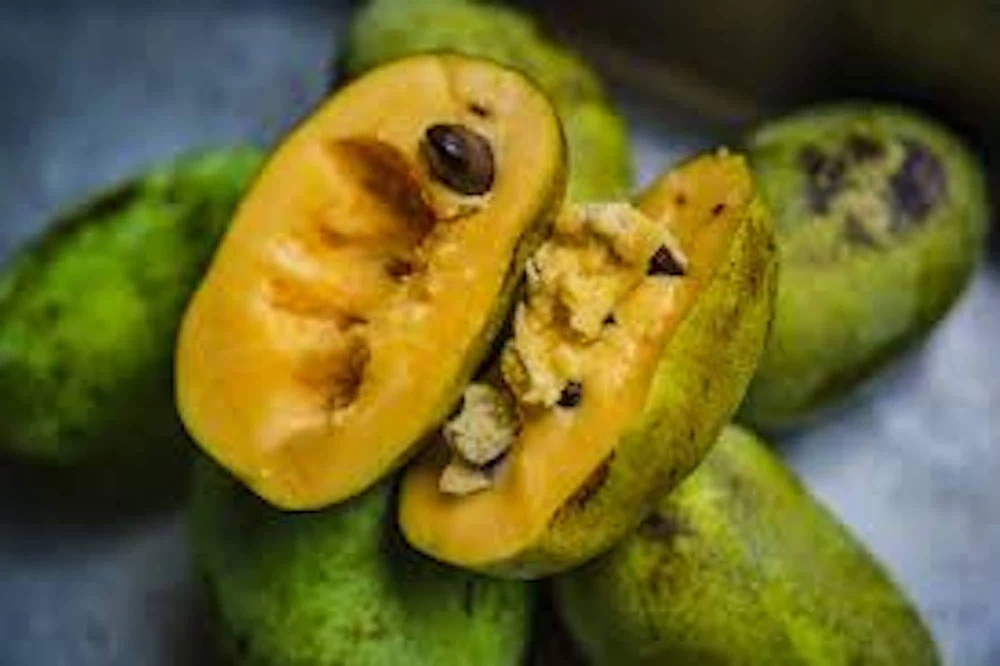
Bring the taste of the tropics to your backyard with the pawpaw tree live plant (Asimina triloba). This remarkable native North American fruit tree is celebrated for its large, distinctive fruit that boasts a creamy, custard-like texture and a sweet, exotic flavor. Often referred to as the ‘poor man’s banana’ or ‘custard apple’, the pawpaw is a truly unique culinary delight. Beyond its delicious fruit, the pawpaw tree live plant also offers attractive foliage, making it a beautiful and productive addition to any landscape. Ideal for gardeners looking to grow something unusual yet rewarding, this hardy tree thrives in temperate climates and is relatively low-maintenance once established, providing a bountiful harvest of nutritious fruit.
Our pawpaw tree live plant specimens are cultivated to ensure a strong start in your garden. These trees are native to a wide range of the eastern United States, adapted to various soil conditions and climates. Growing your own Asimina triloba fruit means you’ll enjoy fresh, organic pawpaws right from your own property, a rarity not often found in commercial grocery stores due to their delicate nature and short shelf life. Plant a piece of American heritage and enjoy the unique charm and delicious bounty of the pawpaw tree.
Key Benefits
Choosing to add a pawpaw tree live plant to your garden offers a multitude of advantages, from its unique fruit to its ecological benefits. Here are some of the key reasons to consider this exceptional native tree:
- Unique and Delicious Fruit: The primary draw of the pawpaw is its incredibly flavorful fruit. With a taste often described as a blend of banana, mango, and pineapple, the Asimina triloba fruit is a gourmet treat not found in most stores. Enjoy it fresh, in smoothies, desserts, or even baked goods.
- Native and Adaptable: As a native North American tree, the pawpaw is well-suited to local climates and ecosystems. It’s an excellent choice for supporting local wildlife and requires less intervention than many non-native fruit trees.
- Low Maintenance: Once established, the pawpaw tree live plant is remarkably easy to care for. It’s generally resistant to pests and diseases, making it a great option for both novice and experienced gardeners who prefer a hands-off approach.
- Nutrient-Rich Harvest: Pawpaw fruit is not only delicious but also packed with vitamins, minerals, and antioxidants, offering a healthy addition to your diet. It’s a natural source of protein, vitamin C, and essential amino acids.
- Attractive Landscape Addition: Beyond its fruit, the pawpaw tree provides ornamental value with its lush, tropical-looking foliage. In autumn, the leaves turn a beautiful golden-yellow, adding seasonal interest to your yard.
- Hardy in Temperate Climates: Unlike many tropical fruit trees, the pawpaw is surprisingly cold-hardy, thriving in USDA Zones 5-8. This makes it a viable option for a wide range of gardeners across the United States.
- Supports Biodiversity: Planting native fruit trees like the pawpaw helps to restore natural habitats and provides food sources for local pollinators and wildlife, contributing to a healthier ecosystem.
Plant Care & Growing Tips
Caring for your pawpaw tree live plant is straightforward, especially once it’s established. These trees prefer a location with full sun to partial shade. While they can tolerate some shade, particularly when young, more sun generally leads to better fruit production. Ensure the planting site has well-drained, slightly acidic soil. Pawpaws do not like wet feet, so avoid areas where water tends to collect. When planting, dig a hole twice as wide as the root ball and just as deep. Gently loosen the roots before placing the tree, and backfill with soil, ensuring the graft union (if present) is above the soil line. Water thoroughly after planting.
For optimal growth and fruit yield, consistent watering is crucial during the first few years, especially during dry spells. Once mature, the pawpaw tree live plant becomes more drought-tolerant. Fertilize annually in early spring with a balanced, slow-release fertilizer designed for fruit trees, following the product’s instructions. Pruning is generally minimal, focusing on removing dead, damaged, or crossing branches to maintain good air circulation and shape. Protect young trees from deer, who may browse on tender new growth. The pawpaw is hardy in USDA Zones 5-8, meaning it can withstand winter temperatures down to -10 to -20°F (-23 to -29°C), making it a robust choice for many regions. Consider planting at least two genetically different pawpaw trees for cross-pollination, which is essential for fruit set. This will help you to grow pawpaw tree successfully.
Size & Details
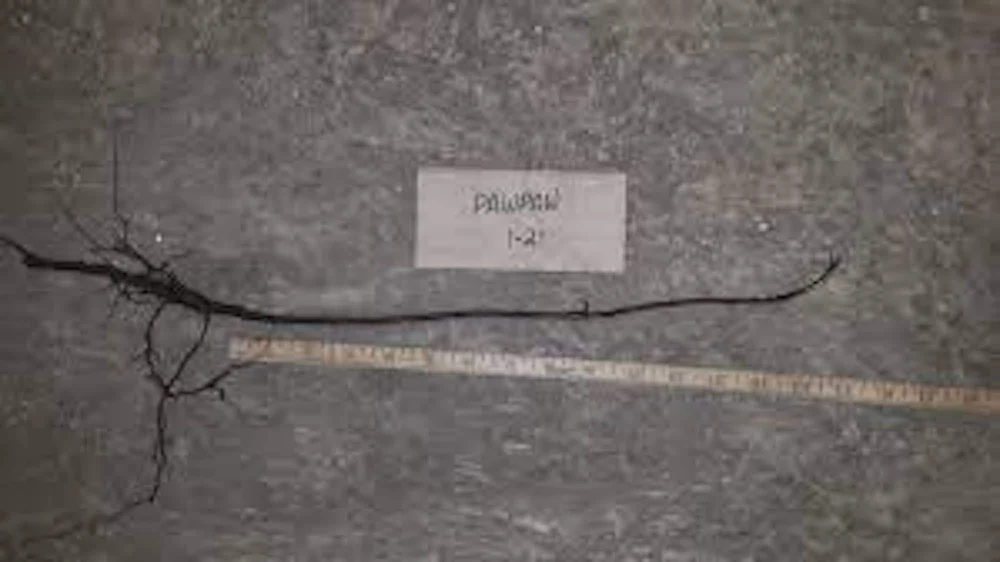
This offering includes two pawpaw tree live plant specimens, each carefully grown and ready for transplanting into your garden. Each tree measures approximately 12-24 inches in height, providing a robust start for rapid establishment. They are shipped in quart-sized pots, ensuring the root system is well-protected and hydrated during transit. Pawpaw trees have a moderate growth rate, typically adding 1-2 feet of height per year under optimal conditions. They can eventually reach heights of 15-30 feet with a spread of 15-20 feet, forming a beautiful small to medium-sized tree. Fruit production usually begins within 3-5 years after planting, with peak yields occurring as the tree matures. These trees are supplied as bare root plants, which means they are dormant and ready to burst into growth in your landscape.
The Asimina triloba fruit trees are ideal for creating a native orchard or integrating into existing garden designs. Their size at shipment makes them easy to handle and plant, while their inherent hardiness ensures a good chance of success. With proper care, these young trees will quickly develop into productive fruit-bearing specimens, allowing you to enjoy the unique flavor of pawpaws for years to come. Remember to plan for their mature size when selecting a planting location to provide ample space for growth and development. These native fruit trees are a long-term investment in your landscape and your palate.
Frequently Asked Questions
- Q: How big does this pawpaw tree live plant get? A: A mature pawpaw tree can typically reach a height of 15-30 feet with a spread of 15-20 feet. The trees provided are 12-24 inches tall, ready for planting and establishment.
- Q: Is this an indoor or outdoor plant? A: The pawpaw tree is an outdoor plant, native to North America, and thrives when planted directly in the ground in appropriate USDA hardiness zones.
- Q: How much sunlight does it need? A: Pawpaw trees prefer full sun to partial shade. While young trees can benefit from some afternoon shade, mature trees will produce more fruit in full sun (at least 6-8 hours of direct sunlight per day).
- Q: Is this plant easy to care for? A: Yes, once established, the pawpaw tree live plant is considered low-maintenance. It’s generally resistant to pests and diseases and requires minimal pruning.
- Q: What condition will it arrive in? A: Your pawpaw trees will arrive as bare root plants, carefully packaged to ensure their health during transit. They will be dormant and ready for immediate planting.
- Q: When is the best time to plant a grow pawpaw tree? A: The best time to plant bare root pawpaw trees is in early spring, after the last frost, but before the heat of summer sets in. This allows the roots to establish before the growing season.
- Q: Will it survive winter in my zone? A: Pawpaw trees are hardy in USDA Zones 5-8, making them suitable for many temperate regions. They are deciduous and will lose their leaves in winter, going dormant until spring.
- Q: Do I need more than one pawpaw tree live plant for fruit? A: While some pawpaw varieties are self-fertile, most require cross-pollination from a different genetic variety to produce fruit. Planting at least two different pawpaw trees is highly recommended for a good harvest of Asimina triloba fruit.
- Q: What kind of soil does a pawpaw tree prefer? A: Pawpaw trees thrive in well-drained, slightly acidic soil. They do not tolerate overly wet or waterlogged conditions.
- Q: How long until it produces fruit? A: Pawpaw trees typically begin bearing fruit 3-5 years after planting, with production increasing as the tree matures.
Be the first to review “Pawpaw Tree Live Plant Asimina triloba Native Fruit Tree 12-24in Tall Quart Pot”
Related products


You May Like

Hardneck vs. Softneck Garlic: Which Should You Grow?
Have you ever stood in front of a seed catalog in mid-September, staring at dozens [...]
Oct

When to Plant Music Garlic: Ultimate US Fall Guide
Have you ever spent your fall weekend placing carefully chosen garlic cloves into rich, dark [...]
1 Comment
Oct

5 Best Bulbs for Fall Planting: Brighten Your Garden This Spring
Are you dreaming of a garden full of vibrant colors in the spring? The key [...]
Aug

10 Houseplants That Will Thrive in Your Kitchen
Are you tired of your kitchen feeling dull and lifeless? Want to add a little [...]
1 Comment
Aug
Reviews
There are no reviews yet.