
Pinguicula Primuliflora Butterwort Live Carnivorous Plant 3 inch Pot Indoor/Outdoor
Original price was: 80.99 $.55.99 $Current price is: 55.99 $.
Bring home a unique Pinguicula Primuliflora live plant, also known as the Primrose Butterwort. This fascinating carnivorous plant for sale is ideal for both indoor and outdoor settings, offering natural insect control and a touch of exotic beauty. Shipped in a 3-inch pot, it’s perfect for collectors and beginners alike.
Estimated arrival
Oct 16
Oct 21 - Oct 23
Oct 23 - Oct 28
See our Shipping Policy.
Get in touch with us via email, and our team will review your concerns.
Our Alive & Thrive Guarantee covers issues with your plants within the first 30 days. Read our Refund & Returns Policy.
-
USDA Hardiness Zone
10 -
Soil Type
Peat moss and perlite/sand mix -
Sunlight Exposure
Medium Sun / Bright Indirect Light -
Expected Planting Period
Year-round indoors
Overview
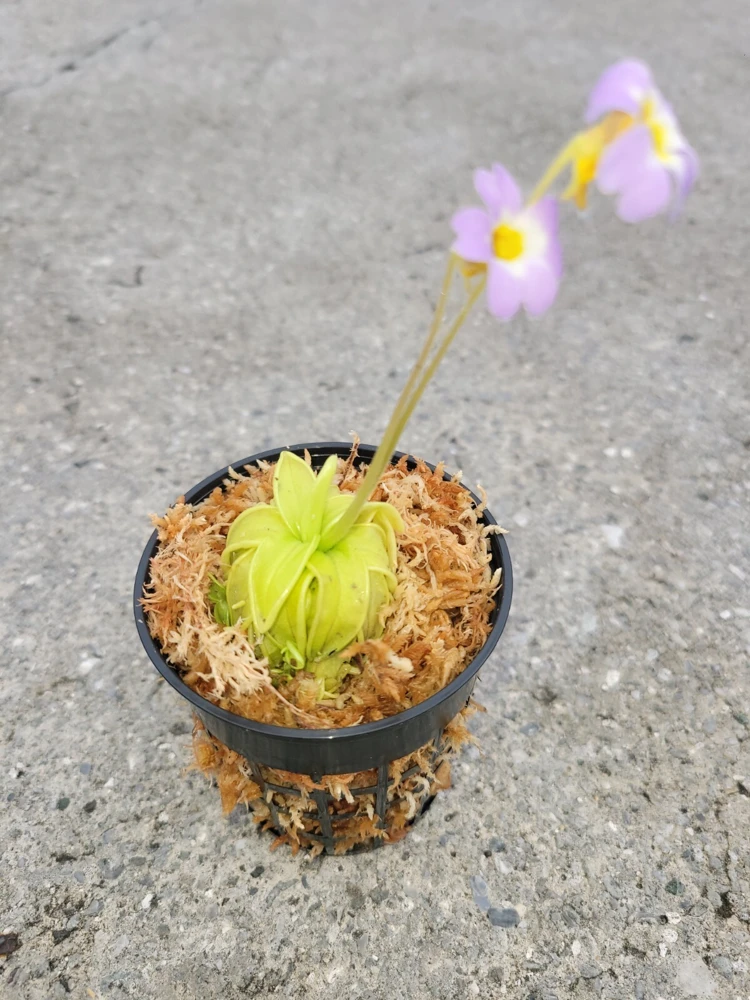
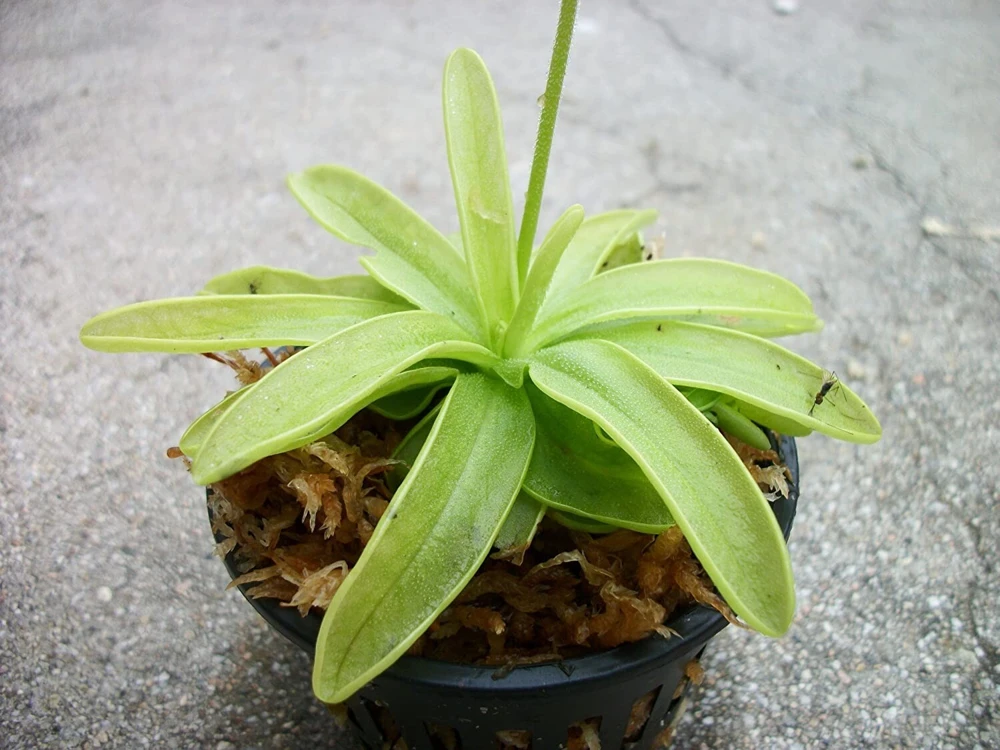
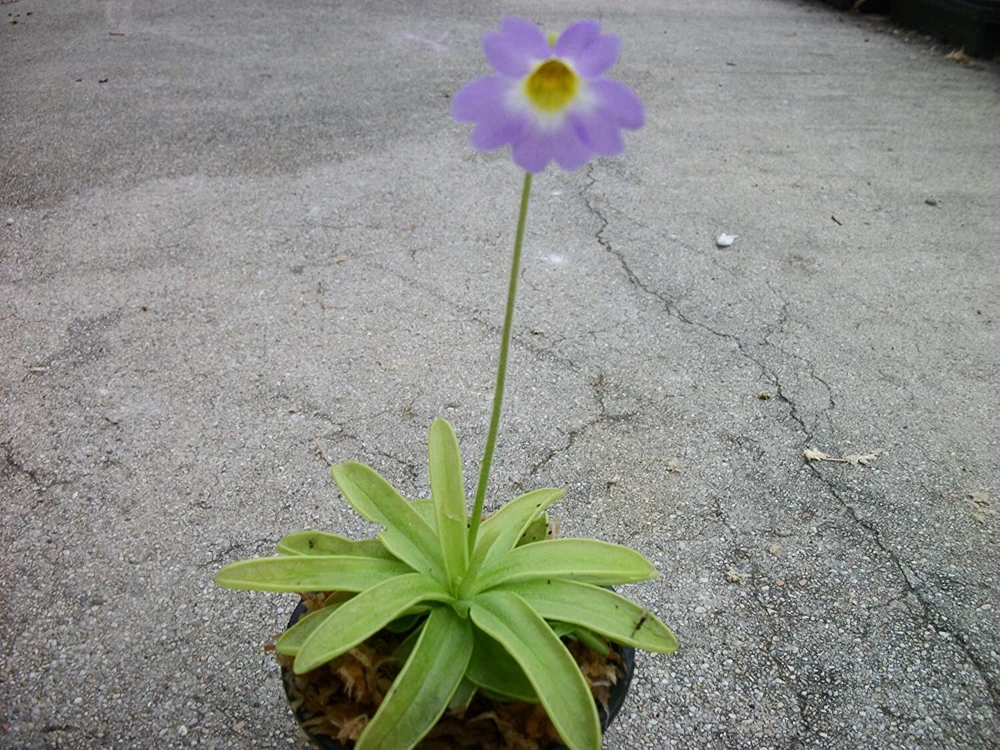
Introduce a touch of the exotic and highly functional to your plant collection with the Pinguicula Primuliflora live plant. This captivating carnivorous specimen, commonly known as the Primrose Butterwort, is renowned for its vibrant, sticky leaves that efficiently trap and digest small insects like gnats and fruit flies. Native to the southeastern United States, this particular species of butterwort thrives in humid, bog-like conditions, making it a unique addition to any indoor garden or terrarium. It’s an excellent choice for those seeking a natural pest control solution that is also aesthetically pleasing. Our healthy Pinguicula Primuliflora live plant comes ready to grow, offering an immediate impact with its delicate, often pinkish-purple flowers that emerge from its rosette of leaves.
The Primrose Butterwort is not only a marvel of nature but also a relatively easy-care carnivorous plant, making it suitable for both seasoned enthusiasts and those new to the world of insectivorous flora. Its unique trapping mechanism, involving glistening, glandular leaves, is a constant source of fascination. Beyond its pest-catching abilities, the plant’s succulent-like foliage and charming blooms add significant ornamental value. When you buy butterwort plant, you’re investing in a conversation starter and a living piece of biological wonder.
Key Benefits
The Pinguicula Primuliflora live plant offers a multitude of benefits, making it a highly desirable choice for plant lovers and those looking for natural solutions to common household pests. Its unique characteristics contribute to both its aesthetic appeal and practical utility.
- Natural Insect Control: The sticky leaves of the Primrose Butterwort are highly effective at trapping small flying insects such as gnats, fruit flies, and mosquitoes, providing an eco-friendly pest solution without chemicals.
- Exotic & Unique Appearance: With its rosette of succulent-like leaves and delicate flowers, this carnivorous plant for sale adds an unusual and beautiful element to any plant collection or terrarium.
- Relatively Low Maintenance: Compared to some other carnivorous plants, the Pinguicula Primuliflora live plant is considered easy to care for, making it suitable for beginners interested in carnivorous flora.
- Air Purification: Like many plants, it contributes to a healthier indoor environment by improving air quality, albeit to a lesser extent than its primary function of insect trapping.
- Educational Value: Observing the plant’s carnivorous nature provides an engaging educational experience for children and adults alike, showcasing the wonders of the plant kingdom.
- Compact Size: Its modest size makes it ideal for windowsills, desks, or small terrariums, fitting well into various living spaces.
- Aesthetic Blooms: The plant produces charming, often purple or pink, primrose-like flowers, enhancing its ornamental appeal.
Plant Care & Growing Tips
Caring for your Pinguicula Primuliflora live plant, or Primrose Butterwort, is straightforward once you understand its specific needs. These plants thrive in conditions that mimic their natural boggy habitats. Proper care will ensure a healthy, insect-trapping specimen that delights with its unique foliage and occasional blooms. Understanding Primrose Butterwort care is key to its longevity.
Sunlight Requirements: This butterwort prefers bright, indirect light. While it can tolerate some direct morning sun, intense afternoon sun should be avoided, especially in warmer climates, as it can scorch the delicate leaves. A north or east-facing window is often ideal indoors. If growing outdoors, choose a location with dappled shade or morning sun only. Aim for at least 4-6 hours of bright light daily for optimal growth and coloration.
Watering Schedule and Soil Moisture: Consistent moisture is crucial for the Pinguicula Primuliflora live plant. These plants are bog dwellers, so their soil should always remain moist, but not waterlogged. The best method is to keep the pot in a tray of distilled water, rainwater, or reverse osmosis water, allowing the plant to absorb water from the bottom. Avoid tap water due to its mineral content, which can be harmful. In winter, during dormancy, reduce watering slightly but never let the plant dry out completely.
Soil Type and Drainage Requirements: The ideal soil for this carnivorous plant for sale is a nutrient-poor, acidic, and well-draining mix. A common and effective blend is a mix of peat moss and perlite or coarse sand (1:1 ratio). Do not use regular potting soil or fertilizers, as they contain nutrients that can burn the roots of carnivorous plants. Ensure the pot has drainage holes, even if you are using the tray method, to prevent stagnation.
Temperature Range and USDA Hardiness Zone: The Primrose Butterwort is relatively hardy. It thrives in temperatures between 60-85°F (15-29°C). It is rated for USDA Hardiness Zone 10, meaning it can tolerate very mild winters outdoors in these regions. However, it is often grown as an indoor plant where temperatures are more controlled. During winter, it may enter a semi-dormant state, forming a tighter rosette of non-carnivorous leaves. Protect from frost if grown outdoors in cooler zones. For those looking for Pinguicula Primuliflora for beginners, maintaining a consistent temperature is important.
Fertilization Schedule and Type: Do not fertilize your Pinguicula Primuliflora live plant through the soil. Its carnivorous nature means it obtains necessary nutrients from the insects it catches. Adding fertilizers to the soil can quickly lead to root burn and plant death. If the plant is not catching enough insects, you can occasionally place a small, dead insect (like a dried bloodworm) on its leaves, but this is rarely necessary if grown in a location with some insect activity.
Common Problems and Solutions: Yellowing leaves can indicate too much direct sun or insufficient water. Ensure consistent moisture and appropriate light. If the leaves lose their stickiness, it might be a sign of low humidity or a need for more light. Pests are rare on butterworts due to their sticky leaves, but occasionally aphids or mealybugs can appear; treat with a diluted neem oil solution or insecticidal soap, avoiding direct contact with the sticky glands if possible.
Size & Details
This offering is for a vibrant Pinguicula Primuliflora live plant, commonly known as the Primrose Butterwort, delivered in a convenient 3-inch nursery pot. The plant will arrive healthy and actively growing, with its characteristic rosette of sticky, insect-trapping leaves. The exact height and spread will vary slightly depending on the individual plant’s growth stage, but typically ranges from 2-4 inches in diameter and 1-2 inches in height when mature. These plants are known for their relatively compact growth habit, making them perfect for windowsills, terrariums, or small indoor gardens. When you buy butterwort plant, you receive a well-established specimen ready to thrive in its new environment.
This carnivorous plant for sale is shipped as a potted plant, ensuring minimal transplant shock and immediate readiness for display. While the plant may not be in bloom upon arrival, mature specimens of Pinguicula Primuliflora are known to produce delicate, primrose-like flowers, often in shades of pink or purple, typically emerging in spring or summer. Growth rate is moderate, and with proper Primrose Butterwort care, it will continue to flourish and provide natural pest control. Expect a beautiful, intriguing addition to your home or garden that is both functional and decorative.
Frequently Asked Questions
- Q: How big does this plant get? A: The Pinguicula Primuliflora live plant typically grows to a diameter of about 2-4 inches and a height of 1-2 inches. It maintains a compact rosette form, making it suitable for small spaces.
- Q: What size pot does it come in? A: This Primrose Butterwort is shipped in a 3-inch nursery pot, providing a good starting size for its root system and allowing it to settle into its new environment before needing a larger container.
- Q: Is this an indoor or outdoor plant? A: The Pinguicula Primuliflora live plant can thrive both indoors and outdoors, depending on your climate. It’s often grown indoors for its aesthetic appeal and insect control, but can be grown outdoors in USDA Zone 10.
- Q: How much sunlight does it need? A: This carnivorous plant for sale prefers bright, indirect light. Avoid harsh, direct afternoon sun, which can scorch its leaves. A north or east-facing window is usually ideal indoors.
- Q: Is this plant easy to care for? A: Yes, the Pinguicula Primuliflora for beginners is considered one of the easier carnivorous plants to care for. Its primary requirements are consistent moisture with distilled water and bright, indirect light.
- Q: What condition will it arrive in? A: Your Pinguicula Primuliflora live plant will arrive healthy, live, and actively growing in its 3-inch pot, carefully packaged to ensure safe transit.
- Q: Is it shipped in soil? A: Yes, the plant is shipped fully potted in its appropriate carnivorous plant soil mix within the 3-inch nursery pot, ready for you to place in its new home.
- Q: When is the best time to plant? A: Since this is a potted plant, it can be ‘planted’ (placed in its desired location) at any time of year indoors. If moving outdoors in suitable zones, spring to early summer is ideal.
- Q: Will it survive winter in my zone? A: The Primrose Butterwort is hardy to USDA Zone 10. In colder zones, it must be brought indoors for winter or protected from frost.
- Q: What’s the minimum temperature it can tolerate? A: While it can tolerate brief dips, it thrives best above 60°F (15°C). It can survive mild winters in Zone 10, but sustained temperatures below freezing are harmful.
- Q: Can I use tap water for watering? A: No, you should only use distilled water, rainwater, or reverse osmosis water for your Pinguicula Primuliflora live plant. Tap water’s minerals can harm the plant.
Be the first to review “Pinguicula Primuliflora Butterwort Live Carnivorous Plant 3 inch Pot Indoor/Outdoor”
Related products


HousePlants
Purple African Violet Plant Live, Perennial Houseplant, 4 Inch Pot, Indoor Garden, Vibrant Violets


HousePlants

You May Like

Hardneck vs. Softneck Garlic: Which Should You Grow?
Have you ever stood in front of a seed catalog in mid-September, staring at dozens [...]
Oct

When to Plant Music Garlic: Ultimate US Fall Guide
Have you ever spent your fall weekend placing carefully chosen garlic cloves into rich, dark [...]
1 Comment
Oct

5 Best Bulbs for Fall Planting: Brighten Your Garden This Spring
Are you dreaming of a garden full of vibrant colors in the spring? The key [...]
Aug

10 Houseplants That Will Thrive in Your Kitchen
Are you tired of your kitchen feeling dull and lifeless? Want to add a little [...]
1 Comment
Aug
Reviews
There are no reviews yet.