
Pink Dogwood Tree Live Plant – 8-16″ Tall, Quart Pot – Outdoor Flowering Tree
Original price was: 36.99 $.26.99 $Current price is: 26.99 $.
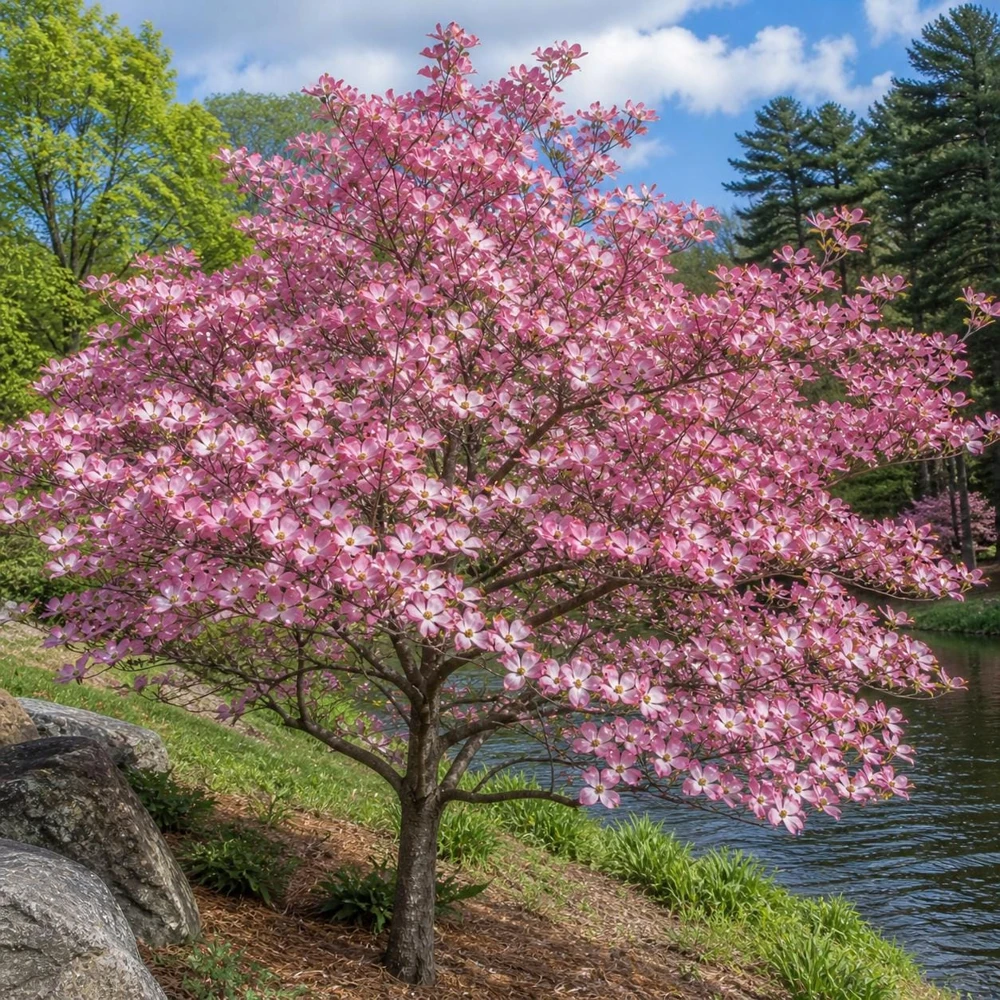
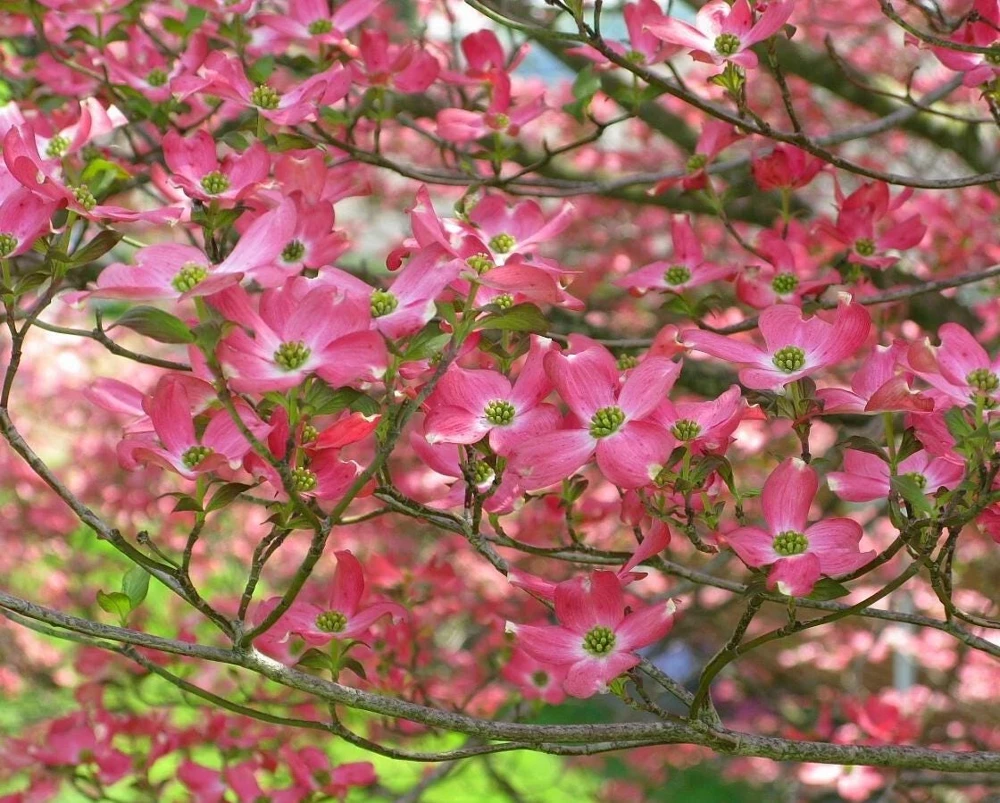
Add a touch of elegance to your landscape with this pink dogwood tree live plant. Standing 8-16 inches tall in a quart pot, it promises beautiful rose-pink flowers each spring and attractive branching for year-round interest. Ideal for garden and yard accents.
Estimated arrival
Oct 16
Oct 21 - Oct 23
Oct 23 - Oct 28
See our Shipping Policy.
Get in touch with us via email, and our team will review your concerns.
Our Alive & Thrive Guarantee covers issues with your plants within the first 30 days. Read our Refund & Returns Policy.
-
USDA Hardiness Zone
USDA Zones 5-9 -
Soil Type
Well-draining, slightly acidic, rich in organic matter -
Sunlight Exposure
Partial shade to full sun (prefers morning sun, afternoon shade) -
Expected Planting Period
Early spring or early fall
Overview
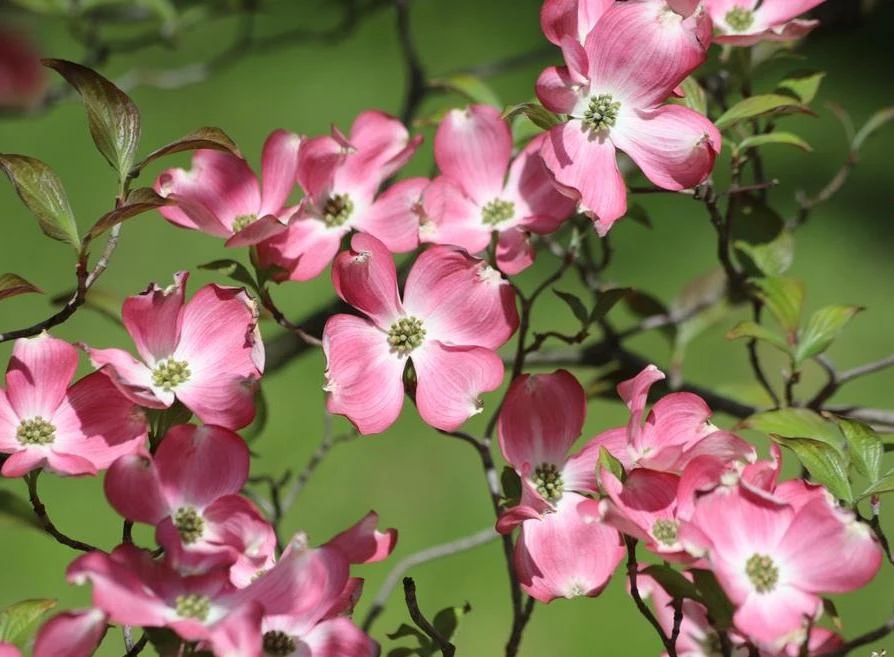
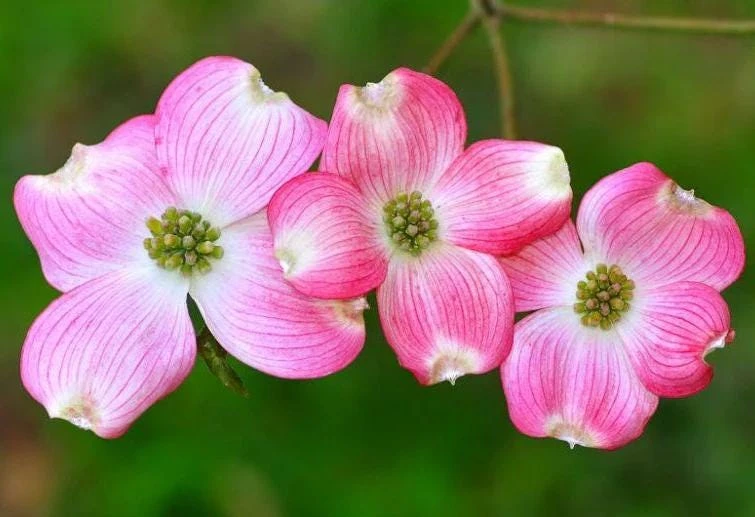
Introduce a breathtaking splash of color to your outdoor space with our exquisite pink dogwood tree live plant. This beautiful ornamental tree, scientifically known as Cornus florida ‘Rubra’, is highly prized for its stunning rose-pink blooms that emerge in abundance each spring. With its elegant, layered branching structure, this flowering dogwood tree adds significant visual interest even when not in flower, making it a focal point in any garden or yard. Our young trees are shipped as healthy, vibrant specimens, ready to be planted and establish themselves in your landscape, promising years of natural beauty. The dogwood’s distinctive four-petaled flowers are a classic sign of spring, and the pink variety offers a softer, romantic aesthetic. Choosing a pink dogwood tree live plant ensures you’re investing in a durable and beloved native species known for its charm and adaptability.
The pink dogwood tree live plant is not just about its iconic spring flowers; it also offers attractive foliage that turns rich red and purple in the fall, followed by bright red berries that provide food for birds. This makes it an excellent choice for a multi-seasonal display. Whether you’re looking to create a serene garden retreat or enhance your home’s curb appeal, a rose dogwood plant is a superb selection. It’s an investment in your home’s beauty and a wonderful way to connect with nature, bringing a sense of tranquility and vibrant life to your surroundings.
Key Benefits
A pink dogwood tree live plant offers numerous advantages for any gardener or homeowner looking to enhance their outdoor environment. Its captivating beauty and ecological benefits make it a superior choice.
- Stunning Spring Blooms: Enjoy a spectacular display of soft, rose-pink flowers every spring, transforming your garden into a picturesque haven. These iconic blooms are a true highlight of the season.
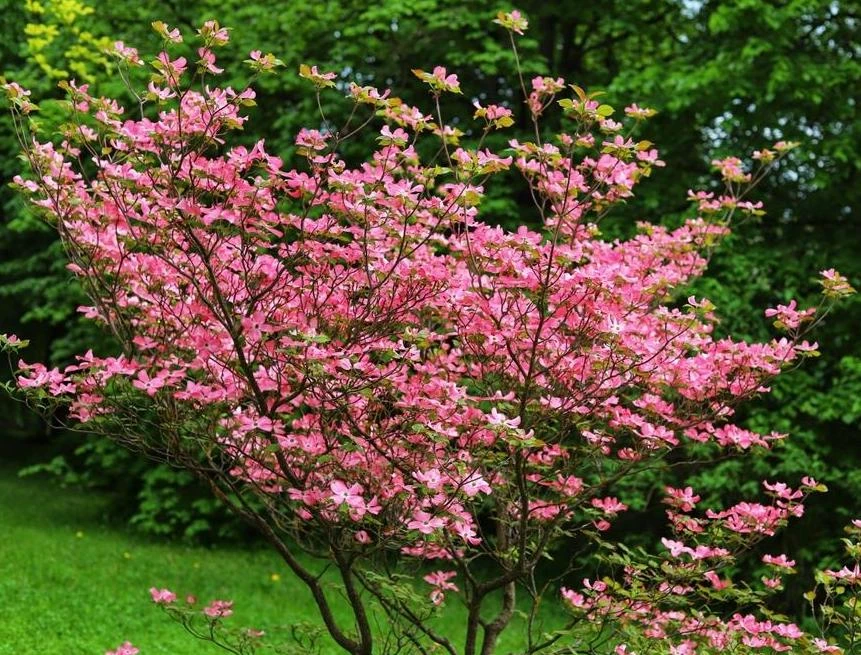
- Multi-Seasonal Interest: Beyond its spring flowers, the flowering dogwood tree boasts attractive horizontal branching, vibrant red-purple fall foliage, and bright red berries in winter, providing visual appeal throughout the year.
- Wildlife Attraction: The berries produced by the rose dogwood plant are a valuable food source for local birds, helping to support local ecosystems and bring more life into your garden.
- Elegant Landscape Accent: Its graceful form and manageable size make it an ideal specimen tree for gardens, yards, and mixed borders, adding a sophisticated touch to any landscape design.
- Adaptable & Resilient: Known for its hardiness, the dogwood tree care requirements are relatively straightforward, and it thrives in a range of conditions once established, making it a rewarding plant for many gardeners.
- Natural Beauty & Charm: The inherent beauty of this native tree adds a timeless charm and a sense of established elegance to any property, enhancing its aesthetic value.
- Provides Partial Shade: As it matures, the tree’s canopy offers dappled shade, creating a comfortable understory for other shade-loving plants or a pleasant spot for relaxation.
Plant Care & Growing Tips
Proper dogwood tree care is essential for ensuring your pink dogwood tree live plant thrives and produces its beautiful blooms year after year. These trees prefer a location with partial shade, ideally receiving morning sun and protection from intense afternoon sun, especially in warmer climates. While they can tolerate full sun in cooler regions, some afternoon shade will help prevent leaf scorch. Ensure the planting site has well-draining, slightly acidic soil that is rich in organic matter. Amending the soil with compost or peat moss before planting can greatly improve its structure and nutrient content, providing an optimal environment for your flowering dogwood tree to flourish.
Consistent moisture is crucial, particularly during the establishment period of your rose dogwood plant. Water deeply and regularly, especially during dry spells, to keep the soil consistently moist but never waterlogged. Once established, dogwoods are somewhat drought-tolerant but will perform best with supplemental watering during extended dry periods. Apply a balanced or organic slow-release fertilizer in early spring before new growth begins, following the product instructions carefully. Minimal pruning is typically needed; focus on removing any dead, damaged, or crossing branches after the tree has finished flowering in the spring. This helps maintain its natural shape and promotes healthy growth. Protecting young trees from deer browsing can also be an important part of dogwood tree care in some areas.
During its first few years, monitor your pink dogwood tree live plant for any signs of stress or disease. Good air circulation around the tree can help prevent fungal issues. Mulching around the base with 2-4 inches of organic material like wood chips helps retain soil moisture, regulate soil temperature, and suppress weeds. Keep the mulch a few inches away from the trunk to prevent rot. Remember that dogwoods go dormant in winter, shedding their leaves and appearing inactive. This is a natural process; reduce watering and cease fertilizing during this period. New leaves and blooms will return with the warmth of spring, making your outdoor ornamental tree a delight once again.
Size & Details
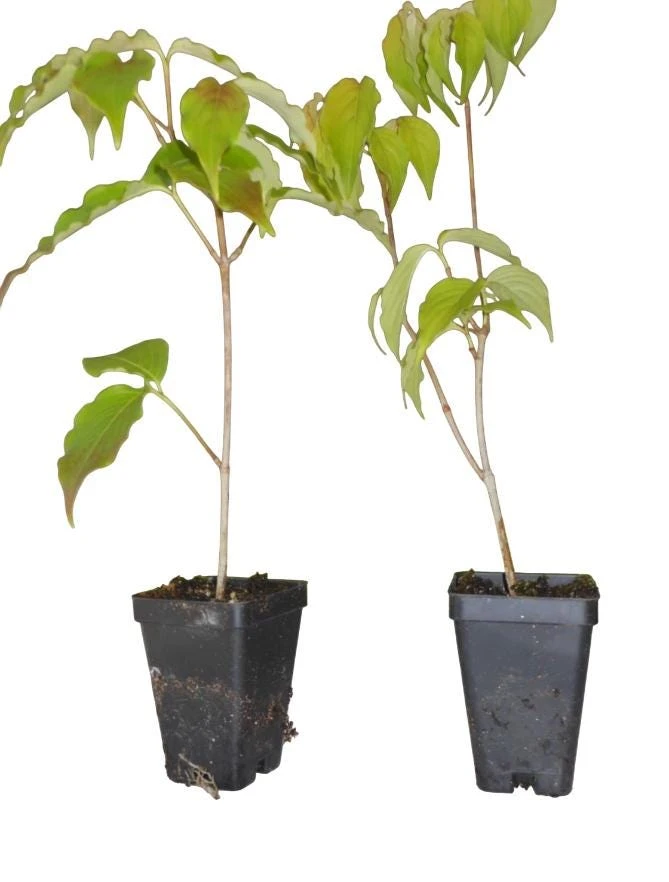
This offering is for a healthy pink dogwood tree live plant, approximately 8–16 inches (20–40 cm) tall from the soil line to the top of the plant. Each young tree is carefully grown and shipped in a quart-sized nursery pot, ensuring its root system is well-established and ready for transplanting into your garden. The exact height will vary slightly depending on the individual plant and time of year, but all are robust and ready to thrive. This size is ideal for easy handling and planting, allowing you to establish your new flowering dogwood tree with minimal effort.
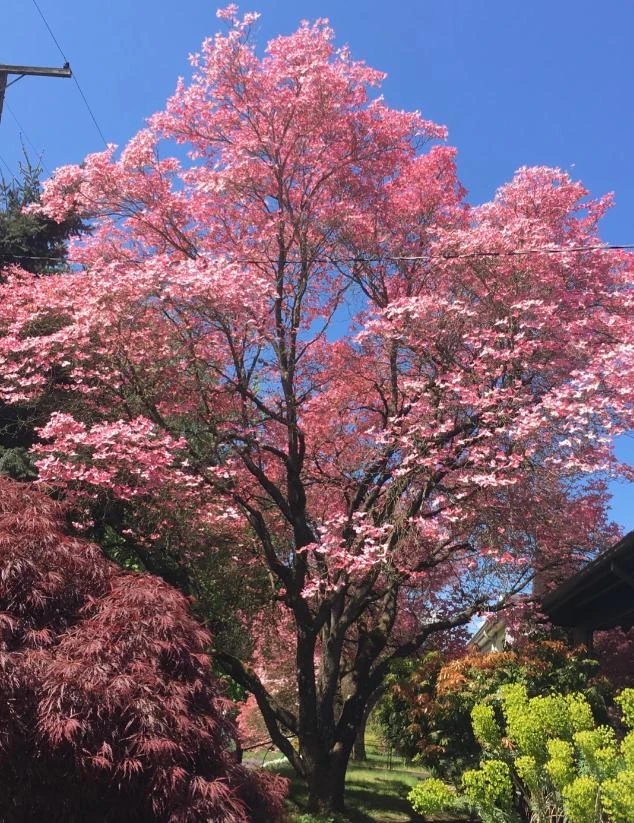
Dogwood trees are generally moderate growers, adding about 1-2 feet of height per year under optimal conditions. Mature rose dogwood plant specimens typically reach a height of 15-25 feet with a similar spread, forming a beautiful, broad canopy. Expect your tree to begin producing its characteristic pink blooms within a few years of planting, becoming more prolific as it matures. These plants are deciduous, meaning they will shed their leaves in the fall and enter dormancy during the winter months, only to burst forth with new growth and flowers in the spring. This outdoor ornamental tree is a long-term addition to your landscape, providing beauty for decades.
Frequently Asked Questions
- Q: How big does this plant get? A: This pink dogwood tree live plant is shipped at 8-16 inches tall in a quart pot. When mature, it can reach heights of 15-25 feet with a similar spread, creating a beautiful canopy in your landscape.
- Q: Is this an indoor or outdoor plant? A: The flowering dogwood tree is an outdoor ornamental tree, best suited for planting in gardens, yards, or larger containers outdoors where it can establish and grow to its mature size.
- Q: How much sunlight does it need? A: Dogwoods prefer partial shade, ideally receiving morning sun and protection from intense afternoon sun. In cooler climates, they can tolerate more sun, but afternoon shade is beneficial. This is a key aspect of good dogwood tree care.
- Q: What condition will it arrive in? A: Your rose dogwood plant will arrive as a healthy, live young tree, approximately 8-16 inches tall, securely packaged in its quart-sized nursery pot with soil to ensure its well-being during transit.
- Q: When is the best time to plant? A: The best times to plant a pink dogwood tree live plant are in early spring or early fall when temperatures are moderate. This allows the tree to establish its root system before extreme weather conditions.
- Q: Will it survive winter in my zone? A: Pink dogwood trees are generally hardy in USDA Zones 5-9. If you are within these zones, your outdoor ornamental tree should survive winter, going dormant and returning in spring.
- Q: Is this plant easy to care for? A: Once established, dogwoods are relatively low-maintenance. They require consistent watering during establishment and benefit from appropriate site selection and minimal pruning, making dogwood tree care manageable for most gardeners.
- Q: Does this tree produce berries? A: Yes, after the spring flowers, the flowering dogwood tree produces bright red berries in the fall, which are attractive and serve as a food source for birds.
- Q: What type of soil is best for a pink dogwood? A: A well-draining, slightly acidic soil rich in organic matter is ideal for a pink dogwood tree live plant. Amending with compost can improve soil quality significantly.
- Q: How long until it blooms? A: While this is a young plant, a rose dogwood plant typically begins to produce its signature pink blooms within a few years of planting, with the display becoming more impressive as the tree matures.
Be the first to review “Pink Dogwood Tree Live Plant – 8-16″ Tall, Quart Pot – Outdoor Flowering Tree”
Related products


Trees
Guava Tree Live Plant Pink Tropical Fruit 4-10in Tall Well Rooted for Gardening USDA Zones 9-11


You May Like

Hardneck vs. Softneck Garlic: Which Should You Grow?
Have you ever stood in front of a seed catalog in mid-September, staring at dozens [...]
Oct

When to Plant Music Garlic: Ultimate US Fall Guide
Have you ever spent your fall weekend placing carefully chosen garlic cloves into rich, dark [...]
1 Comment
Oct

5 Best Bulbs for Fall Planting: Brighten Your Garden This Spring
Are you dreaming of a garden full of vibrant colors in the spring? The key [...]
Aug

10 Houseplants That Will Thrive in Your Kitchen
Are you tired of your kitchen feeling dull and lifeless? Want to add a little [...]
1 Comment
Aug
Reviews
There are no reviews yet.