
Pink Pampas Grass Live Plant, Perennial Outdoor Ornamental Grass, 4-8 Inch Tall
Original price was: 45.99 $.20.99 $Current price is: 20.99 $.
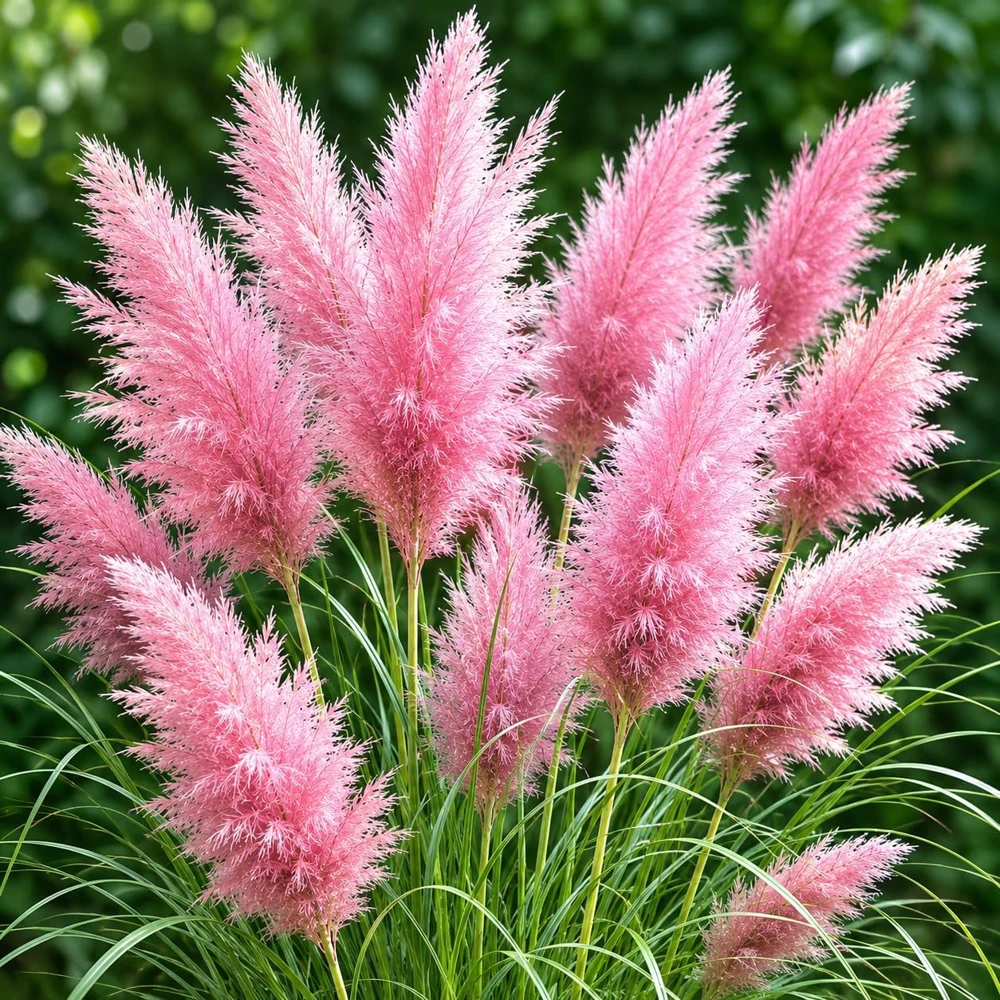
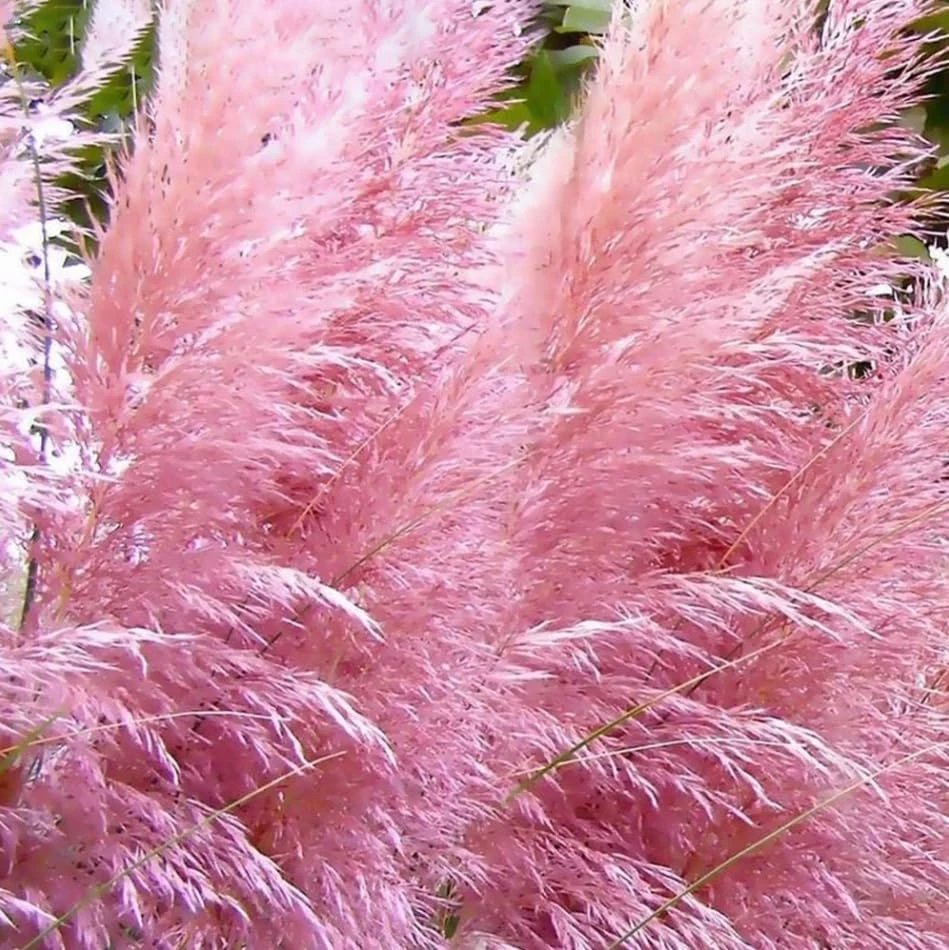
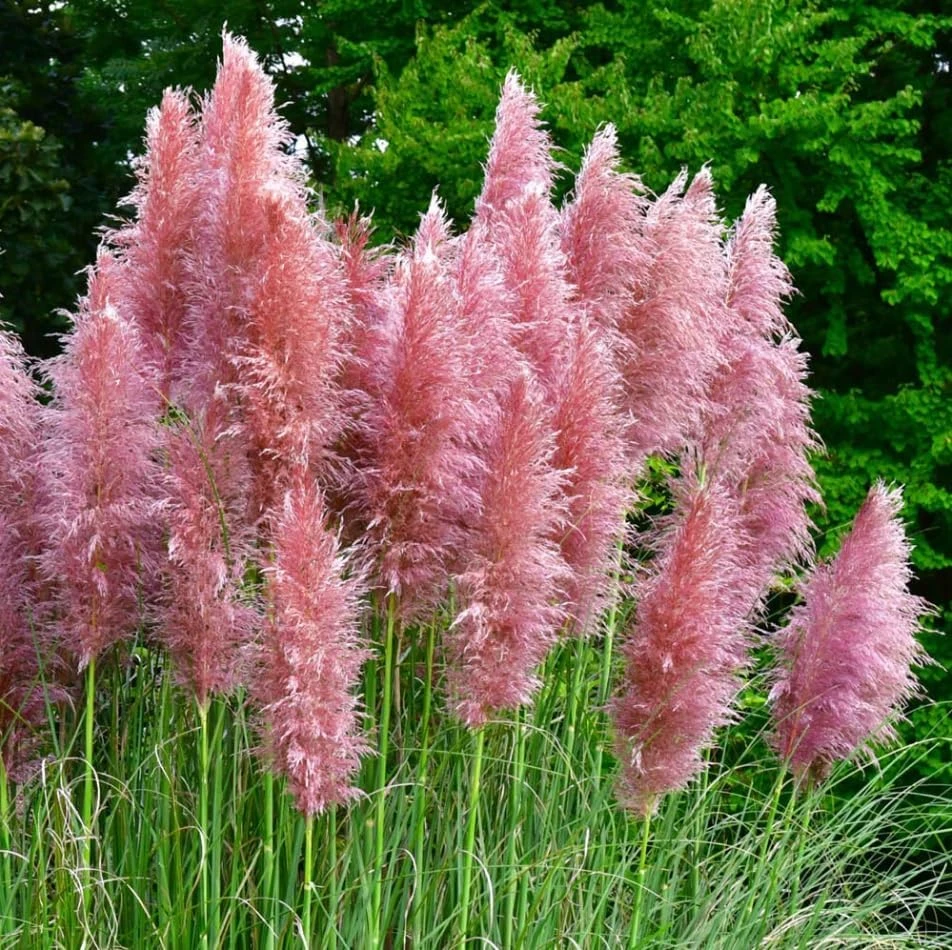
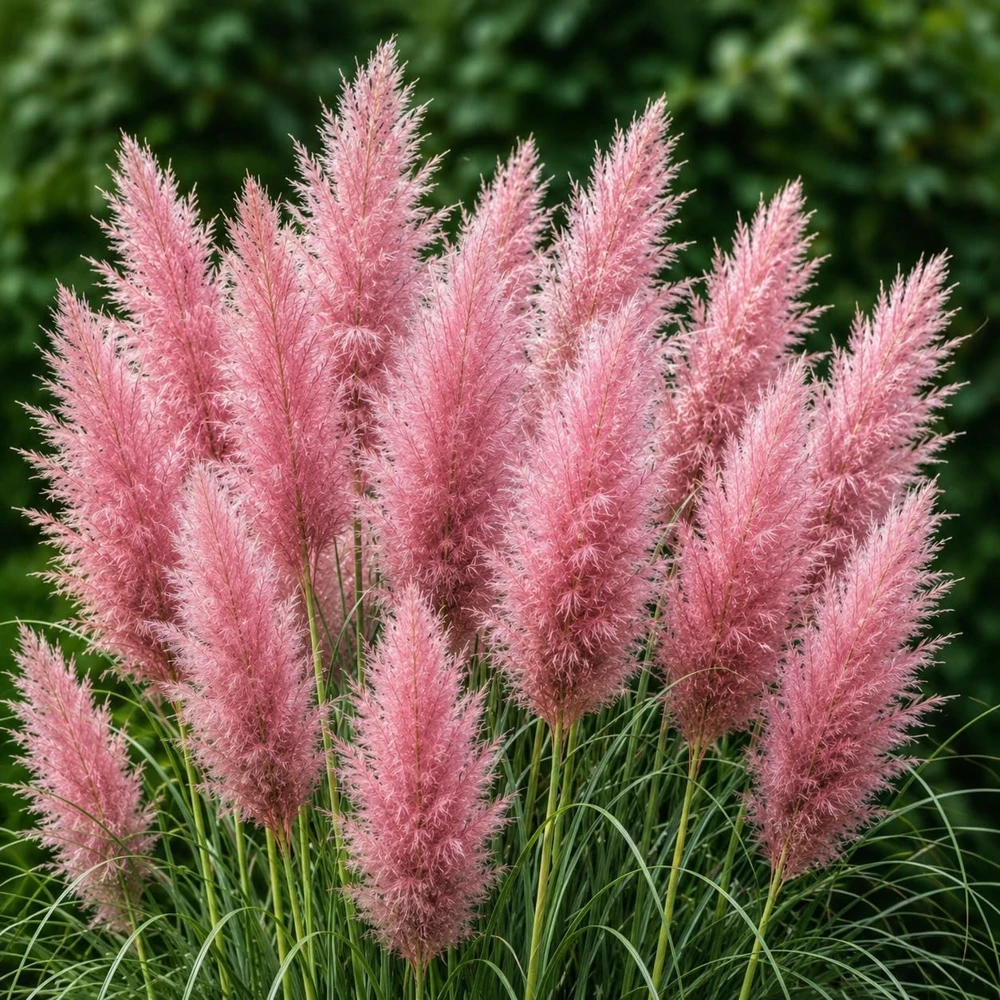
Add a touch of elegance to your landscape with this beautiful pink pampas grass live plant. Perfect for outdoor gardens, this perennial ornamental grass grows 4-8 inches tall and features stunning plumes, making it an ideal choice for visual interest and texture.
Estimated arrival
Oct 15
Oct 20 - Oct 22
Oct 22 - Oct 27
See our Shipping Policy.
Get in touch with us via email, and our team will review your concerns.
Our Alive & Thrive Guarantee covers issues with your plants within the first 30 days. Read our Refund & Returns Policy.
-
USDA Hardiness Zone
6–10 -
Soil Type
Well-draining soil -
Sunlight Exposure
Full sun -
Expected Planting Period
Spring to early fall
Overview
Introduce a dramatic and elegant focal point to your outdoor spaces with our exquisite pink pampas grass live plant. This stunning ornamental grass, scientifically known as Cortaderia selloana, is renowned for its magnificent feathery plumes that emerge in late summer to fall, bringing a soft, romantic touch to any garden. Our live starter plants, measuring 4-8 inches tall, are ready for planting, offering a robust foundation for a thriving, beautiful display. Ideal for creating natural screens, accentuating borders, or as a standalone specimen, this perennial grass promises to transform your landscape with its unique texture and vibrant pink hues. Discover the ease of cultivating this captivating plant and enjoy its enduring beauty year after year.
The pink pampas grass live plant is a favorite among gardeners for its low maintenance requirements and impressive visual impact. It’s a versatile choice that thrives in various conditions, providing an architectural element to both modern and traditional garden designs. With proper care, these young plants will quickly establish themselves, growing into mature specimens that command attention.
Key Benefits
Cultivating a pink pampas grass live plant offers numerous advantages, from enhancing curb appeal to providing a habitat for local wildlife. Its striking appearance and hardy nature make it a valuable addition to diverse garden settings.
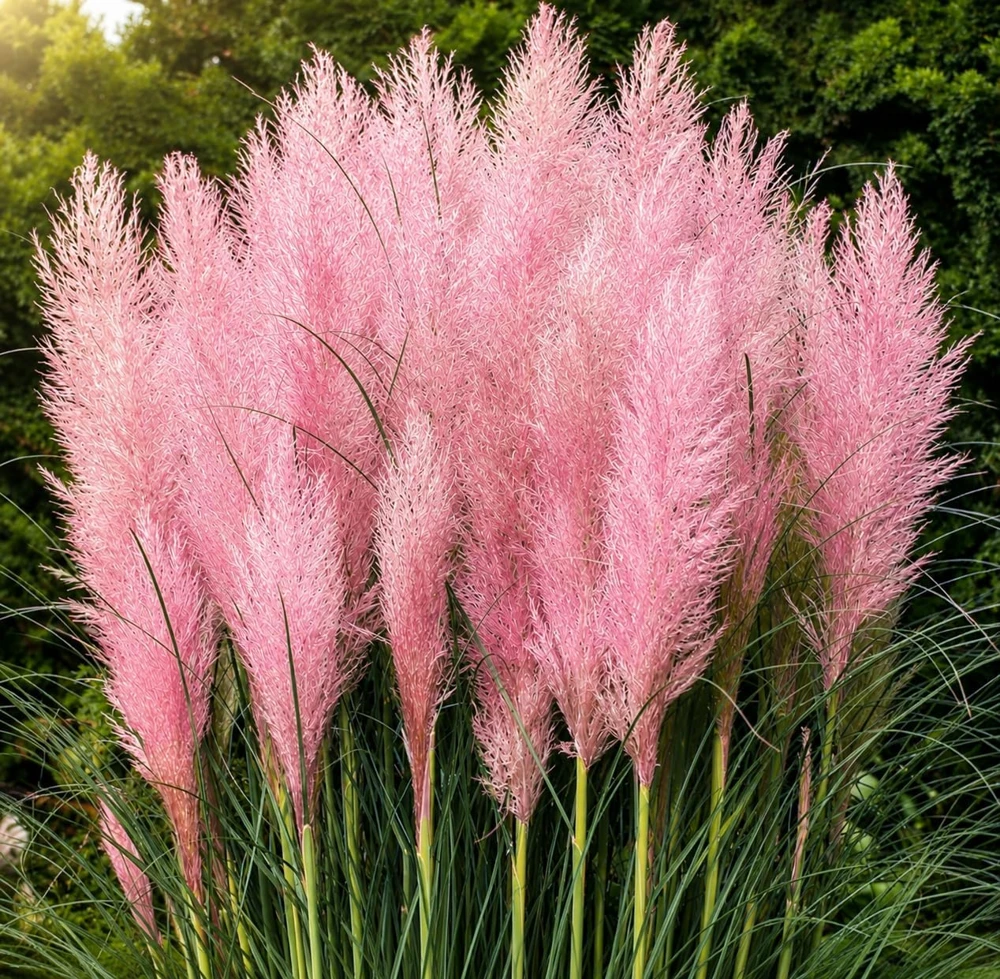
- Stunning Ornamental Value: The most prominent benefit is the breathtaking aesthetic appeal of its large, feathery pink plumes. These plumes create a soft, ethereal look that sways gracefully in the breeze, adding dynamic movement and rich texture to your garden, especially during the late summer and fall seasons.
- Low Maintenance & Drought Tolerant: Once established, pink pampas grass care is remarkably simple. This plant is highly tolerant of drought conditions, requiring minimal watering, which makes it an excellent choice for xeriscaping or gardens in drier climates. It’s an ideal option for gardeners seeking beauty without constant upkeep.
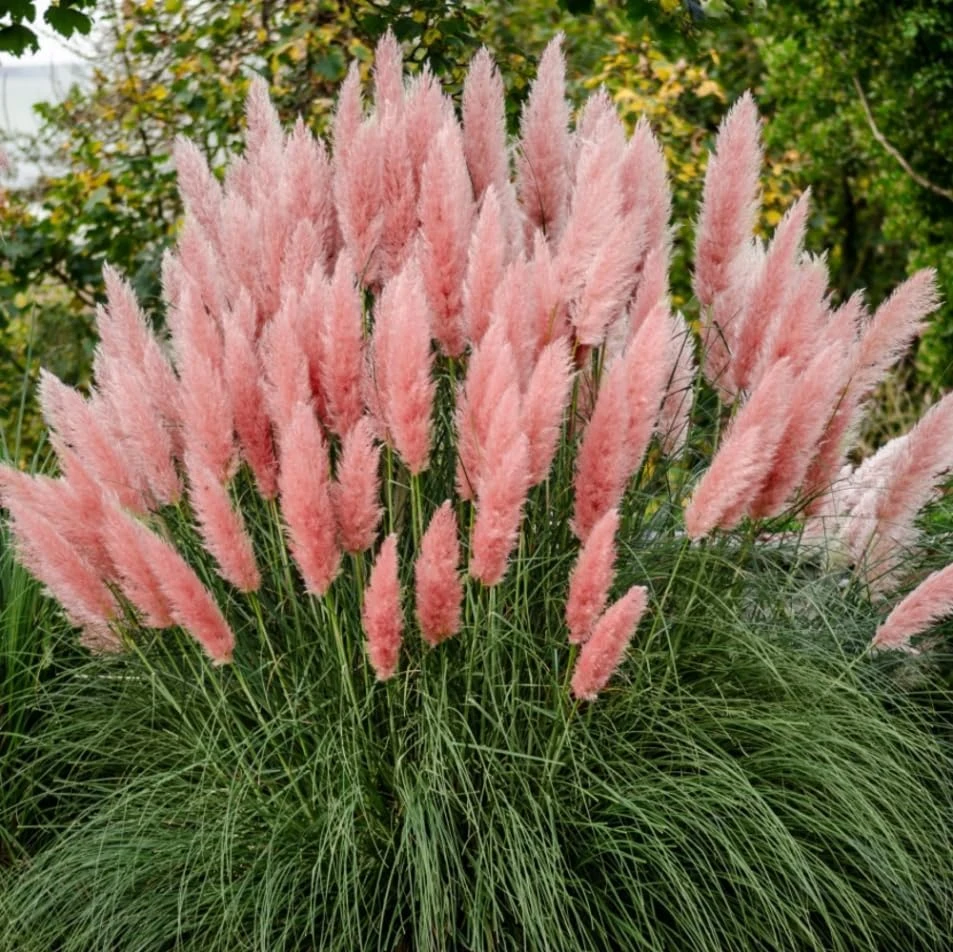
- Versatile Landscape Use: This ornamental grass can be used in a multitude of landscape designs. It’s perfect for creating privacy screens, defining garden borders, adding height and drama to perennial beds, or as a striking standalone specimen in large open areas. Its imposing size at maturity makes it a natural focal point.
- Erosion Control: Due to its extensive root system, Cortaderia selloana pink is highly effective in stabilizing soil and preventing erosion on slopes or in areas prone to runoff. This practical benefit combines with its aesthetic appeal to offer a truly functional landscape solution.
- Attracts Wildlife: While not a primary pollinator plant, the dense foliage and seed heads can provide shelter and nesting material for small birds and other wildlife, contributing to the biodiversity of your garden ecosystem.
- Hardy & Resilient: Tolerant of a wide range of temperatures and conditions (USDA Zones 6-10), this perennial pink pampas is a robust plant that can withstand various environmental stressors, ensuring its longevity and consistent beauty in your garden.
- Privacy and Screening: When planted in groups, the mature size and dense growth habit of this pink pampas grass live plant can effectively create a natural privacy screen, offering seclusion and blocking undesirable views without the need for traditional fencing.
Plant Care & Growing Tips
Ensuring the healthy establishment and vibrant growth of your pink pampas grass live plant requires attention to a few key environmental factors. These perennial grasses are generally forgiving, but optimal conditions will lead to the most spectacular displays.
Sunlight Requirements: Pink pampas grass thrives in full sun, meaning it requires at least 6-8 hours of direct sunlight per day. Planting it in a location that receives ample sunlight will encourage robust growth and the most abundant plumes. While it can tolerate some partial shade, too little sun may result in leggy growth and fewer, less impressive flower stalks. Ensure your chosen spot is unshaded by buildings or large trees.
Watering Schedule and Soil Moisture: During its establishment period, typically the first growing season, water your pink pampas grass live plant regularly to keep the soil consistently moist but not waterlogged. Once established, it becomes highly drought-tolerant and will only need watering during extended dry periods. Overwatering can lead to root rot, so ensure good drainage. The ‘deep and infrequent’ method works best for mature plants to encourage deep root growth.
Soil Type and Drainage: This ornamental grass prefers well-draining soil. It can adapt to a variety of soil types, including sandy, loamy, or clay soils, as long as they drain well. Heavy, waterlogged soils should be amended with organic matter like compost or sand to improve drainage. A slightly acidic to neutral pH (6.0-7.0) is ideal for optimal growth and nutrient uptake, contributing to effective pink pampas grass care.
Temperature Range and USDA Hardiness Zone: The pink pampas grass live plant is remarkably hardy, thriving across USDA Zones 6-10. It can tolerate temperatures ranging from -10 degrees Fahrenheit to 100 degrees Fahrenheit. In colder zones (6-7), providing a protective layer of mulch around the base during winter can help insulate the roots. In hotter climates, its drought tolerance makes it an excellent choice.
Fertilization: Generally, pink pampas grass does not require heavy fertilization. A light application of a balanced, slow-release granular fertilizer in early spring can promote vigorous growth. Avoid over-fertilizing, especially with high-nitrogen formulas, as this can encourage excessive foliage at the expense of flower production. For established plants, compost can be worked into the soil around the base to provide nutrients.
Common Problems and Solutions: Pink pampas grass is relatively pest and disease-free. The main issue can be overwatering, leading to root rot. Ensure proper drainage to prevent this. Occasionally, spider mites might appear in hot, dry conditions; a strong spray of water or insecticidal soap can manage them. Pruning is crucial for maintaining plant health and appearance. Cut back old foliage in late winter or early spring before new growth emerges, which is a key aspect of proper pink pampas grass care.
Size & Details
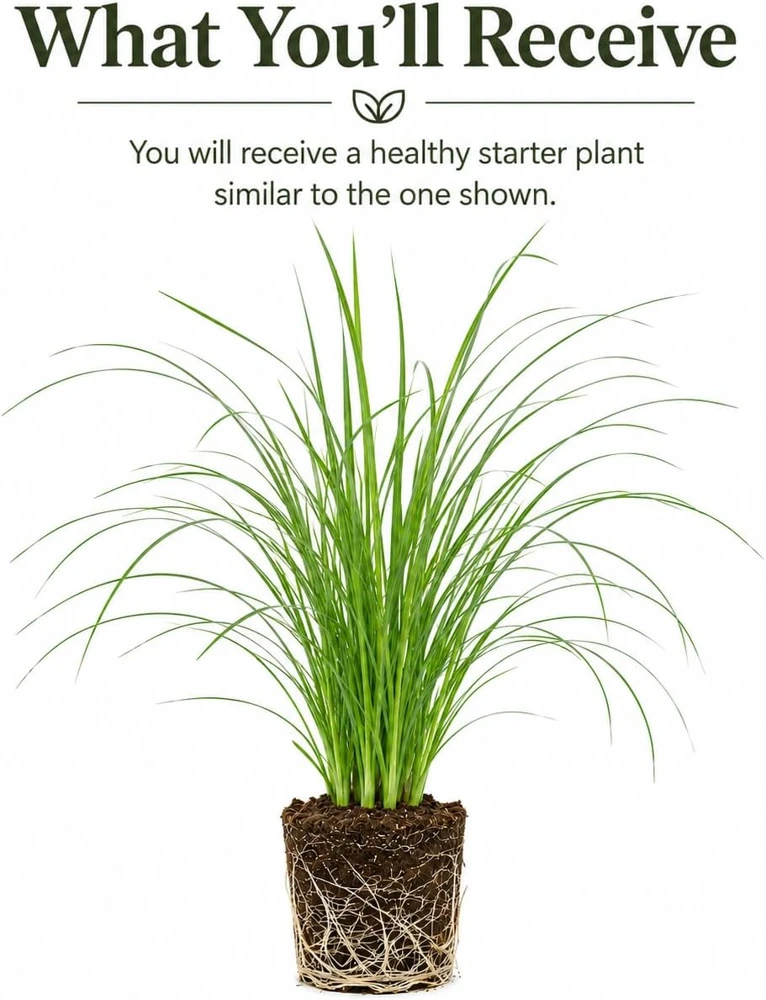
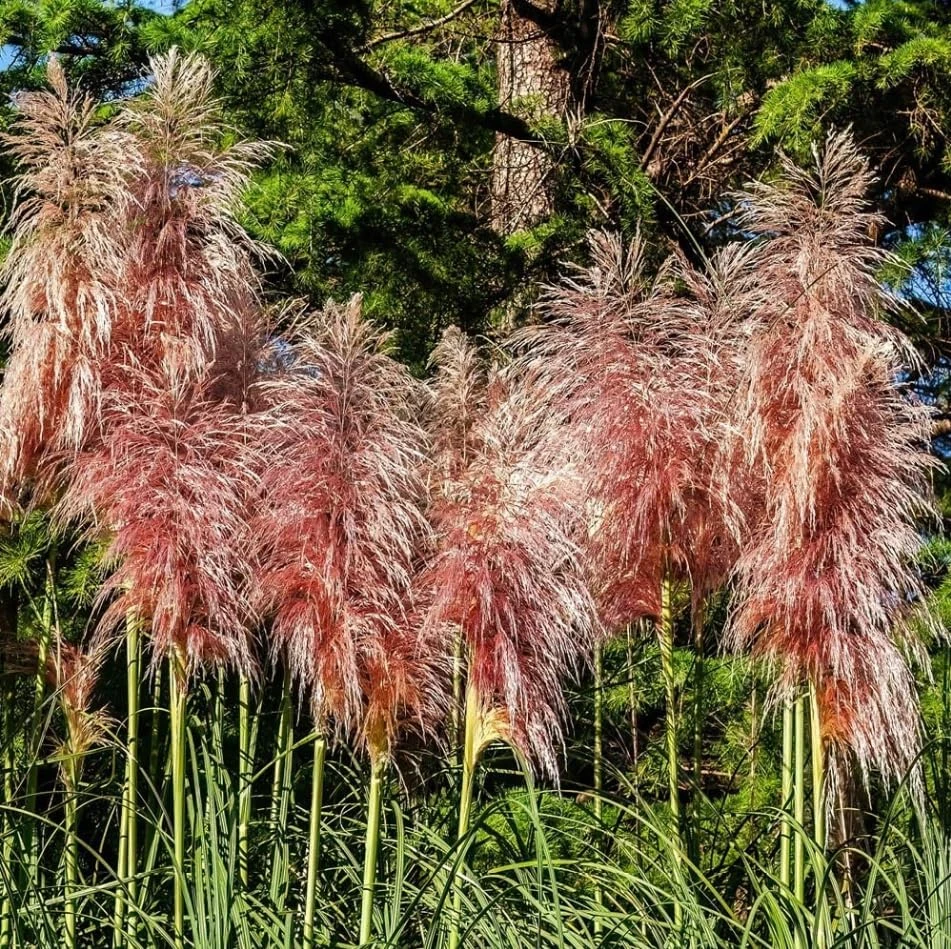
Each pink pampas grass live plant offered is a young starter plant, measuring approximately 4-8 inches tall at the time of shipment. These plants are shipped without a pot, prepared for immediate planting upon arrival. While photos may depict mature specimens for illustrative purposes, your plant will be a healthy young starter, ready to establish roots in your garden. The growth rate for Cortaderia selloana pink is relatively fast; with ideal conditions, it can reach its mature height of 6-10 feet tall and 4-6 feet wide within 2-3 years, producing its characteristic plumes from late summer into fall. These plants are robust and designed to grow into magnificent, stately features in your landscape. This perennial pink pampas will establish quickly and add significant visual interest.
Frequently Asked Questions
- Q: How big does this plant get? A: This pink pampas grass live plant is a young starter plant, 4-8 inches tall upon arrival. With proper care, it can grow to a mature height of 6-10 feet tall and spread 4-6 feet wide, forming a substantial clump in your landscape.
- Q: Is this an indoor or outdoor plant? A: This is an outdoor perennial grass. While it can be grown in containers, it is best suited for planting directly in the ground in outdoor gardens where it has ample space to reach its mature size.
- Q: How much sunlight does it need? A: For optimal growth and plume production, the pink pampas grass live plant requires full sun, meaning at least 6-8 hours of direct sunlight daily. It will tolerate some partial shade but may have fewer plumes.
- Q: Is this plant easy to care for? A: Yes, once established, pink pampas grass is considered low-maintenance. It is drought-tolerant and generally pest and disease-free, making pink pampas grass care relatively easy for gardeners of all experience levels.
- Q: What condition will it arrive in? A: You will receive a healthy, young starter plant, 4-8 inches tall, shipped without a pot. It will be ready for planting and may not have flowers or the mature appearance shown in reference images.
- Q: How long until it blooms? A: Pink pampas grass typically begins to produce its characteristic plumes in late summer to fall. Young plants may take 1-2 seasons to fully establish before producing a significant number of plumes.
- Q: Will it survive winter in my zone? A: This perennial pink pampas is hardy in USDA Zones 6-10. In Zone 6, providing winter protection like mulch can help it overwinter successfully. It is tolerant of temperatures down to -10 degrees Fahrenheit.
- Q: What type of soil is best for this plant? A: The pink pampas grass live plant prefers well-draining soil. It can adapt to various soil types, but good drainage is crucial to prevent root issues. Amending heavy soils with organic matter can improve drainage.
- Q: Can I grow this ornamental grass in a container? A: While it can be grown in large containers when young, Cortaderia selloana pink prefers to be planted in the ground due to its large mature size and extensive root system. If container growing, choose a very large pot and be prepared for frequent watering.
- Q: When is the best time to plant pink pampas grass? A: The best time to plant your pink pampas grass live plant is in spring or early fall, allowing it sufficient time to establish its root system before extreme summer heat or winter cold sets in.
Be the first to review “Pink Pampas Grass Live Plant, Perennial Outdoor Ornamental Grass, 4-8 Inch Tall”
Related products


You May Like

Hardneck vs. Softneck Garlic: Which Should You Grow?
Have you ever stood in front of a seed catalog in mid-September, staring at dozens [...]
Oct

When to Plant Music Garlic: Ultimate US Fall Guide
Have you ever spent your fall weekend placing carefully chosen garlic cloves into rich, dark [...]
1 Comment
Oct

5 Best Bulbs for Fall Planting: Brighten Your Garden This Spring
Are you dreaming of a garden full of vibrant colors in the spring? The key [...]
Aug

10 Houseplants That Will Thrive in Your Kitchen
Are you tired of your kitchen feeling dull and lifeless? Want to add a little [...]
1 Comment
Aug
Reviews
There are no reviews yet.