
Pink Rose of Sharon Hibiscus Plant – 12-24″ Tall Althea Syriacus Quart Pot
Original price was: 101.99 $.76.99 $Current price is: 76.99 $.
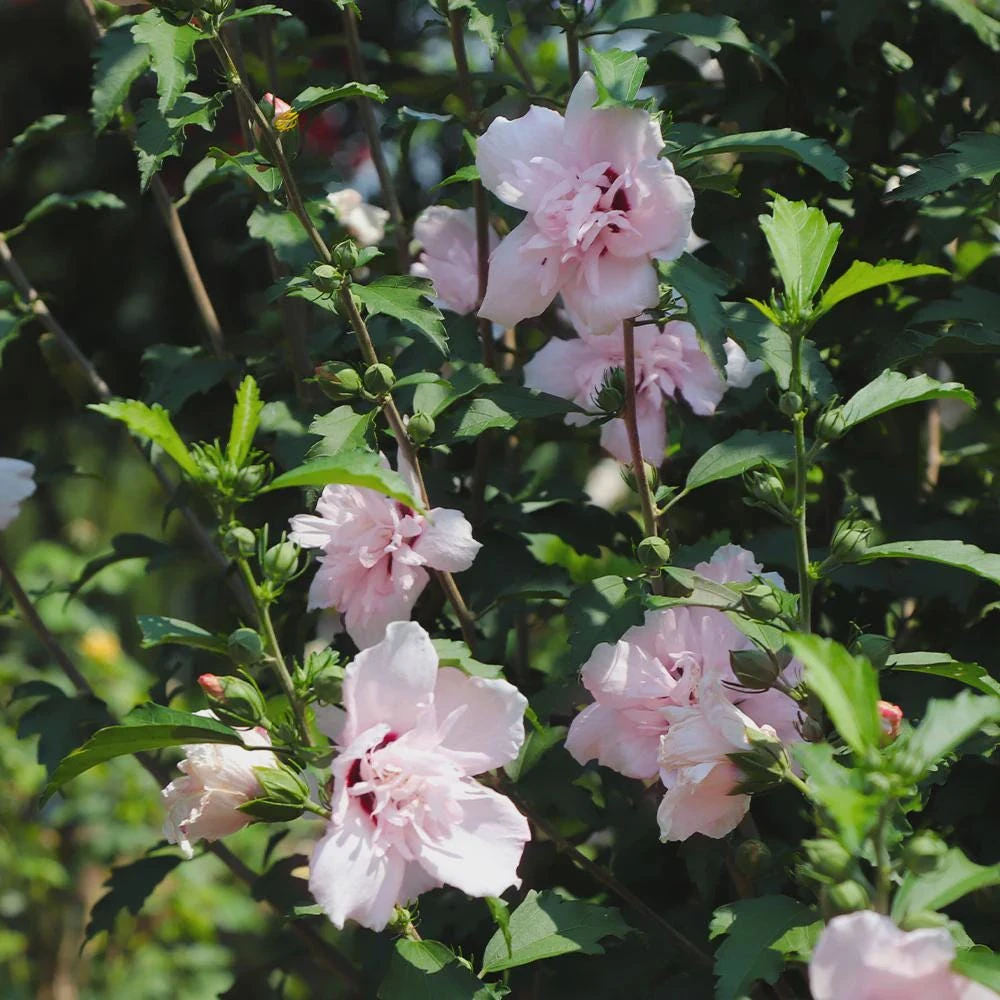
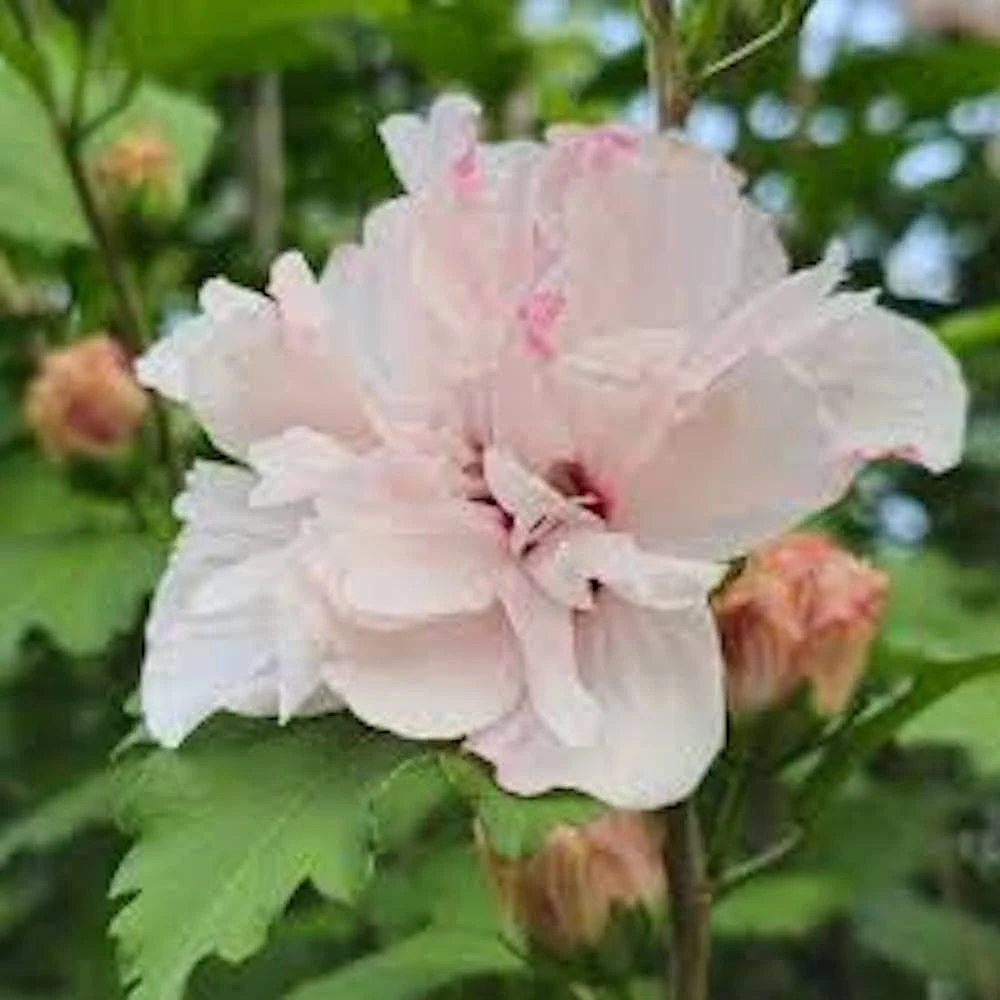
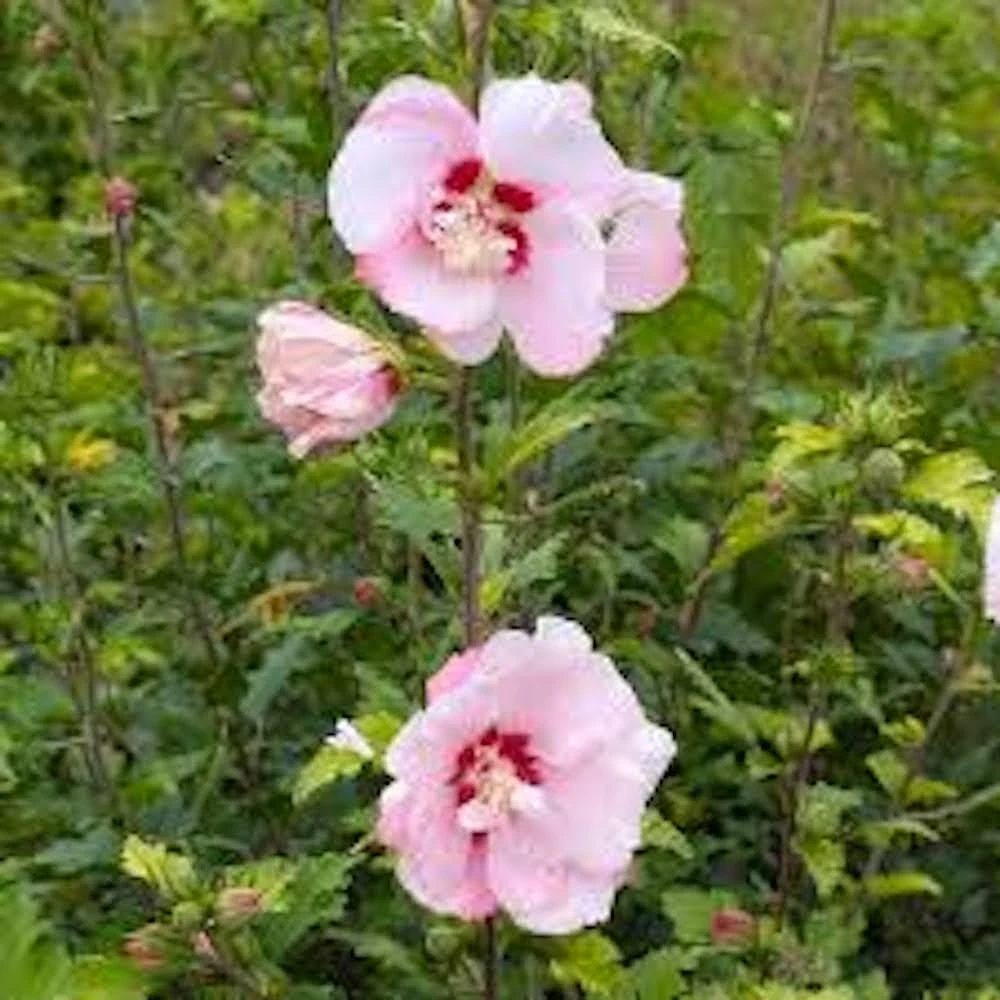
Add vibrant color to your landscape with this pink rose of sharon hibiscus, a beautiful 12-24″ tall Althea (Hibiscus syriacus) starter plant. Known for its showy summer and fall blooms, this hardy deciduous shrub is ideal for gardens, thriving in full sun to partial shade. Perfect for creating stunning floral displays.
Estimated arrival
Oct 16
Oct 21 - Oct 23
Oct 23 - Oct 28
See our Shipping Policy.
Get in touch with us via email, and our team will review your concerns.
Our Alive & Thrive Guarantee covers issues with your plants within the first 30 days. Read our Refund & Returns Policy.
-
USDA Hardiness Zone
unknown -
Soil Type
moist, well-drained soil -
Sunlight Exposure
full sun to partial shade -
Expected Planting Period
spring to early summer
Overview
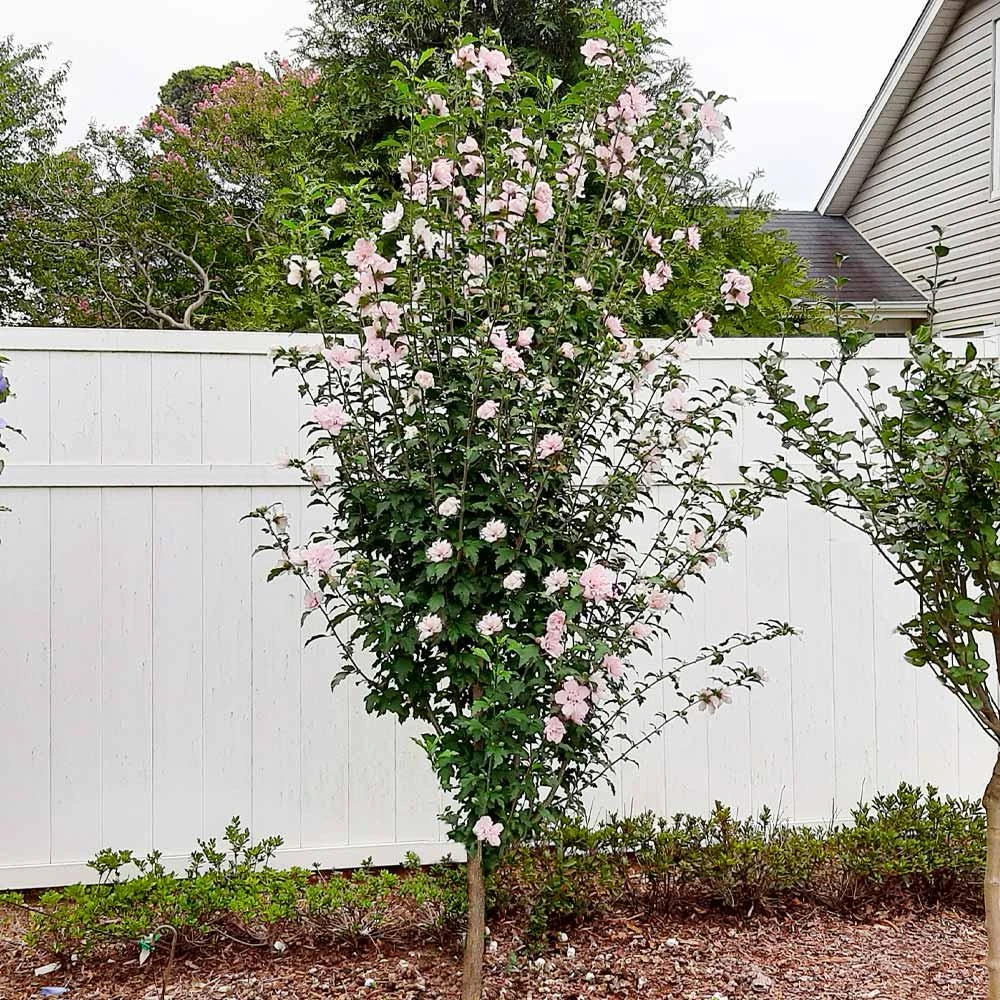
Introduce a touch of timeless elegance to your garden with the exquisite pink rose of sharon hibiscus (Hibiscus syriacus). This beautiful starter plant, measuring 12-24 inches tall and provided in a quart pot, promises to transform any outdoor space into a vibrant sanctuary. Also commonly known as Althea, this hardy deciduous shrub or small tree is celebrated for its spectacular, large, and showy flowers that emerge in abundance from summer through fall. The delicate pink hues of its blossoms provide a soft yet striking visual appeal, making it a focal point in any landscape design. As a low-maintenance plant, the pink rose of sharon hibiscus is an excellent choice for both novice and experienced gardeners seeking reliable beauty without extensive effort. It’s a versatile plant that can be grown as a shrub for dense flowering or trained into an elegant tree form, offering flexibility in how you choose to integrate its charm into your garden.
Originating from Asia, the Rose of Sharon has been cherished for centuries for its ornamental value and resilience. Its ability to thrive in a variety of conditions and its prolonged blooming period make it a popular choice for hedges, borders, or as a standalone specimen. This particular offering provides you with a robust starter plant, ready to establish itself and begin its journey towards becoming a magnificent flowering display. Prepare to enjoy a season full of enchanting pink blooms that will attract pollinators and delight onlookers.
Key Benefits
The pink rose of sharon hibiscus offers a multitude of benefits, making it an indispensable addition to any garden:
- Spectacular Blooms: Enjoy an abundance of large, vibrant pink flowers that grace your garden from summer into fall, providing continuous color when many other plants have faded. These showy blooms are a true highlight.
- Attracts Pollinators: The colorful flowers are a magnet for butterflies, hummingbirds, and bees, helping to support local ecosystems and bring lively activity to your outdoor space.
- Low Maintenance: This hardy deciduous shrub requires minimal care once established, making it perfect for busy gardeners. Its resilience and adaptability mean less time spent on upkeep and more time enjoying its beauty.
- Versatile Landscaping: Whether you prefer a dense shrub, a flowering hedge, or a small ornamental tree, the Rose of Sharon can be easily pruned and trained to suit your specific landscaping needs and aesthetic preferences.
- Drought Tolerance: Once mature, the pink rose of sharon hibiscus exhibits good drought tolerance, reducing the need for frequent watering during drier periods.
- Hardy and Resilient: Known for its hardiness, this Althea plant can withstand a range of environmental conditions, making it a dependable choice for many climates.
- Extended Bloom Season: Unlike many flowering plants, the Rose of Sharon offers an extended period of bloom, ensuring your garden remains colorful and engaging throughout the warmer months.
Plant Care & Growing Tips
Proper care is essential to ensure your pink rose of sharon hibiscus thrives and produces its magnificent blooms. This plant is relatively forgiving, but understanding its basic needs will lead to the best results. For optimal growth, plant your Rose of Sharon in a location that receives full sun to partial shade. Full sun, meaning at least 6 hours of direct sunlight daily, will encourage the most prolific flowering. While it tolerates some shade, too much will reduce bloom production. When considering hibiscus syriacus care, soil plays a crucial role. It prefers moist, well-drained soil. Avoid heavy, waterlogged soils, as this can lead to root rot. Amending your soil with organic matter, such as compost, can improve drainage and fertility.
Watering should be consistent, especially during dry spells and in its first year of establishment. Aim to keep the soil consistently moist but not saturated. Once established, it becomes more tolerant of drier conditions. Fertilize in early spring with a balanced slow-release fertilizer to support vigorous growth and abundant flowering. Pruning is an important aspect of rose of sharon pruning, and it helps maintain shape, encourage bushier growth, and promote more flowers. The best time to prune is in late winter or early spring before new growth begins. You can remove any dead, damaged, or crossing branches, and thin out the center to improve air circulation. If you want to train it into a tree form, gradually remove lower branches over several seasons. This althea plant outdoor specimen is quite robust, but monitoring for common pests like aphids or whiteflies and treating them promptly will keep your plant healthy.
Size & Details
This offering includes three individual pink rose of sharon hibiscus starter plants, each measuring approximately 12-24 inches tall. They are provided in quart-sized pots, offering a well-rooted foundation for successful transplanting into your garden. These plants are shipped bare root, which is a common and effective method for dormant or semi-dormant deciduous shrubs, ensuring minimal stress during transit and quick establishment upon planting. The Rose of Sharon typically grows to a mature height of 8-12 feet and a width of 6-10 feet, depending on pruning and growing conditions, forming a substantial and impactful presence in your landscape. With a moderate growth rate, you can expect to see significant development within a few years, leading to abundant flowering in subsequent seasons. The first blooms typically appear in early to mid-summer and continue until the first frost, providing a long period of ornamental interest. The hardy nature of this plant makes it a reliable choice for long-term garden enjoyment.
Frequently Asked Questions
- Q: How big will my pink rose of sharon hibiscus get? A: A mature Rose of Sharon typically grows to a height of 8-12 feet and can spread 6-10 feet wide. Its final size depends on growing conditions and how frequently it is pruned.
- Q: Is this an indoor or outdoor plant? A: The Rose of Sharon (Hibiscus syriacus) is a hardy deciduous shrub, making it an ideal althea plant outdoor specimen. It thrives in garden settings and is not typically grown indoors.
- Q: What are the sunlight requirements for hibiscus syriacus care? A: This plant prefers full sun (at least 6 hours of direct sunlight daily) for the best flowering, though it can tolerate partial shade. More shade may result in fewer blooms.
- Q: What condition will the plant arrive in? A: Your pink rose of sharon hibiscus plants will arrive bare root. This method helps reduce transplant shock and allows the plant to establish quickly once planted in your garden.
- Q: Is rose of sharon pruning necessary? A: Pruning is not strictly necessary for survival, but it is highly recommended to maintain a desirable shape, encourage bushier growth, and maximize flower production. Prune in late winter or early spring.
- Q: When is the best time to plant a Rose of Sharon? A: The best time to plant is in spring or fall when temperatures are moderate. This allows the plant to establish its root system before extreme heat or cold.
- Q: What type of soil does the hardy hibiscus plant prefer? A: It thrives in moist, well-drained soil. Avoid heavy clay soils that retain too much water, which can lead to root issues. Amending with organic matter is beneficial.
- Q: Will this pink rose of sharon hibiscus survive winter? A: Yes, as a hardy deciduous shrub, the Rose of Sharon is well-adapted to various climates and typically survives winter by going dormant, returning with new growth in spring.
- Q: How often should I water my new Rose of Sharon plant? A: During its first year, water regularly to keep the soil consistently moist. Once established, it becomes more drought-tolerant but will benefit from watering during prolonged dry periods.
- Q: Can I train my Rose of Sharon into a tree form? A: Yes, with consistent rose of sharon pruning, you can gradually train this shrub into a single-trunk tree form by removing lower branches over several growing seasons.
Be the first to review “Pink Rose of Sharon Hibiscus Plant – 12-24″ Tall Althea Syriacus Quart Pot”
Related products


You May Like

Hardneck vs. Softneck Garlic: Which Should You Grow?
Have you ever stood in front of a seed catalog in mid-September, staring at dozens [...]
Oct

When to Plant Music Garlic: Ultimate US Fall Guide
Have you ever spent your fall weekend placing carefully chosen garlic cloves into rich, dark [...]
1 Comment
Oct

5 Best Bulbs for Fall Planting: Brighten Your Garden This Spring
Are you dreaming of a garden full of vibrant colors in the spring? The key [...]
Aug

10 Houseplants That Will Thrive in Your Kitchen
Are you tired of your kitchen feeling dull and lifeless? Want to add a little [...]
1 Comment
Aug
Reviews
There are no reviews yet.