
Pregnant Onion Seeds – Ornithogalum Caudatum – 20 Perennial Seeds
Original price was: 45.99 $.20.99 $Current price is: 20.99 $.
Cultivate the intriguing Pregnant Onion seeds (Ornithogalum caudatum), a unique perennial known for its bulb-producing offsets. Perfect for collectors and those seeking an easy-to-grow, conversation-starting plant.
Estimated arrival
Oct 15
Oct 20 - Oct 22
Oct 22 - Oct 27
See our Shipping Policy.
Get in touch with us via email, and our team will review your concerns.
Our Alive & Thrive Guarantee covers issues with your plants within the first 30 days. Read our Refund & Returns Policy.
-
USDA Hardiness Zone
USDA zones 9–11 (outdoors), adaptable indoors -
Soil Type
Well-draining, gritty succulent or cactus mix -
Sunlight Exposure
Bright, indirect light to partial sun -
Expected Planting Period
Year-round indoors; spring to early summer outdoors
Overview
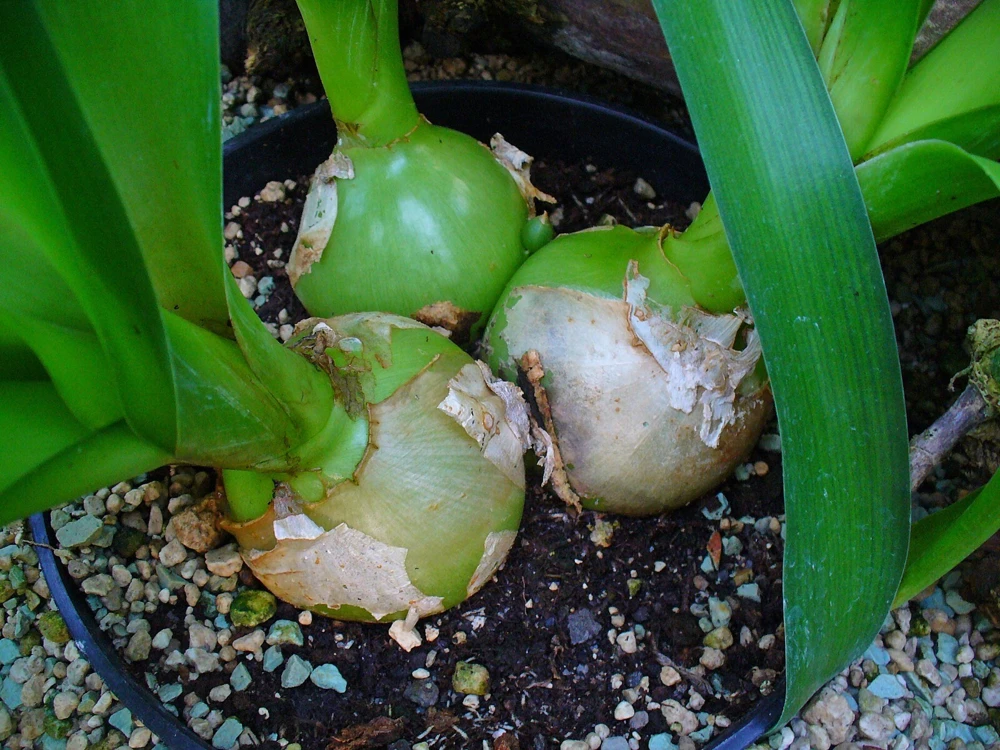
Embark on a fascinating gardening journey with our Pregnant Onion seeds. Also known by its botanical name, Ornithogalum caudatum, this remarkable perennial is a true conversation starter. Originating from South Africa, the Pregnant Onion is not a true onion but a member of the Asparagaceae family, related to asparagus and hyacinths. It earns its common name from the distinctive way its bulb develops smaller ‘baby’ bulbs, or offsets, on its outer layers, giving the appearance of being ‘pregnant.’ Each packet contains 20 Ornithogalum caudatum seeds, providing an excellent opportunity to grow these unique and resilient plants from scratch. They are cherished for their unusual appearance, ease of care, and ability to thrive in various conditions, making them a favorite among succulent and unusual plant enthusiasts.
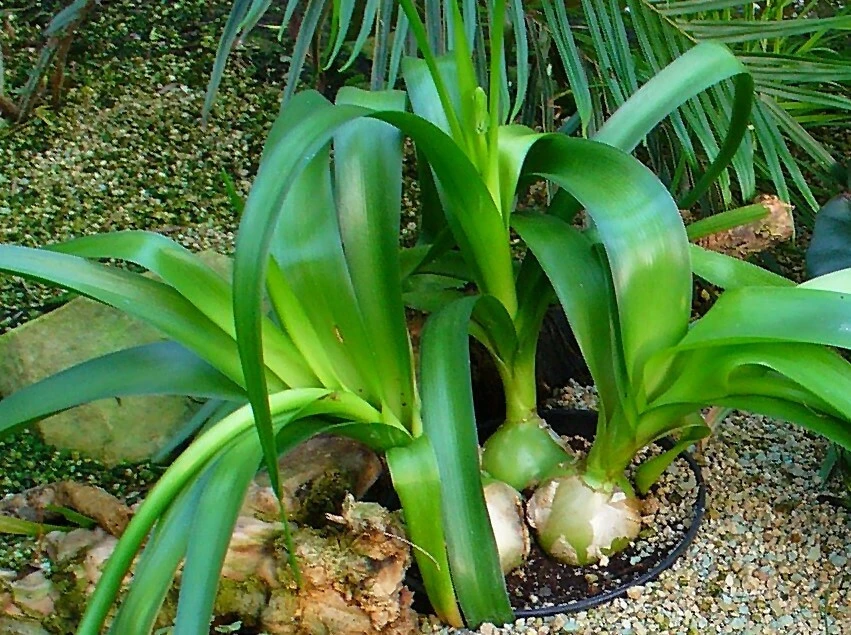
Growing Ornithogalum caudatum seeds offers a rewarding experience, allowing you to observe the entire life cycle of this intriguing plant. From a tiny seed, you’ll witness the emergence of its distinct bulb, which can eventually grow quite large, sometimes reaching the size of a grapefruit. The long, strap-like leaves gracefully arch outwards, complementing the bulb’s unique form. This plant is not just a botanical curiosity; it’s also surprisingly adaptable and low-maintenance, making it suitable for both novice and experienced gardeners. Whether displayed as a standalone specimen or part of a succulent collection, the Pregnant Onion adds an exotic and captivating touch to any indoor or outdoor setting (in appropriate climates).
Key Benefits
Growing Pregnant Onion seeds offers a multitude of advantages for gardeners looking for something out of the ordinary:
-
Unique Ornamental Value: The primary appeal of the Pregnant Onion is its unusual appearance. The bulb, which sits partially above the soil, continually produces smaller bulbs on its surface, creating a dynamic and visually interesting plant that will undoubtedly catch the eye. It’s a living sculpture for your home or garden.
-
Low Maintenance and Drought Tolerant: Once established, Ornithogalum caudatum seeds grow into plants that are incredibly forgiving. They require minimal watering and can withstand periods of neglect, making them an ideal choice for busy individuals or those new to gardening. Their succulent-like nature means they store water efficiently.
-
Easy Propagation: The ‘pregnant’ nature of the bulb means it naturally self-propagates by producing numerous offsets. These baby bulbs can be easily removed and planted to create new plants, allowing you to expand your collection or share with friends without any complex techniques. This makes them an excellent value.
-
Fascinating Growth Habit: Observing the development of the bulb and its offsets is a truly captivating experience. It’s a plant that constantly evolves, offering new visual interest as it matures and produces more ‘babies.’ The long, arching foliage also adds an elegant touch.
-
Adaptable to Various Conditions: While they prefer bright light, Pregnant Onions are quite adaptable and can tolerate a range of light conditions, from full sun to partial shade. This versatility makes them suitable for various spots in your home or garden, provided they are protected from frost.
-
Conversation Starter: Due to its distinctive name and appearance, the Pregnant Onion is always a great topic of conversation. It’s a plant that educates and entertains, sparking curiosity about its unique biology and care requirements.
Plant Care & Growing Tips
Successfully growing Pregnant Onion seeds into thriving plants is straightforward with a few key care guidelines. Begin by planting your giant squill seeds in a well-draining seed-starting mix. Lightly cover the seeds, as some germination can be improved with light exposure. Keep the soil consistently moist but not waterlogged until germination occurs, which can take several weeks. Once seedlings emerge, provide ample bright light to encourage strong growth. As the plants mature, their care becomes even simpler, making them a joy for any gardener.
For established Pregnant Onion plants, bright, indirect light is ideal, though they can tolerate some direct morning sun. Avoid harsh, intense afternoon sun, especially in hot climates, which can scorch the leaves. Water thoroughly when the soil is completely dry, typically every 2-4 weeks, depending on environmental conditions. Overwatering is the biggest killer of these plants, so ensure excellent drainage. A gritty, succulent-specific potting mix is highly recommended. These plants prefer average room temperatures and are not frost-hardy, so bring them indoors if temperatures drop below 40°F (4°C). Fertilize sparingly, perhaps once or twice during the growing season (spring and summer) with a balanced liquid fertilizer diluted to half strength. Keep an eye out for common pests like mealybugs, which can be treated with insecticidal soap. Proper care for your Ornithogalum caudatum seeds will ensure a healthy, long-lived plant.
Size & Details
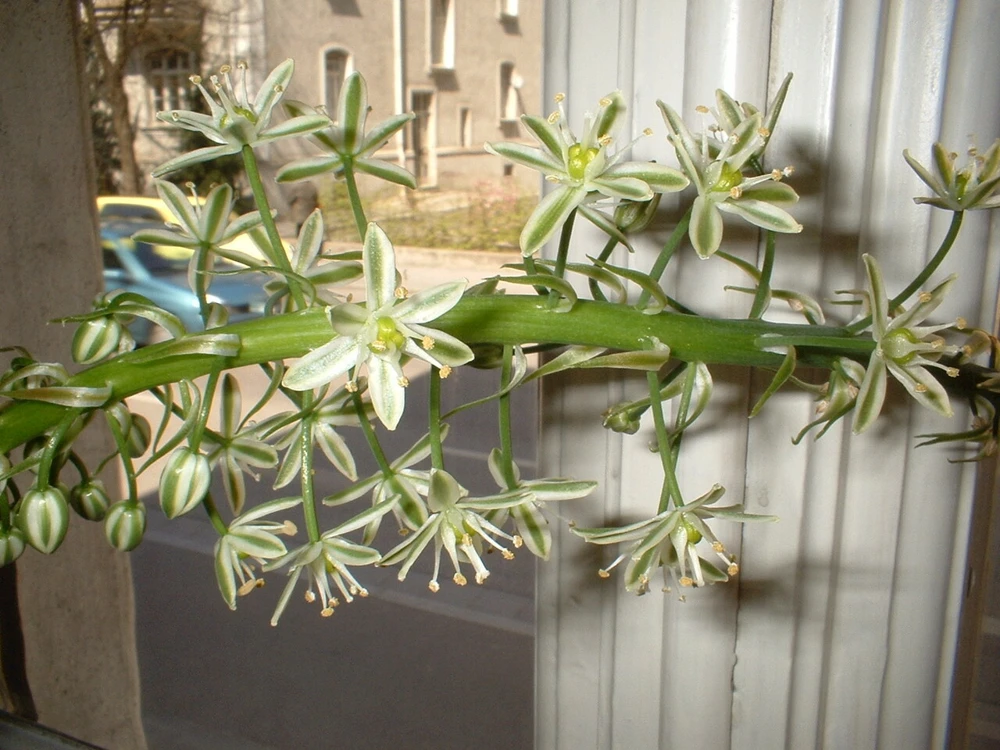
This offering includes 20 Pregnant Onion seeds, providing a generous quantity for successful germination and cultivation. Each seed has the potential to grow into a robust plant with a bulb that can eventually reach up to 4-6 inches in diameter, sometimes even larger under optimal conditions. The long, arching leaves typically grow 1-2 feet in length. These perennial seeds will produce plants that mature over time, with the characteristic ‘baby’ bulbs appearing as the plant ages, usually within the first year or two. The plants are shipped as dry seeds, ensuring easy storage and transport until you are ready to plant them. Expect flowering stalks to emerge in spring or summer, bearing delicate white or green-tinged flowers, followed by more giant squill seeds if pollinated. The growth rate is moderate, allowing you to enjoy the development of your plant over several seasons.
Frequently Asked Questions
-
Q: How big does the Pregnant Onion plant get? A: A mature Pregnant Onion bulb can grow to be 4-6 inches in diameter, sometimes larger, with leaves reaching 1-2 feet in length. The size will depend on growing conditions and age, but the Ornithogalum caudatum seeds provide the potential for a substantial plant.
-
Q: Is this an indoor or outdoor plant? A: The Pregnant Onion can be grown both indoors and outdoors. It thrives as a houseplant in bright, indirect light, and can be grown outdoors in USDA Zones 9-11 where there is no frost. In colder climates, it must be brought indoors for winter.
-
Q: How much sunlight does it need? A: Pregnant Onions prefer bright, indirect light for optimal growth. They can tolerate some direct morning sun but should be protected from intense afternoon sun, especially in hot climates, to prevent leaf scorch.
-
Q: Is this plant easy to care for, especially for beginners? A: Yes, the Pregnant Onion is considered a very easy-to-care-for plant, making it excellent for beginners. Its drought tolerance and minimal needs make it forgiving. Growing growing pregnant onion from seed is also a rewarding experience for new gardeners.
-
Q: What condition will the seeds arrive in? A: Your Pregnant Onion seeds will arrive as dry, viable seeds, carefully packaged to ensure their integrity during transit. They are ready for planting upon arrival, offering a fresh start for your new plant.
-
Q: How long until the seeds germinate? A: Germination time for Ornithogalum caudatum seeds can vary, typically taking anywhere from a few weeks to a couple of months. Patience and consistent moisture are key during this period.
-
Q: What is the best soil for growing pregnant onion? A: The best soil for Pregnant Onion is a well-draining, gritty mix, similar to what you would use for succulents or cacti. This prevents waterlogging and promotes healthy root development.
-
Q: How often should I water my Pregnant Onion plant? A: Water your Pregnant Onion thoroughly when the soil has completely dried out. This could be every 2-4 weeks, depending on temperature, humidity, and light exposure. Always err on the side of underwatering rather than overwatering to prevent root rot.
-
Q: Can I use the ‘baby’ bulbs to grow new plants? A: Absolutely! The small offsets, or ‘baby’ bulbs, that grow on the main bulb can be gently removed and planted in their own pots. This is an easy and effective way of growing pregnant onion and propagating new plants.
-
Q: When is the best time to plant these perennial seeds? A: While they can be started indoors year-round, planting perennial seeds like these in spring or early summer is often ideal, as it aligns with natural growth cycles and provides ample light for young seedlings.
Be the first to review “Pregnant Onion Seeds – Ornithogalum Caudatum – 20 Perennial Seeds”
Related products




You May Like

Hardneck vs. Softneck Garlic: Which Should You Grow?
Have you ever stood in front of a seed catalog in mid-September, staring at dozens [...]
Oct

When to Plant Music Garlic: Ultimate US Fall Guide
Have you ever spent your fall weekend placing carefully chosen garlic cloves into rich, dark [...]
1 Comment
Oct

5 Best Bulbs for Fall Planting: Brighten Your Garden This Spring
Are you dreaming of a garden full of vibrant colors in the spring? The key [...]
Aug

10 Houseplants That Will Thrive in Your Kitchen
Are you tired of your kitchen feeling dull and lifeless? Want to add a little [...]
1 Comment
Aug
Reviews
There are no reviews yet.