
Pumpkin Plant Live Winter Squash Vegetable for Home Garden, 2-4 Inch Tall
Original price was: 38.99 $.18.99 $Current price is: 18.99 $.
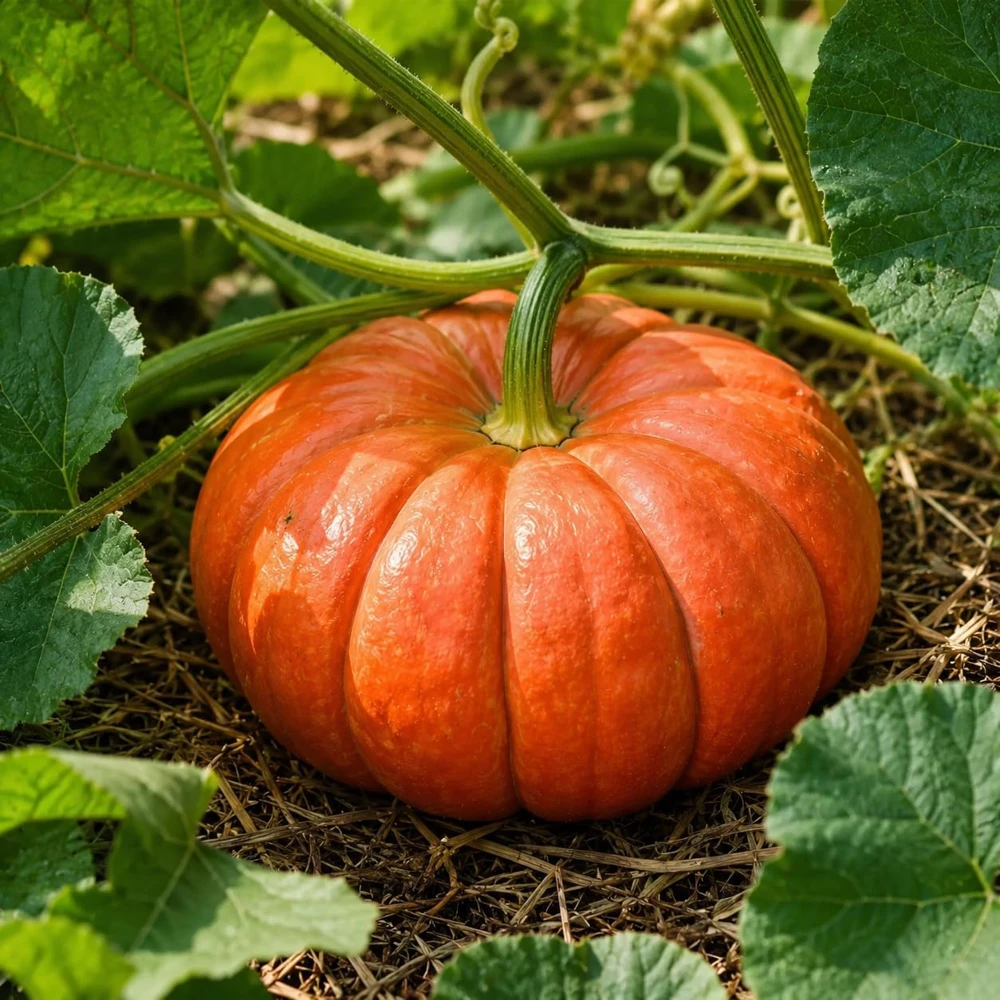
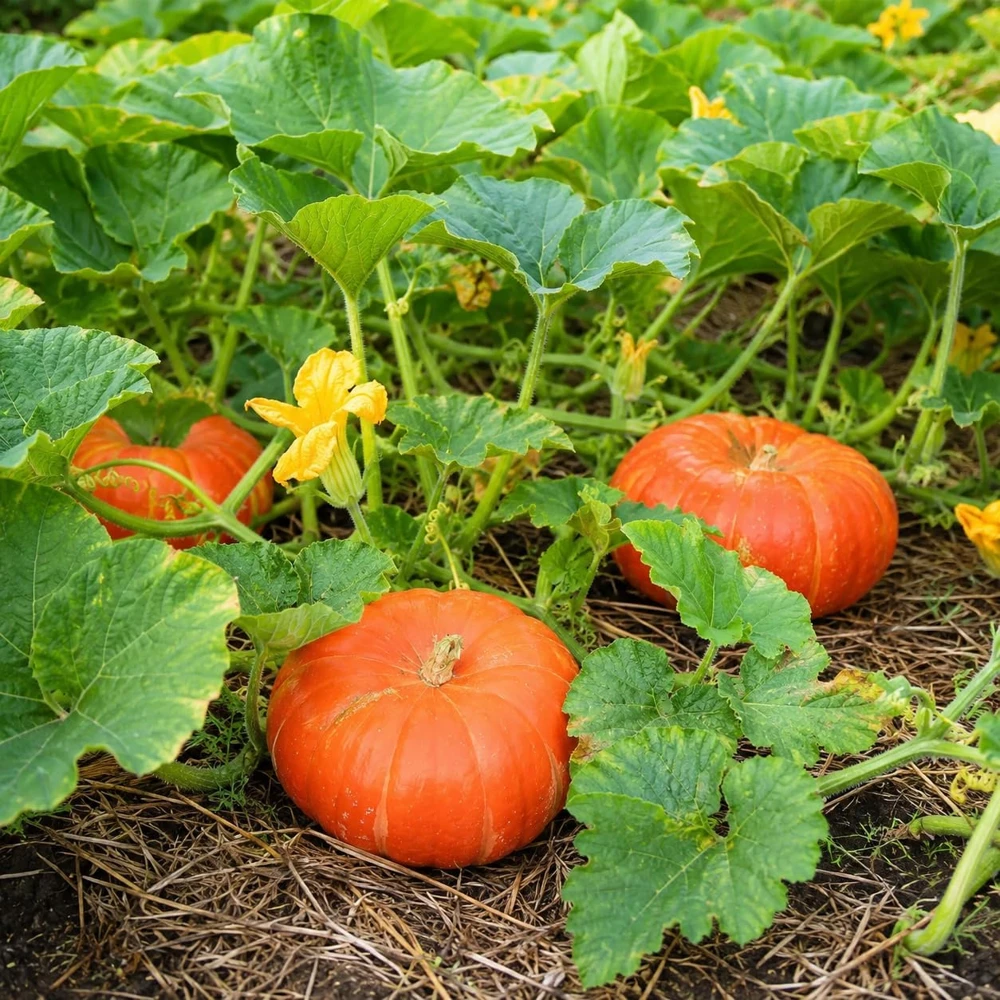
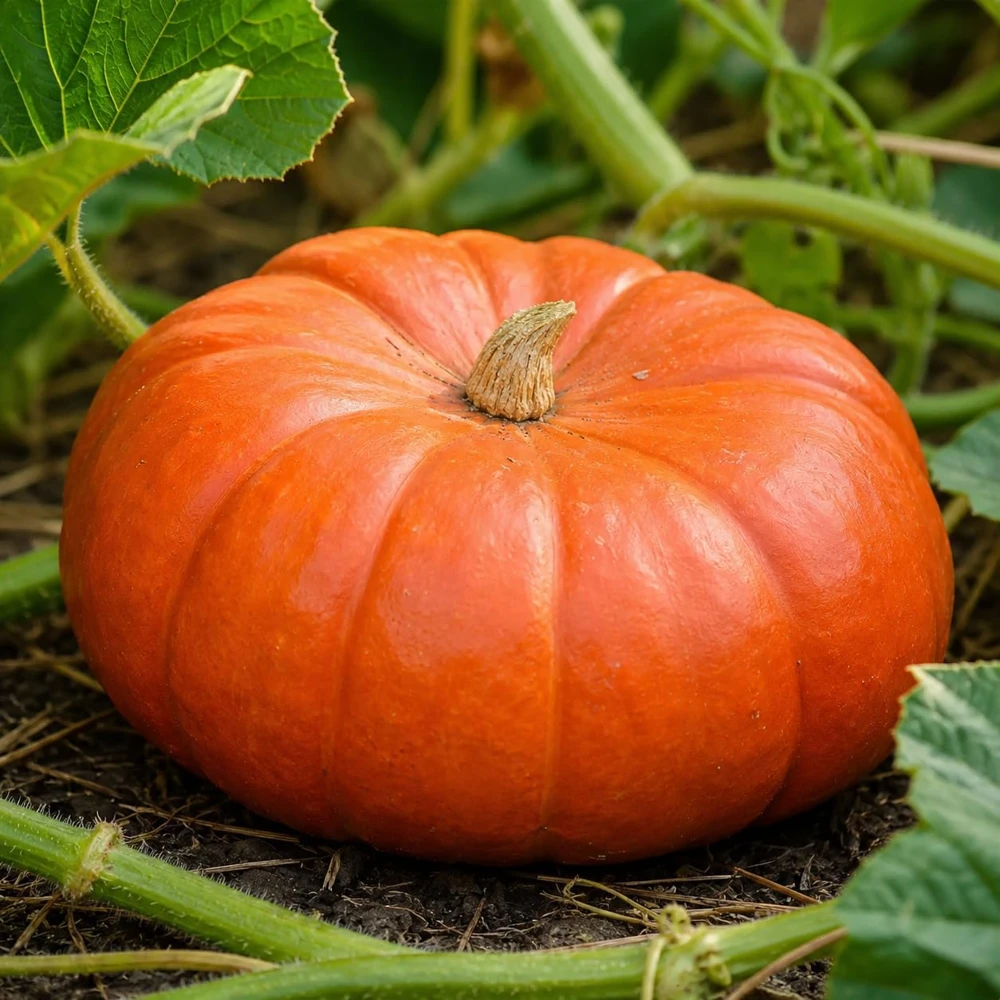
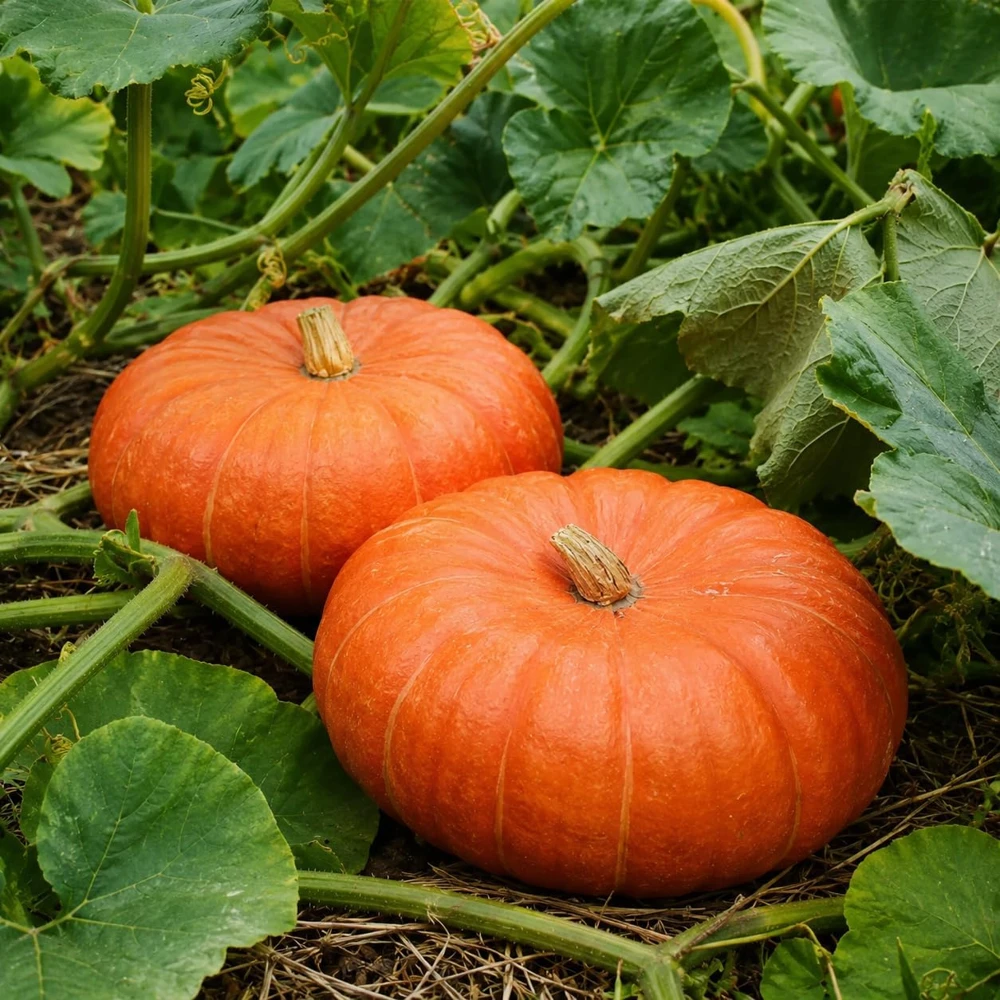
Cultivate your own delicious winter squash with this healthy pumpkin plant live. Ideal for home gardens, this 2-4 inch tall seedling is ready for planting and promises bountiful harvests. Enjoy fresh pumpkins for cooking and decorating.
Estimated arrival
Oct 16
Oct 21 - Oct 23
Oct 23 - Oct 28
See our Shipping Policy.
Get in touch with us via email, and our team will review your concerns.
Our Alive & Thrive Guarantee covers issues with your plants within the first 30 days. Read our Refund & Returns Policy.
-
USDA Hardiness Zone
3–9 -
Soil Type
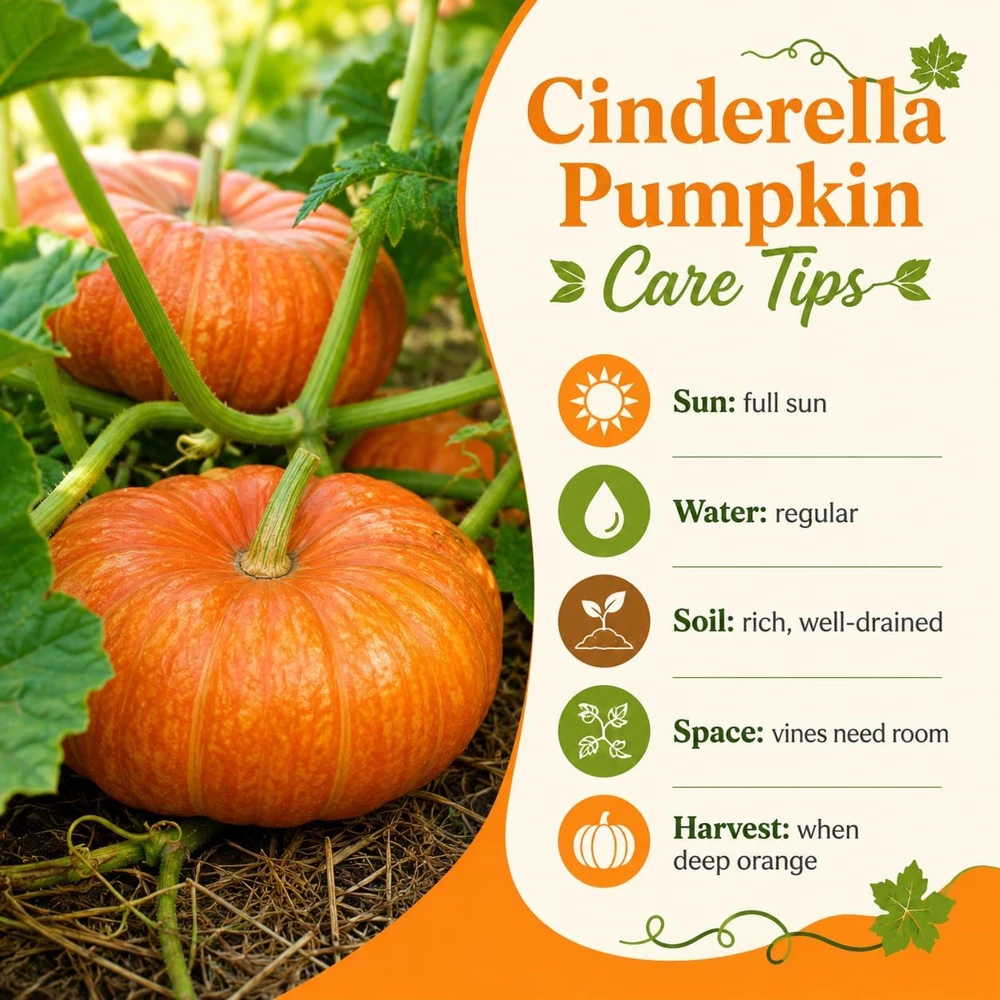
Well-draining soil -
Sunlight Exposure
Full sun -
Expected Planting Period
Late spring to early summer
Overview
Embark on a rewarding gardening journey with our premium pumpkin plant live, ready to thrive in your home garden. This vigorous seedling is specifically chosen to ensure a successful harvest of delicious winter squash vegetables. Perfect for gardeners of all experience levels, our live pumpkin plant arrives healthy and prepared for transplanting. Growing your own pumpkins offers the satisfaction of fresh, homegrown produce, ideal for baking, cooking, and festive decorations. Forget about store-bought pumpkins and experience the joy of cultivating your own from a healthy, established plant. This variety is known for its robust growth and generous yield, making it a fantastic addition to any vegetable patch.
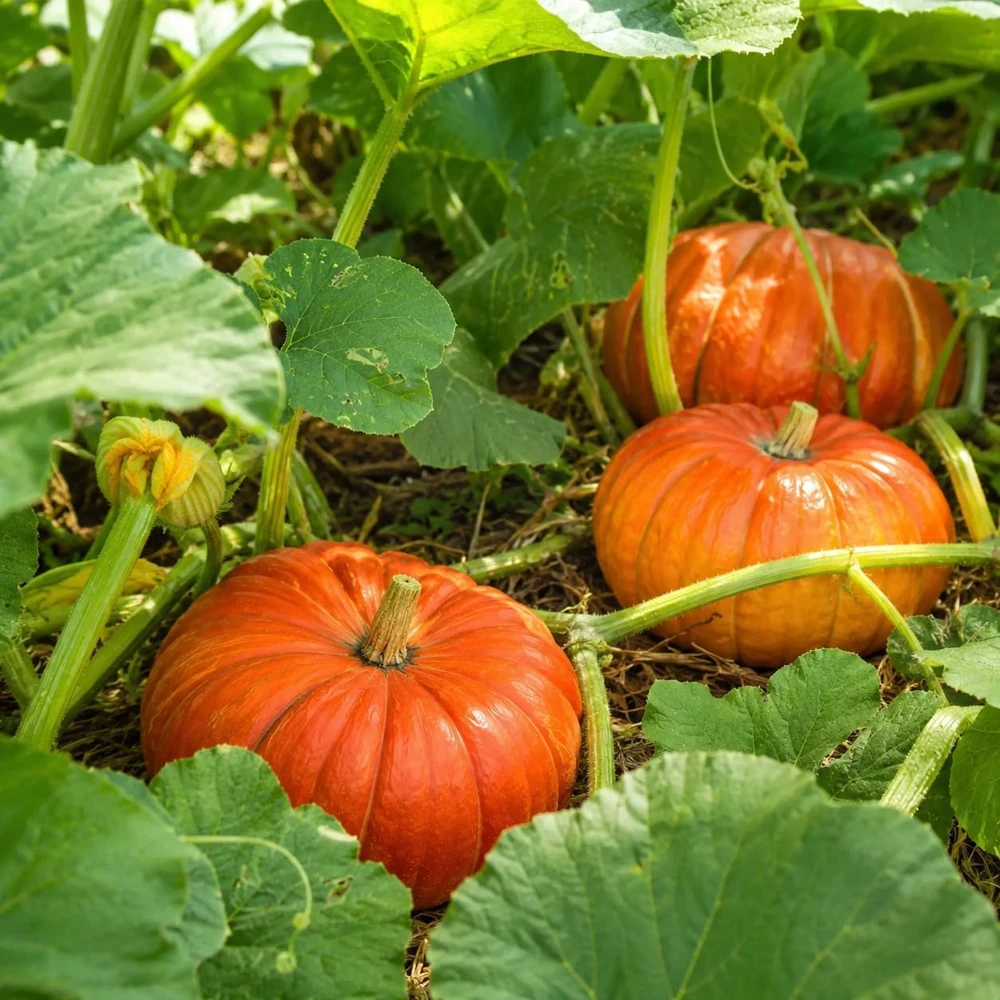
Our pumpkin plant live is a robust start to your pumpkin patch, providing a head start over growing from seed. These young plants are carefully nurtured to ensure they are strong and ready for the transition to your garden soil. With proper care, you can look forward to a season filled with the growth of vibrant green foliage and, eventually, the iconic orange fruits that define autumn. Whether you’re aiming for culinary delights or decorative displays, this plant offers a direct path to achieving your gardening goals.
Key Benefits
Cultivating a pumpkin plant live in your garden offers a multitude of advantages, enhancing both your culinary experiences and outdoor space:
- Fresh, Homegrown Produce: Enjoy the unparalleled taste and nutritional benefits of pumpkins grown right in your backyard. Harvest them at their peak for superior flavor in pies, soups, and roasted dishes.
- Engaging Gardening Experience: Watching a tiny seedling transform into a sprawling vine laden with pumpkins is incredibly rewarding, offering a tangible connection to nature and the food you eat.
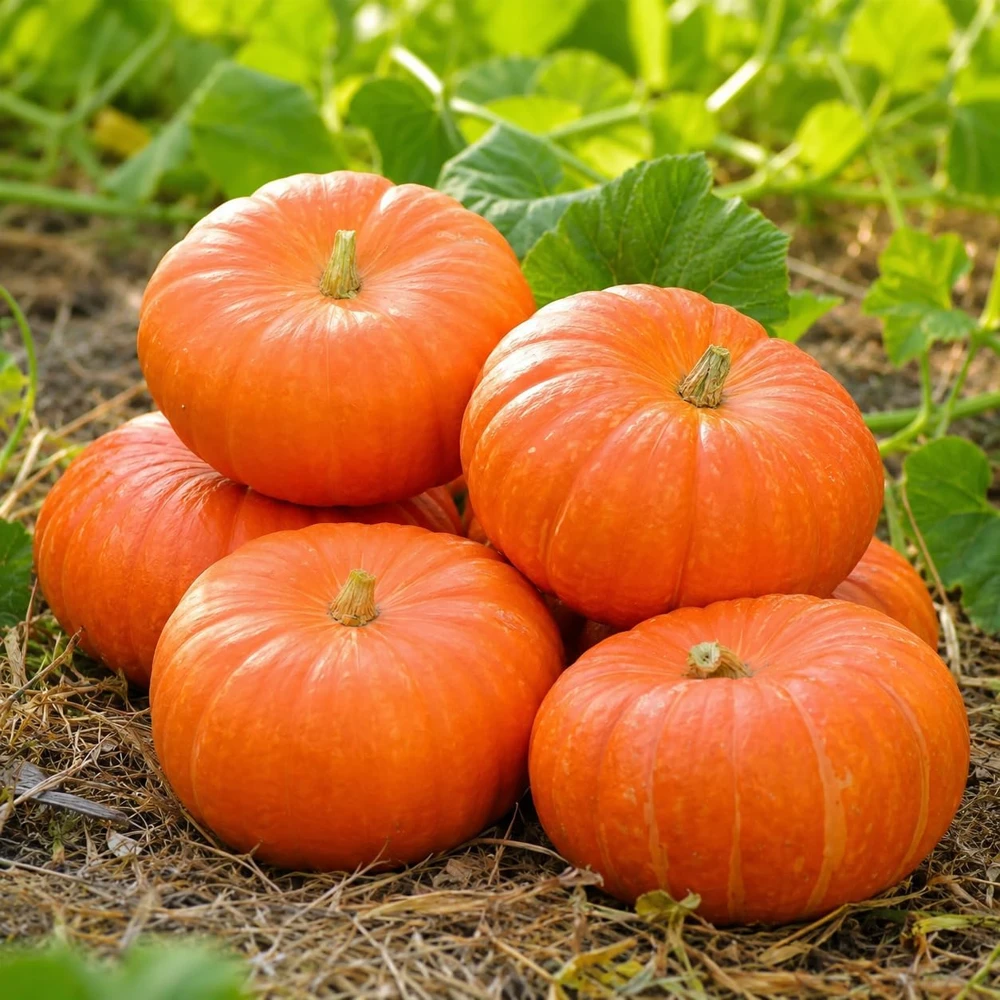
- Seasonal Decoration: Beyond their culinary uses, homegrown pumpkins make excellent natural decorations for fall festivities, Halloween, and Thanksgiving, adding rustic charm to your home.
- Educational for Families: Growing pumpkins can be a fantastic educational project for children, teaching them about plant life cycles, healthy eating, and the importance of gardening.
- Winter Squash Plant: Pumpkins are a versatile winter squash, providing a long storage life and a rich source of vitamins and minerals, ensuring fresh produce well into the colder months.
- Supports Local Ecosystem: Attract beneficial pollinators like bees to your garden, contributing to a healthier local ecosystem and enhancing the yield of other fruiting plants.
- Cost-Effective: Producing your own pumpkins can be more economical than purchasing them from grocery stores, especially if you plan to use several for cooking or decorating.
Plant Care & Growing Tips
Caring for your pumpkin plant live is straightforward, ensuring a bountiful harvest with consistent attention. These plants thrive in conditions that mimic their natural growth environment. When transplanting, choose a location with ample space, as pumpkin vines can spread significantly. Dig a hole twice as wide as the plant’s root ball and just as deep. Gently remove the plant from its nursery pot, loosen any circling roots, and place it in the hole. Backfill with soil, gently firming around the base, and water thoroughly.
For optimal growth, pumpkin plant live requires full sun, meaning at least 6-8 hours of direct sunlight per day. Well-draining soil is crucial to prevent root rot; sandy loam enriched with organic matter is ideal. Maintain consistent moisture, providing 1–2 inches (2.5–5 cm) of water per week, especially during flowering and fruiting. Avoid overhead watering to prevent fungal diseases; instead, water at the base of the plant. Fertilize every 2-4 weeks with a balanced vegetable fertilizer once the plant begins to vine. Protect young plants from pests by regularly inspecting foliage and using organic pest control methods if necessary. Ensuring proper spacing and airflow between plants can also help prevent disease. Consider using trellises or supports to manage vine spread and keep fruits off the ground, which can prevent rot and pest damage. Understanding pumpkin plant care will lead to a successful season.
Temperature plays a significant role in the success of your winter squash plant. Pumpkins prefer warm temperatures, ideally between 70°F and 85°F (21°C and 29°C). They are sensitive to frost, so ensure all danger of frost has passed before planting outdoors. In cooler climates, consider starting plants indoors or using row covers to extend the growing season. As the pumpkins grow, you may want to gently rotate them to ensure even ripening and prevent flat spots. Pruning some of the lateral vines can help concentrate the plant’s energy into fewer, larger fruits, rather than many smaller ones. Regular weeding around the base of the plant will reduce competition for nutrients and water, allowing your pumpkin plant to flourish.
Size & Details
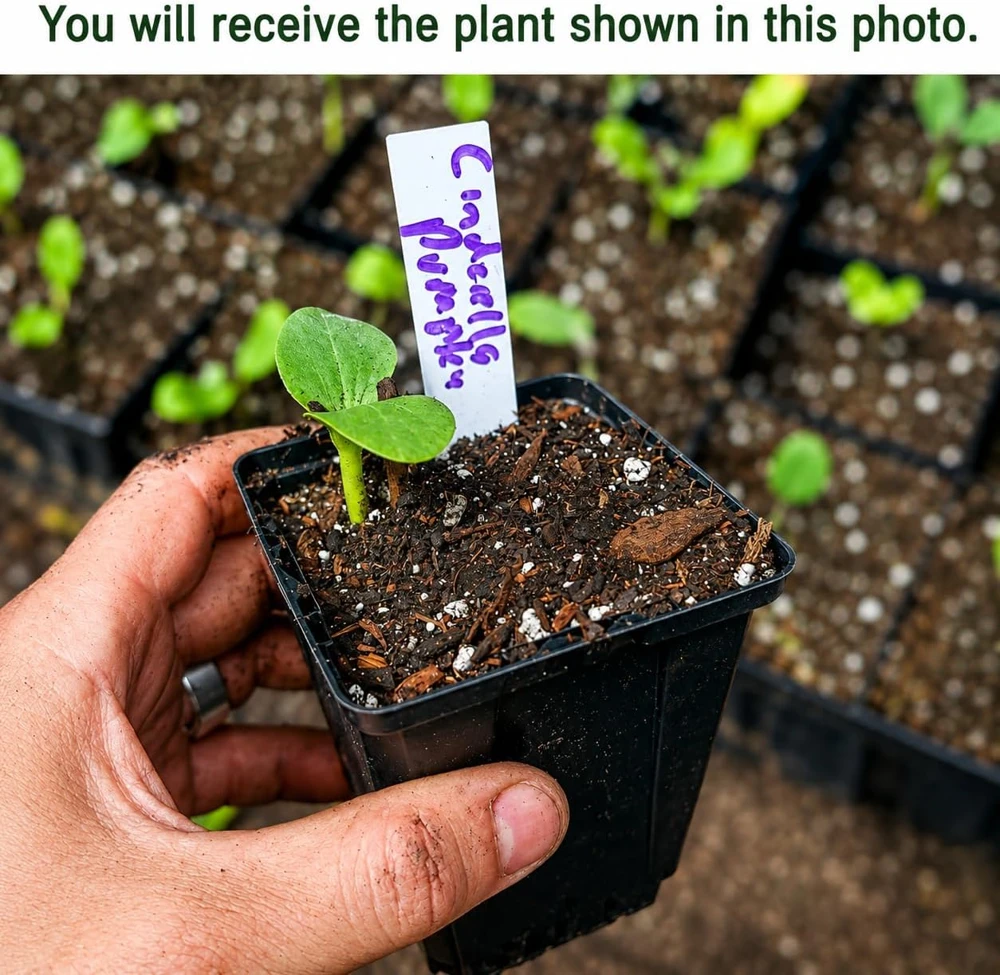
This offering includes a robust pumpkin plant live, typically measuring 2-4 inches tall upon arrival. It is shipped as a healthy, established seedling in a nursery pot, ready for immediate transplanting into your garden or a larger container. These young plants provide a significant head start compared to growing from seed, allowing for an earlier and more reliable harvest. The mature pumpkin vine can spread extensively, often reaching lengths of 10-20 feet, so ample space should be provided in your garden. Individual pumpkins can vary greatly in size depending on the variety and growing conditions, but typically range from 5 to 20 pounds for standard carving or pie pumpkins. Expect fruits to be ready for harvest in late summer to early autumn, approximately 90-120 days after transplanting, depending on the specific variety and local climate. This pumpkin seedling is an excellent choice for those looking to cultivate their own winter squash.
Frequently Asked Questions
- Q: How big does this pumpkin plant get? A: This pumpkin plant typically arrives 2-4 inches tall. Once established in your garden, the vines can spread significantly, often reaching 10-20 feet in length, producing medium to large pumpkins.
- Q: Is this an indoor or outdoor plant? A: This is an outdoor plant that requires full sun exposure for at least 6-8 hours daily. It thrives in warm temperatures and is best planted after all danger of frost has passed.
- Q: How much sunlight does it need? A: A pumpkin plant live requires full sun, meaning a minimum of 6-8 hours of direct sunlight per day for optimal growth and fruit production.
- Q: Is this plant easy to care for? A: Yes, pumpkins are relatively easy to care for, especially when starting with a live plant. Consistent watering, full sun, and well-draining soil are the key requirements for a successful harvest.
- Q: What condition will it arrive in? A: Your pumpkin plant live will arrive as a healthy, actively growing seedling, securely packaged in a nursery pot, ready for transplanting.
- Q: How long until it blooms and produces fruit? A: Pumpkin plants typically begin to flower within 45-60 days of planting. Fruits will then develop and mature, usually ready for harvest 90-120 days after transplanting, depending on the variety and growing conditions.
- Q: What’s the best time to plant this pumpkin seedling? A: The best time to plant your pumpkin seedling outdoors is in late spring or early summer, after all danger of frost has completely passed and soil temperatures have warmed up.
- Q: Will it survive winter in my zone? A: Pumpkins are annual plants and are not tolerant of frost. They will not survive winter temperatures. They are grown for a single season’s harvest.
- Q: What are the ideal temperatures for growing pumpkins? A: Pumpkins thrive in warm conditions, with ideal temperatures ranging between 70°F and 85°F (21°C and 29°C). Cooler temperatures can slow growth, and frost will kill the plant.
- Q: Can I grow this pumpkin plant in a container? A: While possible, growing a winter squash plant like a pumpkin in a container requires a very large pot (at least 20-25 gallons) due to its extensive root system and sprawling vines. Ensure it has good drainage and receives adequate water and nutrients.
Be the first to review “Pumpkin Plant Live Winter Squash Vegetable for Home Garden, 2-4 Inch Tall”
Related products


You May Like

Hardneck vs. Softneck Garlic: Which Should You Grow?
Have you ever stood in front of a seed catalog in mid-September, staring at dozens [...]
Oct

When to Plant Music Garlic: Ultimate US Fall Guide
Have you ever spent your fall weekend placing carefully chosen garlic cloves into rich, dark [...]
1 Comment
Oct

5 Best Bulbs for Fall Planting: Brighten Your Garden This Spring
Are you dreaming of a garden full of vibrant colors in the spring? The key [...]
Aug

10 Houseplants That Will Thrive in Your Kitchen
Are you tired of your kitchen feeling dull and lifeless? Want to add a little [...]
1 Comment
Aug
Reviews
There are no reviews yet.