
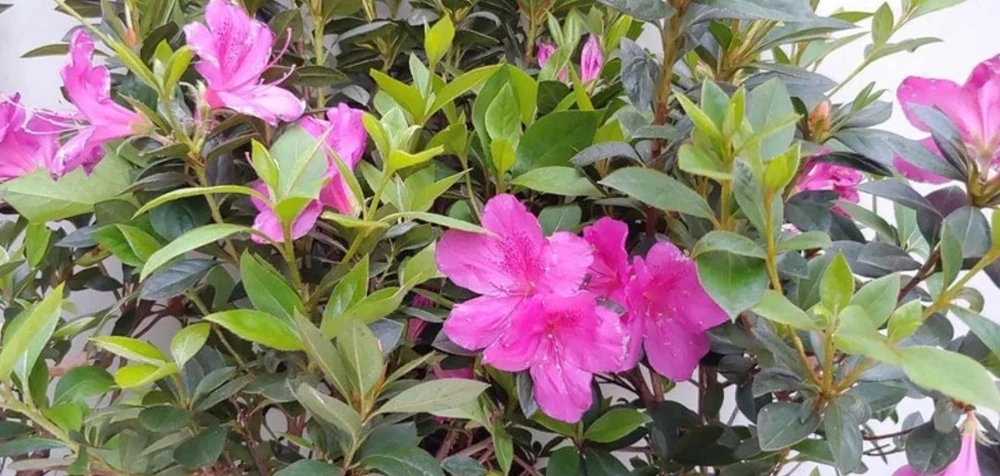
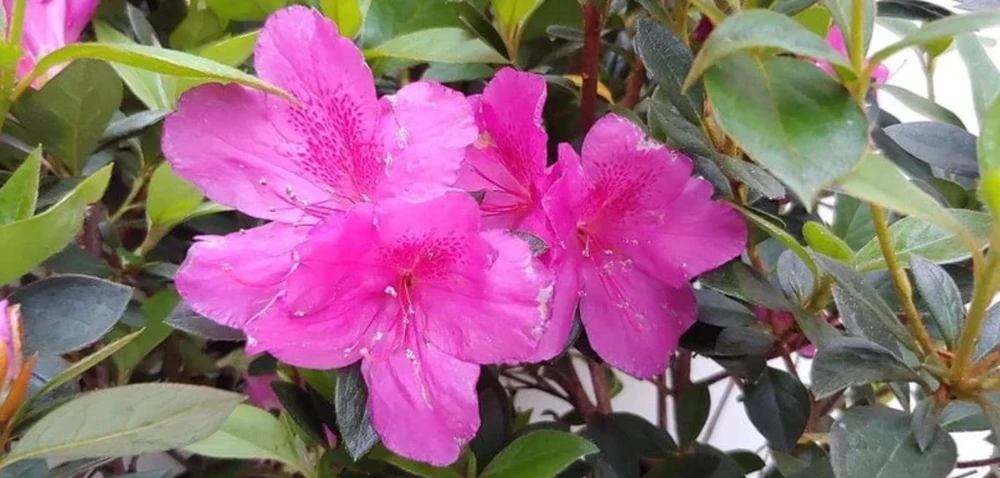
Purple Formosa Live Plant – 4″ Pot – Evergreen Shrub with Pink Blooms & Purple Foliage
Original price was: 39.99 $.19.99 $Current price is: 19.99 $.
Add stunning color and year-round interest to your garden with a purple formosa live plant. This beautiful evergreen to semi-evergreen shrub features unique purple-tinted foliage complemented by soft pinkish blooms. Perfect for garden beds, borders, or container plantings, this 4-inch potted plant thrives in full sun to partial shade.
Estimated arrival
Oct 19
Oct 24 - Oct 26
Oct 26 - Oct 31
See our Shipping Policy.
Get in touch with us via email, and our team will review your concerns.
Our Alive & Thrive Guarantee covers issues with your plants within the first 30 days. Read our Refund & Returns Policy.
-
USDA Hardiness Zone
USDA Zones 9-11 -
Soil Type
Well-draining soil -
Sunlight Exposure
Full sun to partial shade -
Expected Planting Period
Spring to early summer
Overview
Introduce a splash of distinctive color and texture to your landscape with the exquisite purple formosa live plant. This captivating evergreen to semi-evergreen shrub, botanically known as Cuphea hyssopifolia (Purple Formosa type), is celebrated for its striking purple-tinted foliage that provides year-round visual interest in milder climates. Beyond its unique leaf coloration, it produces delicate, soft pinkish blooms that create a beautiful contrast, enhancing any garden setting. Ideal for gardeners seeking a plant that offers both foliage and floral appeal, the purple formosa live plant is a versatile and attractive choice, arriving as a healthy starter plant in a 4-inch nursery pot, ready to transform your outdoor spaces.
The Purple Formosa is a compact and decorative plant, making it suitable for a variety of garden designs, from formal borders to casual container arrangements. Its ability to maintain colorful foliage throughout the year makes it a valuable asset for continuous garden beauty. Whether you’re looking to create a focal point or add depth to your plant palette, this unique shrub delivers reliable performance and aesthetic charm.
Key Benefits
The purple formosa live plant offers numerous advantages for both novice and experienced gardeners, bringing unique characteristics and effortless beauty to any outdoor space. Its distinctive features make it a standout choice for diverse landscaping needs.
- Year-Round Foliage Color: Enjoy consistent visual appeal with its unique purple-tinted leaves, which provide vibrant color and texture even when not in bloom. This ensures your garden remains dynamic throughout the seasons, especially in evergreen climates.
- Delicate Pink Blooms: Complementing its striking foliage, the plant produces charming small pinkish blooms that add a soft, elegant touch. These flowers create a beautiful contrast against the purple leaves, enhancing the plant’s ornamental value.
- Versatile Landscape Use: Perfect for a variety of applications, including garden beds, borders, rock gardens, and container plantings. Its compact growth habit makes it suitable for smaller spaces or as an accent plant.
- Low Maintenance: This shrub is relatively easy to care for, adapting to various soil types and becoming moderately drought-tolerant once established. It requires minimal pruning to maintain its shape, making it an excellent choice for busy gardeners.
- Evergreen to Semi-Evergreen: Depending on your climate, the plant will retain most, if not all, of its foliage year-round, ensuring continuous interest and structure in your garden design. This is particularly beneficial for creating lasting visual appeal.
- Attracts Pollinators: While not a primary pollinator magnet, its small blooms can attract beneficial insects to your garden, contributing to a healthier ecosystem.
- Compact Growth Habit: The plant naturally maintains a neat and tidy form, reducing the need for extensive pruning and making it an ideal choice for defined garden spaces or patios.
Plant Care & Growing Tips
Caring for your purple formosa live plant is straightforward, ensuring it thrives and displays its full beauty. Providing the right conditions will encourage robust growth and abundant flowering. This evergreen flowering shrub prefers specific environments to reach its full potential.
Sunlight Requirements: The Purple Formosa performs best in full sun to partial shade. In hotter climates, some afternoon shade can protect its foliage from scorching, while in cooler regions, full sun encourages denser growth and more vibrant foliage color. Aim for at least 4-6 hours of direct sunlight daily for optimal health and flowering. When planting, choose a location that receives ample light throughout the day.
Watering Schedule: During its establishment phase (first few weeks after planting), water regularly to keep the soil consistently moist but not waterlogged. Once mature, the plant is moderately drought-tolerant, meaning it can withstand periods of dryness. However, for best performance and continuous blooms, water when the top inch of soil feels dry to the touch. Avoid overwatering, which can lead to root rot, especially in poorly draining soils.
Soil Type and Drainage: This plant prefers well-draining soil and can adapt to a variety of soil types, including sandy, loamy, or clay soils, as long as drainage is adequate. Amend heavy clay soils with organic matter like compost to improve drainage. A slightly acidic to neutral pH (6.0-7.0) is ideal. Good drainage is crucial to prevent waterlogging and ensure healthy root development.
Temperature Range and USDA Hardiness Zone: The Purple Formosa thrives in warm conditions and is generally suitable for USDA Hardiness Zones 9-11. In colder climates, it can be grown as an annual or brought indoors to overwinter. Protect it from frost, as prolonged exposure to freezing temperatures can damage or kill the plant. It performs best in temperatures above 50°F (10°C).
Fertilization Schedule: Apply a light, balanced slow-release fertilizer during the growing season (spring and summer) to encourage vigorous growth and prolific flowering. Follow the manufacturer’s instructions for application rates. Avoid over-fertilizing, which can lead to excessive foliage growth at the expense of flowers. A general-purpose granular or liquid feed is usually sufficient.
Pruning: Light pruning can help maintain a compact shape and promote fuller, bushier growth. You can trim back any leggy or overgrown stems in late winter or early spring before new growth begins. Deadheading spent flowers is not strictly necessary but can improve the plant’s appearance and potentially encourage more blooms. This helps keep your purple foliage plant looking its best.
Common Problems and Solutions: Generally, the Purple Formosa is pest-resistant. Watch out for common garden pests like aphids or spider mites, especially in dry conditions. Treat infestations with insecticidal soap or neem oil. Ensure good air circulation to prevent fungal issues. Yellowing leaves can indicate overwatering or nutrient deficiencies, so check your watering habits and consider a balanced fertilizer.
Size & Details
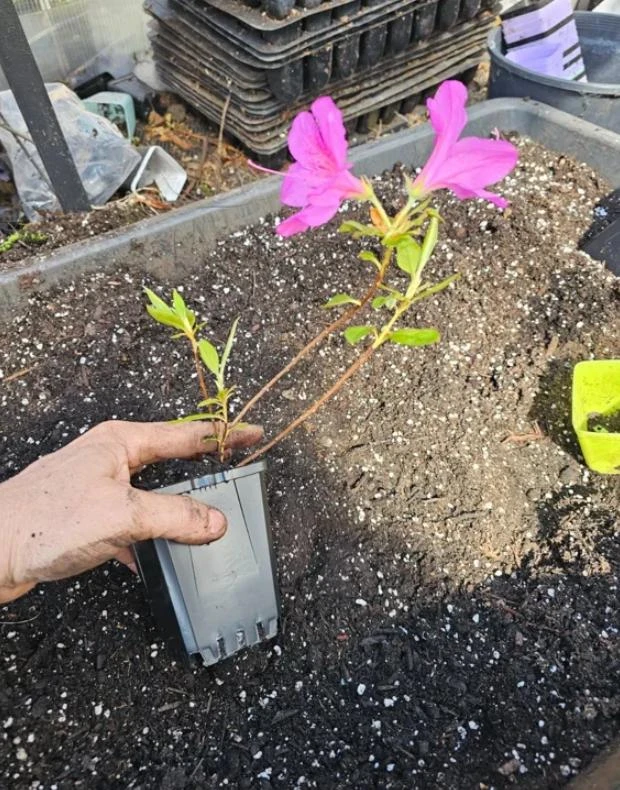
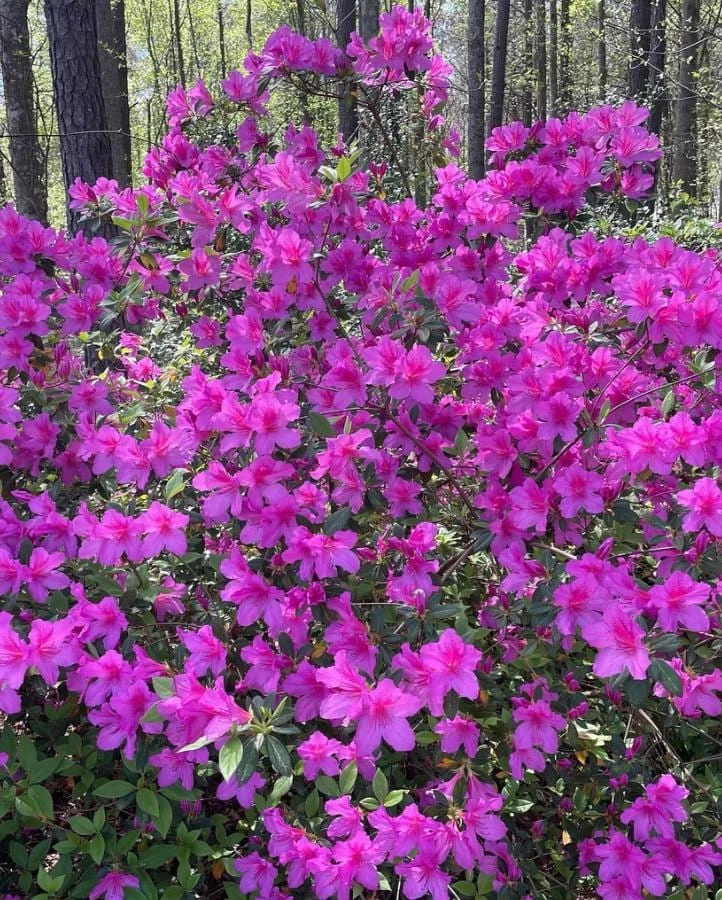
This offering is for one purple formosa live plant, shipped as a medium starter plant in an individual 4-inch nursery pot. The pot size indicates the development of the root system, ensuring a healthy and robust plant ready for transplanting. While images may depict mature plants, your shipped plant will be a smaller starter size, allowing it to establish well in your garden.
Upon maturity, the Purple Formosa typically grows to a compact size, usually reaching 1 to 2 feet in height and spread, making it an excellent choice for various garden applications. Its growth rate is moderate, and with proper care, it will fill out beautifully to display its full ornamental potential. Expect your plant to begin producing its characteristic pinkish blooms as it establishes and matures, typically within the first growing season after planting. This pink bloom shrub is designed to bring long-lasting beauty to your outdoor spaces.
Frequently Asked Questions
- Q: How big does this purple formosa live plant get? A: This plant typically grows to a compact size of about 1 to 2 feet in both height and spread at maturity. It’s ideal for borders, containers, or smaller garden spaces where a neat, tidy shrub is desired.
- Q: What size pot does the plant come in? A: Your purple formosa live plant will arrive as a healthy starter plant in an individual 4-inch nursery pot. This size ensures a well-developed root system ready for successful transplanting into your garden or a larger container.
- Q: Is this an indoor or outdoor plant? A: The Purple Formosa is primarily an outdoor plant, thriving in garden beds, borders, and patio containers. In colder climates (below USDA Zone 9), it can be grown as an annual or brought indoors during winter as a temporary houseplant if given adequate light.
- Q: How much sunlight does it need? A: This shrub prefers full sun to partial shade. For best results, aim for at least 4-6 hours of direct sunlight daily. In very hot climates, some afternoon shade can prevent leaf scorching.
- Q: Is this plant easy to care for? A: Yes, the purple formosa live plant is considered relatively easy to care for. It’s adaptable to various soil types, becomes moderately drought-tolerant once established, and requires minimal pruning to maintain its shape. It’s a good choice for gardeners of all experience levels.
- Q: What condition will it arrive in? A: Your plant will arrive as a young, live specimen in a 4-inch pot, carefully packaged to ensure its health during transit. It may vary slightly in size and appearance from mature plant photos, as it is a starter plant.
- Q: Is it shipped in soil? A: Yes, the purple formosa live plant is shipped actively growing in its 4-inch nursery pot with soil, ensuring its roots remain protected and hydrated during delivery.
- Q: How long until it blooms? A: With proper care and establishment, your Purple Formosa plant should begin producing its delicate pinkish blooms within its first growing season after transplanting. Consistent sunlight and adequate watering will encourage flowering.
- Q: When is the best time to plant? A: The best time to plant your Purple Formosa is in spring or early summer after the danger of frost has passed, allowing it ample time to establish before cooler weather.
- Q: Will it survive winter in my zone? A: The Purple Formosa is hardy in USDA Zones 9-11. If you are in a colder zone, it may not survive winter outdoors and should be treated as an annual or brought indoors. Protection from frost is essential for this evergreen flowering shrub.
- Q: What’s the minimum temperature it can tolerate? A: This plant prefers warm conditions and generally struggles with temperatures below 50°F (10°C). It is not frost-tolerant and requires protection from freezing temperatures.
Be the first to review “Purple Formosa Live Plant – 4″ Pot – Evergreen Shrub with Pink Blooms & Purple Foliage”
Related products


You May Like

Hardneck vs. Softneck Garlic: Which Should You Grow?
Have you ever stood in front of a seed catalog in mid-September, staring at dozens [...]
Oct

When to Plant Music Garlic: Ultimate US Fall Guide
Have you ever spent your fall weekend placing carefully chosen garlic cloves into rich, dark [...]
1 Comment
Oct

5 Best Bulbs for Fall Planting: Brighten Your Garden This Spring
Are you dreaming of a garden full of vibrant colors in the spring? The key [...]
Aug

10 Houseplants That Will Thrive in Your Kitchen
Are you tired of your kitchen feeling dull and lifeless? Want to add a little [...]
1 Comment
Aug
Reviews
There are no reviews yet.