
Purple Wisteria Live Plant – Wisteria Sinensis Hardy Climbing Vine 6-12″ Tall in 2.5″ Pot
Original price was: 25.98 $.21.99 $Current price is: 21.99 $.
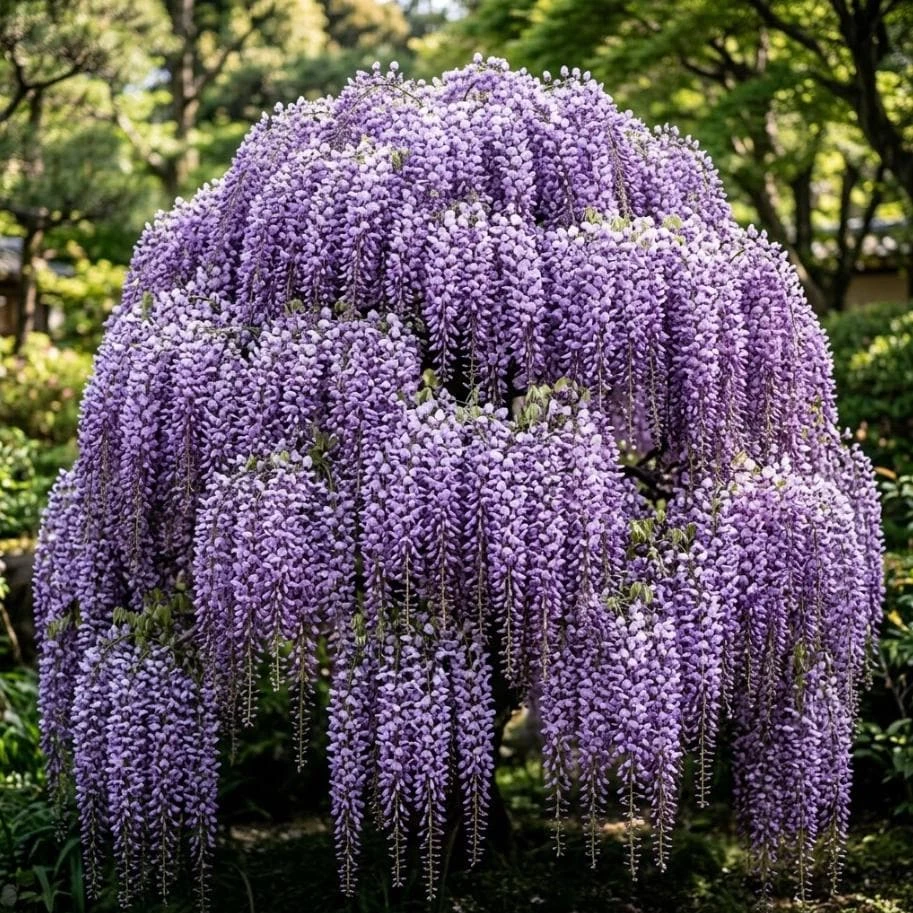
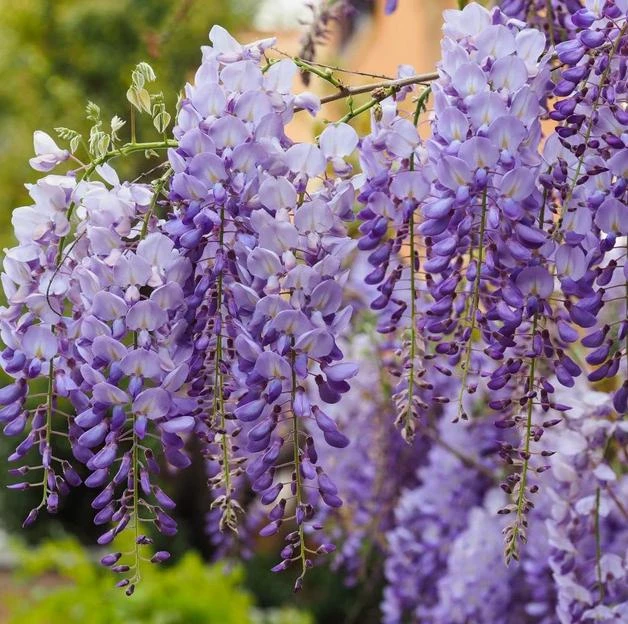
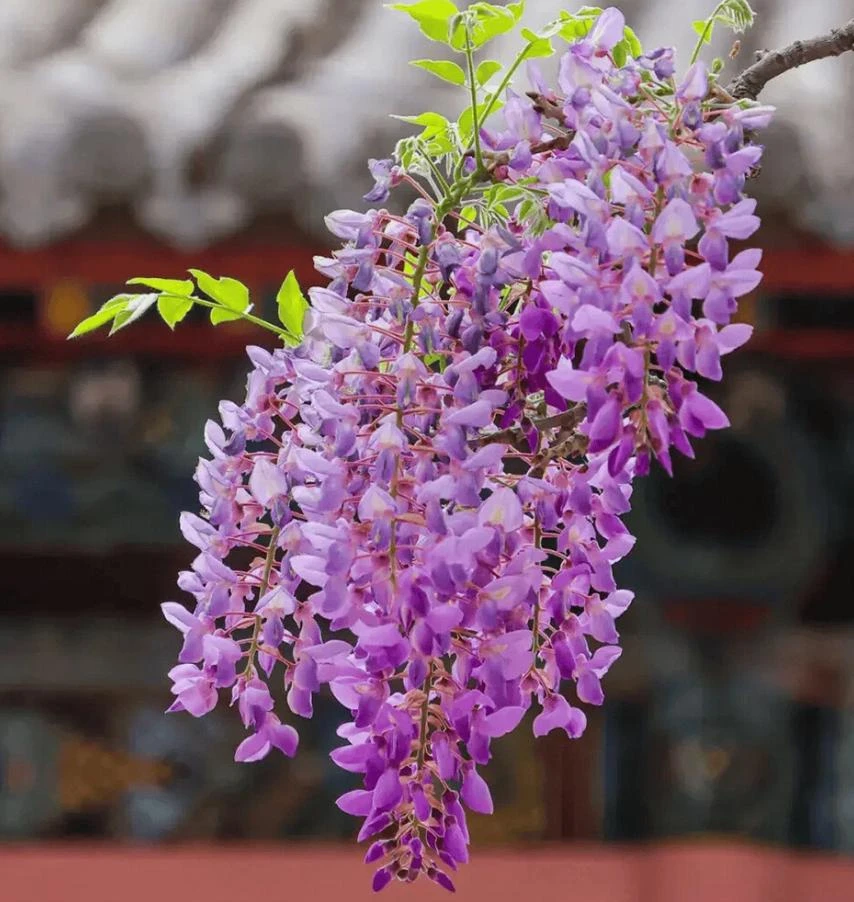
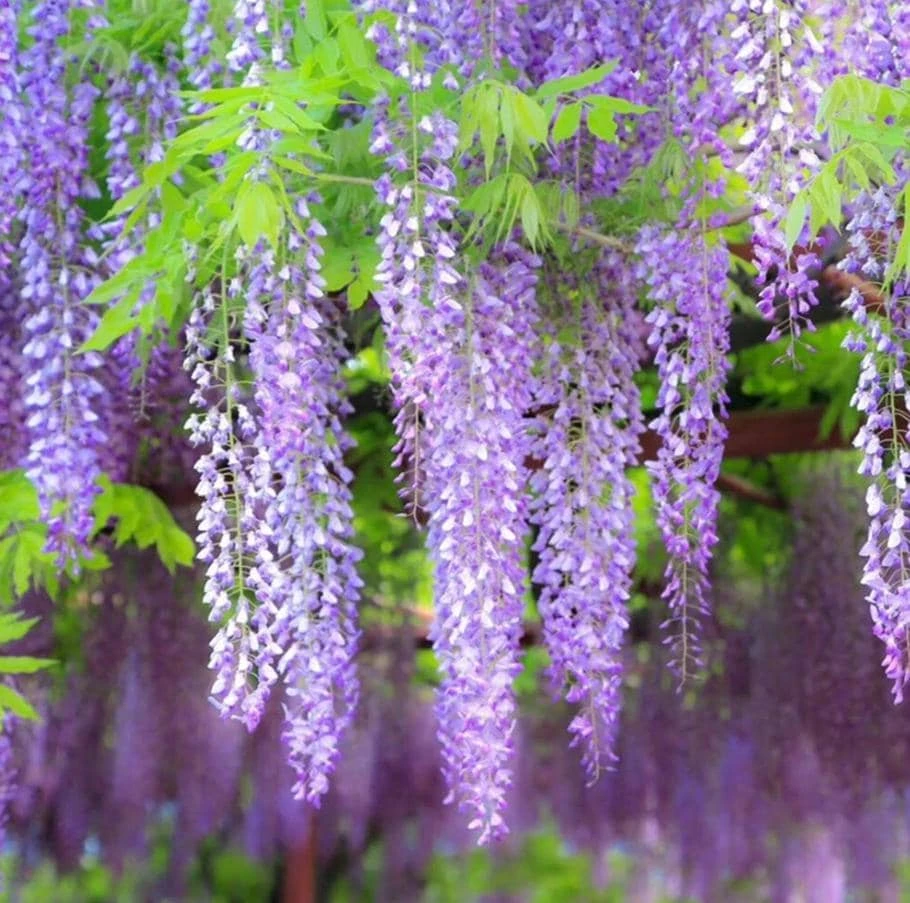
Add elegance to your landscape with a purple wisteria live plant. This fast-growing, hardy climbing vine, 6-12 inches tall in a 2.5-inch pot, produces stunning clusters of fragrant purple flowers. Ideal for trellises, arbors, and fences, creating a beautiful spring display.
Estimated arrival
Oct 16
Oct 21 - Oct 23
Oct 23 - Oct 28
See our Shipping Policy.
Get in touch with us via email, and our team will review your concerns.
Our Alive & Thrive Guarantee covers issues with your plants within the first 30 days. Read our Refund & Returns Policy.
-
USDA Hardiness Zone
USDA Zones 5-9 -
Soil Type
Well-draining, fertile soil -
Sunlight Exposure
Full sun to partial sun -
Expected Planting Period
Spring to early fall
Overview
Transform your outdoor living space with the enchanting beauty of a purple wisteria live plant (Wisteria sinensis). Renowned for its vigorous growth and breathtaking floral displays, this hardy climbing vine is a must-have for any garden enthusiast. Our purple wisteria live plant arrives as a young specimen, approximately 6–12 inches tall in a 2.5-inch nursery pot, ready to establish itself and bring a cascade of fragrant purple blooms to your landscape. This ornamental vine is celebrated for its dramatic, pendulous flower clusters that emerge in spring, creating an unforgettable visual and aromatic experience. A true garden classic, it adds an air of sophistication and charm to various garden structures.
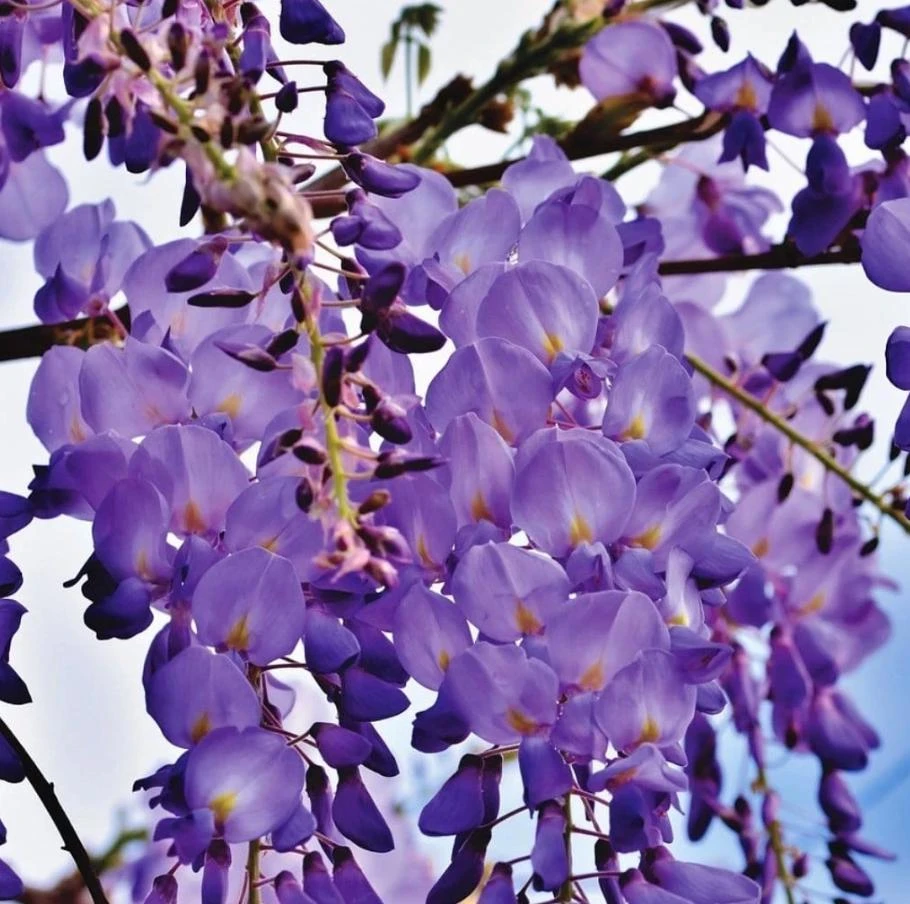
The Wisteria sinensis, commonly known as Chinese Wisteria, is a deciduous woody vine native to China. It’s highly valued for its long, drooping racemes of pea-like flowers, which are typically a vibrant shade of purple. This particular variety is known for its robust nature and ability to quickly cover large areas, making it an excellent choice for creating natural shade or privacy screens. With proper care, your purple wisteria live plant will develop into a magnificent specimen, providing years of enjoyment and becoming a focal point in your garden design.
Key Benefits
Investing in a purple wisteria live plant offers a multitude of benefits, enhancing both the aesthetic and ecological value of your garden. Its captivating features make it a standout choice for various landscaping projects.
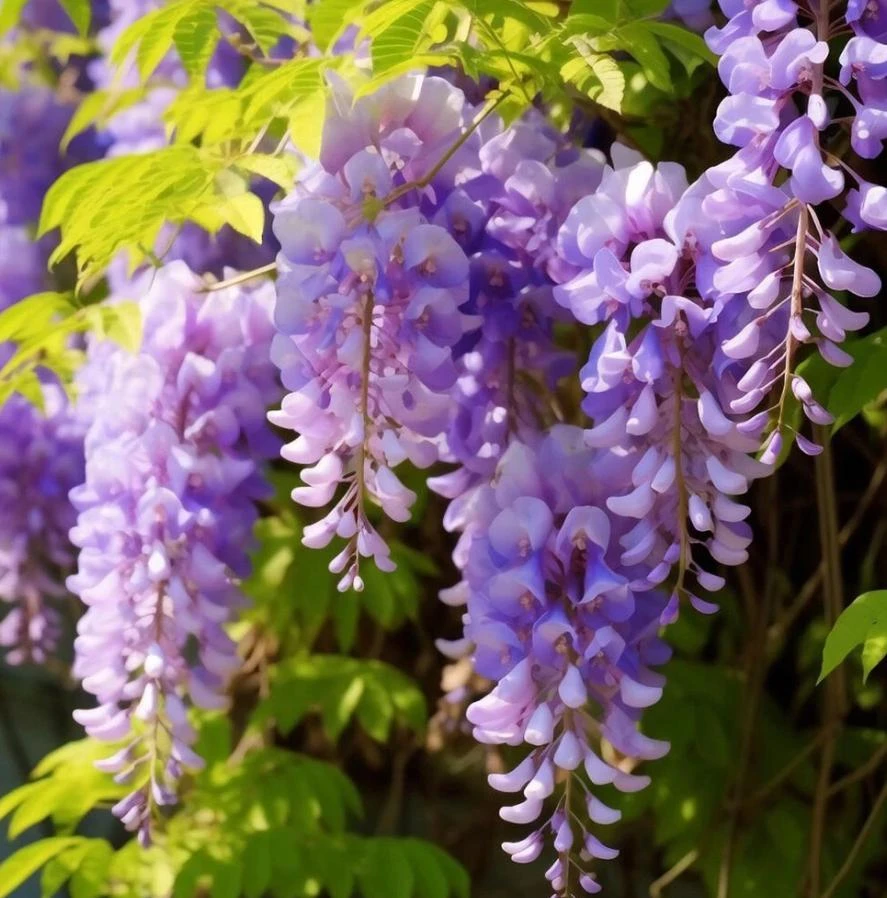
- Spectacular Floral Display: Witness an explosion of color each spring as the plant produces abundant, long, pendulous clusters of fragrant purple flowers. These striking blooms create a dramatic and beautiful spectacle, drawing the eye and delighting the senses.
- Delightful Fragrance: Beyond its visual appeal, the flowers of this wisteria sinensis vine emit a sweet, intoxicating fragrance that can perfume an entire garden, making outdoor spaces more inviting and enjoyable.
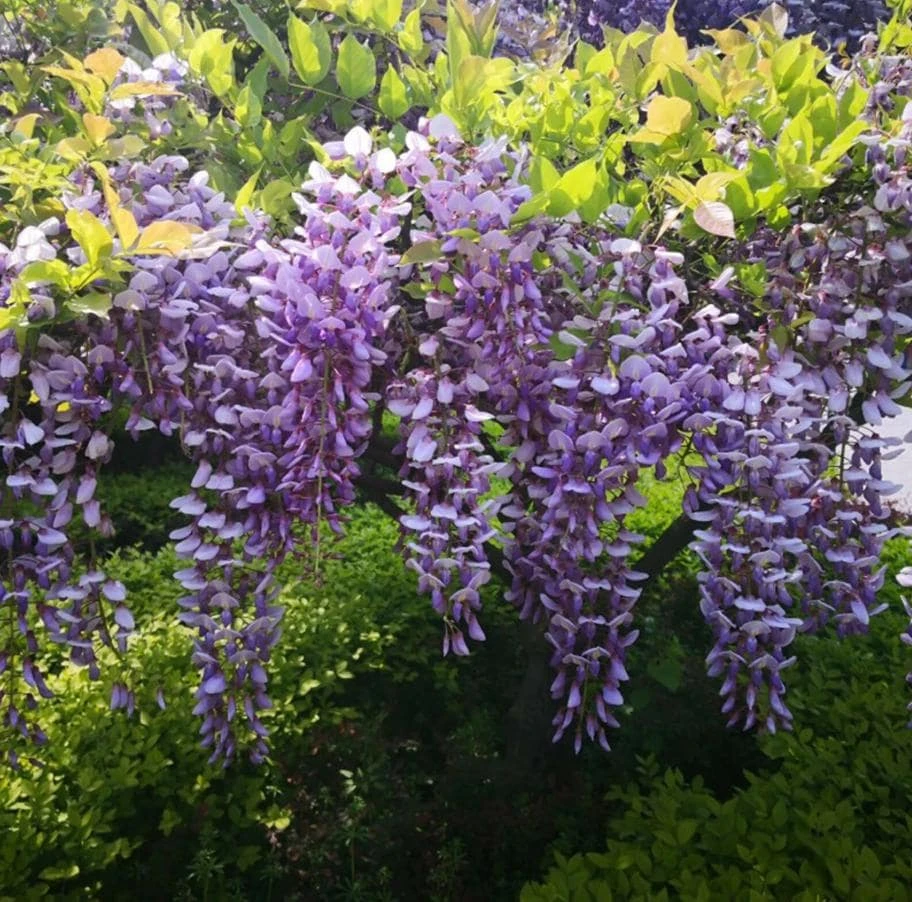
- Vigorous Climbing Habit: As a fast-growing climbing vine, it quickly covers trellises, arbors, pergolas, and fences, providing natural shade, privacy, and an elegant backdrop for other garden elements. Its rapid growth makes it an excellent choice for quickly establishing a mature look.
- Hardy and Resilient: This hardy climbing wisteria is well-suited to a range of climates and can withstand various environmental conditions once established, making it a reliable addition to many gardens. It’s known for its long lifespan and robust nature.
- Attracts Pollinators: The vibrant flowers are a magnet for beneficial pollinators like bees and butterflies, contributing to the biodiversity and health of your garden ecosystem.
- Architectural Interest: Its strong, woody stems can be trained to create unique architectural forms, adding structure and year-round interest even when not in bloom. This makes the fragrant purple wisteria a versatile plant for garden design.
- Low Maintenance Once Established: While requiring initial training and occasional pruning, established wisteria plants are relatively low-maintenance, offering a high reward for minimal effort.
Plant Care & Growing Tips
Caring for your purple wisteria live plant is essential for ensuring its vibrant growth and abundant flowering. This hardy vine thrives with specific conditions and consistent attention, especially in its early years. Understanding the needs of your wisteria sinensis vine will lead to a more successful and beautiful garden feature.
Sunlight Requirements
Wisteria requires ample sunlight to produce its spectacular blooms. Plant your wisteria in a location that receives at least 6 hours of direct sunlight per day. Full sun is ideal, as too much shade can result in lush foliage but fewer flowers. While it can tolerate partial sun, flowering will be significantly reduced. Ensure the spot you choose is not overshadowed by larger trees or buildings as the plant matures.
Watering Schedule and Soil Moisture Preferences
During its establishment phase (the first year or two), consistent watering is crucial. Water deeply once or twice a week, especially during dry periods, to encourage a strong root system. Once established, wisteria is relatively drought-tolerant but will benefit from occasional deep watering during prolonged dry spells. The soil should be consistently moist but never waterlogged. Good drainage is paramount for this hardy climbing wisteria.
Soil Type and Drainage Requirements
Wisteria prefers fertile, well-draining soil with a pH between 6.0 and 7.0. While it can tolerate a variety of soil types, including clay and sandy soils, amending the soil with organic matter like compost before planting will improve drainage and fertility. Avoid heavy, waterlogged soils, as these can lead to root rot. If your soil is heavy clay, consider planting in a raised bed or amending extensively with grit and compost.
Temperature Range and USDA Hardiness Zone
The purple wisteria live plant is hardy in USDA zones 5-9. It can withstand cold winters in these zones, often going dormant and losing its leaves. In warmer climates (zone 9 and above), it may remain semi-evergreen. Protecting young plants from severe frost in the lower end of its hardiness range can be beneficial. Ensure it is planted in a location where it can be protected from harsh winter winds.
Fertilization Schedule and Type
Wisteria is a vigorous grower and, as a legume, can fix nitrogen from the air, so it generally doesn’t require high-nitrogen fertilizers. High nitrogen can promote leaf growth at the expense of flowers. Instead, use a balanced fertilizer with a lower nitrogen content or a fertilizer specifically formulated for flowering plants (e.g., 0-10-10 or 5-10-10) in early spring before new growth appears. Over-fertilizing can be detrimental to flowering. For optimal bloom production, focus on proper pruning techniques for your fragrant purple wisteria.
Common Problems and Solutions
Wisteria is generally robust, but can face issues like powdery mildew, leaf spot, or pests such as aphids and scale insects. Good air circulation helps prevent fungal diseases. For pests, a strong stream of water or insecticidal soap can be effective. The most common ‘problem’ is often a lack of flowering, which is usually due to insufficient sunlight, improper pruning, or excessive nitrogen fertilization. Adjusting these factors will typically resolve flowering issues. Ensure your wisteria plant care routine addresses these potential challenges proactively.
Size & Details
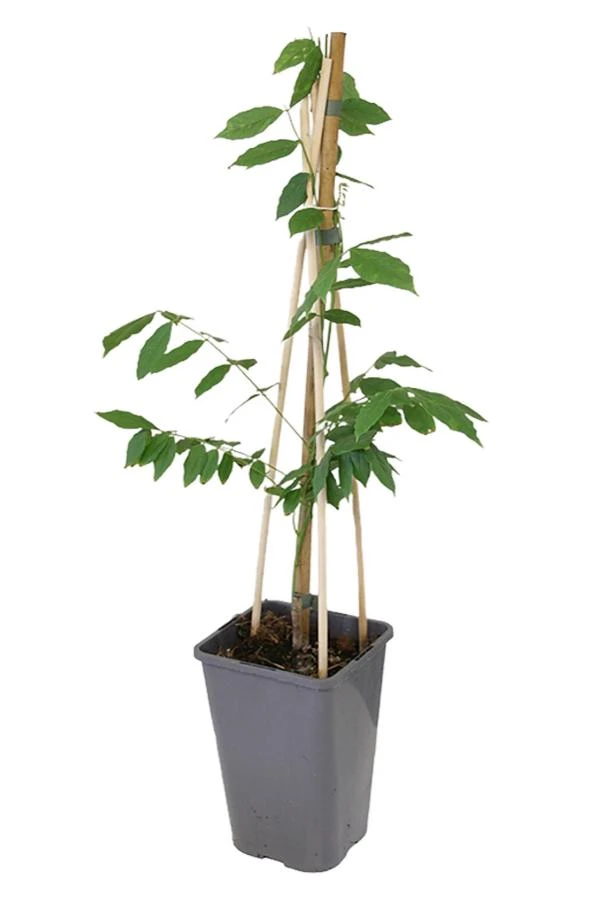
This purple wisteria live plant is shipped as a vibrant, young specimen, carefully nurtured to ensure a healthy start in your garden. Upon arrival, you will receive one live plant that stands approximately 6–12 inches tall, measured from the soil line to the tip of the highest stem. It is securely rooted in a 2.5-inch nursery pot, providing ample soil and nutrients for its initial growth. This size is ideal for planting, allowing the vine to quickly establish itself in its new environment.
Wisteria is known for its fast-growing habit, and with proper support and care, it can quickly reach impressive lengths, often growing several feet in a single season once established. While plants are shipped without blooms, depending on the season, they are mature enough to begin developing their iconic fragrant purple flowers in the coming seasons. During winter dormancy, it is natural for the plant to arrive leafless; this is a normal part of its growth cycle, and new foliage will emerge with warmer temperatures. Expect this hardy climbing wisteria to develop into a substantial vine, providing significant coverage and a stunning display for many years.
Frequently Asked Questions
- Q: How big does this plant get? A: This purple wisteria live plant is shipped 6-12 inches tall in a 2.5-inch pot. Once established, it is a fast-growing vine that can reach lengths of 20-30 feet or more, depending on growing conditions and pruning.
- Q: Is this an indoor or outdoor plant? A: Wisteria is primarily an outdoor plant. It requires full sun exposure and is hardy in USDA Zones 5-9, making it suitable for a wide range of outdoor garden settings.
- Q: How much sunlight does it need? A: For abundant flowering, your wisteria sinensis vine needs at least 6 hours of direct sunlight per day. Insufficient sun can lead to poor flowering.
- Q: What condition will it arrive in? A: You will receive 1 live plant, approximately 6-12 inches tall, in a 2.5-inch pot. Depending on the season, it may arrive without blooms or leafless during its natural winter dormancy.
- Q: Is this plant easy to care for? A: Once established, wisteria is relatively low-maintenance, primarily requiring proper pruning and adequate sunlight. Initial wisteria plant care involves consistent watering and training.
- Q: When is the best time to plant? A: The best time to plant wisteria is in spring or early fall, allowing the plant sufficient time to establish its root system before extreme temperatures.
- Q: How long until it blooms? A: Wisteria can take several years (typically 3-5 years) to begin flowering consistently, especially if grown from a young plant. Proper pruning and sunlight can encourage earlier blooms.
- Q: Will it survive winter in my zone? A: This fragrant purple wisteria is hardy in USDA Zones 5-9. In these zones, it will go dormant in winter and reliably return in spring.
- Q: What type of soil does it prefer? A: Wisteria thrives in fertile, well-draining soil with a neutral to slightly acidic pH. Good drainage is crucial to prevent root issues.
- Q: Can I grow this wisteria in a container? A: While possible, wisteria is a large, vigorous vine that prefers to be planted directly in the ground where its roots can spread. If grown in a container, it will require a very large pot and frequent watering and feeding.
Be the first to review “Purple Wisteria Live Plant – Wisteria Sinensis Hardy Climbing Vine 6-12″ Tall in 2.5″ Pot”
Related products


You May Like

Hardneck vs. Softneck Garlic: Which Should You Grow?
Have you ever stood in front of a seed catalog in mid-September, staring at dozens [...]
Oct

When to Plant Music Garlic: Ultimate US Fall Guide
Have you ever spent your fall weekend placing carefully chosen garlic cloves into rich, dark [...]
1 Comment
Oct

5 Best Bulbs for Fall Planting: Brighten Your Garden This Spring
Are you dreaming of a garden full of vibrant colors in the spring? The key [...]
Aug

10 Houseplants That Will Thrive in Your Kitchen
Are you tired of your kitchen feeling dull and lifeless? Want to add a little [...]
1 Comment
Aug
Reviews
There are no reviews yet.