
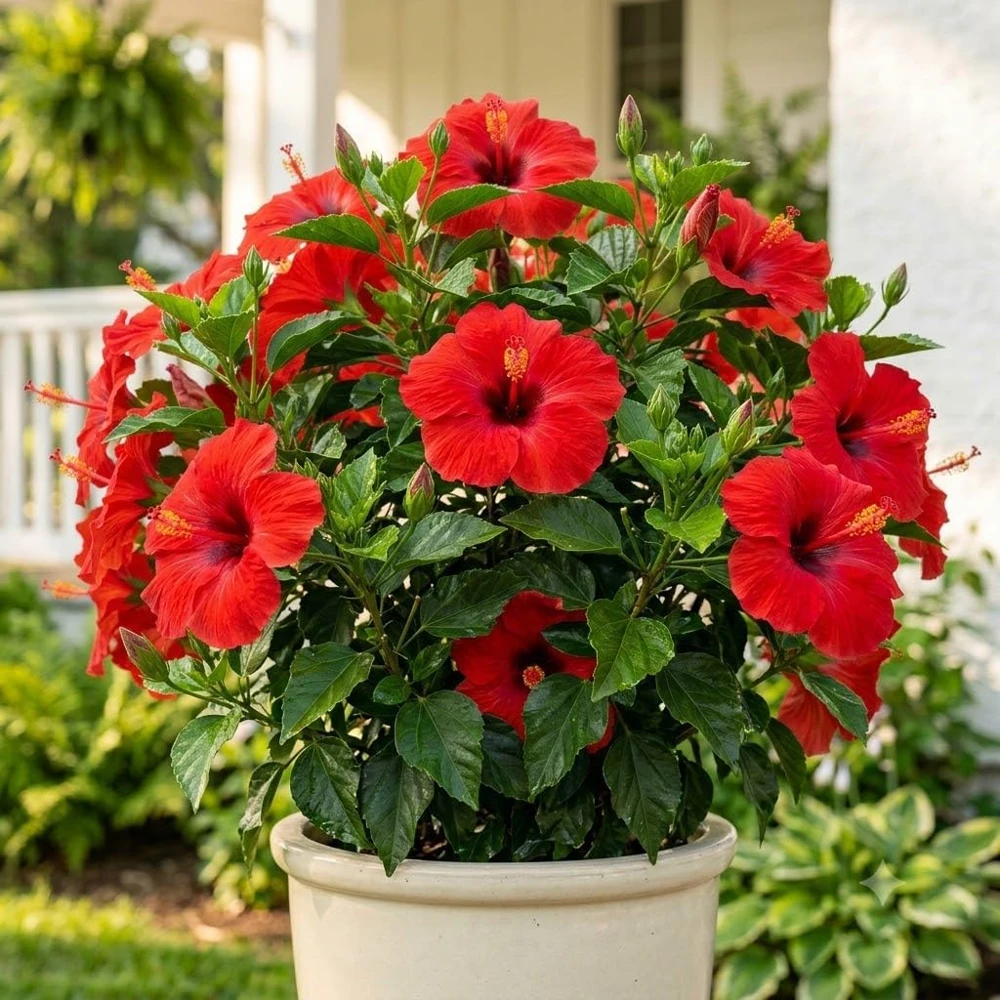
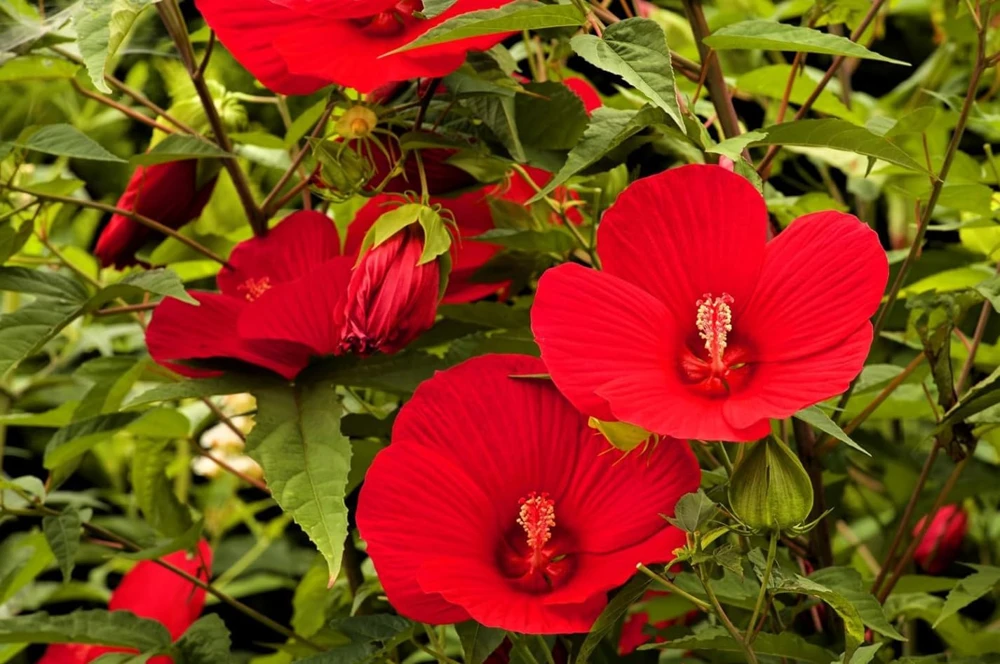
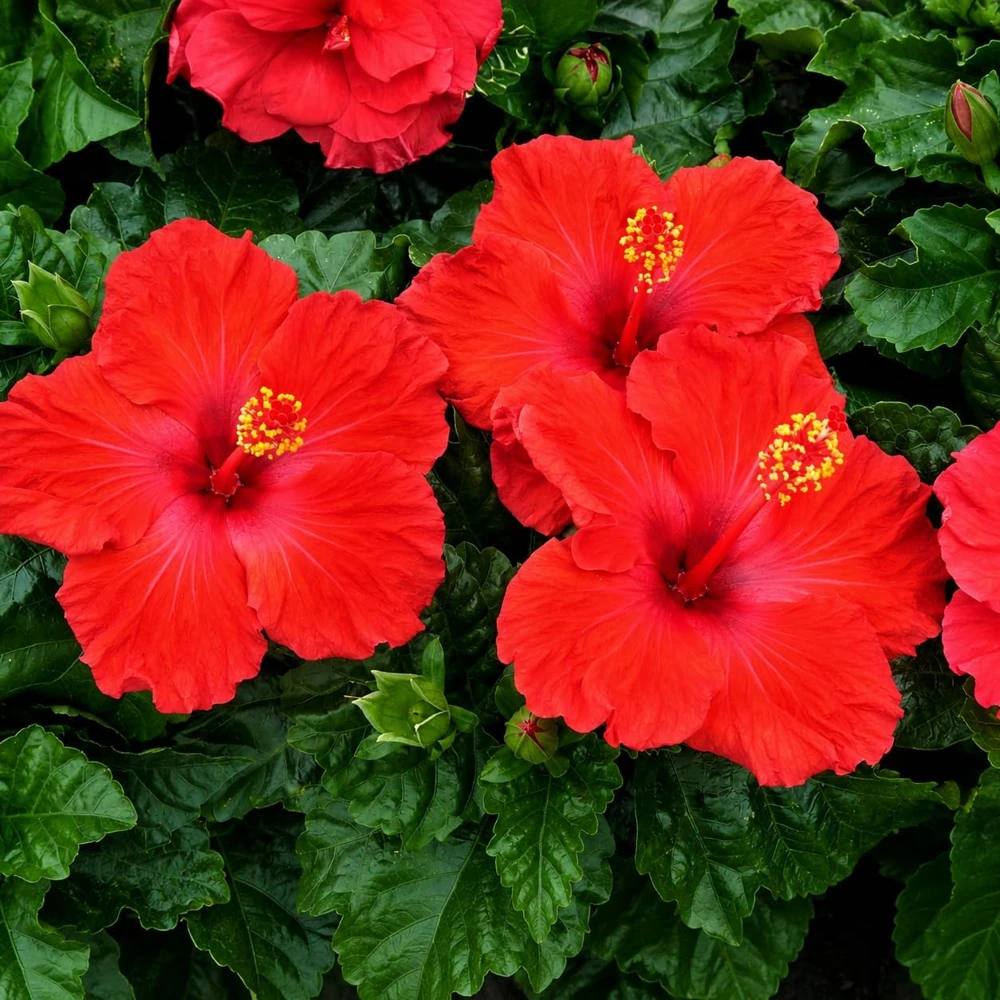
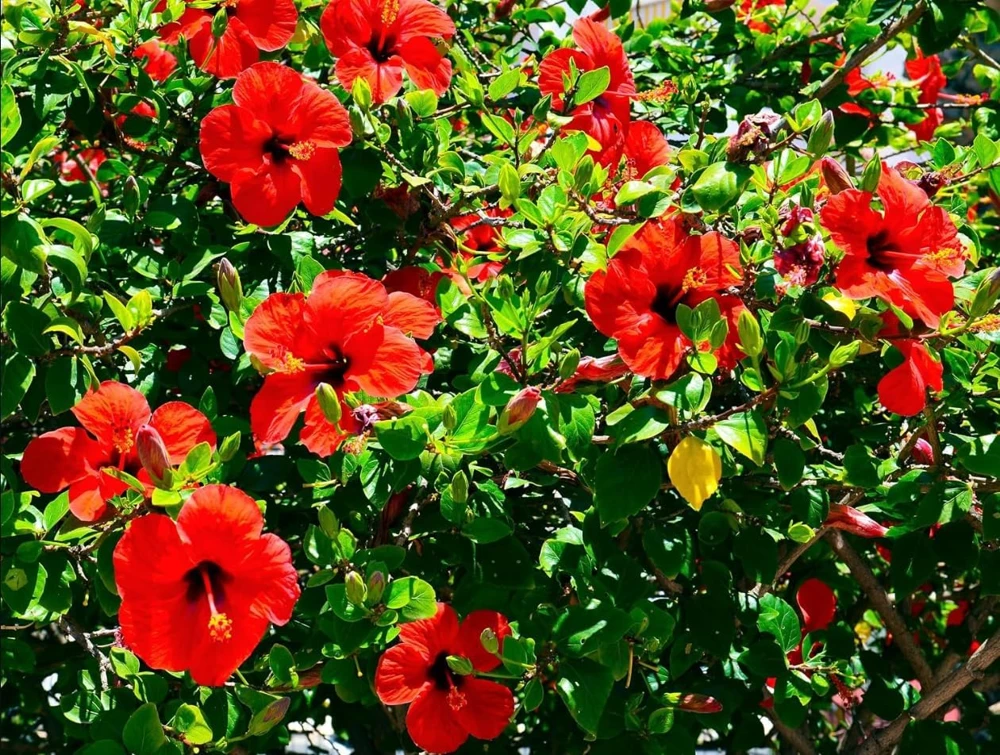
Red Hibiscus Live Plant, Hardy Tropical Shrub, 4-8 Inch Tall
Original price was: 40.99 $.15.99 $Current price is: 15.99 $.
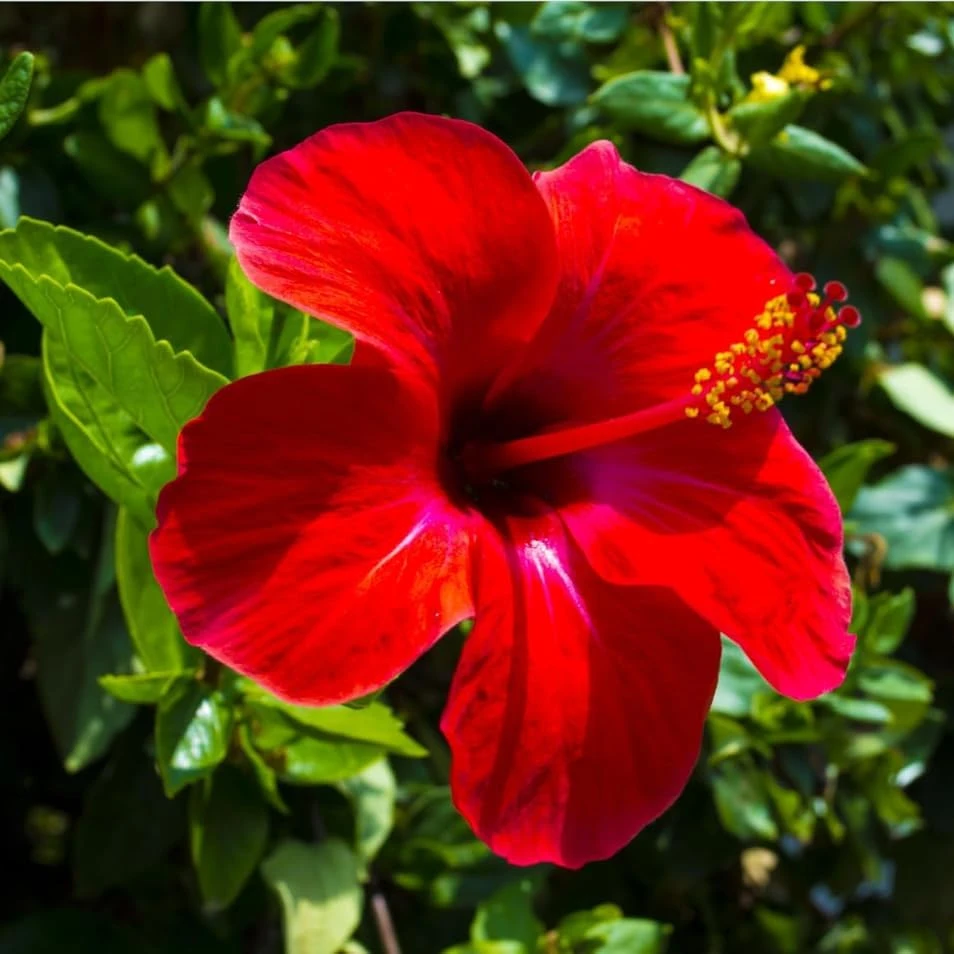
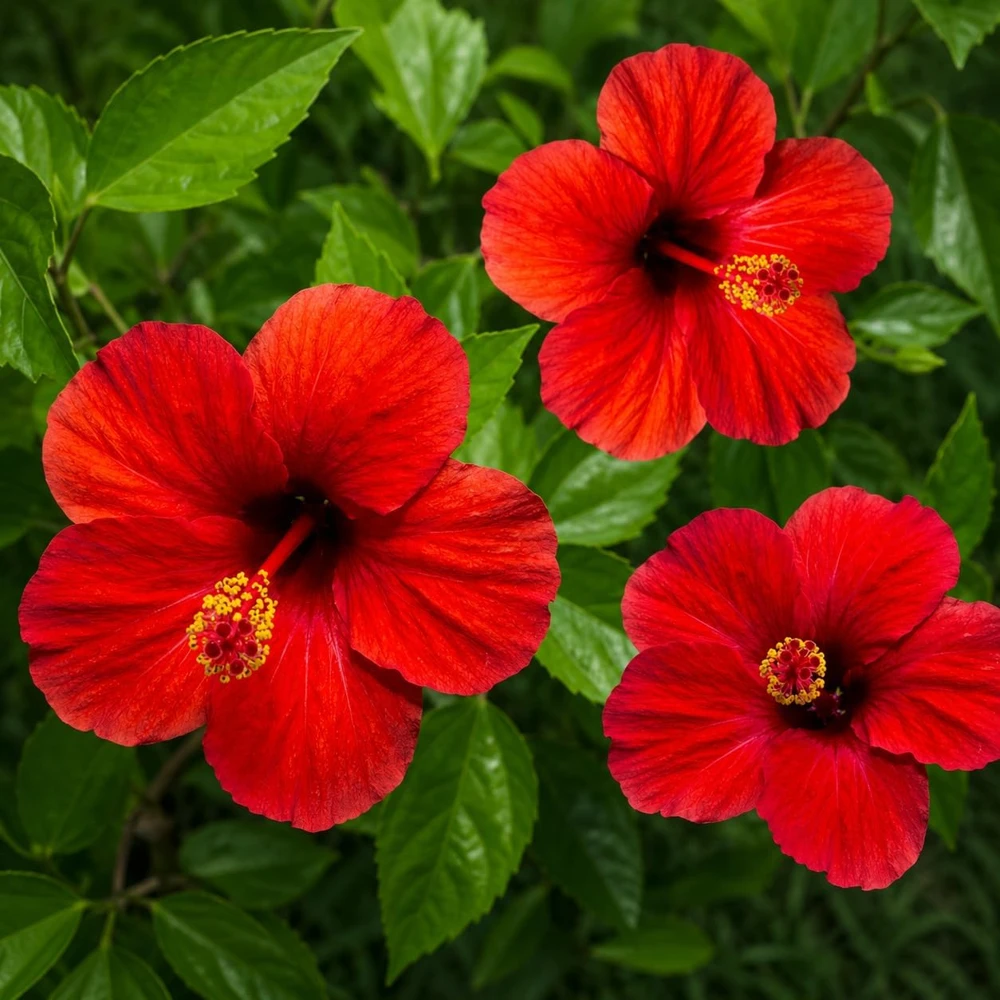
Add a splash of vibrant color to your garden with this beautiful red hibiscus live plant. A hardy hibiscus plant, it’s perfect for outdoor planting in USDA zones 5-9, growing into a stunning tropical hibiscus shrub with brilliant red blooms.
Estimated arrival
Oct 15
Oct 20 - Oct 22
Oct 22 - Oct 27
See our Shipping Policy.
Get in touch with us via email, and our team will review your concerns.
Our Alive & Thrive Guarantee covers issues with your plants within the first 30 days. Read our Refund & Returns Policy.
-
USDA Hardiness Zone
5-9 -
Soil Type
Well-draining soil -
Sunlight Exposure
Full Sun -
Expected Planting Period
Summer to early fall
Overview
Introduce a burst of tropical color and elegance to your garden with our exquisite red hibiscus live plant. This stunning specimen is renowned for its large, showy, and vibrant red flowers that can transform any landscape into a breathtaking paradise. As a hardy hibiscus plant, it’s a resilient choice for gardeners across various climates, particularly thriving in USDA zones 5-9. Often referred to as a tropical hibiscus shrub, this plant is a favorite for its dramatic visual appeal and relatively easy care. Whether you’re looking to create a focal point in your flower beds, add a splash of color to your patio containers, or design a vibrant border, this red hibiscus is an excellent choice. It promises to bring a touch of exotic charm and continuous blooming beauty throughout the warmer months, making it a truly rewarding addition to any outdoor space.
Our red hibiscus live plant arrives ready for planting, offering you a head start on cultivating a magnificent flowering display. Its robust nature ensures it can withstand a range of environmental conditions, making it more forgiving than some other tropical varieties. With proper care, this plant will establish quickly and reward you with an abundance of spectacular red blooms that attract pollinators like hummingbirds and butterflies, adding life and movement to your garden. Embrace the joy of growing this iconic flowering shrub and enjoy its captivating beauty season after season.
Key Benefits
The red hibiscus live plant offers a multitude of benefits, making it a highly desirable addition to any garden or landscape. Its striking appearance and vigorous growth contribute significantly to its appeal:
- Vibrant Red Blooms: Enjoy large, intensely colored red flowers that provide a dramatic visual impact and become an instant focal point in any garden setting. These blooms are perfect for cutting and bringing indoors.
- Attracts Pollinators: The bright flowers are a magnet for hummingbirds, butterflies, and other beneficial pollinators, enhancing the biodiversity and ecological health of your garden.
- Hardy & Resilient: As a hardy hibiscus plant, it is more tolerant to cooler temperatures than traditional tropical hibiscus, making it suitable for a wider range of USDA zones (5-9).
- Long Blooming Season: This plant typically blooms from summer to early fall, providing continuous color and interest for several months, extending your garden’s peak beauty.
- Versatile Landscaping: Ideal for use as a specimen plant, in mixed borders, as a hedge, or in large containers on patios and decks, offering flexibility in garden design.
- Low Maintenance: Once established, this tropical hibiscus shrub requires relatively minimal care, making it a great option for both experienced and novice gardeners looking for impactful but easy-to-manage plants.
- Adds Tropical Flair: Instantly infuse your outdoor space with an exotic, resort-like feel, creating a serene and inviting atmosphere with its lush foliage and bold flowers.
Plant Care & Growing Tips
Caring for your red hibiscus live plant is straightforward, ensuring a stunning display of blooms with a few key considerations. This hardy hibiscus plant thrives in conditions that mimic its natural tropical origins, but it’s also remarkably adaptable. For optimal growth and prolific flowering, choose a location that receives full sun, meaning at least 6-8 hours of direct sunlight per day. Adequate sunlight is crucial for bloom production and overall plant health. While it can tolerate some partial shade, especially in hotter climates, too little sun will result in fewer and smaller flowers.
When it comes to watering, consistency is key. Your red hibiscus live plant prefers consistently moist, but not waterlogged, soil. Water regularly, especially during dry spells and hot weather. The soil should be well-draining to prevent root rot, which is a common issue for many plants. A good quality, well-draining potting mix for container plants or amended garden soil for in-ground planting will provide the ideal environment. Fertilize your tropical hibiscus shrub during the growing season (spring through summer) with a balanced, slow-release fertilizer or a liquid feed specifically formulated for flowering plants. Pruning can be done in late winter or early spring to shape the plant, remove dead or damaged branches, and encourage bushier growth and more flowers. Monitor for common pests like aphids or whiteflies and treat as necessary with organic insecticidal soap.
Temperatures between 65°F and 90°F are ideal for this plant’s robust growth and flowering. In regions within USDA zones 5-9, the plant will generally overwinter well, though a layer of mulch around the base can provide extra protection in colder areas. Understanding the specific needs for your red flowering plants will ensure a beautiful and healthy display year after year.
Size & Details
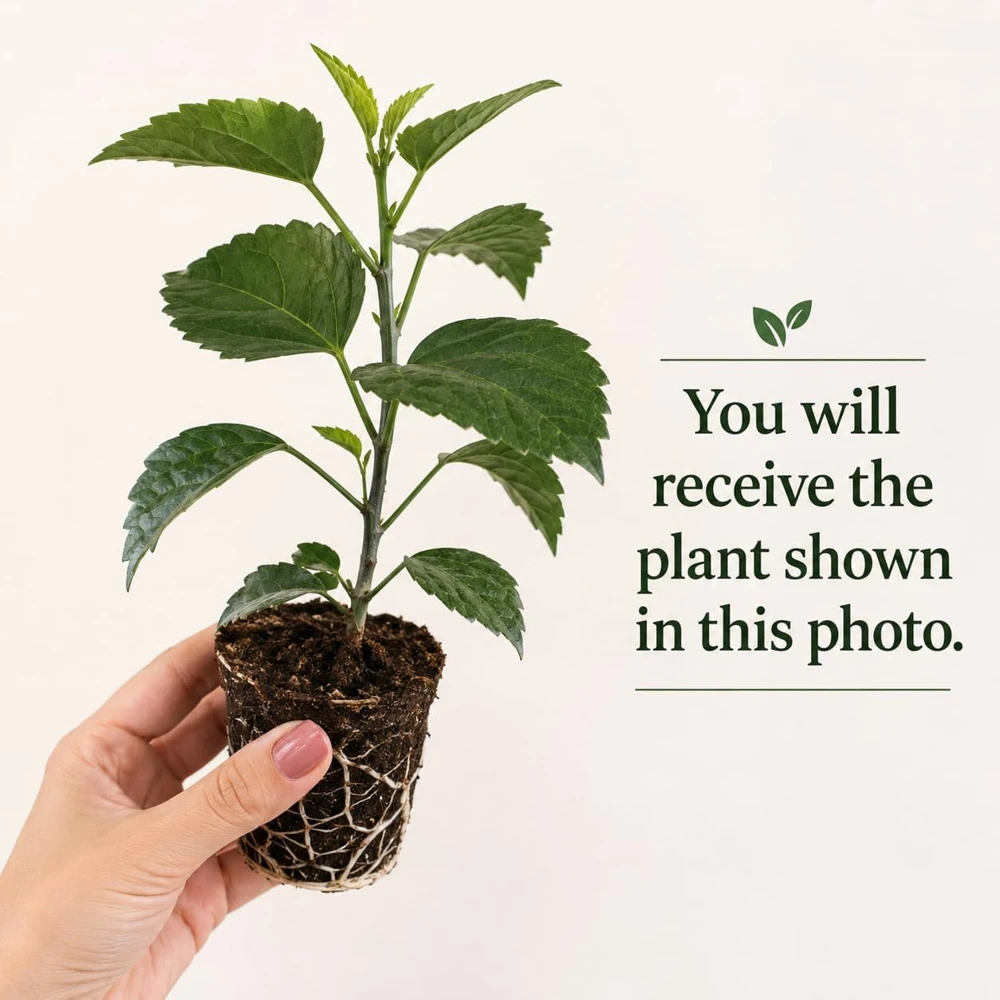
This red hibiscus live plant is supplied as a young, actively growing specimen, typically measuring between 4-8 inches tall at the time of shipment. It is a bare-root plant, meaning it will arrive without a pot or significant soil, which helps reduce shipping stress and allows for easier transplanting into your preferred garden spot or container. While young, these plants are robust and ready to establish quickly in their new environment. With proper care, this hardy hibiscus plant will rapidly grow into a substantial shrub, reaching mature heights of 5-8 feet and spreads of 3-5 feet, depending on the variety and growing conditions.
The growth rate is moderate to fast, allowing you to enjoy a mature tropical hibiscus shrub within a few seasons. Expect the first vibrant red blooms to appear in the summer of the first or second year after planting, continuing through early fall. The plant’s mature size makes it an excellent choice for creating a striking visual impact as a standalone specimen or as part of a mixed border. Ensure adequate space for its mature dimensions when selecting a planting site to allow for optimal development of this magnificent red flowering plants.
Frequently Asked Questions
- Q: How big does this plant get? A: This red hibiscus live plant typically grows to a mature height of 5-8 feet and can spread 3-5 feet wide, depending on growing conditions and pruning. It starts as a 4-8 inch tall specimen.
- Q: Is this an indoor or outdoor plant? A: This is a hardy hibiscus plant primarily intended for outdoor planting. It thrives in full sun and is suitable for USDA zones 5-9.
- Q: How much sunlight does it need? A: The red hibiscus live plant requires at least 6-8 hours of direct sunlight per day to produce the most abundant and vibrant blooms.
- Q: Is this plant easy to care for? A: Yes, once established, this tropical hibiscus shrub is considered relatively low-maintenance. It requires regular watering, well-draining soil, and occasional fertilization.
- Q: What condition will it arrive in? A: Your red hibiscus live plant will arrive as a healthy, bare-root specimen, approximately 4-8 inches tall, ready for immediate planting.
- Q: When is the best time to plant? A: The best time to plant your red hibiscus live plant is in spring after the last frost, or in early fall in warmer climates, to allow it to establish before extreme temperatures.
- Q: Will it survive winter in my zone? A: This hardy hibiscus plant is rated for USDA zones 5-9. In zone 5, it may die back to the ground in winter but will typically re-emerge in spring. In warmer zones, it will maintain more woody growth.
- Q: What’s the minimum temperature it can tolerate? A: While hardy, this plant prefers temperatures above 65°F. It can tolerate winter lows within its specified USDA zone range, but consistent freezing temperatures may cause dormancy or damage.
- Q: What type of soil does it need? A: This red hibiscus live plant thrives in well-draining soil. Amending heavy clay soils with organic matter can improve drainage.
- Q: How often should I fertilize my hibiscus? A: Fertilize your tropical hibiscus shrub every 4-6 weeks during the spring and summer growing season with a balanced, slow-release fertilizer or a liquid feed for flowering plants.
Be the first to review “Red Hibiscus Live Plant, Hardy Tropical Shrub, 4-8 Inch Tall”
Related products


You May Like

Hardneck vs. Softneck Garlic: Which Should You Grow?
Have you ever stood in front of a seed catalog in mid-September, staring at dozens [...]
Oct

When to Plant Music Garlic: Ultimate US Fall Guide
Have you ever spent your fall weekend placing carefully chosen garlic cloves into rich, dark [...]
1 Comment
Oct

5 Best Bulbs for Fall Planting: Brighten Your Garden This Spring
Are you dreaming of a garden full of vibrant colors in the spring? The key [...]
Aug

10 Houseplants That Will Thrive in Your Kitchen
Are you tired of your kitchen feeling dull and lifeless? Want to add a little [...]
1 Comment
Aug
Reviews
There are no reviews yet.