
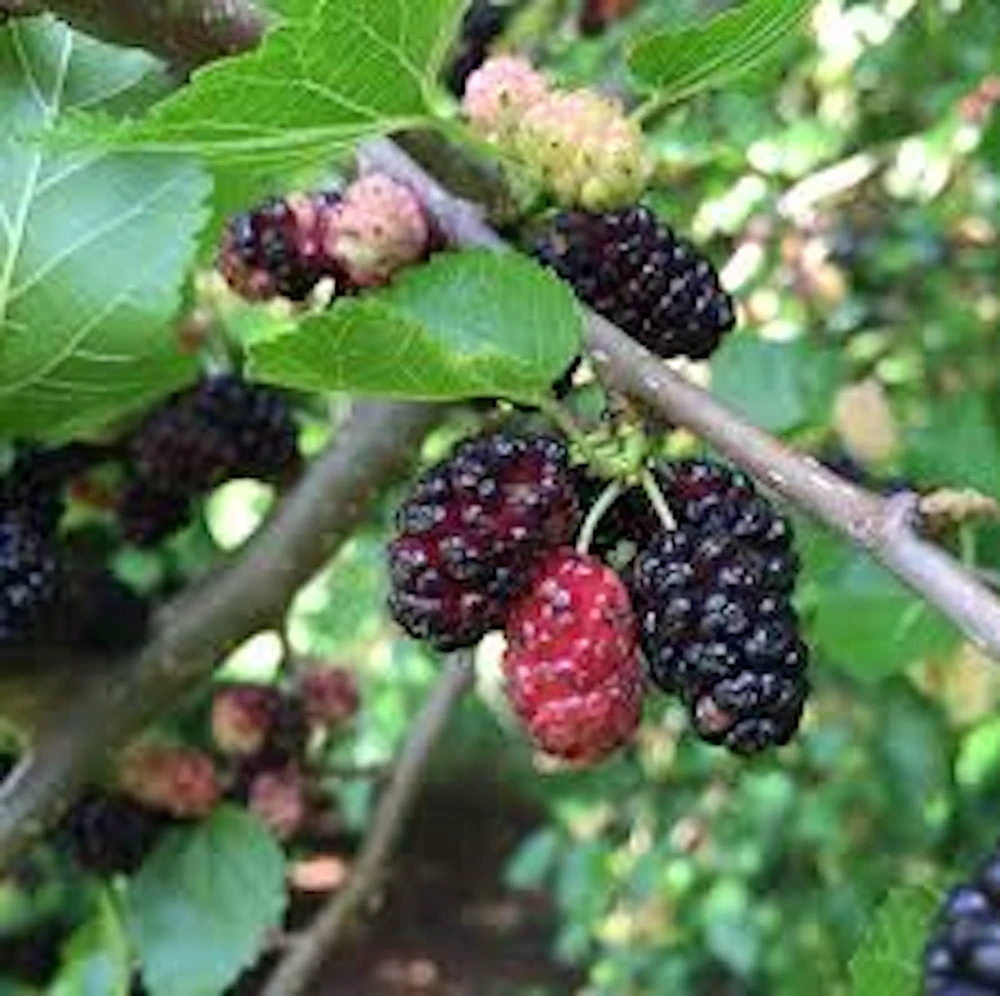
Red Mulberry Tree Live Plant 12-24″ Tall Morus rubra Fruit Tree Outdoor
Original price was: 74.99 $.49.99 $Current price is: 49.99 $.
Cultivate your own delicious fruit with a Red Mulberry tree live plant. This 12-24 inch tall Morus rubra is a native North American fruit tree, perfect for outdoor gardens. Enjoy its fast growth and sweet berries.
Estimated arrival
Oct 16
Oct 21 - Oct 23
Oct 23 - Oct 28
See our Shipping Policy.
Get in touch with us via email, and our team will review your concerns.
Our Alive & Thrive Guarantee covers issues with your plants within the first 30 days. Read our Refund & Returns Policy.
-
USDA Hardiness Zone
4-8 -
Soil Type
Moist, well-draining soil -
Sunlight Exposure
Full sun to partial shade -
Expected Planting Period
Spring to Fall (dormant or growing season)
Overview
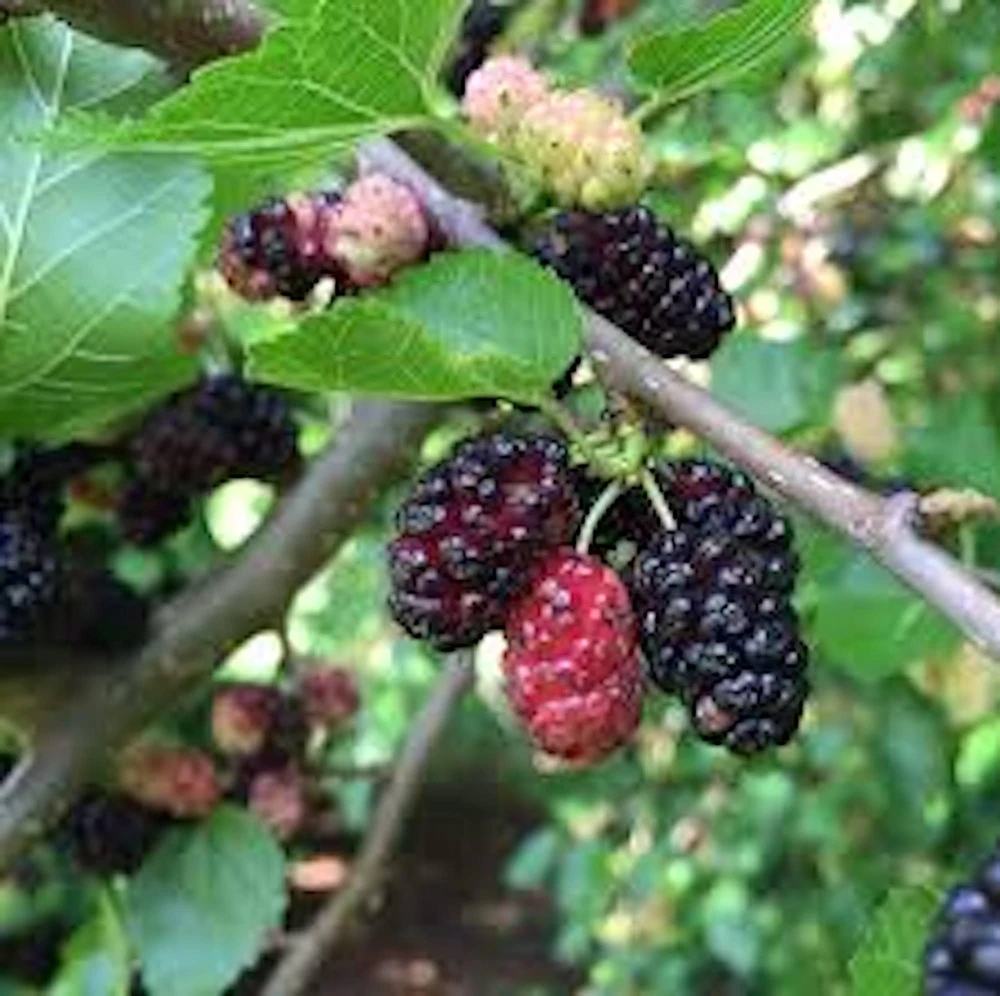
Bring the joy of homegrown fruit to your landscape with this Red Mulberry tree live plant. The Morus rubra, commonly known as the Red Mulberry, is a magnificent native North American tree celebrated for its delicious, dark red to black berries and its robust, adaptable nature. This offering provides a healthy young specimen, typically 12-24 inches tall, ready to establish itself in your garden. Known for its rapid growth and generous fruit production, the Morus rubra fruit tree is an excellent choice for attracting wildlife while providing a bountiful harvest for fresh eating, jams, and pies. Its attractive foliage and spreading canopy also make it a beautiful addition to any yard, offering shade and natural beauty. Whether you’re an experienced gardener or a beginner, growing mulberry trees is a rewarding experience, and the Red Mulberry is particularly resilient and easy to care for.
The Red Mulberry tree live plant is a versatile deciduous tree that thrives in a wide range of conditions, making it suitable for many regions across the United States. Its ability to tolerate various soil types and light conditions ensures it can flourish in diverse garden settings. These trees are known to produce fruit in just a few years, offering a relatively quick return on your planting investment. Embrace the opportunity to cultivate this historical and beneficial plant in your own backyard, providing a sustainable source of food and contributing to local biodiversity.
Key Benefits
Planting a Red Mulberry tree live plant offers a multitude of advantages for both your landscape and your lifestyle. From its ecological contributions to its culinary delights, this tree is a true garden gem.
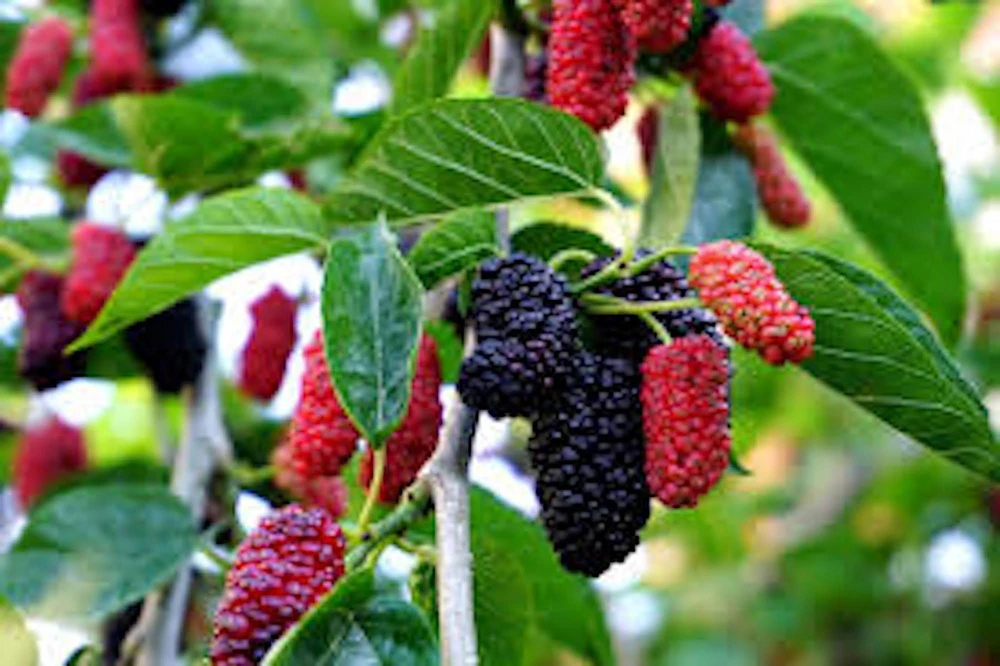
- Abundant Fruit Production: Enjoy a generous harvest of sweet, juicy, dark red to black mulberries each summer. These berries are perfect for eating fresh, baking, making jams, or freezing for later use. The fruit of the Morus rubra fruit tree is a delightful treat.
- Attracts Wildlife: The berries are a favorite food source for birds and other small wildlife, helping to support local ecosystems and bringing vibrant activity to your garden.
- Native & Adaptable: As a native North American species, the Red Mulberry is well-suited to local climates and soils, requiring less intervention than many non-native plants. This makes for easier Red Mulberry tree care.
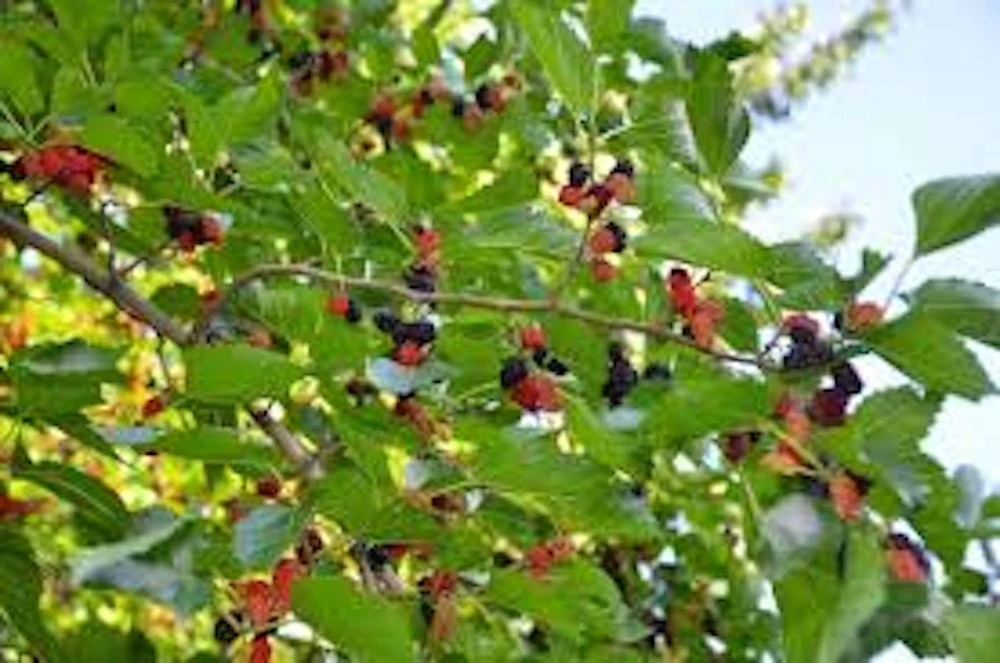
- Shade & Aesthetic Appeal: With its potential to grow into a large, spreading tree, it provides excellent shade during hot summer months and adds significant visual interest to your property with its lush foliage.
- Drought Tolerant Once Established: While it prefers moist soil, established Red Mulberry trees exhibit good drought resistance, making them a resilient choice for various environmental conditions.
- Fast Growing: These trees grow relatively quickly, allowing you to enjoy their benefits, including fruit production and shade, sooner than many other tree species. This makes growing mulberry trees a satisfying endeavor.
- Low Maintenance: Once established, the Red Mulberry tree live plant requires minimal care, making it an ideal choice for gardeners seeking a productive yet easy-to-manage fruit tree.
Plant Care & Growing Tips
Proper Red Mulberry tree care is essential for ensuring a healthy and productive tree. These trees are generally robust, but providing optimal conditions will lead to the best growth and fruit yield. The Red Mulberry tree live plant thrives in full sun to partial shade, meaning it needs at least 6 hours of direct sunlight per day for optimal fruit production. While it can tolerate some shade, fruit quantity may decrease. It is indigenous to Eastern North America and flourishes in various moist, well-drained soils. While adaptable to nearly any non-arid soil, best growth occurs in well-drained, moist soils under full sun.
When it comes to watering, young trees should be watered regularly to keep the soil consistently moist but not waterlogged. Once established, native fruit trees like the Red Mulberry are quite drought-tolerant, but supplemental watering during prolonged dry spells will benefit fruit development. Fertilization is typically not heavily required for established trees, especially if planted in fertile soil. However, a balanced slow-release fertilizer can be applied in early spring to young trees or those in poorer soils. Pruning should focus on removing dead, damaged, or crossing branches to maintain good air circulation and tree structure. Light pruning can also help manage the tree’s size and shape.
The Red Mulberry tree live plant is hardy in USDA Zones 4-8. It is crucial to consider your local climate and planting zone to ensure the tree will thrive. While generally resistant to many pests and diseases, monitoring for common issues and addressing them promptly will help maintain the tree’s health. With proper attention to these guidelines, your Morus rubra fruit tree will grow into a magnificent specimen, providing years of delicious fruit and natural beauty.
Size & Details
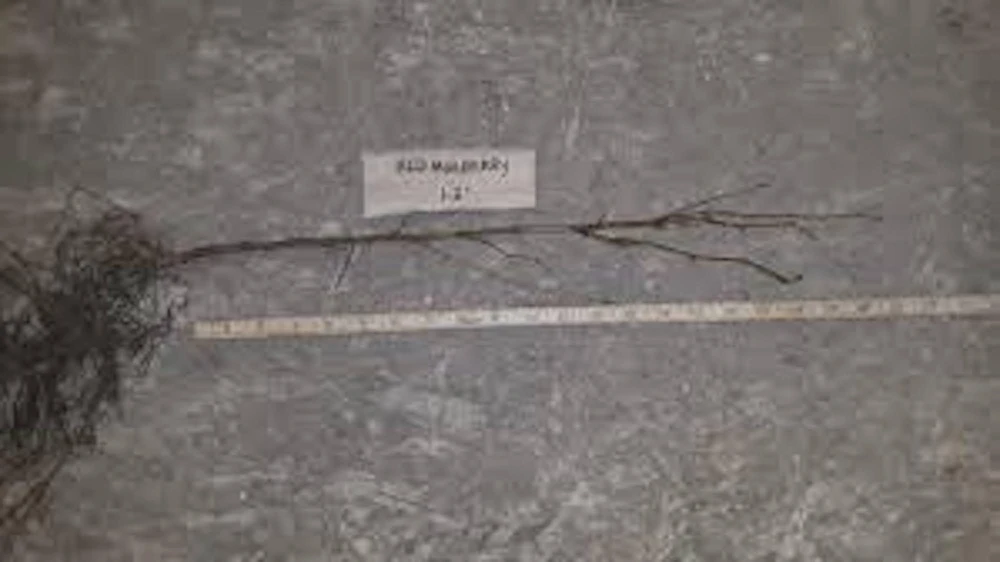
This offering is for one Red Mulberry tree live plant, typically measuring 12-24 inches tall upon arrival, with a minimum height of 6-12 inches. These young trees are provided as bare root specimens during dormant seasons and in quart pots during the growing season, ensuring they are ready for planting in your garden. The Morus rubra fruit tree is known for its relatively fast growth rate, and with proper care, it can begin producing fruit within a few years of planting. At maturity, this impressive native fruit tree typically reaches heights of 30-60 feet (9-18 meters) and can spread significantly, forming a broad, rounded canopy. Its substantial size makes it an excellent choice for providing shade and a strong focal point in larger landscapes. These native fruit trees are a long-term investment, providing decades of ecological and culinary benefits.
The mature size of the Red Mulberry tree live plant makes it suitable for larger yards or open spaces where it has room to grow without crowding other plants. Its strong root system helps it anchor firmly and contributes to its drought tolerance once established. The fruit typically ripens in early summer, offering a delightful harvest. Understanding the potential mature size and growth habits is key to successful growing mulberry trees and ensuring they have adequate space to flourish.
Frequently Asked Questions
- Q: How big does this Red Mulberry tree get at maturity? A: The Red Mulberry tree live plant typically reaches heights of 30-60 feet (9-18 meters) at maturity, forming a wide, spreading canopy. Its mature size makes it a significant landscape feature, providing ample shade.
- Q: Is this an indoor or outdoor plant? A: The Morus rubra fruit tree is an outdoor plant. It is a deciduous tree that requires outdoor conditions to thrive and produce fruit. It is not suitable for indoor cultivation.
- Q: How much sunlight does the Red Mulberry tree need? A: For optimal growth and fruit production, the Red Mulberry tree live plant prefers full sun, meaning at least 6 hours of direct sunlight per day. It can tolerate partial shade, but fruit yield may be reduced.
- Q: What condition will the tree arrive in? A: The tree will ship as a bare root plant when dormant or in a quart pot during the growing season. It will be carefully packaged to ensure it arrives healthy and ready for planting.
- Q: Is this plant easy to care for? A: Yes, growing mulberry trees like the Red Mulberry is generally considered easy. Once established, they are quite adaptable, drought-tolerant, and require minimal Red Mulberry tree care, making them suitable for gardeners of all experience levels.
- Q: When is the best time to plant a Red Mulberry tree? A: The best time to plant a Red Mulberry tree live plant is in early spring or late fall, when the tree is dormant or semi-dormant. This allows the roots to establish before extreme weather conditions.
- Q: What USDA hardiness zones is the Red Mulberry suitable for? A: The Morus rubra fruit tree is hardy in USDA Zones 4-8, making it suitable for a wide range of climates across North America. Ensure your zone falls within this range for successful growth.
- Q: Can I use the fruit for cooking? A: Absolutely! The berries from the Red Mulberry tree live plant are delicious and highly versatile. They can be eaten fresh, baked into pies and muffins, or used to make jams, jellies, and sauces.
- Q: What kind of soil does the Red Mulberry prefer? A: This native fruit tree thrives in a variety of moist, well-drained soils. While adaptable, the best growth occurs in well-drained, loamy soils that retain some moisture.
- Q: How long until the tree produces fruit? A: A young Red Mulberry tree live plant can begin producing fruit within 3-5 years of planting, depending on its initial size and growing conditions.
Be the first to review “Red Mulberry Tree Live Plant 12-24″ Tall Morus rubra Fruit Tree Outdoor”
Related products


You May Like

Hardneck vs. Softneck Garlic: Which Should You Grow?
Have you ever stood in front of a seed catalog in mid-September, staring at dozens [...]
Oct

When to Plant Music Garlic: Ultimate US Fall Guide
Have you ever spent your fall weekend placing carefully chosen garlic cloves into rich, dark [...]
1 Comment
Oct

5 Best Bulbs for Fall Planting: Brighten Your Garden This Spring
Are you dreaming of a garden full of vibrant colors in the spring? The key [...]
Aug

10 Houseplants That Will Thrive in Your Kitchen
Are you tired of your kitchen feeling dull and lifeless? Want to add a little [...]
1 Comment
Aug
Reviews
There are no reviews yet.