


Red Rubin Sword Live Aquarium Plant – Echinodorus Rubin Freshwater
Original price was: 15.98 $.7.99 $Current price is: 7.99 $.
Introduce a splash of vibrant color to your aquatic landscape with the red rubin sword live plant. This stunning echinodorus rubin plant is a favorite for its striking red foliage, making it a focal point in any freshwater aquarium plants setup. Ideal for beginners, it’s an easy aquarium plant that thrives with minimal effort.
Estimated arrival
Oct 18
Oct 23 - Oct 25
Oct 25 - Oct 30
See our Shipping Policy.
Get in touch with us via email, and our team will review your concerns.
Our Alive & Thrive Guarantee covers issues with your plants within the first 30 days. Read our Refund & Returns Policy.
-
USDA Hardiness Zone
Tropical aquatic environment (not applicable for USDA zones) -
Soil Type
Nutrient-rich aquatic substrate -
Sunlight Exposure
Moderate to high aquarium lighting -
Expected Planting Period
Year-round in freshwater aquariums
Overview
Transform your aquatic environment with the breathtaking beauty of the red rubin sword live plant. This popular variety of Echinodorus rubin, often simply called the Red Rubin Sword, is renowned for its intense red and bronze coloration, providing a dramatic contrast against green aquatic foliage. As a true freshwater aquarium plant, it is a fantastic choice for aquarists looking to add vibrant life and natural filtration to their tanks. This robust and visually appealing plant is an excellent addition for both novice and experienced hobbyists, promising to elevate the aesthetic appeal of any underwater garden.
The echinodorus rubin plant originates from South America and is a member of the Amazon Sword family, known for its resilience and adaptability. Its long, broad leaves can grow quite large, making it a perfect background or midground plant in larger aquariums. The deeper the red coloration, the more intense the lighting and nutrient availability. Its ability to thrive in various conditions makes it a highly sought-after species among easy aquarium plants, providing lush greenery and a striking red focal point.
Key Benefits
The red rubin sword live plant offers numerous advantages, enhancing both the beauty and health of your aquarium. Its unique characteristics make it a standout choice for any freshwater setup:
-
Vibrant Coloration: The most striking feature of the echinodorus rubin plant is its rich red and bronze leaves. This vibrant hue creates a stunning visual contrast, making it an instant focal point in your aquarium and adding depth and warmth to the overall aesthetic.
-
Natural Water Filtration: Like many freshwater aquarium plants, the Red Rubin Sword helps to naturally filter the water by absorbing nitrates and other waste products. This process contributes to a healthier aquatic environment for your fish and invertebrates, reducing the need for frequent water changes.
-
Oxygen Production: Through photosynthesis, this plant releases oxygen into the water, which is vital for the respiration of fish and other aquatic life. A well-oxygenated tank promotes active and healthy inhabitants, creating a thriving ecosystem.
-
Shelter and Hiding Spots: The large, broad leaves of the red aquatic plant provide excellent cover and hiding spots for shy fish, fry, and invertebrates. This reduces stress for your aquatic pets, encouraging natural behaviors and promoting a sense of security within the tank.
-
Beginner-Friendly Care: This plant is remarkably hardy and forgiving, making it an ideal choice for those new to planted aquariums. Its ease of care solidifies its reputation as one of the best easy aquarium plants available, requiring minimal specialized equipment or expertise to flourish.
-
Algae Control: By competing for nutrients, the Red Rubin Sword can help to inhibit the growth of unwanted algae. A healthy, fast-growing plant population can outcompete algae for available light and nutrients, keeping your tank cleaner and clearer.
-
Enhances Aquatic Ecosystem: Beyond its aesthetic appeal, the Red Rubin Sword contributes to a balanced and stable aquatic ecosystem. It creates a more natural habitat, fostering the well-being of all tank inhabitants and providing a dynamic living display.
Plant Care & Growing Tips
Caring for your red rubin sword live plant is straightforward, making it an excellent choice for aquarists of all skill levels. To ensure optimal growth and vibrant coloration, consider the following care guidelines. This freshwater aquarium plant thrives in a stable environment, so consistent conditions are key. Provide a nutrient-rich substrate, such as aquarium-specific plant substrate or root tabs, as Echinodorus species are heavy root feeders. Regular fertilization, especially with iron supplements, will enhance the red hues of your red aquatic plant.
For lighting, moderate to high light levels are recommended to bring out the best red coloration in your echinodorus rubin plant. Aim for 8-10 hours of light per day. While it can tolerate lower light, the red will be less pronounced. Water parameters should be kept within a tropical range: temperature between 72-82°F (22-28°C), pH between 6.0-7.5, and moderate hardness. CO2 supplementation can significantly boost growth and color, but it’s not strictly necessary for this hardy species. Trim any yellowing or decaying leaves to encourage new growth and prevent detritus buildup. This is truly an easy aquarium plant to maintain.
Size & Details
The red rubin sword live plant typically arrives as a young, healthy plant, ready for immediate placement in your aquarium. Its mature size can vary significantly depending on tank conditions, often reaching heights of 12-20 inches (30-50 cm) with a spread of 6-10 inches (15-25 cm) in optimal conditions. The plant is shipped as a rooted specimen, often with several vibrant leaves, ensuring it establishes quickly in your substrate. The growth rate is moderate to fast, allowing it to fill out your aquascape within a few weeks to months.
This freshwater aquarium plant is grown submerged and is accustomed to aquatic life. When you receive your red aquatic plant, gently rinse it and remove any damaged leaves before planting. Ensure the crown of the plant is not buried in the substrate to prevent rot. With proper care, this resilient echinodorus rubin plant will develop into a magnificent specimen, becoming a long-lasting and impressive feature in your aquarium. Its robust nature makes it a reliable choice for any aquascape, living up to its reputation as an easy aquarium plant.
Frequently Asked Questions
-
Q: How big does the red rubin sword live plant get? A: In optimal conditions, the Red Rubin Sword can grow quite large, typically reaching heights of 12 to 20 inches (30-50 cm). Its broad leaves make it a striking background or midground plant in most freshwater aquariums.
-
Q: Is this an indoor or outdoor plant? A: The Red Rubin Sword is specifically an aquatic plant designed for indoor freshwater aquariums. It cannot survive as a terrestrial plant outdoors.
-
Q: How much sunlight does the echinodorus rubin plant need? A: For the best red coloration, moderate to high aquarium lighting is recommended, ideally for 8-10 hours per day. While it can tolerate lower light, the red hues may not be as intense.
-
Q: Is this plant easy to care for? A: Yes, the Red Rubin Sword is considered one of the more easy aquarium plants. It’s hardy and adaptable, making it suitable for beginners and experienced aquarists alike. Providing a nutrient-rich substrate and moderate lighting are key for success.
-
Q: What condition will the red aquatic plant arrive in? A: Your Red Rubin Sword will arrive as a healthy, live plant, typically with established roots and vibrant leaves, carefully packaged to ensure its safe journey to your home.
-
Q: What is the ideal water temperature for this freshwater aquarium plant? A: The Red Rubin Sword thrives in tropical water temperatures, ideally between 72-82°F (22-28°C). Consistent temperatures within this range will promote healthy growth.
-
Q: Does the red rubin sword live plant require CO2 supplementation? A: While CO2 supplementation can significantly enhance its growth and color, it is not strictly necessary for the Red Rubin Sword to thrive. It can grow well without it, especially in tanks with good fertilization and lighting.
-
Q: Can I plant the echinodorus rubin plant in gravel? A: While it can survive in gravel, this plant is a heavy root feeder. For best results and robust growth, it’s highly recommended to plant it in a nutrient-rich substrate or use root tabs if your substrate is inert.
-
Q: Is the red aquatic plant safe for all fish? A: Yes, the Red Rubin Sword is completely safe for all types of freshwater fish and invertebrates. It provides shelter and does not pose any harm to tank inhabitants.
-
Q: How often should I fertilize my freshwater aquarium plant? A: Regular fertilization, especially with iron-rich liquid fertilizers or root tabs, is beneficial for the Red Rubin Sword, particularly if your substrate isn’t nutrient-rich. Follow the product instructions for frequency, typically weekly or bi-weekly.
Be the first to review “Red Rubin Sword Live Aquarium Plant – Echinodorus Rubin Freshwater”
Related products


Aquatic Plants
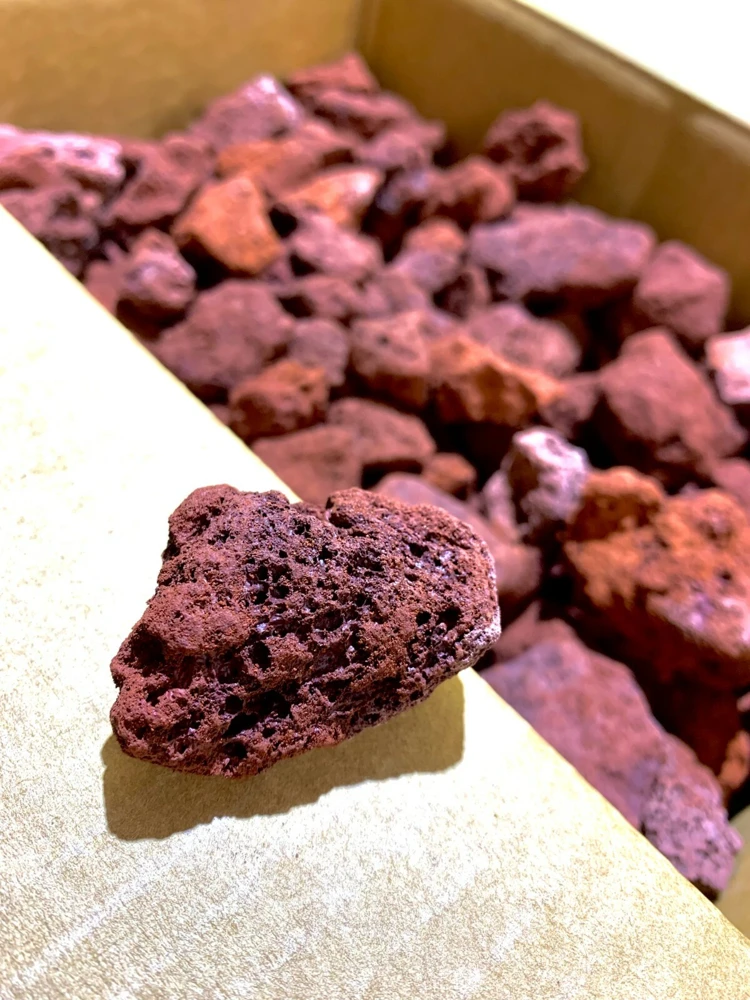
5 lb Volcanic Lava Rock Bio Filter Media – Aquarium, Fire Pit & Grill – Natural Genuine Stone



Aquatic Plants
3 Cholla Wood Tunnel Tubes for Aquarium Shrimp Tanks & Decor

You May Like

Hardneck vs. Softneck Garlic: Which Should You Grow?
Have you ever stood in front of a seed catalog in mid-September, staring at dozens [...]
Oct

When to Plant Music Garlic: Ultimate US Fall Guide
Have you ever spent your fall weekend placing carefully chosen garlic cloves into rich, dark [...]
1 Comment
Oct

5 Best Bulbs for Fall Planting: Brighten Your Garden This Spring
Are you dreaming of a garden full of vibrant colors in the spring? The key [...]
Aug

10 Houseplants That Will Thrive in Your Kitchen
Are you tired of your kitchen feeling dull and lifeless? Want to add a little [...]
1 Comment
Aug
Reviews
There are no reviews yet.