
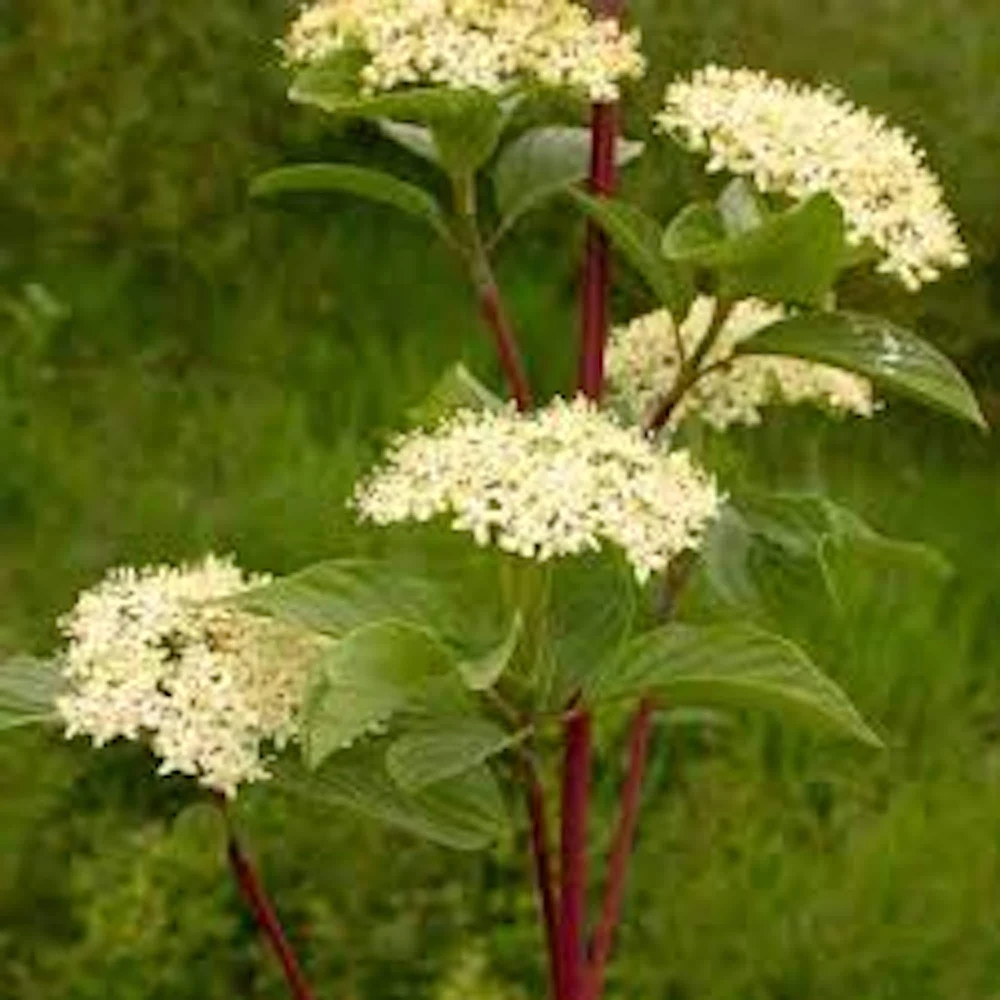
Red Twig Dogwood Shrub – Live Plant – 12-24in Tall – Quart Pot – Cornus sericea
Original price was: 74.99 $.49.99 $Current price is: 49.99 $.
Add year-round interest to your garden with the red twig dogwood shrub. This 12-24 inch tall live plant, Cornus sericea, features vibrant red stems that stand out, especially in winter. A hardy and low-maintenance choice for any landscape.
Estimated arrival
Oct 16
Oct 21 - Oct 23
Oct 23 - Oct 28
See our Shipping Policy.
Get in touch with us via email, and our team will review your concerns.
Our Alive & Thrive Guarantee covers issues with your plants within the first 30 days. Read our Refund & Returns Policy.
-
USDA Hardiness Zone
USDA zones 3-8 -
Soil Type
Moist, well-draining soil -
Sunlight Exposure
Full sun to partial shade -
Expected Planting Period
Spring to Fall
Overview
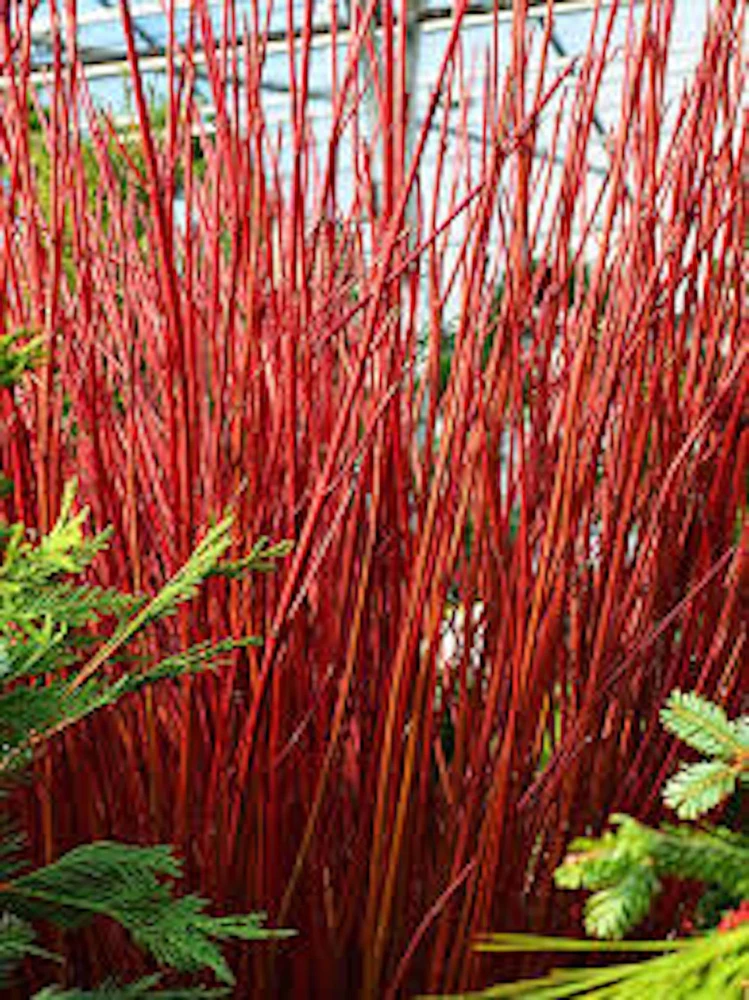
Introduce a splash of vibrant color and year-round appeal to your garden with the stunning red twig dogwood shrub. This deciduous shrub, scientifically known as Cornus sericea, is celebrated for its brilliant red stems that provide exceptional visual interest, particularly during the dormant winter months when most other plants have faded. Also commonly referred to as redtwig dogwood plant, it’s a favorite among garden enthusiasts and landscape designers alike due to its striking appearance and robust nature. This live plant offers a dynamic presence, transforming from lush green foliage in spring and summer to fiery red branches as temperatures drop, making it an indispensable element for four-season landscaping.
The red twig dogwood shrub is not only beautiful but also incredibly resilient. Its ability to thrive in a variety of conditions and its low-maintenance requirements make it an excellent choice for both experienced gardeners and those new to horticulture. Whether you’re aiming to create a focal point, add a natural border, or enhance winter garden aesthetics, this plant delivers consistent performance and beauty. It’s a versatile addition that promises to elevate the curb appeal and natural charm of any outdoor space, providing a dramatic backdrop or a standalone statement.
Key Benefits
The red twig dogwood shrub offers a multitude of benefits that extend beyond its aesthetic appeal, making it a valuable addition to any garden or landscape design:
- Year-Round Visual Interest: The most distinctive feature is its brilliant red stems, which become particularly vibrant in winter. This provides much-needed color and structure when other plants are dormant, ensuring your garden remains engaging throughout all seasons.
- Low Maintenance: This hardy shrub requires minimal attention once established. It tolerates a range of soil conditions and can withstand various environmental stressors, making it an easy-care option for busy gardeners.
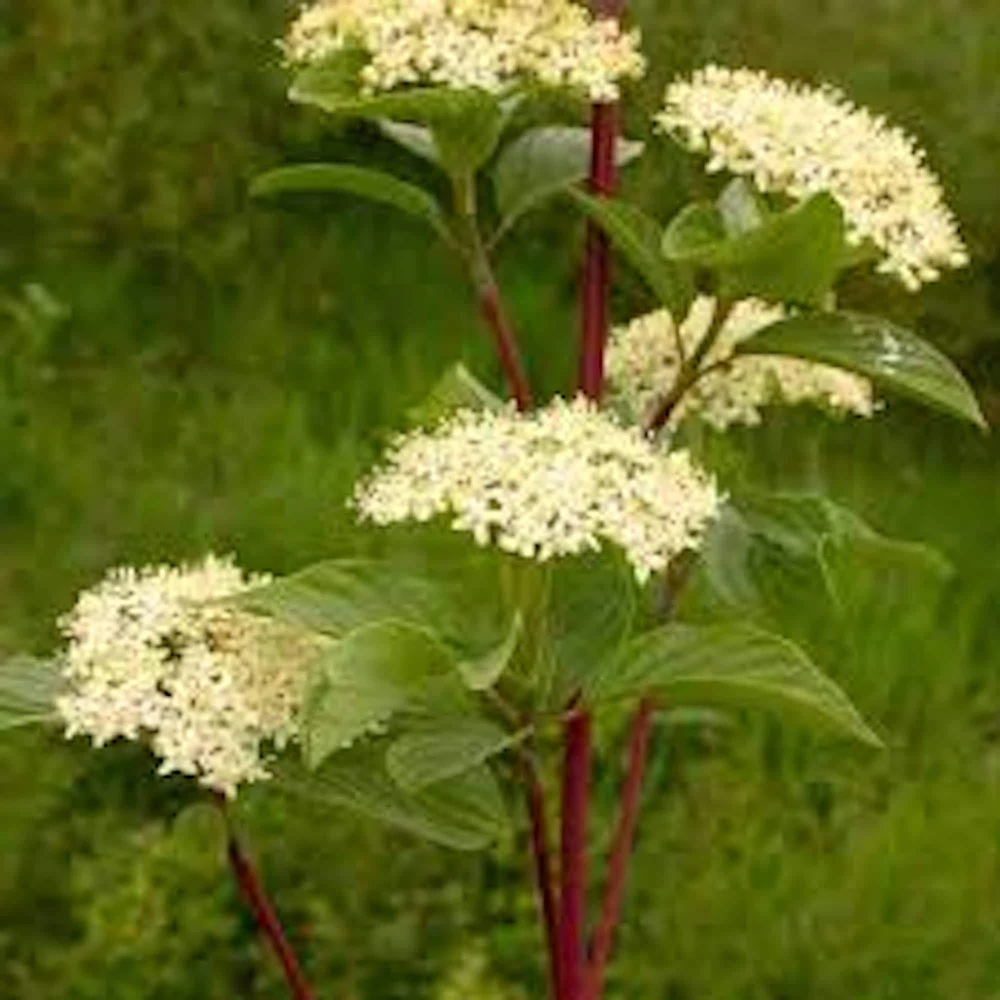
- Wildlife Attraction: The berries produced by the cornus sericea plant are a food source for birds, and its dense growth provides shelter, contributing to a healthy local ecosystem.
- Erosion Control: Its extensive root system makes it an excellent choice for planting on slopes or in areas prone to erosion, helping to stabilize the soil effectively.
- Versatile Landscaping Use: Ideal for mass plantings, hedges, naturalized areas, or as a striking specimen plant. Its adaptability allows it to fit into various garden styles, from formal to wild.
- Hardy and Resilient: Known for its robust nature, this shrub is highly resistant to many common pests and diseases, ensuring a long and healthy life in your garden.
- Dramatic Winter Color: The intense red stems truly shine against a snowy backdrop, offering a spectacular display that few other plants can match. This makes the hardy dogwood an invaluable asset for winter garden design.
Plant Care & Growing Tips
Caring for your red twig dogwood shrub is straightforward, thanks to its adaptable and hardy nature. This plant thrives in a variety of conditions, but optimal care will ensure the most vibrant stem color and robust growth. For best results, plant your dogwood in a location that receives full sun to partial shade. While it can tolerate some shade, more sunlight generally leads to more intense red stem coloration. Aim for at least 4-6 hours of direct sunlight daily. The plant is quite flexible regarding soil type, but it prefers moist, well-draining soil. It can even tolerate wet conditions, making it suitable for rain gardens or areas with poor drainage. Regular watering is crucial, especially during dry spells and in its first year of establishment, to ensure the soil remains consistently moist but not waterlogged.
The redtwig dogwood care routine also includes occasional pruning to encourage the growth of new, brightly colored stems. The youngest stems exhibit the most vibrant red, so it’s recommended to prune about one-third of the oldest stems down to the ground each late winter or early spring. This promotes vigorous new growth from the base. Fertilization is typically not essential for this robust shrub, especially if planted in rich soil. However, if your soil is poor, a balanced, slow-release fertilizer applied in early spring can give it a boost. The hardy dogwood is resilient across USDA zones 3 through 8, capable of withstanding cold winters and moderate summers. Protect young plants from extreme winter winds in colder zones. Watch for common pests like leaf spot or canker, though these are usually not severe for a healthy plant. Proper air circulation and avoiding overhead watering can help prevent fungal issues.
Size & Details
Each red twig dogwood shrub is a live plant, typically measuring 12-24 inches tall upon arrival, shipped in a quart pot. This size provides a robust start for establishing the plant in your garden. This deciduous shrub is known for its moderate to fast growth rate, quickly reaching its mature size. When fully grown, the cornus sericea plant can achieve a height of 6 to 9 feet and a similar spread, forming a dense, multi-stemmed bush. Its mature size makes it an excellent choice for creating natural screens, borders, or as a standalone specimen in your landscape. The plant’s growth habit is upright and spreading, with new shoots continually emerging from the base.
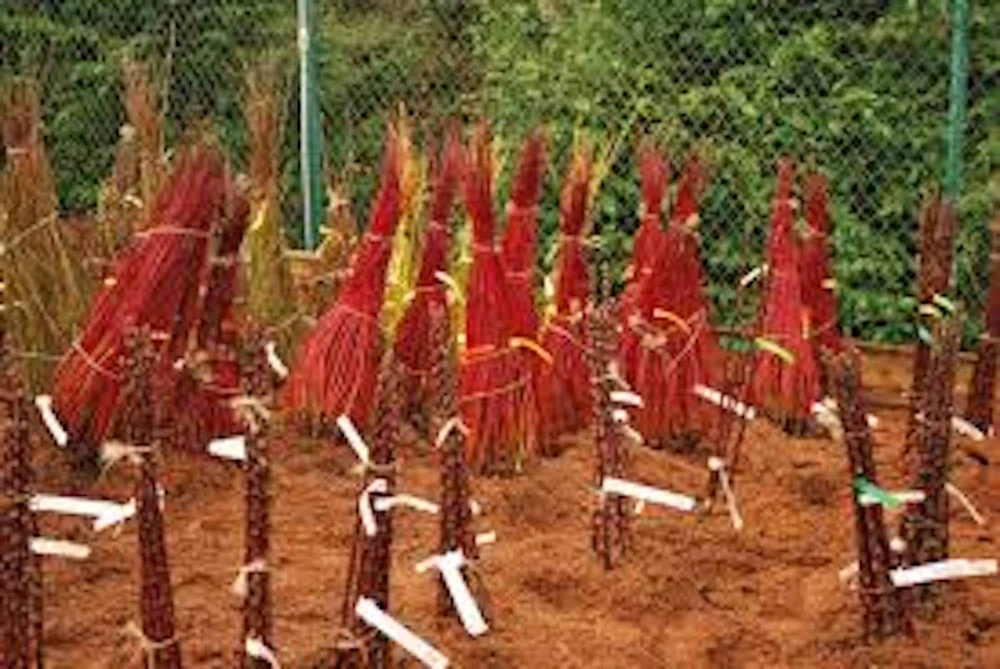
During the dormant season (fall and winter), the shrub may ship bare root until warmer weather arrives, ensuring safe transport and successful planting. During the growing season, it will ship in its quart pot with established root systems. The vibrant red stems are most prominent in winter, offering a stunning contrast against snow or evergreen foliage. This plant is hardy in USDA zones 3 through 8, making it suitable for a wide range of climates across the United States. Its adaptability to various conditions, coupled with its striking appearance, ensures it will be a dynamic and enduring feature in your garden for many years.
Frequently Asked Questions
- Q: How big does the red twig dogwood shrub get? A: The red twig dogwood shrub typically grows to a mature height of 6 to 9 feet and can spread similarly wide. Its size makes it suitable for creating a substantial visual impact or a natural border in your garden.
- Q: Is this an indoor or outdoor plant? A: The red twig dogwood shrub is an outdoor plant, highly valued for its landscape use. It thrives in garden settings and is not suited for long-term indoor cultivation.
- Q: How much sunlight does the cornus sericea plant need? A: This shrub prefers full sun to partial shade. For the most vibrant red stem color, aim to provide at least 4-6 hours of direct sunlight per day.
- Q: What condition will the plant arrive in? A: During the fall and winter, this shrub ships bare root. In the growing season, it will arrive as a live plant in a quart pot, ready for planting.
- Q: Is this plant easy to care for? A: Yes, the redtwig dogwood care is considered low-maintenance. It’s a hardy plant that tolerates various conditions and requires minimal attention once established, making it great for beginners.
- Q: When is the best time to plant a red twig dogwood shrub? A: The best time to plant is in spring or fall when temperatures are moderate. This allows the plant to establish its root system before extreme weather conditions.
- Q: Will the hardy dogwood survive winter in my zone? A: Yes, the hardy dogwood is robust and thrives in USDA zones 3 through 8, meaning it is well-suited to tolerate cold winters in a wide range of climates.
- Q: What kind of soil does the red twig dogwood shrub prefer? A: It prefers moist, well-draining soil but is quite adaptable. It can even tolerate wet conditions, making it a good choice for areas with higher moisture.
- Q: How often should I water my cornus sericea plant? A: Keep the soil consistently moist, especially during its first year and dry periods. Avoid letting the soil dry out completely, but also ensure good drainage to prevent waterlogging.
- Q: What is the main benefit of planting a red twig dogwood shrub? A: Its most significant benefit is the striking, vibrant red stems that provide exceptional winter interest, adding much-needed color to the landscape when other plants are dormant.
Be the first to review “Red Twig Dogwood Shrub – Live Plant – 12-24in Tall – Quart Pot – Cornus sericea”
Related products


You May Like

Hardneck vs. Softneck Garlic: Which Should You Grow?
Have you ever stood in front of a seed catalog in mid-September, staring at dozens [...]
Oct

When to Plant Music Garlic: Ultimate US Fall Guide
Have you ever spent your fall weekend placing carefully chosen garlic cloves into rich, dark [...]
1 Comment
Oct

5 Best Bulbs for Fall Planting: Brighten Your Garden This Spring
Are you dreaming of a garden full of vibrant colors in the spring? The key [...]
Aug

10 Houseplants That Will Thrive in Your Kitchen
Are you tired of your kitchen feeling dull and lifeless? Want to add a little [...]
1 Comment
Aug
Reviews
There are no reviews yet.