
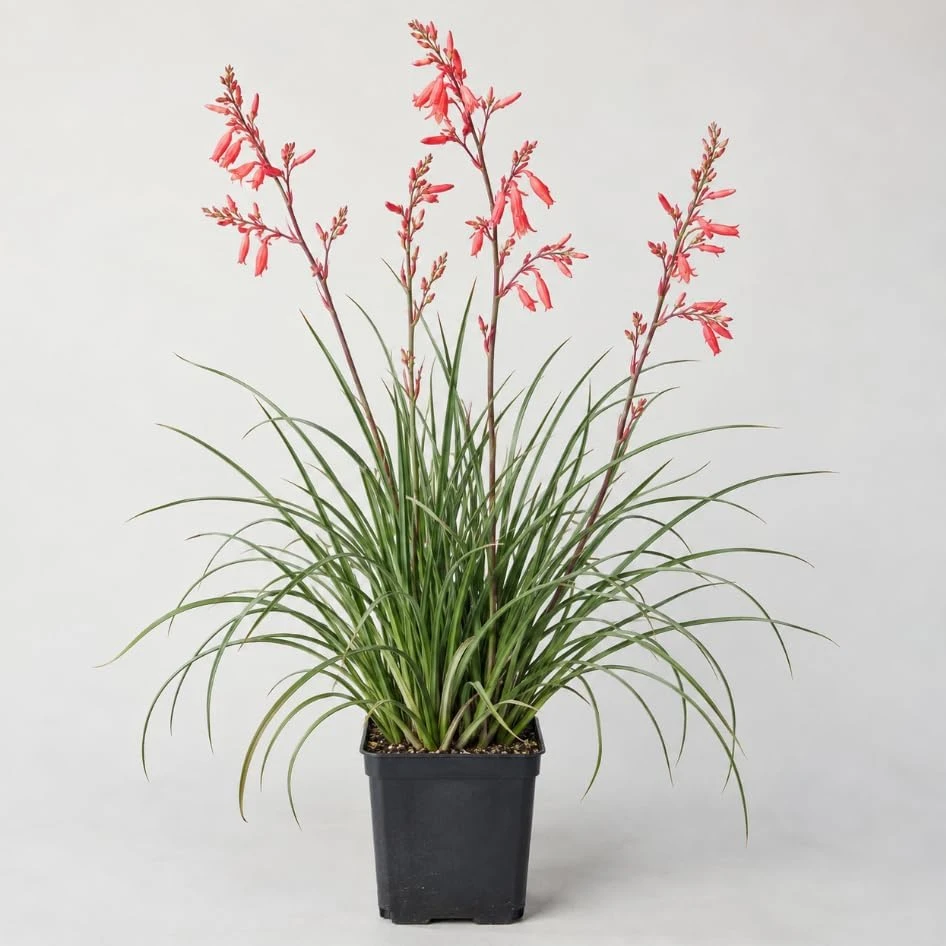
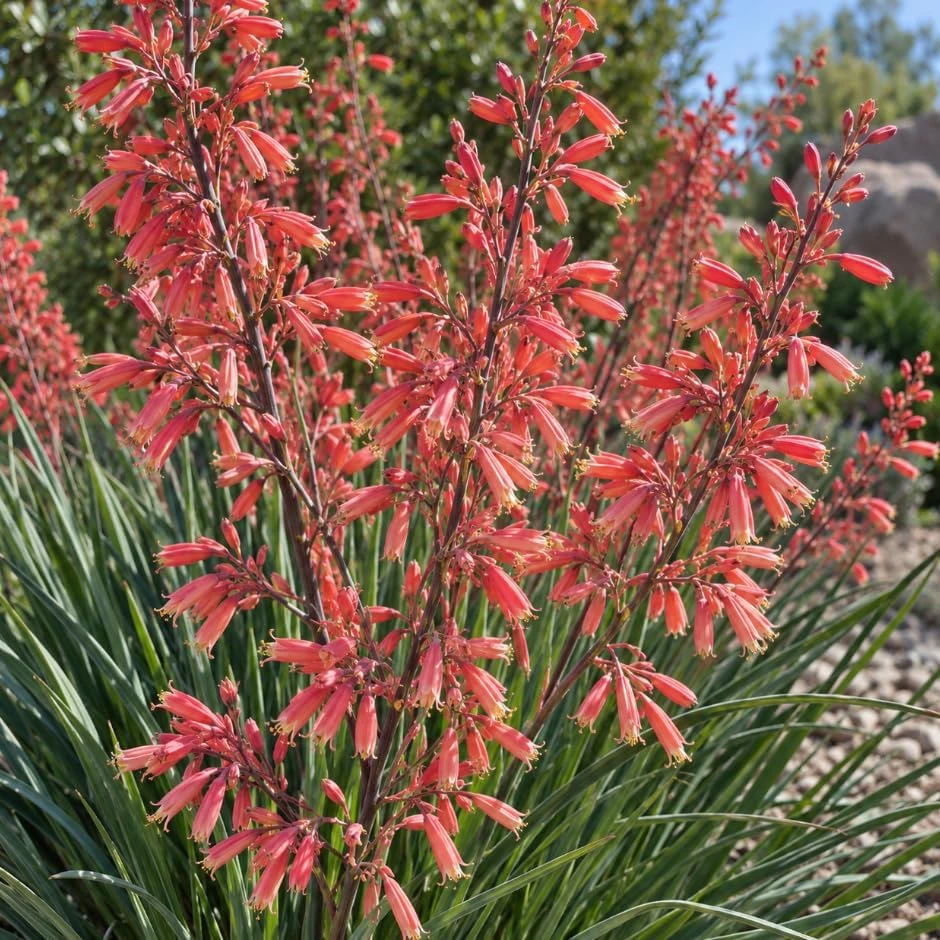
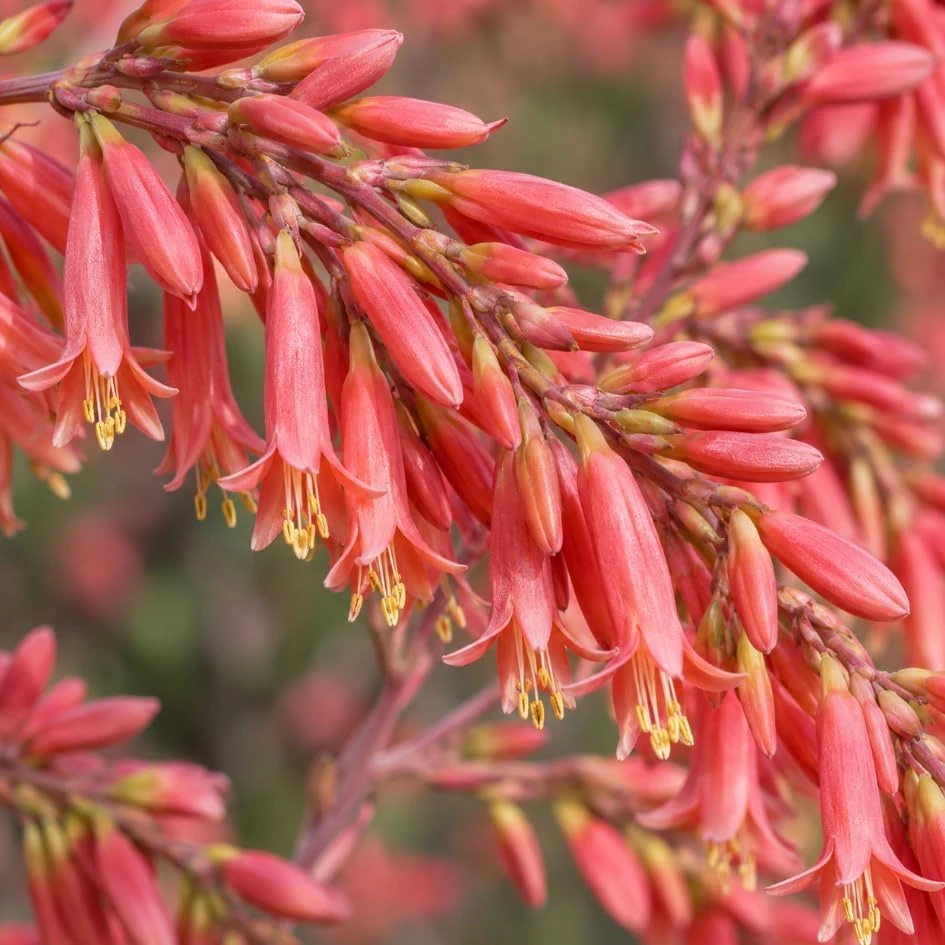
Red Yucca Live Plant – Coral Yucca Hummingbird Plant – 4″ Pot – Outdoor
15.99 $
Bring vibrant color and texture to your landscape with a red yucca live plant. Also known as coral yucca plant or hummingbird plant, this drought-tolerant perennial is perfect for xeriscaping and attracting pollinators. Arrives in a 4-inch pot, ready for planting outdoors.
Estimated arrival
Oct 19
Oct 24 - Oct 26
Oct 26 - Oct 31
See our Shipping Policy.
Get in touch with us via email, and our team will review your concerns.
Our Alive & Thrive Guarantee covers issues with your plants within the first 30 days. Read our Refund & Returns Policy.
-
USDA Hardiness Zone
USDA Zones 6-11 -
Soil Type
Well-draining soil -
Sunlight Exposure
Full sun -
Expected Planting Period
Spring to early fall
Overview
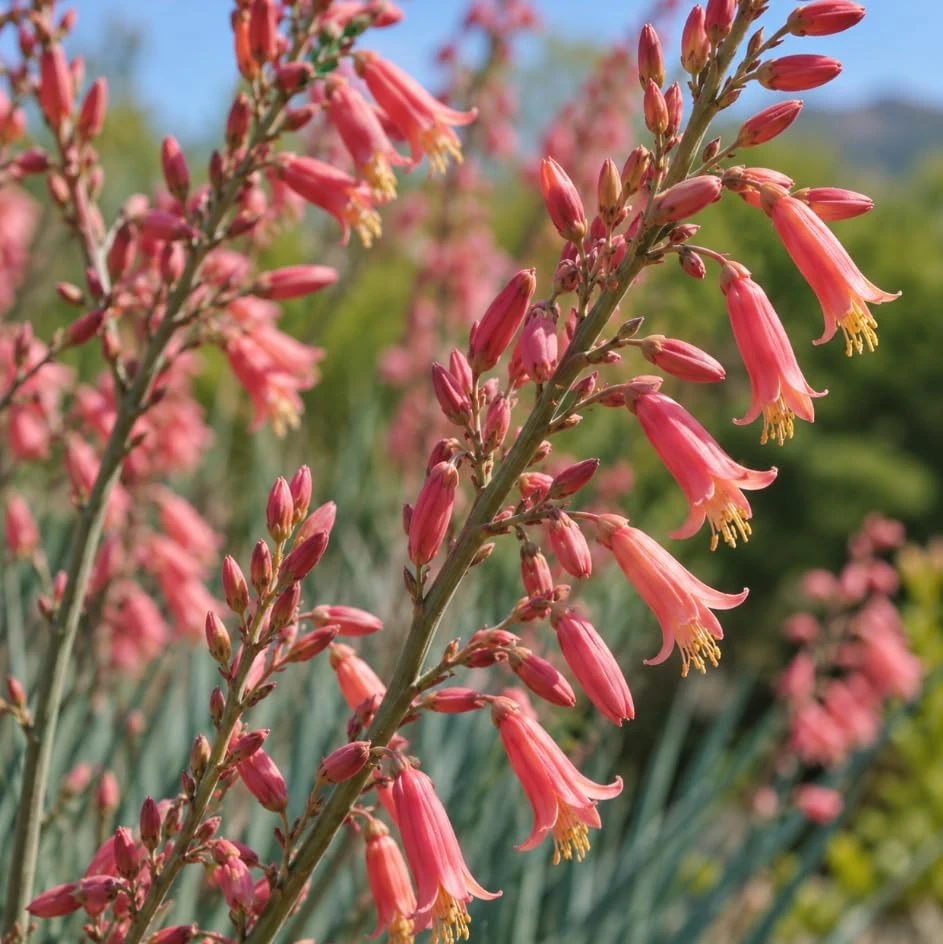
Introduce a touch of desert beauty and vibrant color to your garden with the red yucca live plant. Scientifically known as Hesperaloe parviflora, this stunning succulent-like perennial is also commonly referred to as coral yucca plant or hummingbird plant due to its striking red-orange flower spikes that are a favorite nectar source for hummingbirds. Originating from the Chihuahuan Desert, the red yucca live plant is celebrated for its exceptional drought tolerance, low maintenance requirements, and year-round visual appeal. It forms attractive clumps of grass-like, blue-green foliage, providing a unique architectural element to any outdoor space. Each plant is carefully cultivated and shipped in a 4-inch pot, ensuring it arrives healthy and ready for successful transplanting into your chosen garden spot or larger container. This resilient plant offers an enduring display of beauty with minimal effort.
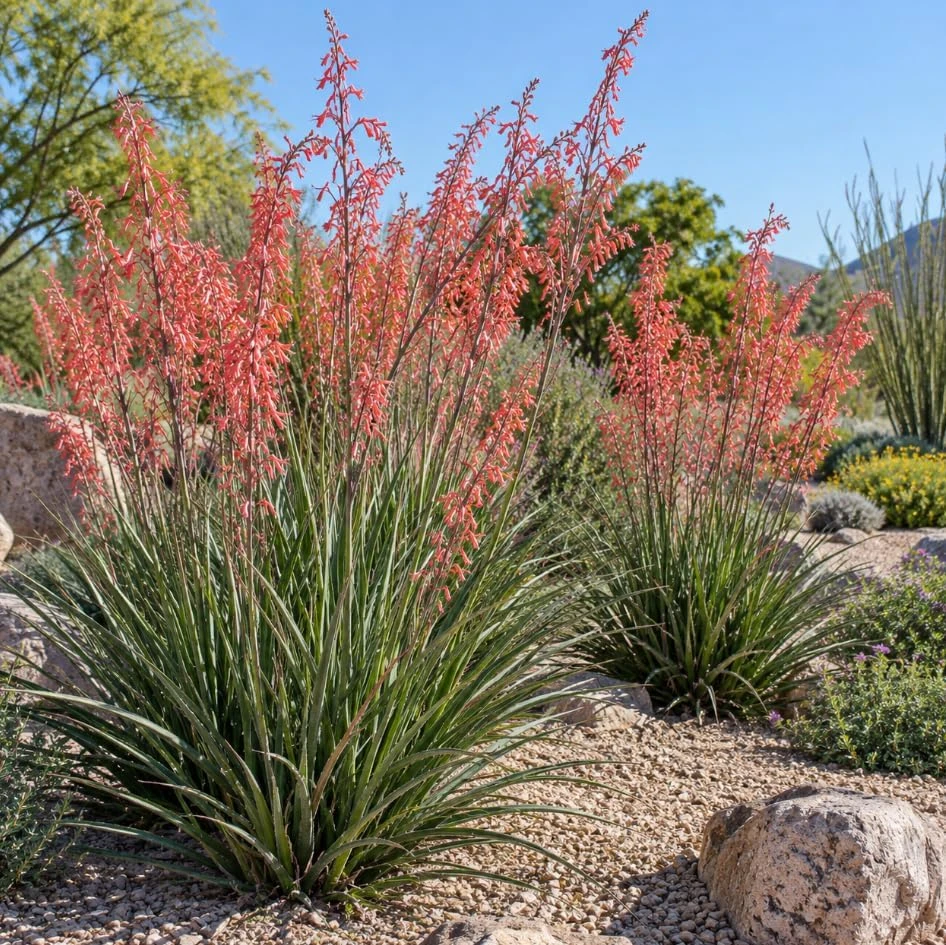
Whether you’re creating a xeriscape, rock garden, or simply looking for a robust and beautiful addition to your borders, the red yucca live plant is an excellent choice. Its ability to thrive in harsh conditions makes it ideal for gardeners seeking sustainable and water-wise landscaping solutions. Enjoy the dynamic beauty and ecological benefits this remarkable hesperaloe parviflora brings to your home.
Key Benefits
The red yucca live plant offers a multitude of advantages that make it a standout choice for various garden designs. Its hardiness and aesthetic appeal contribute to a thriving and attractive outdoor environment. Here are some of the primary benefits:
- Exceptional Drought Tolerance: Once established, the red yucca live plant requires very little water, making it perfect for water-wise gardening and xeriscaping. This significantly reduces your water bill and environmental footprint.
- Attracts Pollinators: The tall, showy flower stalks of this hummingbird plant are irresistible to hummingbirds, butterflies, and other beneficial pollinators, bringing life and movement to your garden.
- Low Maintenance: This plant thrives on neglect. It requires minimal pruning, fertilizing, or special care, making it an ideal choice for busy gardeners or those new to gardening.
- Year-Round Interest: With its evergreen, grass-like foliage, the coral yucca plant provides consistent texture and color to your landscape throughout all seasons, even when not in bloom.
- Versatile Landscaping Use: Suitable for a variety of applications including rock gardens, borders, mass plantings, containers, and even as a striking specimen plant. Its adaptability is a key feature.
- Pest and Disease Resistant: Red Yucca is naturally resistant to most common garden pests and diseases, ensuring a healthier plant with fewer interventions needed.
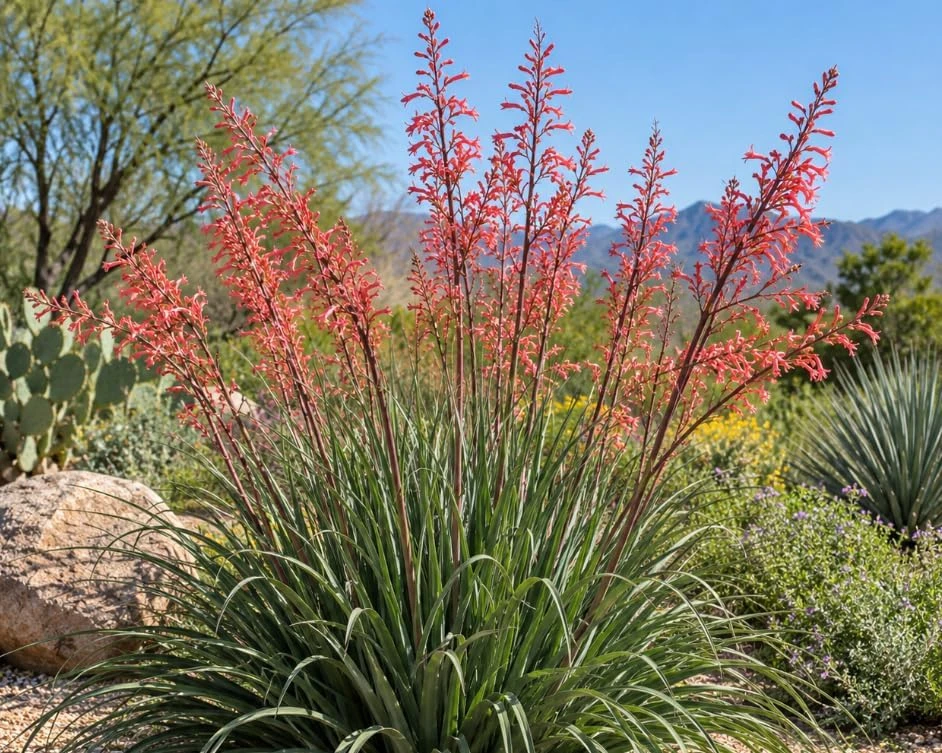
- Architectural Appeal: The distinctive form of the hesperaloe parviflora adds a unique, modern, and sculptural element to garden designs, enhancing curb appeal.
Plant Care & Growing Tips
Caring for your red yucca live plant is remarkably straightforward, thanks to its resilient nature. To ensure optimal growth and abundant blooms, understanding its basic needs is key. This plant thrives in conditions that mimic its native desert environment, prioritizing sunlight and well-drained soil.
For sunlight, the red yucca live plant absolutely loves full sun. Aim to provide at least 6-8 hours of direct sunlight per day. While it can tolerate some partial shade, especially in extremely hot climates, too much shade will result in fewer flowers and leggy growth. Ensure your chosen planting site receives ample sun exposure throughout the day. When it comes to watering, less is more for this drought tolerant plant. After establishment, water sparingly, allowing the soil to dry out completely between waterings. Overwatering is the most common cause of issues for Red Yucca, leading to root rot. During prolonged dry spells or extreme heat, you may water once every two to four weeks. In winter, reduce watering even further.
The ideal soil type for hesperaloe parviflora is well-draining soil. It prefers sandy or gravely loams and cannot tolerate heavy clay soils that retain too much moisture. If your garden soil is heavy, amend it with sand, gravel, or organic matter to improve drainage. Good drainage is crucial for preventing root problems. The Red Yucca is incredibly cold hardy for a desert plant, typically thriving in USDA zones 6-11. It can withstand temperatures down to 0°F (-18°C) once established. Fertilization is rarely needed; this tough plant gets most of what it needs from the soil. If you wish to fertilize, a light application of a balanced, slow-release granular fertilizer in early spring can encourage more vigorous growth, but avoid over-fertilizing. Common problems are few, but watch out for scale insects or mealybugs in overly humid conditions, though they are rare. Ensure good air circulation and proper watering to keep your coral yucca plant healthy.
Size & Details
Your red yucca live plant will arrive established in a 4-inch nursery pot, ready for transplanting. While the plant you receive will be smaller than a mature specimen, it is healthy and poised for growth. The typical mature size of Hesperaloe parviflora ranges from 2 to 3 feet tall and 3 to 4 feet wide, forming a dense clump of foliage. The impressive flower stalks can reach up to 5 feet in height, emerging in late spring through summer, continuing into fall in warmer climates. This perennial has a moderate growth rate, establishing itself well within the first year and gradually expanding its clump size and increasing its bloom production annually. It is shipped as a rooted, actively growing plant, ensuring a strong start in your garden. The actual size and appearance of the plant may vary slightly depending on the season and specific growing conditions, but it will always be a vibrant and healthy drought tolerant plant.
Frequently Asked Questions
- Q: How big does this red yucca live plant get? A: A mature red yucca live plant typically reaches 2 to 3 feet in height and 3 to 4 feet in width, with flower stalks extending up to 5 feet tall. The plant you receive will be smaller, but will grow to this size over time.
- Q: What size pot does it come in? A: Each coral yucca plant arrives in a standard 4-inch nursery pot, providing ample root space for initial growth and safe transport.
- Q: Is this an indoor or outdoor plant? A: The red yucca live plant is primarily an outdoor plant, highly suited for landscaping in full sun. While it can be grown in containers, it thrives best when planted in the ground outdoors.
- Q: How much sunlight does the hummingbird plant need? A: This plant requires at least 6-8 hours of direct full sun daily to thrive and produce its best blooms. Less sun will result in fewer flowers.
- Q: Is this plant easy to care for? A: Yes, the red yucca live plant is exceptionally easy to care for. It’s known for being a very low-maintenance, drought tolerant plant, ideal for beginners and experienced gardeners alike.
- Q: What condition will it arrive in? A: Your hesperaloe parviflora will arrive as an established, healthy live plant in its 4-inch pot, carefully packaged to ensure safe transit and ready for planting.
- Q: Can this plant attract hummingbirds? A: Absolutely! The tall, vibrant flower spikes of the Red Yucca are a powerful magnet for hummingbirds, making it an excellent choice if you wish to attract these delightful birds.
- Q: When is the best time to plant Red Yucca? A: The best time to plant a red yucca live plant is in spring or early fall, allowing it to establish its root system before extreme summer heat or winter cold.
- Q: Will it survive winter in my zone? A: Red Yucca is cold hardy to USDA Zones 6-11, tolerating temperatures down to 0°F (-18°C) once established. If you are in a colder zone, consider growing it in a container that can be moved indoors during winter.
- Q: What kind of soil does coral yucca plant prefer? A: It prefers well-draining soil, such as sandy or gravelly loam. Avoid heavy clay soils that retain too much moisture, as this can lead to root rot.
Be the first to review “Red Yucca Live Plant – Coral Yucca Hummingbird Plant – 4″ Pot – Outdoor”
Related products


Grasses
Carex Oshimensis Everest Live Plant – 1 Gallon Japanese Sedge Grass – Outdoor Ornamental Grass


You May Like

Hardneck vs. Softneck Garlic: Which Should You Grow?
Have you ever stood in front of a seed catalog in mid-September, staring at dozens [...]
Oct

When to Plant Music Garlic: Ultimate US Fall Guide
Have you ever spent your fall weekend placing carefully chosen garlic cloves into rich, dark [...]
1 Comment
Oct

5 Best Bulbs for Fall Planting: Brighten Your Garden This Spring
Are you dreaming of a garden full of vibrant colors in the spring? The key [...]
Aug

10 Houseplants That Will Thrive in Your Kitchen
Are you tired of your kitchen feeling dull and lifeless? Want to add a little [...]
1 Comment
Aug
Reviews
There are no reviews yet.