
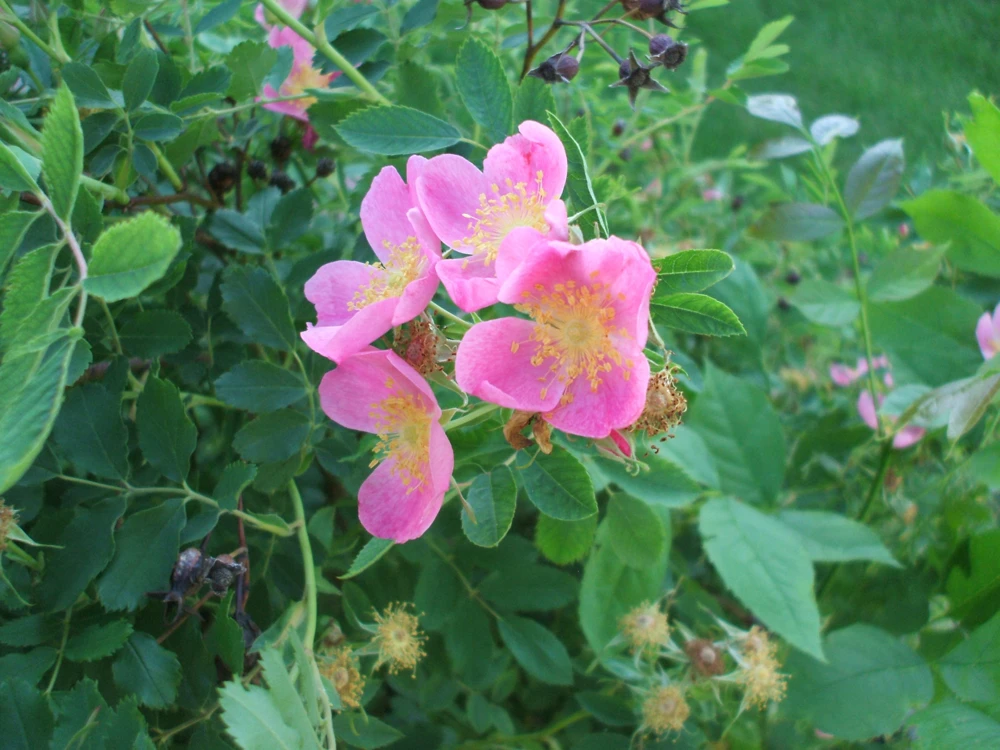
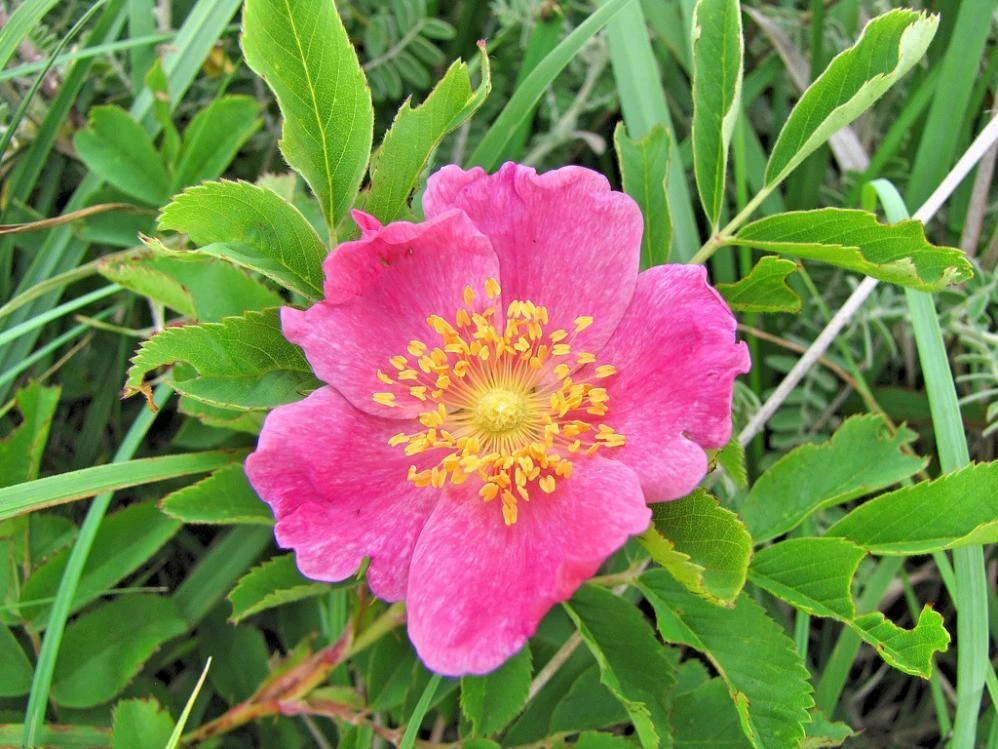
Rosa arkansana Prairie Wild Rose Seeds – 15 Seeds – Perennial Flower
Original price was: 49.99 $.24.99 $Current price is: 24.99 $.
Cultivate the natural beauty of the American plains with Prairie Wild Rose seeds. Each pack contains 15 seeds of Rosa arkansana, a hardy perennial known for its charming pink flowers and resilience. Ideal for naturalizing, wildlife gardens, and creating stunning, low-maintenance landscapes.
Estimated arrival
Oct 16
Oct 21 - Oct 23
Oct 23 - Oct 28
See our Shipping Policy.
Get in touch with us via email, and our team will review your concerns.
Our Alive & Thrive Guarantee covers issues with your plants within the first 30 days. Read our Refund & Returns Policy.
-
USDA Hardiness Zone
USDA Zones 3-8 -
Soil Type
Well-draining soil, adaptable to average to poor soils -
Sunlight Exposure
Full sun to partial shade -
Expected Planting Period
Early spring after cold stratification
Overview
Bring the untamed elegance of the prairie to your garden with these Prairie Wild Rose seeds. Each packet contains 15 seeds of Rosa arkansana, a robust and beautiful native perennial. Also known as the Arkansas Rose, this species is celebrated for its delicate, fragrant pink blossoms and its ability to thrive in various conditions. Unlike many cultivated roses, the Prairie Wild Rose offers a natural, unpretentious beauty, making it a perfect choice for gardeners looking to create a sustainable and wildlife-friendly landscape. These seeds allow you to cultivate a piece of American botanical heritage, contributing to biodiversity and enjoying charming blooms year after year.
The Rosa arkansana is a true testament to nature’s resilience and beauty. Originating from the central plains of North America, it has adapted to diverse climates, making it a surprisingly versatile addition to many garden types. Whether you’re aiming for a wild meadow aesthetic, a native plant garden, or simply wish to add a touch of rustic charm, these perennial flower seeds are an excellent starting point. Growing from seed provides the satisfaction of nurturing a plant from its very beginning, ensuring a robust and well-adapted specimen for your outdoor space. Embrace the simple elegance and ecological benefits of this remarkable native rose.
Key Benefits
Planting Prairie Wild Rose seeds offers numerous advantages, transforming your garden into a haven of natural beauty and ecological balance. These seeds provide an opportunity to cultivate a plant that is both visually appealing and beneficial to the environment.
- Ecological Value:Rosa arkansana is a native species that supports local ecosystems by providing food and habitat for pollinators, birds, and other wildlife. Its hips are a valuable winter food source for birds.
- Low Maintenance: Once established, the Prairie Wild Rose is incredibly hardy and requires minimal care. It is drought-tolerant and resistant to many common rose diseases, making it perfect for busy gardeners.
- Charming Blooms: Enjoy a profusion of delicate, single, five-petaled pink flowers throughout the summer. These blossoms emit a subtle, sweet fragrance that enhances any garden space.
- Naturalizing Ability: This rose spreads gently by rhizomes, making it excellent for naturalizing areas, stabilizing slopes, or creating an informal hedge. It creates a beautiful, wild aesthetic.
- Hardiness: Adapted to a wide range of climates, the Prairie Wild Rose is exceptionally cold-hardy and can withstand challenging environmental conditions, ensuring its longevity in your garden.
- Seasonal Interest: Beyond its summer flowers, the plant produces attractive red rose hips in the fall and winter, adding visual interest and providing a food source for wildlife long after the blooms fade.
- Sustainable Gardening: By choosing native rose seeds, you contribute to sustainable gardening practices, promoting biodiversity and reducing the need for intensive care or chemical treatments.
Plant Care & Growing Tips
Growing Prairie Wild Rose seeds, or Rosa arkansana seeds, requires a bit of patience, but the rewards are well worth the effort. These perennial flower seeds benefit from specific conditions to ensure successful germination and robust growth. Start by cold stratifying your seeds for 60-90 days before planting. This mimics the natural winter conditions the seeds would experience outdoors, breaking their dormancy. You can do this by placing the seeds in a moist medium (like sand or peat moss) in a sealed bag in your refrigerator.
Once stratified, sow the seeds in early spring, either directly outdoors after the last frost or indoors in seed trays. Plant them about 1/4 inch deep in well-draining soil. Prairie Wild Rose thrives in full sun, meaning at least 6 hours of direct sunlight per day, but it can tolerate partial shade, though flowering may be less prolific. Ensure the soil is consistently moist during germination, but avoid waterlogging. Once seedlings emerge, thin them to provide adequate spacing for healthy development.
For established plants, provide regular watering during dry spells, especially in their first year. While the Prairie Wild Rose is drought-tolerant, consistent moisture promotes better growth and flowering. It prefers average to poor soils and does not require rich soil or heavy fertilization. A light application of compost in spring is usually sufficient. Prune in late winter or early spring to remove dead or weak canes and to maintain shape. This hardy rose is generally resistant to pests and diseases, making it a low-fuss addition to your garden. Understanding how to grow wild rose successfully ensures a vibrant display year after year.
Size & Details
This product includes 15 seeds of the Prairie Wild Rose (Rosa arkansana), ready for you to cultivate. When mature, the Prairie Wild Rose typically grows to a height of 2 to 4 feet (60-120 cm) and can spread similarly, forming attractive, dense clumps. Its growth rate is moderate, establishing well within its first few years and expanding gracefully thereafter. The plant produces delicate pink flowers, usually 1 to 2 inches (2.5-5 cm) in diameter, which are followed by bright red rose hips in late summer and fall.
These native rose seeds are shipped as dry, unstratified seeds, requiring you to undertake the cold stratification process before planting for optimal germination. Expect blooms to appear from late spring through summer, with the most prolific flowering occurring in early to mid-summer. The plant forms a sturdy, shrub-like perennial structure, making it an excellent choice for borders, naturalized areas, or as a component in a wildlife garden. The robust nature of Rosa arkansana seeds ensures a strong foundation for a thriving, beautiful plant.
Frequently Asked Questions
- Q: How big does the Prairie Wild Rose get? A: The Prairie Wild Rose typically grows to a height of 2 to 4 feet and can spread similarly, forming a dense, shrub-like perennial. Its size makes it suitable for various garden applications, from borders to naturalized areas.
- Q: Is this an indoor or outdoor plant? A: The Prairie Wild Rose (Rosa arkansana) is an outdoor perennial plant. It is extremely hardy and thrives in full sun to partial shade in garden beds, meadows, or naturalized landscapes.
- Q: How much sunlight does it need? A: For best results and abundant blooms, the Prairie Wild Rose requires at least 6 hours of direct sunlight per day (full sun). It can tolerate partial shade, but flowering may be reduced.
- Q: Is this plant easy to care for? A: Yes, once established, the Prairie Wild Rose is very low-maintenance. It is drought-tolerant and generally resistant to pests and diseases, making it an excellent choice for beginner gardeners or those seeking a fuss-free plant.
- Q: What condition will the Prairie Wild Rose seeds arrive in? A: The product consists of 15 dry, unstratified Prairie Wild Rose seeds. You will need to perform cold stratification before planting to encourage germination.
- Q: How long until it blooms from seed? A: While germination can take several weeks after stratification, Rosa arkansana typically begins to bloom in its second year from seed. Expect established plants to flower profusely each summer.
- Q: Will it survive winter in my zone? A: The Prairie Wild Rose is incredibly cold-hardy, generally thriving in USDA Zones 3-8. It is well-adapted to cold winters and will return each spring as a perennial.
- Q: Are the rose hips edible or beneficial? A: Yes, the rose hips produced by Rosa arkansana are a valuable food source for birds and other wildlife in the fall and winter. They are also rich in Vitamin C and can be used to make teas or jellies, similar to other rose hips.
- Q: What type of soil does it prefer? A: The Prairie Wild Rose is adaptable and thrives in a variety of soils, including average to poor soils, as long as they are well-draining. It does not require particularly rich soil.
- Q: What is the best time to plant Rosa arkansana seeds? A: After cold stratification, the best time to plant Rosa arkansana seeds is in early spring, once the danger of hard frost has passed. This allows the seedlings to establish during the warmer months.
Be the first to review “Rosa arkansana Prairie Wild Rose Seeds – 15 Seeds – Perennial Flower”
Related products


Flower Seeds


You May Like

Hardneck vs. Softneck Garlic: Which Should You Grow?
Have you ever stood in front of a seed catalog in mid-September, staring at dozens [...]
Oct

When to Plant Music Garlic: Ultimate US Fall Guide
Have you ever spent your fall weekend placing carefully chosen garlic cloves into rich, dark [...]
1 Comment
Oct

5 Best Bulbs for Fall Planting: Brighten Your Garden This Spring
Are you dreaming of a garden full of vibrant colors in the spring? The key [...]
Aug

10 Houseplants That Will Thrive in Your Kitchen
Are you tired of your kitchen feeling dull and lifeless? Want to add a little [...]
1 Comment
Aug
Reviews
There are no reviews yet.