
Rudbeckia occidentalis Western Coneflower Seeds – 15 Seed Pack
Original price was: 46.99 $.21.99 $Current price is: 21.99 $.
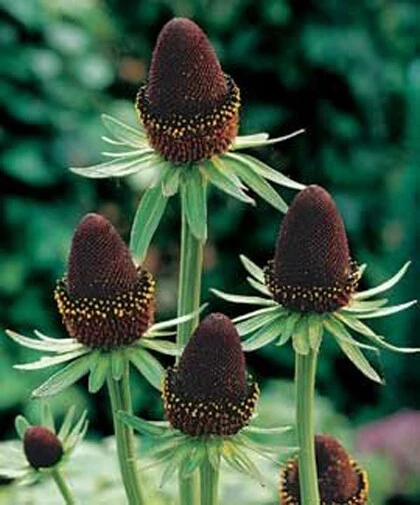
Cultivate the distinctive Rudbeckia occidentalis seeds, also known as Western coneflower seeds. This unique perennial features striking dark brown cones without traditional petals, offering architectural beauty to any garden. Ideal for full sun to partial shade.
Estimated arrival
Oct 15
Oct 20 - Oct 22
Oct 22 - Oct 27
See our Shipping Policy.
Get in touch with us via email, and our team will review your concerns.
Our Alive & Thrive Guarantee covers issues with your plants within the first 30 days. Read our Refund & Returns Policy.
-
USDA Hardiness Zone
USDA zones 4–9 -
Soil Type
Well-draining soil -
Sunlight Exposure
Full sun to partial shade -
Expected Planting Period
Spring
Overview
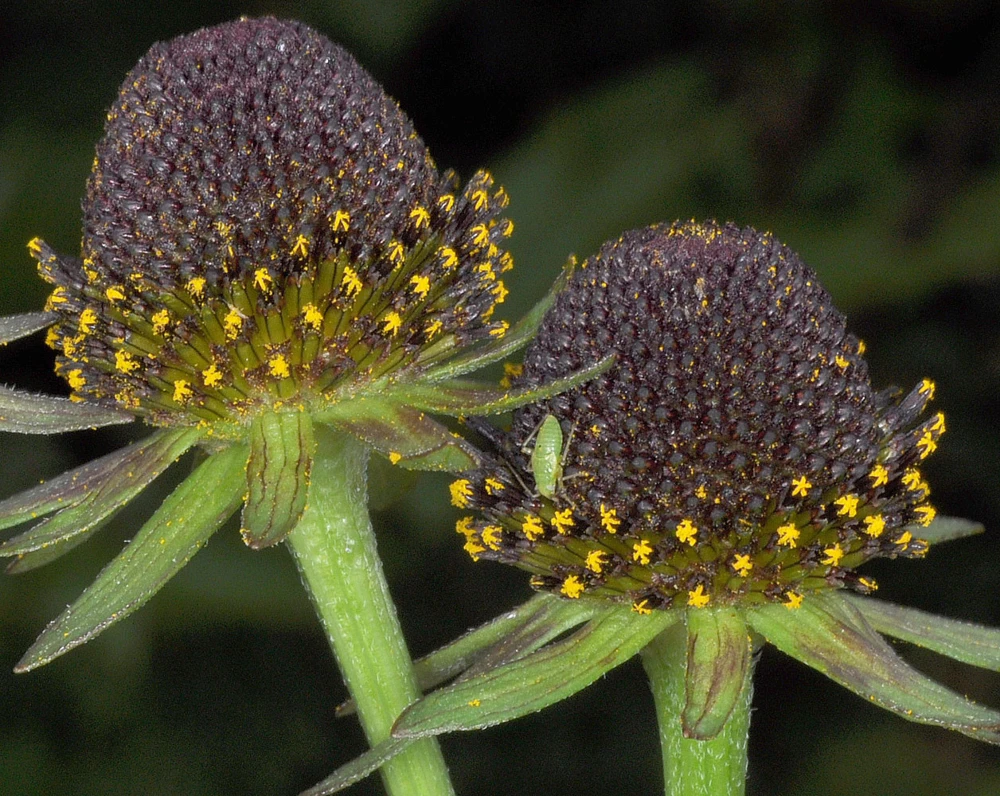
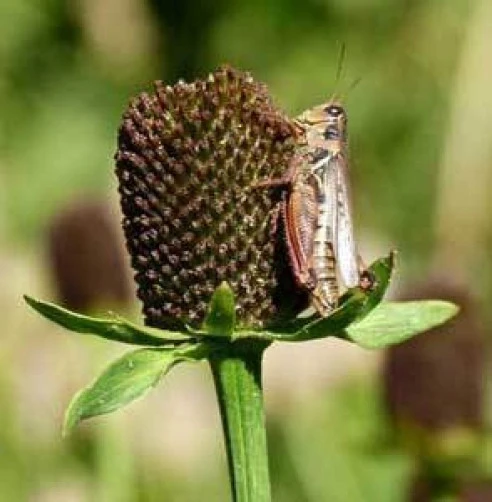
Embark on a captivating gardening journey with our premium Rudbeckia occidentalis seeds. Also known as the Western coneflower seeds, this extraordinary perennial stands out from its more common relatives with its unique appearance. Unlike typical coneflowers, Rudbeckia occidentalis boasts prominent, dark brown to black central cones, often lacking the showy ray petals. This gives it a striking, architectural quality that adds a sophisticated and wild aesthetic to any garden landscape. Native to the western United States, this robust plant thrives in a variety of conditions, making it an excellent choice for gardeners seeking something truly distinctive. These seeds offer the opportunity to grow a resilient and visually intriguing plant that will be a conversation starter in your outdoor space.
Growing Rudbeckia occidentalis seeds allows you to introduce a touch of untamed beauty to your borders, meadows, or naturalized areas. The plants are known for their strong, upright stems and deep green foliage, providing an excellent backdrop for the dramatic cones. They are a favorite among pollinators, particularly bees, who are attracted to the rich nectar within the cones. If you’re looking for a low-maintenance yet high-impact addition to your perennial garden, these seeds are an ideal starting point for cultivating a truly unique and ecologically beneficial plant.
Key Benefits
The Rudbeckia occidentalis seeds offer a multitude of benefits for both the gardener and the environment. Growing this unique coneflower brings a distinctive charm and ecological value to your outdoor spaces:
- Unique Ornamental Appeal: Unlike traditional coneflowers, Western coneflower seeds produce plants with striking dark central cones and often no petals, providing an architectural and modern aesthetic that stands out in any garden design.
- Pollinator Magnet: The rich nectar within the prominent cones attracts a variety of beneficial insects, including bees and butterflies, contributing to the biodiversity and health of your garden ecosystem.
- Low Maintenance & Drought Tolerant: Once established, Rudbeckia occidentalis is remarkably resilient, requiring minimal care and demonstrating excellent drought tolerance, making it perfect for busy gardeners or xeriscaping.
- Excellent Cut Flower/Foliage: The strong stems and distinctive cones make fantastic additions to floral arrangements, offering a unique texture and long-lasting beauty in bouquets.
- Deer Resistant: Generally, deer tend to avoid Rudbeckia occidentalis, making it a good choice for gardens in areas prone to deer browsing.
- Long Blooming Season: These plants typically bloom from mid-summer through fall, providing continuous interest and color when many other plants are fading.
- Naturalizes Easily: Ideal for meadow gardens, naturalized areas, or informal borders, Rudbeckia occidentalis can self-seed and spread, creating beautiful drifts over time.
Plant Care & Growing Tips
Cultivating Rudbeckia occidentalis seeds successfully involves understanding their basic needs. Start your coneflower seeds indoors 6-8 weeks before the last frost or direct sow outdoors after the danger of frost has passed. Sow seeds thinly on the surface of well-draining soil and lightly press them in; they require light to germinate. Keep the soil consistently moist until germination, which typically occurs within 14-28 days at temperatures between 65-75°F (18-24°C). Once seedlings are strong enough, thin them to about 18-24 inches apart to allow for mature growth.
For optimal growth, Rudbeckia occidentalis prefers a location with full sun to partial shade, ideally receiving at least 6 hours of direct sunlight per day. While adaptable to various soil types, well-draining soil is crucial to prevent root rot. Established plants are quite drought-tolerant, but regular watering during prolonged dry spells will encourage more vigorous growth and blooming. Fertilization is generally not necessary in rich garden soil, but a balanced, slow-release granular fertilizer can be applied in spring if your soil is poor. Deadheading spent flowers is not required as the cones are the main attraction, and leaving them provides winter interest and food for birds. These plants are remarkably hardy and generally pest and disease resistant, making them a relatively easy-to-grow perennial for gardeners of all experience levels.
Consider integrating other perennial flower seeds alongside your unusual coneflower for a diverse and vibrant garden display. While robust, ensuring good air circulation around the plants can help prevent any potential fungal issues in humid climates. In colder regions, a layer of mulch around the base in late fall can offer additional winter protection, though the plant is generally hardy.
Size & Details
Our offering includes 15 Rudbeckia occidentalis seeds, providing a generous quantity to start a beautiful patch of these unique Western coneflowers. Once mature, Rudbeckia occidentalis plants typically reach a height of 3-7 feet (90-210 cm) with a spread of 1.5-3 feet (45-90 cm), creating a dramatic vertical element in the garden. The seeds will arrive in a protective packet, ready for planting. Expect germination to occur within a few weeks under ideal conditions, with flowering typically beginning in the second year after planting. These plants are known for their vigorous growth once established, developing strong root systems that contribute to their hardiness and drought tolerance. The impressive height and striking form make them an excellent choice for the back of borders or as a focal point in a naturalized landscape.
Frequently Asked Questions
- Q: How big does this plant get? A: Rudbeckia occidentalis typically grows quite tall, reaching heights of 3-7 feet (90-210 cm) with a spread of 1.5-3 feet (45-90 cm) once mature. Its upright habit makes it a great background plant.
- Q: Is this an indoor or outdoor plant? A: This plant is an outdoor perennial, best suited for garden beds, borders, and naturalized areas where it can receive ample sunlight and space to grow.
- Q: How much sunlight does it need? A: Western coneflower seeds thrive in full sun to partial shade, meaning they prefer at least 6 hours of direct sunlight per day for optimal growth and flowering.
- Q: Is this plant easy to care for? A: Yes, Rudbeckia occidentalis is considered a low-maintenance plant once established. It’s quite resilient and tolerant of various conditions, making it suitable for beginners.
- Q: What condition will the seeds arrive in? A: Your Rudbeckia occidentalis seeds will arrive in a sealed packet, ensuring their viability and readiness for planting.
- Q: When is the best time to plant these coneflower seeds? A: You can start the seeds indoors 6-8 weeks before the last frost, or direct sow them outdoors after all danger of frost has passed in spring.
- Q: Will it survive winter in my zone? A: Rudbeckia occidentalis is hardy in USDA zones 4-9, meaning it can tolerate cold winters and return year after year in these regions.
- Q: Do these plants attract pollinators? A: Absolutely! The prominent cones of the unusual coneflower are a magnet for bees and other beneficial insects, making them a great addition to a pollinator garden.
- Q: What kind of soil does Rudbeckia occidentalis prefer? A: It thrives in well-draining soil, but is adaptable to a range of soil types, including clay and sandy soils, as long as drainage is adequate.
- Q: Can I use these for cut flowers? A: While they lack traditional petals, the unique dark cones of Rudbeckia occidentalis make excellent and long-lasting additions to fresh or dried floral arrangements, adding architectural interest.
Be the first to review “Rudbeckia occidentalis Western Coneflower Seeds – 15 Seed Pack”
Related products


Flower Seeds

You May Like

Hardneck vs. Softneck Garlic: Which Should You Grow?
Have you ever stood in front of a seed catalog in mid-September, staring at dozens [...]
Oct

When to Plant Music Garlic: Ultimate US Fall Guide
Have you ever spent your fall weekend placing carefully chosen garlic cloves into rich, dark [...]
1 Comment
Oct

5 Best Bulbs for Fall Planting: Brighten Your Garden This Spring
Are you dreaming of a garden full of vibrant colors in the spring? The key [...]
Aug

10 Houseplants That Will Thrive in Your Kitchen
Are you tired of your kitchen feeling dull and lifeless? Want to add a little [...]
1 Comment
Aug
Reviews
There are no reviews yet.