
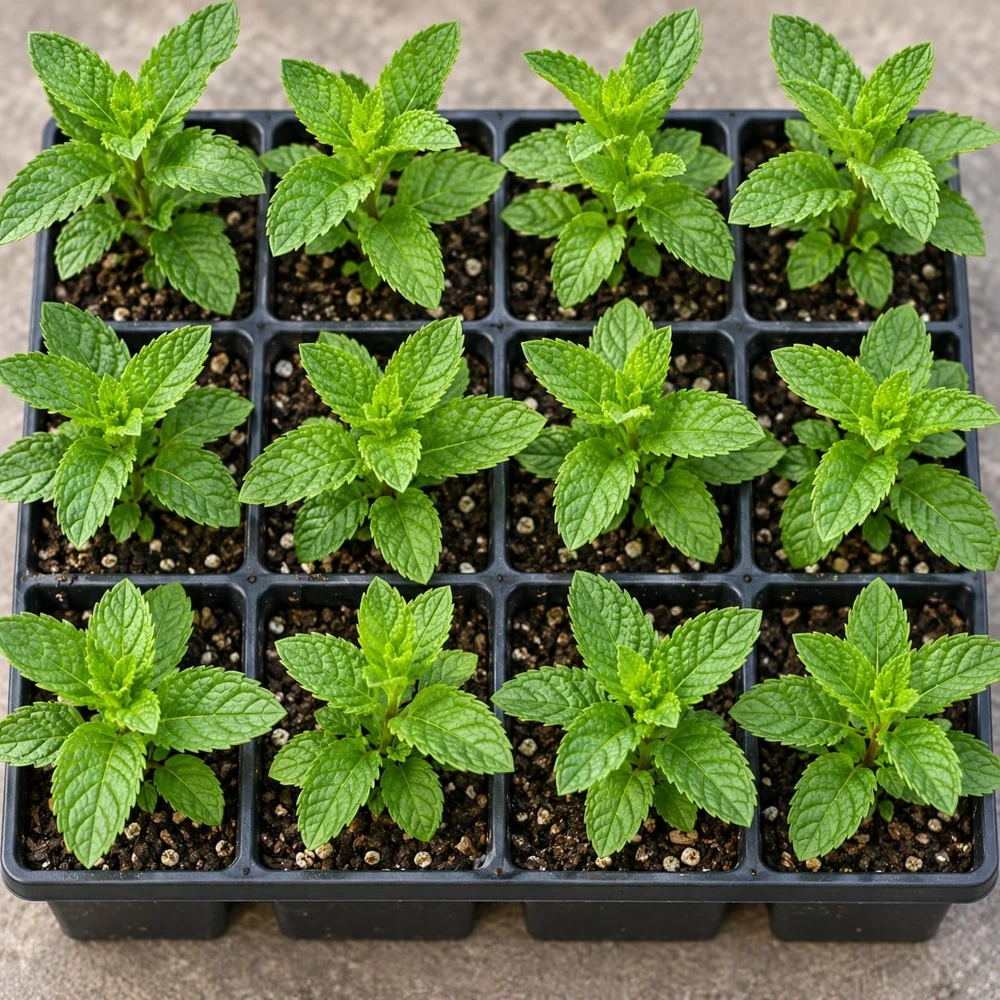
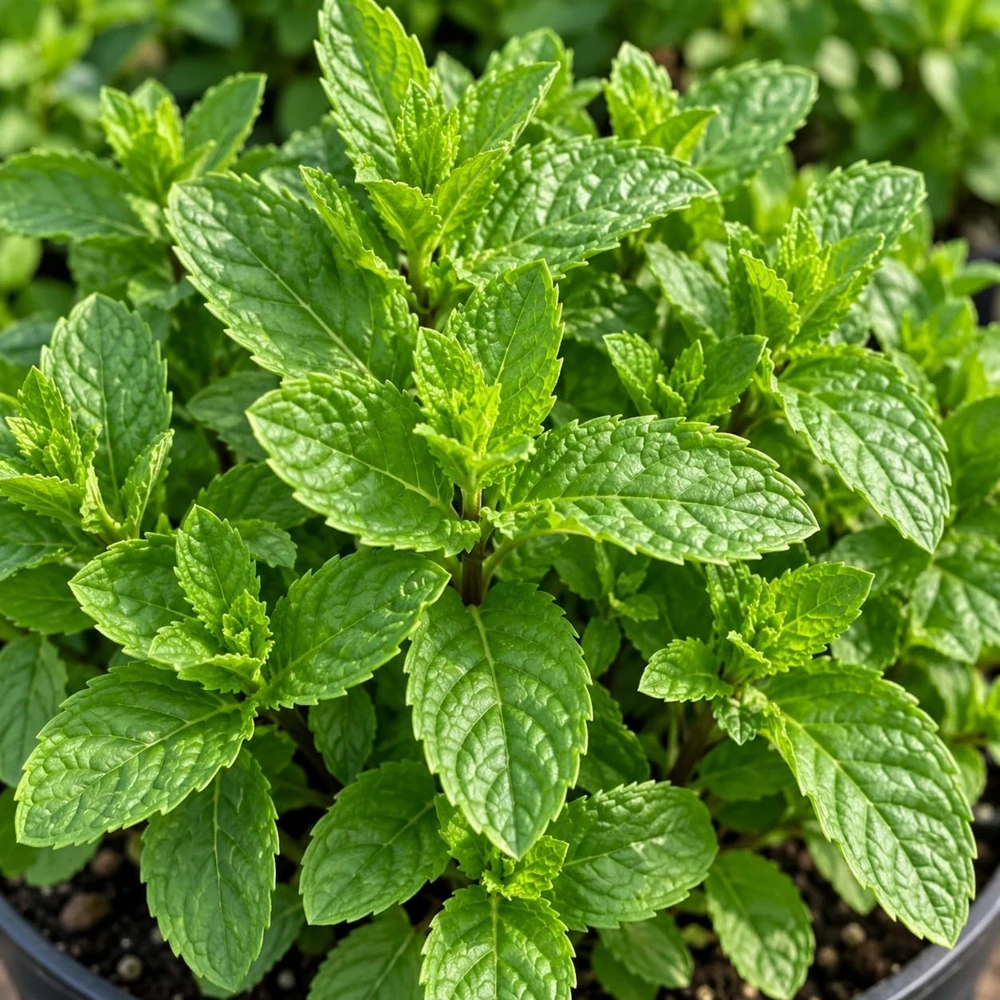
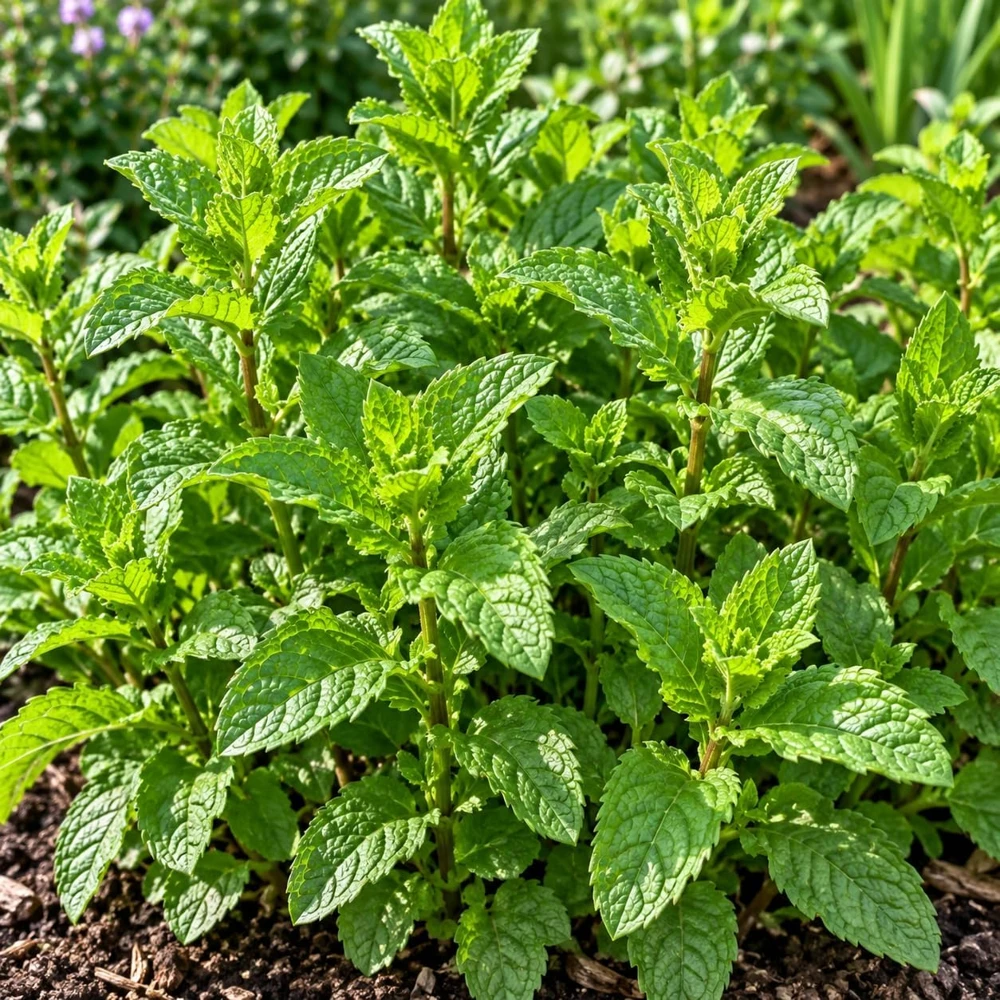
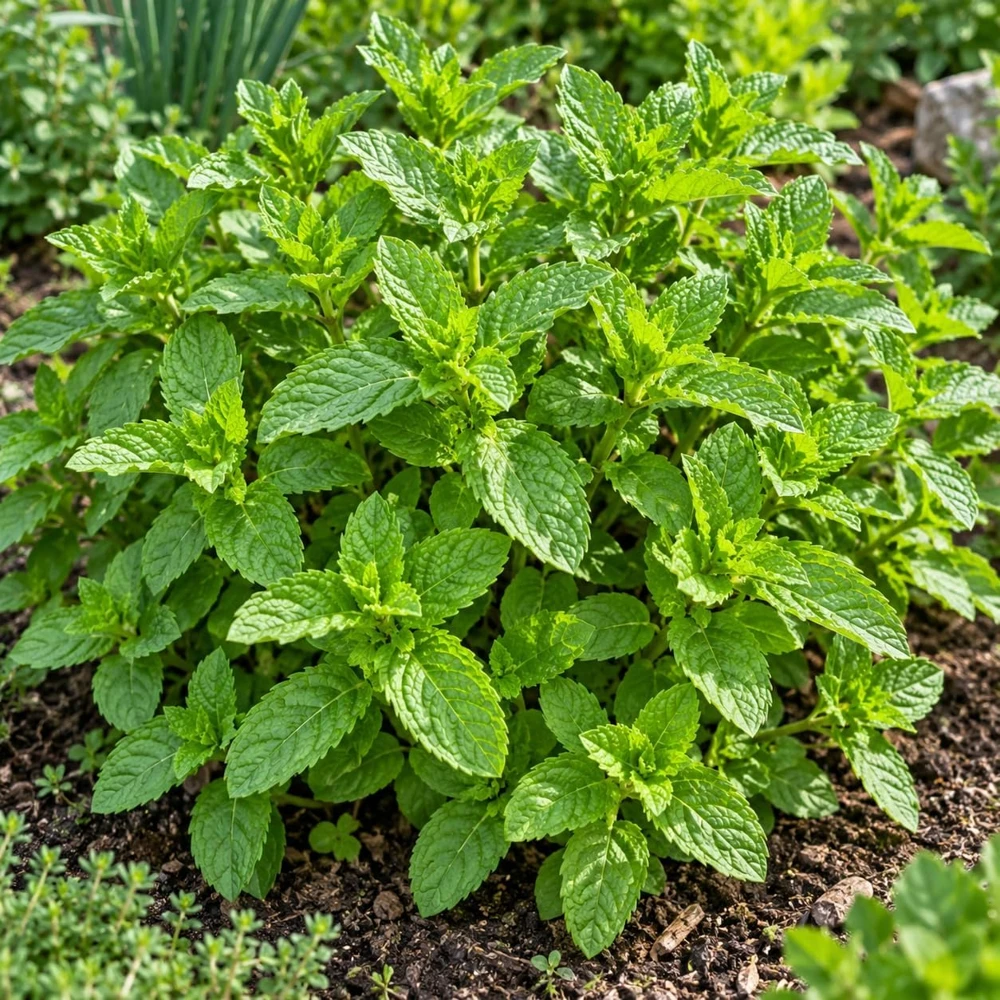
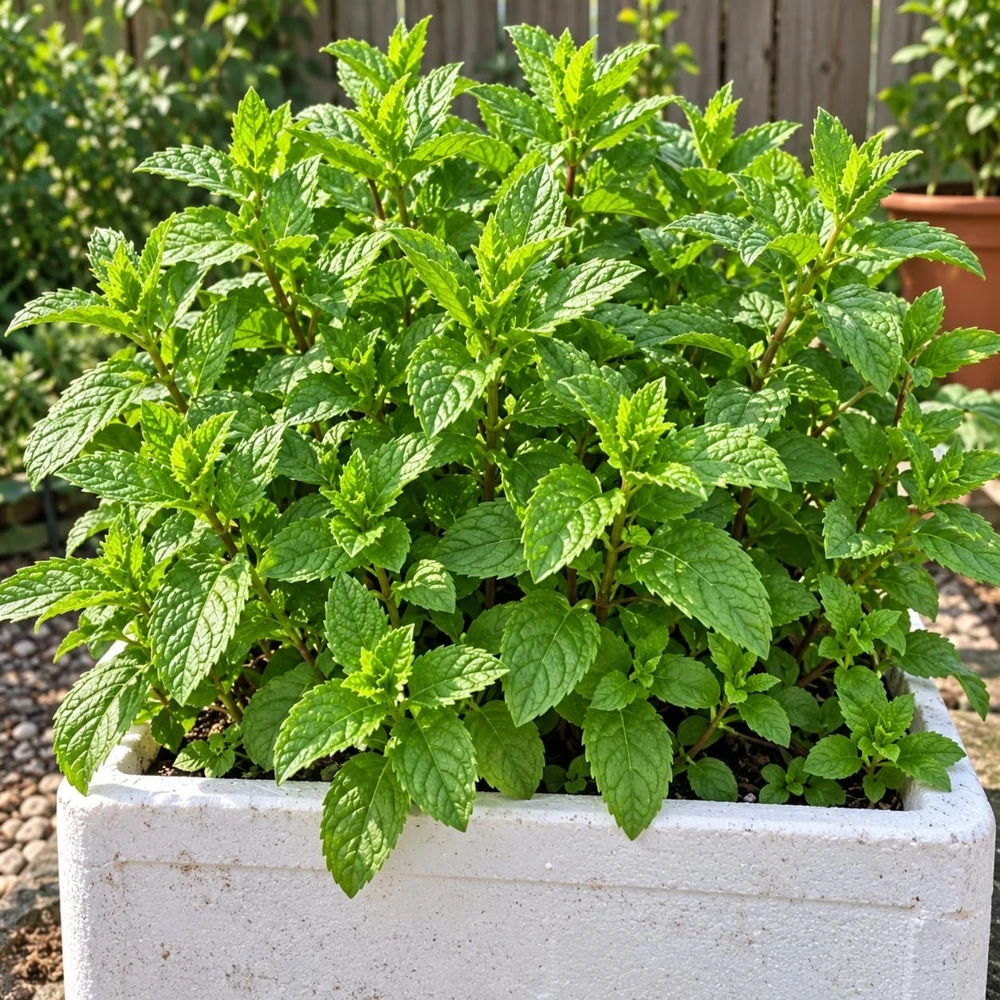
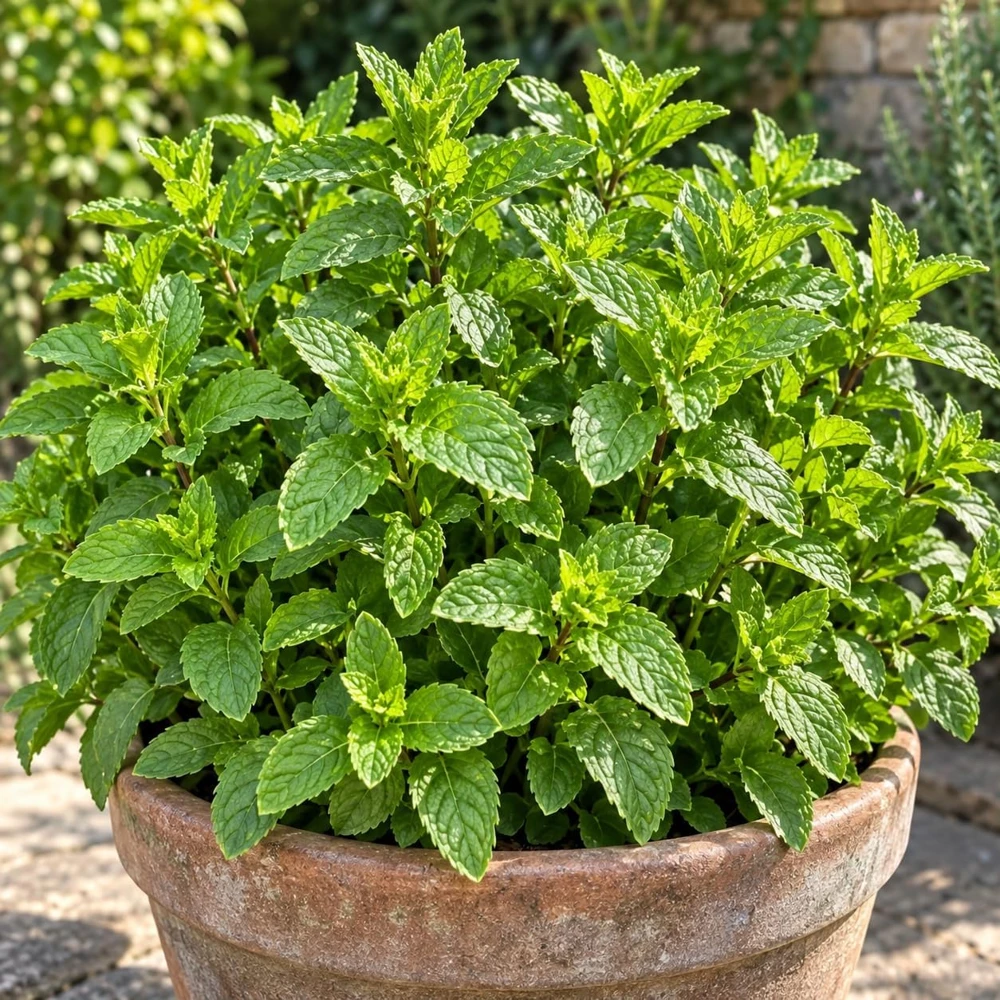
Set of 12 Spearmint Mint Live Plants – Sweet Mint Seedlings for Garden
Original price was: 61.99 $.26.99 $Current price is: 26.99 $.
Bring the refreshing aroma and flavor of fresh mint to your home with this set of 12 spearmint mint live plants. These robust sweet mint seedlings are ideal for culinary use, easily grown on windowsills, patios, or in garden beds. Enjoy lush, fragrant growth with minimal care, perfect for both beginner and experienced gardeners.
Estimated arrival
Oct 15
Oct 20 - Oct 22
Oct 22 - Oct 27
See our Shipping Policy.
Get in touch with us via email, and our team will review your concerns.
Our Alive & Thrive Guarantee covers issues with your plants within the first 30 days. Read our Refund & Returns Policy.
-
USDA Hardiness Zone
USDA Zones 3-11 -
Soil Type
Well-draining, rich soil -
Sunlight Exposure
Full sun to partial shade -
Expected Planting Period
Spring to early summer outdoors, year-round indoors
Overview
Introduce the vibrant freshness of homegrown herbs to your space with this set of 12 spearmint mint live plants. Perfect for culinary enthusiasts and gardening novices alike, these live seedlings offer an abundant supply of aromatic leaves for teas, cocktails, desserts, and savory dishes. Known for its distinctively sweet and refreshing flavor, spearmint mint live plants are a versatile addition to any kitchen garden or outdoor landscape. These robust young plants, often referred to as sweet mint seedlings, are ready to thrive in various settings, from compact indoor pots to expansive outdoor garden beds, promising continuous, fragrant growth throughout the season. Their vigorous nature and ease of care make them an excellent choice for anyone looking to enjoy fresh, organic herbs right at their fingertips.
Key Benefits
Cultivating your own spearmint mint offers a myriad of advantages, enhancing both your culinary endeavors and your living environment. These plants are not only beautiful but also incredibly functional, providing fresh ingredients and a delightful fragrance.
- Culinary Versatility: Harvest fresh leaves from your spearmint mint live plants for a wide range of recipes, including refreshing beverages like mojitos and iced tea, delicious desserts, and savory dishes. The sweet, mild flavor is a kitchen staple.
- Aromatic Appeal: Enjoy the invigorating and pleasant fragrance that spearmint mint releases, making it a wonderful addition to windowsills, patios, or any area where you want a natural air freshener.
- Easy to Grow: These sweet mint seedlings are known for their hardiness and adaptability, thriving with minimal fuss. They are an excellent choice for beginners and experienced gardeners seeking low-maintenance herbs.
- Rapid Growth & Abundance: Mint plants are fast growers, providing a continuous supply of fresh leaves throughout the growing season. Regular harvesting encourages bushier growth and more yields.
- Pest Repellent: The strong aroma of mint can naturally deter some common garden pests, making it a beneficial companion plant for other vegetables and herbs.
- Adaptable to Various Settings: Whether you have a spacious garden, a small balcony, or just a sunny windowsill, these garden mint plants can flourish in pots, containers, or directly in the ground, offering flexibility for all living spaces.
- Health Benefits: Spearmint is traditionally used for its digestive properties and its ability to soothe upset stomachs, making it a valuable herb to have on hand for homemade remedies.
Plant Care & Growing Tips
Caring for your spearmint mint live plants is straightforward, ensuring a bountiful harvest with minimal effort. Mint is a vigorous grower, and understanding its basic needs will help it thrive.
Sunlight Requirements: Mint plants prefer at least 4-6 hours of direct sunlight per day, but they can also tolerate partial shade, especially in hotter climates where afternoon sun can be too intense. For indoor cultivation, place your sweet mint seedlings on a south or west-facing windowsill to ensure they receive adequate light. If natural light is scarce, supplemental grow lights can be beneficial to maintain lush growth.
Watering Schedule & Soil Moisture: Mint loves consistent moisture. Water thoroughly when the top inch of soil feels dry to the touch. Avoid letting the soil dry out completely, but also ensure it’s not waterlogged, as this can lead to root rot. Good drainage is crucial. In warmer weather or when grown in containers, you may need to water daily. Reduce watering frequency during cooler months.
Soil Type & Drainage: While adaptable, mint thrives in rich, well-draining soil with a slightly acidic to neutral pH (6.0-7.0). A good quality potting mix enriched with compost is ideal for container growing. When planting in the garden, amend heavy clay soils with organic matter to improve drainage. Mint is known for its spreading habit; consider planting it in a container or using a root barrier if you don’t want it to take over your garden. This is a common consideration when growing spearmint mint outdoors.
Temperature Range & USDA Hardiness Zone: Most mint varieties, including spearmint, are hardy in USDA Zones 3-11. They prefer moderate temperatures between 60-70°F (15-21°C) but can tolerate both warmer and cooler conditions. In colder zones, plants may die back in winter but often return from the roots in spring. Indoor plants should be kept away from cold drafts and extreme temperature fluctuations.
Fertilization: Mint is not a heavy feeder. A balanced liquid fertilizer applied every 4-6 weeks during the growing season is usually sufficient, especially for container-grown plants. For garden plants, a top-dressing of compost in spring often provides all the nutrients needed. Over-fertilizing can lead to leggy growth and reduced flavor. For healthy fresh mint herb production, focus on consistent watering and good light.
Common Problems & Solutions: Mint is generally pest-resistant, but occasionally aphids or spider mites can be an issue. Treat with insecticidal soap if necessary. Fungal diseases are rare but can occur in overly wet conditions; ensure good air circulation. Regular harvesting not only provides fresh leaves but also helps keep the plant bushy and prevents it from flowering too early, which can diminish flavor. Pinch back stems above a leaf node to encourage branching.
Size & Details
This offering includes a set of 12 spearmint mint live plants, provided as healthy, established seedlings. Each plant is typically 2-4 inches tall upon arrival, with a robust root system ready for transplanting. These garden mint plants are shipped in protective packaging to ensure their safe journey to your home. When mature, spearmint plants can grow to be 18-24 inches tall and spread widely if not contained, forming dense clumps of fragrant foliage. With proper care, you can expect these plants to establish quickly and begin producing harvestable leaves within a few weeks of planting. They are fast-growing herbs that will provide continuous yields throughout the spring, summer, and fall, with the potential for year-round harvesting when grown indoors.
Frequently Asked Questions
- Q: How big do these spearmint mint live plants get? A: When mature, spearmint mint live plants typically reach a height of 18-24 inches (45-60 cm) and can spread significantly if not contained. Regular harvesting helps manage their size and encourages bushier growth.
- Q: Are these plants suitable for both indoor and outdoor growing? A: Yes, these sweet mint seedlings are highly versatile and thrive in both indoor and outdoor environments. For indoor growing, ensure they receive ample sunlight from a bright window.
- Q: How much sunlight does my fresh mint herb need? A: Mint plants prefer at least 4-6 hours of direct sunlight daily. They can tolerate partial shade, especially in hot climates, but will produce the most vigorous growth and best flavor with sufficient light.
- Q: What condition will the plants arrive in? A: Your garden mint plants will arrive as healthy, established seedlings with well-developed root systems, carefully packaged to ensure they reach you in excellent condition and ready for planting.
- Q: Is this spearmint mint good for cooking? A: Absolutely! Spearmint is a classic culinary herb, perfect for adding a refreshing, sweet flavor to teas, cocktails, salads, and various savory dishes. It’s an essential fresh mint herb for any kitchen.
- Q: When is the best time to plant these sweet mint seedlings? A: The best time to plant mint outdoors is in spring after the last frost. For indoor cultivation, you can plant these sweet mint seedlings at any time of the year, provided they have adequate light and warmth.
- Q: Is this plant easy to care for, especially for beginners? A: Yes, mint is renowned for being one of the easiest herbs to grow, making it an excellent choice for beginners. It requires consistent watering and adequate sunlight but is generally low-maintenance.
- Q: How often should I water my growing spearmint mint? A: Water your growing spearmint mint when the top inch of soil feels dry to the touch. It prefers consistently moist soil but dislikes being waterlogged. Adjust watering frequency based on climate and container size.
- Q: Do I need to fertilize my spearmint mint plants? A: Mint is not a heavy feeder. A balanced liquid fertilizer can be applied every 4-6 weeks during the growing season for container plants. Garden plants often do well with just an annual application of compost.
- Q: Can these mint plants be grown in a small pot? A: Yes, mint plants can be successfully grown in small pots, but they will eventually need to be transplanted to larger containers or divided as they grow. Containing them in pots is also an excellent way to prevent them from spreading excessively.
Be the first to review “Set of 12 Spearmint Mint Live Plants – Sweet Mint Seedlings for Garden”
Related products


You May Like

Hardneck vs. Softneck Garlic: Which Should You Grow?
Have you ever stood in front of a seed catalog in mid-September, staring at dozens [...]
Oct

When to Plant Music Garlic: Ultimate US Fall Guide
Have you ever spent your fall weekend placing carefully chosen garlic cloves into rich, dark [...]
1 Comment
Oct

5 Best Bulbs for Fall Planting: Brighten Your Garden This Spring
Are you dreaming of a garden full of vibrant colors in the spring? The key [...]
Aug

10 Houseplants That Will Thrive in Your Kitchen
Are you tired of your kitchen feeling dull and lifeless? Want to add a little [...]
1 Comment
Aug
Reviews
There are no reviews yet.