
Set of 2 Live Sitka Spruce Trees – Hardy Evergreen Conifer Plants – 6-10″ Tall Outdoor
Original price was: 54.39 $.34.39 $Current price is: 34.39 $.
Bring the beauty and resilience of Sitka Spruce trees to your landscape. This set of two 6-10 inch tall Picea sitchensis live plant are hardy evergreen conifers, perfect for creating robust windbreaks, reforestation, or coastal landscaping. Easy to care for and extremely hardy.
Estimated arrival
Oct 20
Oct 25 - Oct 27
Oct 27 - Nov 01
See our Shipping Policy.
Get in touch with us via email, and our team will review your concerns.
Our Alive & Thrive Guarantee covers issues with your plants within the first 30 days. Read our Refund & Returns Policy.
-
USDA Hardiness Zone
USDA zones 6-8 (or colder with protection) -
Soil Type
Moist, well-drained, slightly acidic soil -
Sunlight Exposure
Full sun -
Expected Planting Period
Spring to early fall
Overview
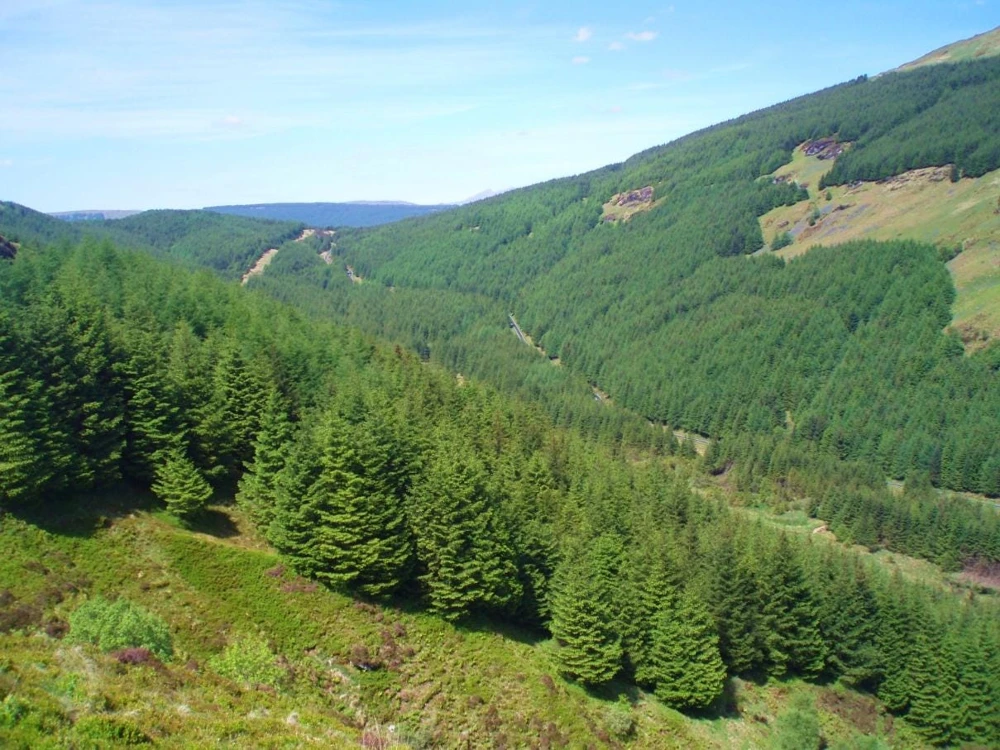
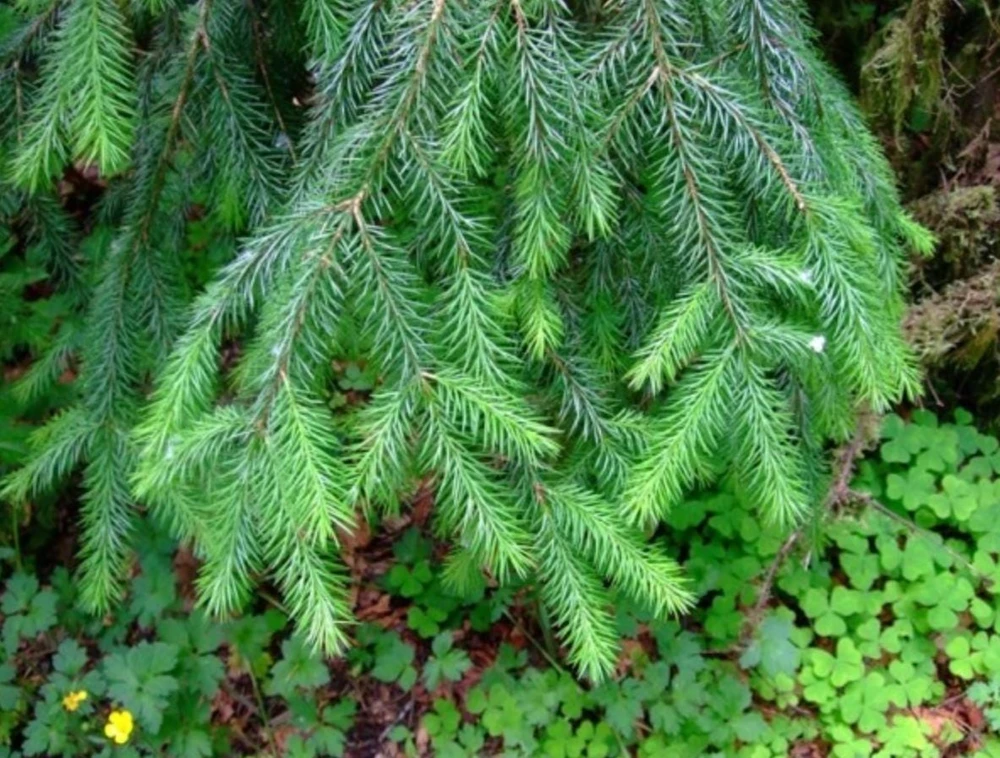
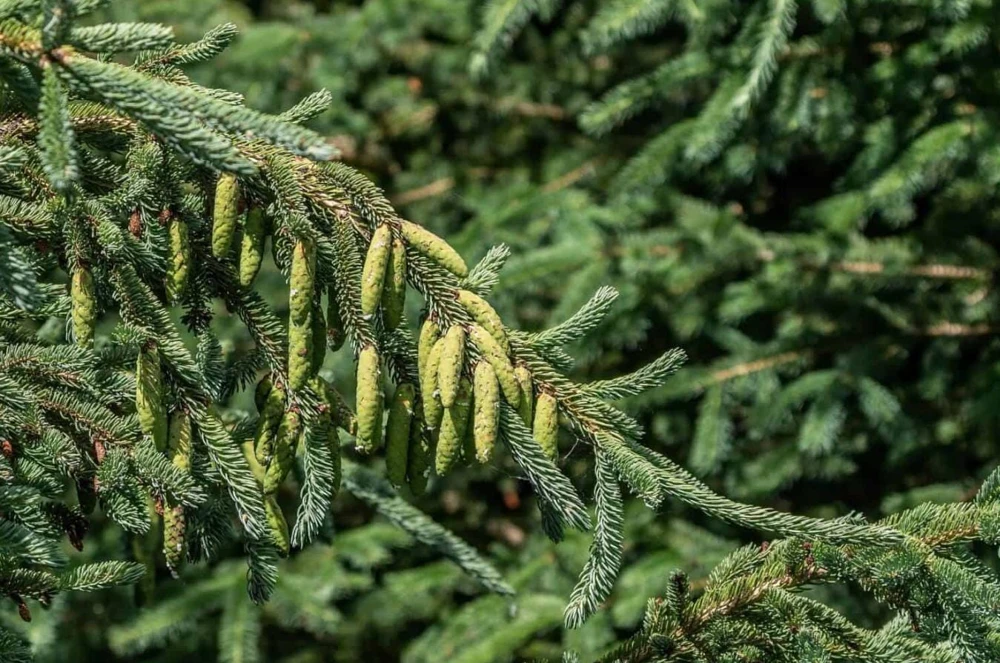
Introduce the majestic presence of nature to your property with our exquisite set of two Sitka Spruce trees. These magnificent evergreen conifers, scientifically known as Picea sitchensis live plant, are renowned for their impressive stature and robust hardiness. Originating from the coastal regions of North America, these trees are a symbol of resilience and natural beauty. Perfect for those looking to establish a long-lasting natural barrier, contribute to reforestation efforts, or simply enhance their landscape with a powerful, verdant presence, these young spruce trees arrive ready to thrive. Each tree is carefully nurtured to ensure it establishes well in its new environment, promising years of growth and ecological benefit. Their distinctive dark green foliage with a silvery underside adds a unique visual appeal, making them a standout addition to any outdoor setting.
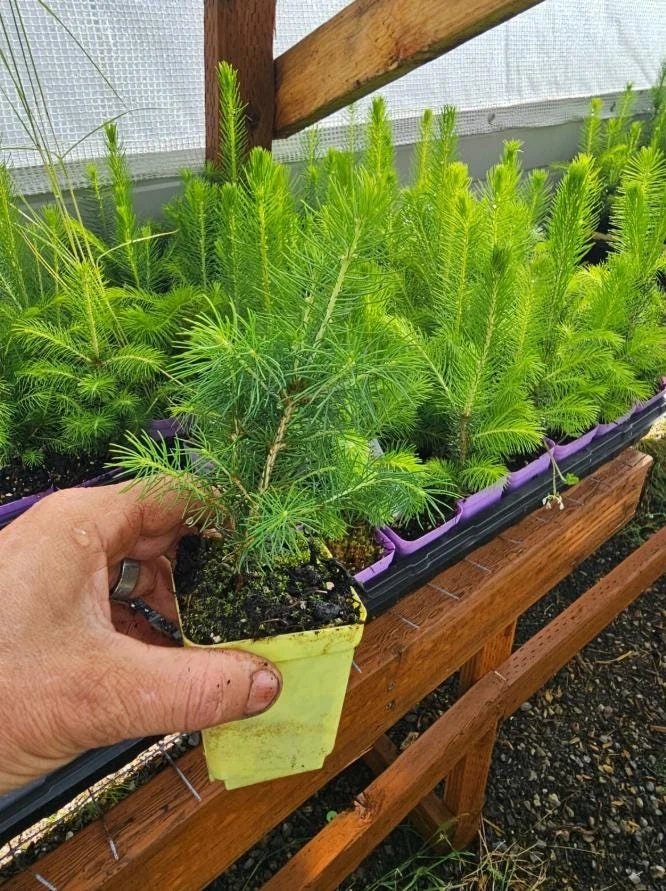
Our Sitka Spruce trees are delivered as healthy, actively growing saplings, each measuring between 6 to 10 inches tall and rooted in a 3-inch nursery pot. This size is ideal for transplanting, allowing them to acclimate quickly and begin their journey towards maturity. These trees are an excellent choice for a variety of landscaping applications, from creating effective windbreaks that protect your home and garden from harsh elements, to playing a crucial role in ecological restoration projects. Their adaptability to various soil types and their preference for full sun exposure make them a versatile option for many regions. Invest in these hardy evergreens and watch as they transform your outdoor space into a sanctuary of natural strength and beauty, providing habitat for wildlife and contributing to a healthier planet.
Key Benefits
Choosing our Sitka Spruce trees offers a multitude of advantages for your landscape and the environment. These highly adaptable and resilient conifers provide both aesthetic appeal and practical benefits that will enrich your property for decades to come.
- Exceptional Hardiness: These hardy spruce trees are known for their incredible resilience, capable of withstanding diverse weather conditions, including strong winds and cold temperatures. This makes them a reliable choice for long-term outdoor planting without requiring extensive winter preparation.
- Effective Windbreaks: With their dense evergreen foliage and upright, pyramidal growth habit, Sitka Spruces form excellent natural windbreaks. They can significantly reduce wind speeds, protecting your home, garden, and other plants from harsh elements, thereby creating a more sheltered and stable environment.
- Reforestation & Ecological Impact: Ideal for reforestation projects, these trees contribute to carbon sequestration, improve air quality, and provide vital habitat for local wildlife. Planting reforestation trees like the Sitka Spruce helps in restoring natural ecosystems and biodiversity.
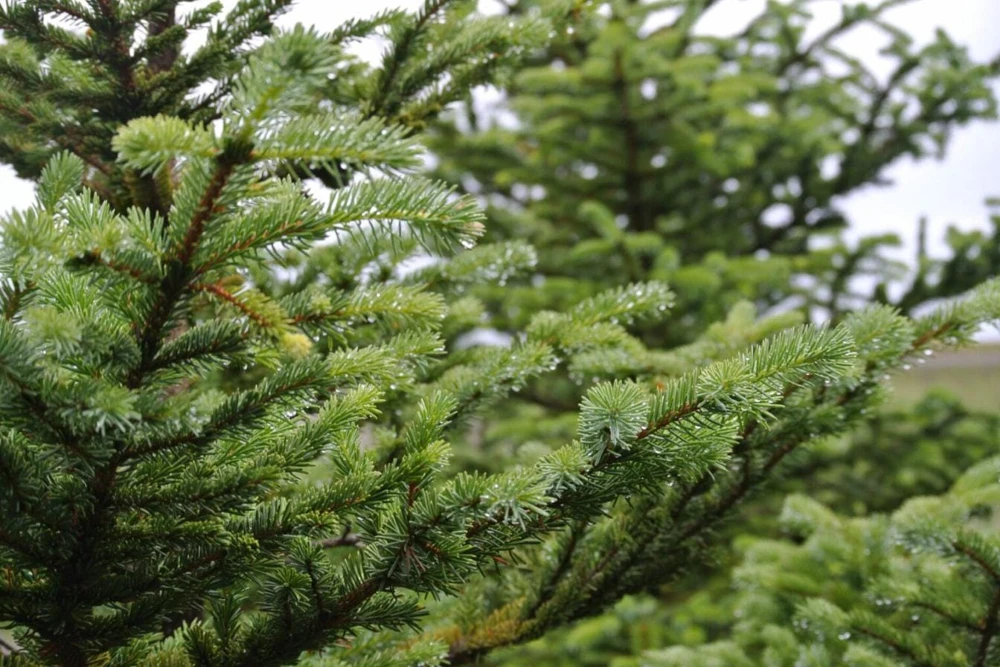
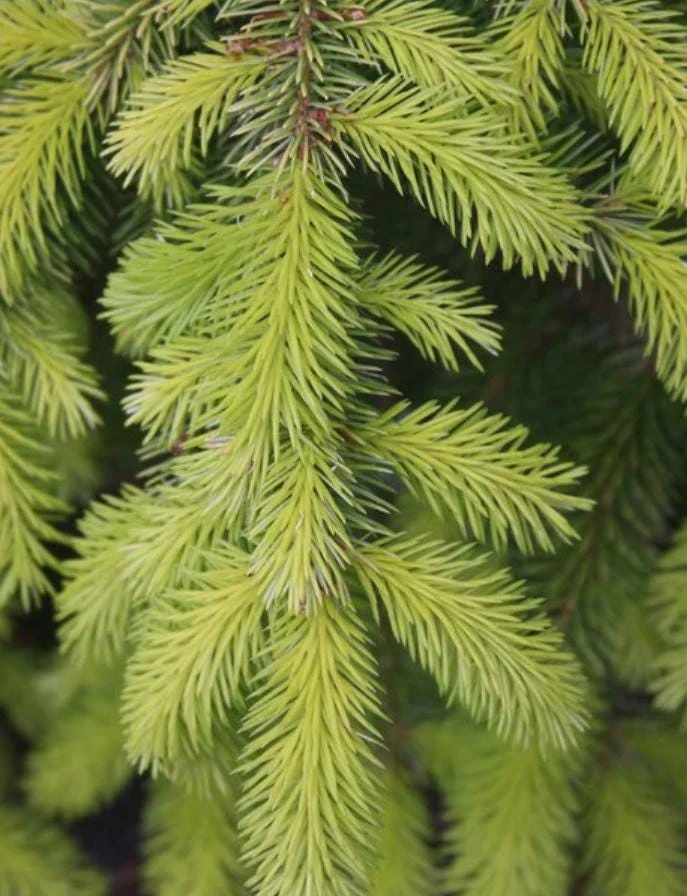
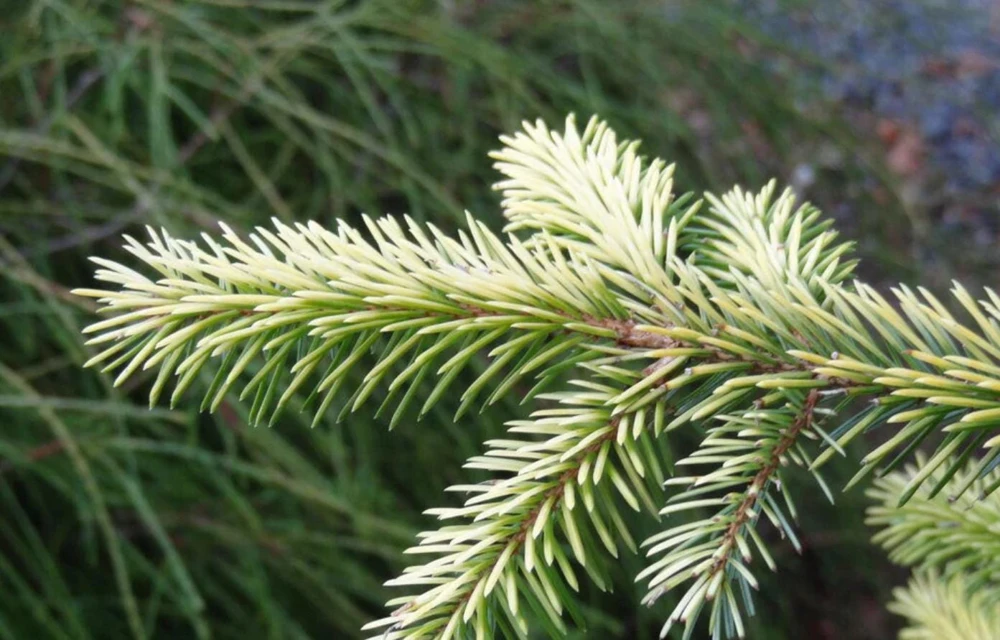
- Stunning Aesthetic Appeal: The dark green foliage with a distinctive silvery underside offers a unique visual texture, adding depth and beauty to any landscape design. Their classic conifer shape provides year-round greenery and structural interest.
- Low Maintenance: Once established, Picea sitchensis live plant requires minimal care. They are relatively pest and disease resistant, and their natural growth habit means little to no pruning is necessary, saving you time and effort.
- Coastal & Native Landscaping: Perfectly suited for coastal environments, these trees thrive in conditions that many other species find challenging. They are also excellent for native landscaping, helping to preserve local flora and fauna.
- Long Lifespan: Sitka Spruce trees are known for their longevity, often living for hundreds of years. This means your investment in these trees will provide lasting beauty and environmental benefits for generations.
Plant Care & Growing Tips
Caring for your Sitka Spruce trees is straightforward, especially given their inherent hardiness. To ensure optimal growth and establishment, follow these simple guidelines. Upon arrival, it’s crucial to transplant your young spruce trees promptly into their permanent outdoor location. Choose a site that allows ample space for future growth, as these trees can reach impressive mature heights. Dig a hole twice as wide as the nursery pot and just as deep, ensuring the top of the root ball is level with the surrounding soil. Gently remove the plant from its pot, loosen any circling roots, and place it in the hole. Backfill with soil, gently firming it around the base to remove air pockets.
Sitka Spruce trees thrive in moist, well-drained, slightly acidic soil. While they are adaptable, providing these conditions will encourage robust growth. Watering is critical during the establishment phase; keep the soil consistently moist but never waterlogged. Overwatering can be detrimental, so ensure good drainage. Once established, these hardy evergreens are quite drought-tolerant, but supplemental watering during prolonged dry spells will be beneficial. They require full sun exposure, meaning at least 6 hours of direct sunlight per day, to achieve their best growth and maintain their vibrant foliage. While extremely hardy and requiring no special winter care, a layer of mulch around the base can help retain soil moisture and regulate temperature fluctuations.
Fertilization is generally optional for established reforestation trees like the Sitka Spruce, especially if planted in fertile soil. However, if your soil is poor or you wish to encourage faster growth, an evergreen-specific fertilizer can be applied in early spring. Follow the product’s instructions carefully to avoid over-fertilization. Pruning is minimal for these hardy spruce trees; typically, it’s only necessary to remove any damaged branches or competing leaders to maintain a strong central trunk. With proper care during their initial establishment, your Sitka Spruce trees will grow into magnificent, resilient features of your landscape, providing beauty and ecological value for many years.
Size & Details
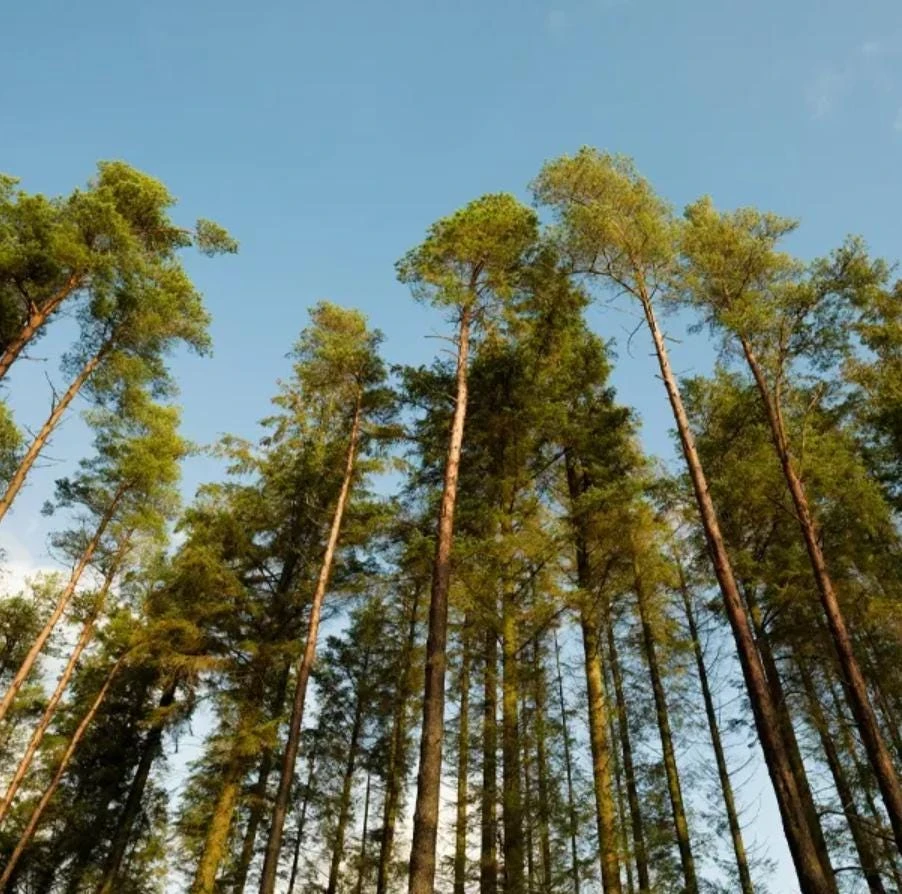
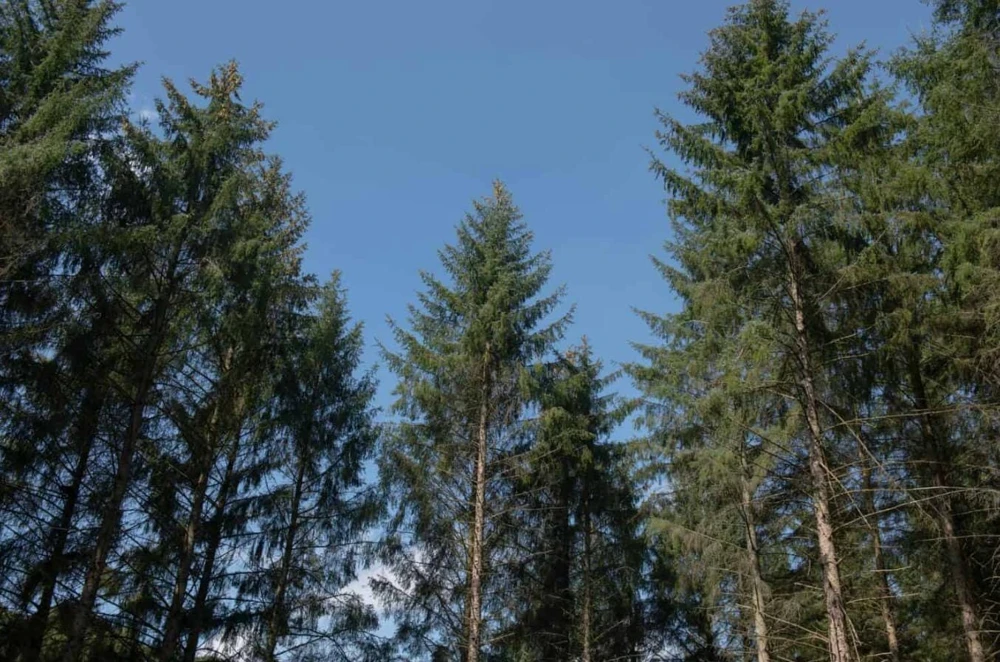
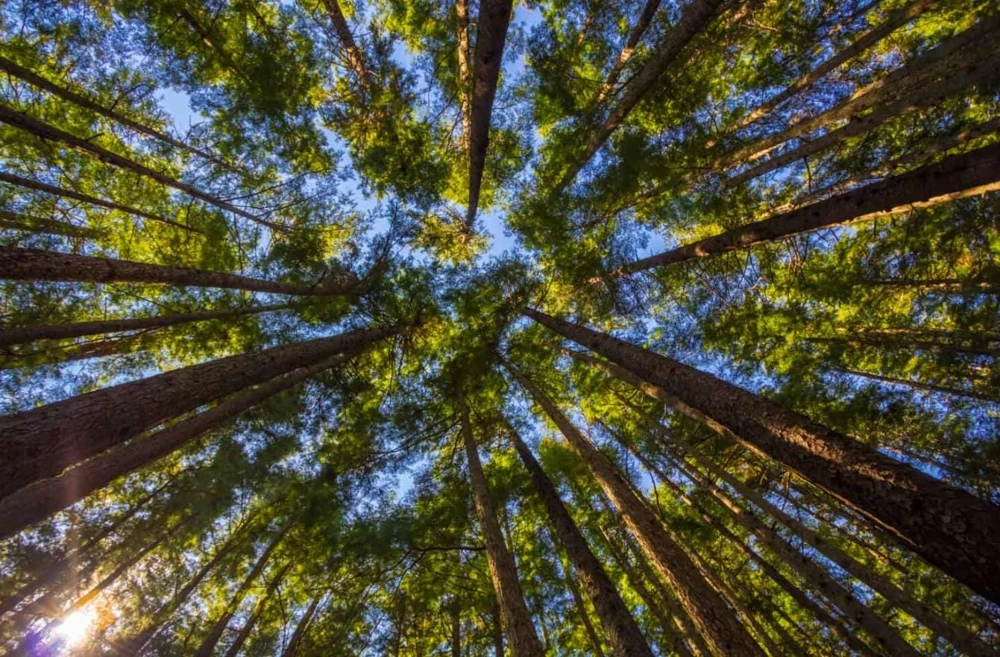
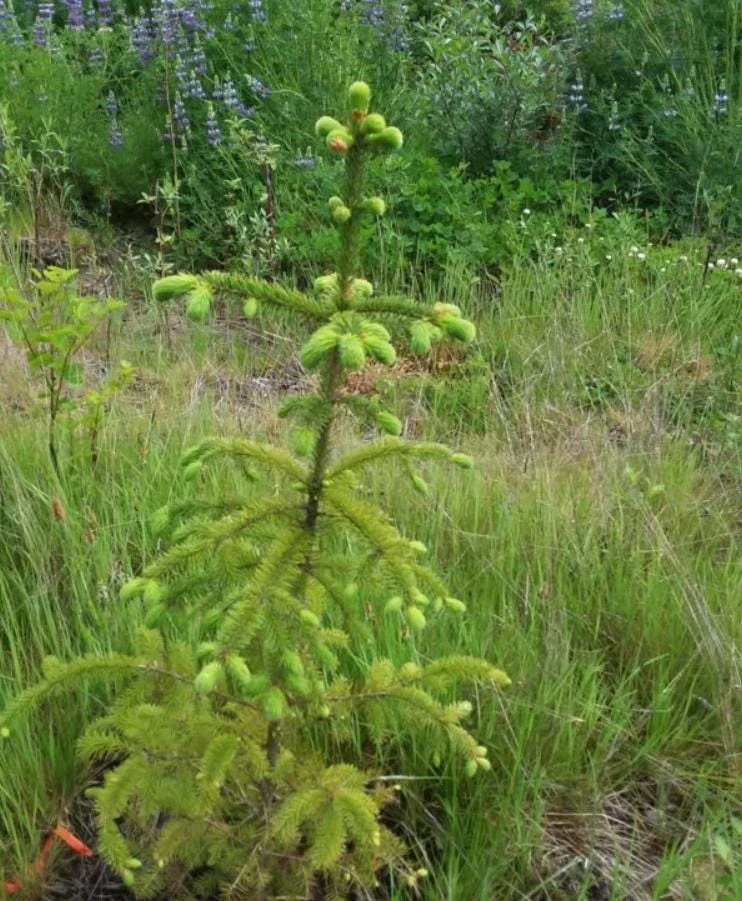
This offering includes a set of two healthy Sitka Spruce trees, perfect for starting your windbreak or reforestation project. Each young tree arrives actively growing, with a current height ranging from 6 to 10 inches tall, measured from the top of the soil in its container. They are securely rooted in individual 3-inch nursery pots, which provides a robust root system ready for transplanting into your garden or larger containers. These evergreen conifers are known for their strong, upright, and pyramidal growth habit. While our current offering focuses on young plants, it’s important to note that a mature Picea sitchensis live plant can reach impressive heights of 100 to 200 feet under ideal growing conditions, making them a long-term investment in your landscape.
The trees are shipped healthy and carefully packaged to ensure they arrive in excellent condition, ready for immediate planting. The photos provided are representative of the plants you will receive; actual size and appearance may vary slightly due to natural growth patterns. These evergreen conifers for windbreaks are extremely hardy and are suitable for a wide range of climates, particularly thriving in coastal regions. With their moderate to fast growth rate once established, you can expect to see significant development over the years, transforming your landscape with these majestic reforestation trees. Plant them with adequate spacing to allow for their mature size, and enjoy the lasting beauty and environmental benefits they provide.
Frequently Asked Questions
- Q: How big will these Sitka Spruce trees get? A: While the young plants are 6-10 inches tall, mature Sitka Spruce trees can reach impressive heights of 100-200 feet in ideal conditions. They develop into large, stately evergreens, so plan their planting location accordingly with plenty of space.
- Q: What size pot do these trees come in? A: Each of the two Picea sitchensis live plant specimens is shipped in its own 3-inch nursery pot, providing a healthy root ball ready for transplanting into your garden or a larger container.
- Q: Is this an indoor or outdoor plant? A: These are primarily outdoor plants, ideal for landscaping, windbreaks, and reforestation. While they can be started indoors in controlled environments, they are not designed to be long-term houseplants and require outdoor conditions to thrive and reach their mature size.
- Q: How much sunlight do these spruce trees need? A: Sitka Spruce trees prefer full sun exposure, meaning they should receive at least 6 hours of direct sunlight per day. Adequate sunlight is crucial for their robust growth and overall health.
- Q: Are these trees easy to care for? A: Yes, once established, these are considered relatively low-maintenance hardy spruce trees. They require consistent moisture during establishment but become quite resilient and self-sufficient afterward, needing minimal pruning or special attention.
- Q: What condition will the trees arrive in? A: Your reforestation trees will be shipped healthy and actively growing, carefully packaged to minimize stress during transit. While photos are representative, slight natural variations in size and appearance are normal.
- Q: When is the best time to plant Sitka Spruce trees? A: The best time to plant evergreen conifers for windbreaks like Sitka Spruce is typically in early spring or early fall. This allows the plants to establish their root systems before the extremes of summer heat or winter cold.
- Q: What kind of soil do these trees prefer? A: They thrive in moist, well-drained, and slightly acidic soil. While adaptable, providing these conditions will help ensure the best growth and health for your Sitka Spruce trees.
- Q: Do these trees need much water? A: During their establishment phase, it’s important to keep the soil consistently moist but not waterlogged. Once established, they are quite tolerant of drier conditions but will benefit from watering during prolonged droughts.
- Q: Will they survive winter in my zone? A: Yes, these are extremely hardy trees and are well-suited for a wide range of USDA hardiness zones. They do not require special winter care in most regions where they naturally grow or are cultivated.
Be the first to review “Set of 2 Live Sitka Spruce Trees – Hardy Evergreen Conifer Plants – 6-10″ Tall Outdoor”
Related products


Trees
Guava Tree Live Plant Pink Tropical Fruit 4-10in Tall Well Rooted for Gardening USDA Zones 9-11


You May Like

Hardneck vs. Softneck Garlic: Which Should You Grow?
Have you ever stood in front of a seed catalog in mid-September, staring at dozens [...]
Oct

When to Plant Music Garlic: Ultimate US Fall Guide
Have you ever spent your fall weekend placing carefully chosen garlic cloves into rich, dark [...]
1 Comment
Oct

5 Best Bulbs for Fall Planting: Brighten Your Garden This Spring
Are you dreaming of a garden full of vibrant colors in the spring? The key [...]
Aug

10 Houseplants That Will Thrive in Your Kitchen
Are you tired of your kitchen feeling dull and lifeless? Want to add a little [...]
1 Comment
Aug
Reviews
There are no reviews yet.