
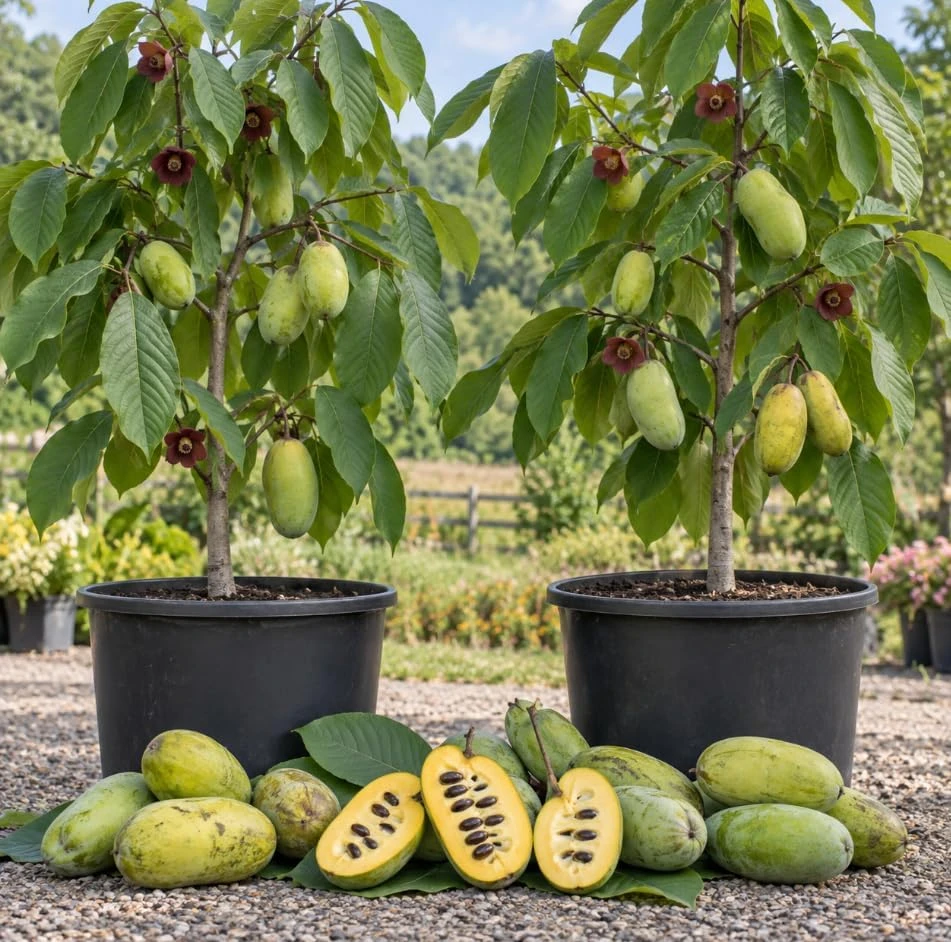
Set of 2 Pawpaw Tree Live Plant – Asimina Triloba Custard Apple, 10-12 inches Tall, 1 Year Old, Outdoor
Original price was: 94.99 $.59.99 $Current price is: 59.99 $.
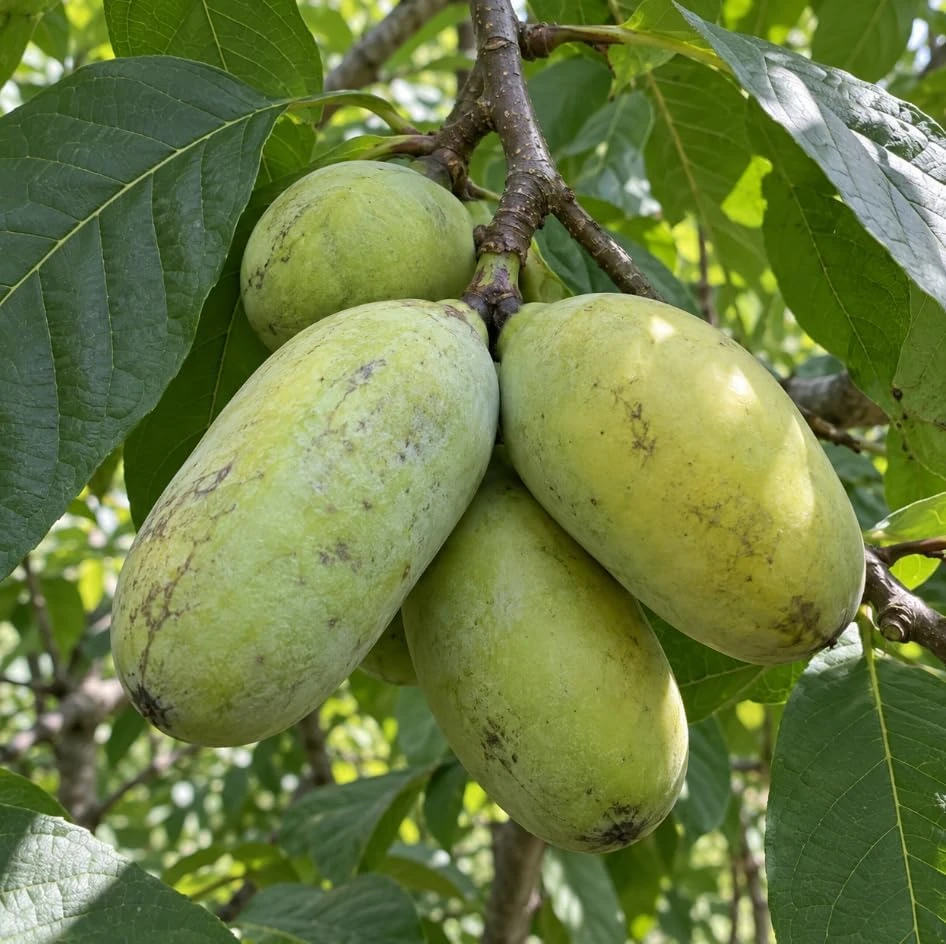
Cultivate your own unique fruit with this set of 2 pawpaw tree live plant specimens. Each Asimina triloba tree, also known as Custard Apple, stands 10-12 inches tall and is 1 year old, providing a strong start for your orchard or garden. Enjoy the sweet, tropical flavor of homegrown pawpaw fruit.
Estimated arrival
Oct 15
Oct 20 - Oct 22
Oct 22 - Oct 27
See our Shipping Policy.
Get in touch with us via email, and our team will review your concerns.
Our Alive & Thrive Guarantee covers issues with your plants within the first 30 days. Read our Refund & Returns Policy.
-
USDA Hardiness Zone
USDA Zones 5-9 -
Soil Type
Well-drained, fertile soil -
Sunlight Exposure
Partial shade (young), Full sun to partial shade (mature) -
Expected Planting Period
Spring to early summer
Overview
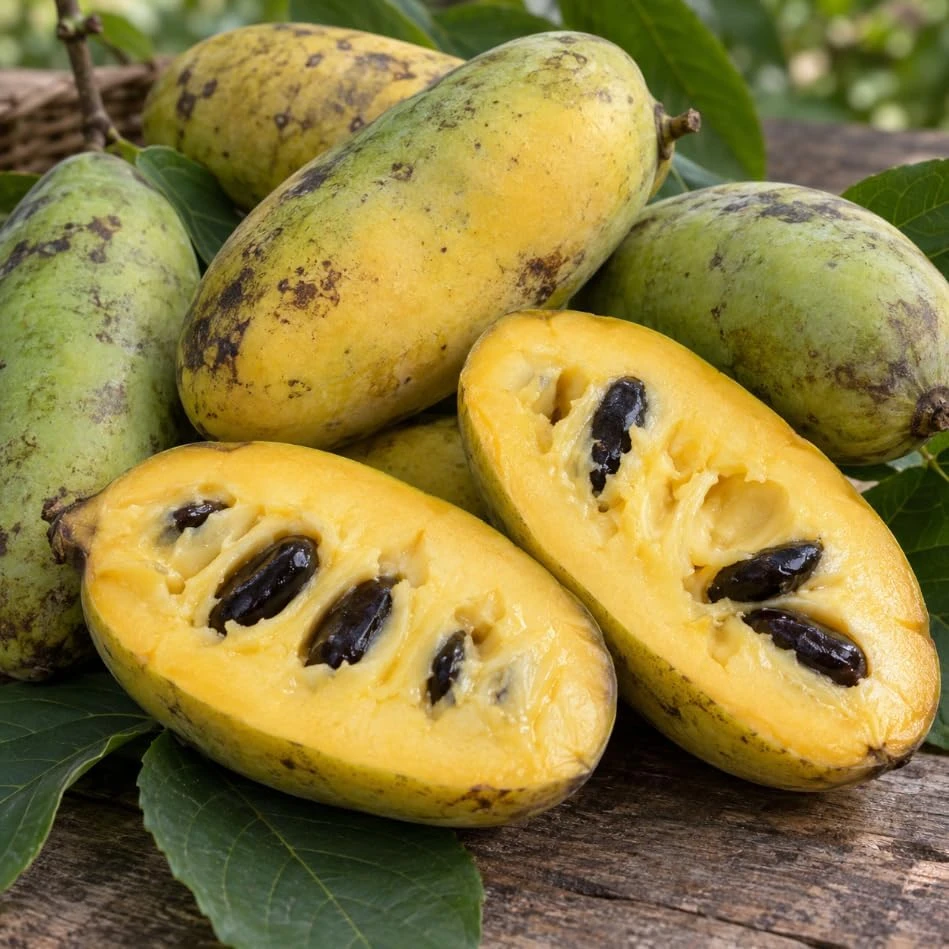
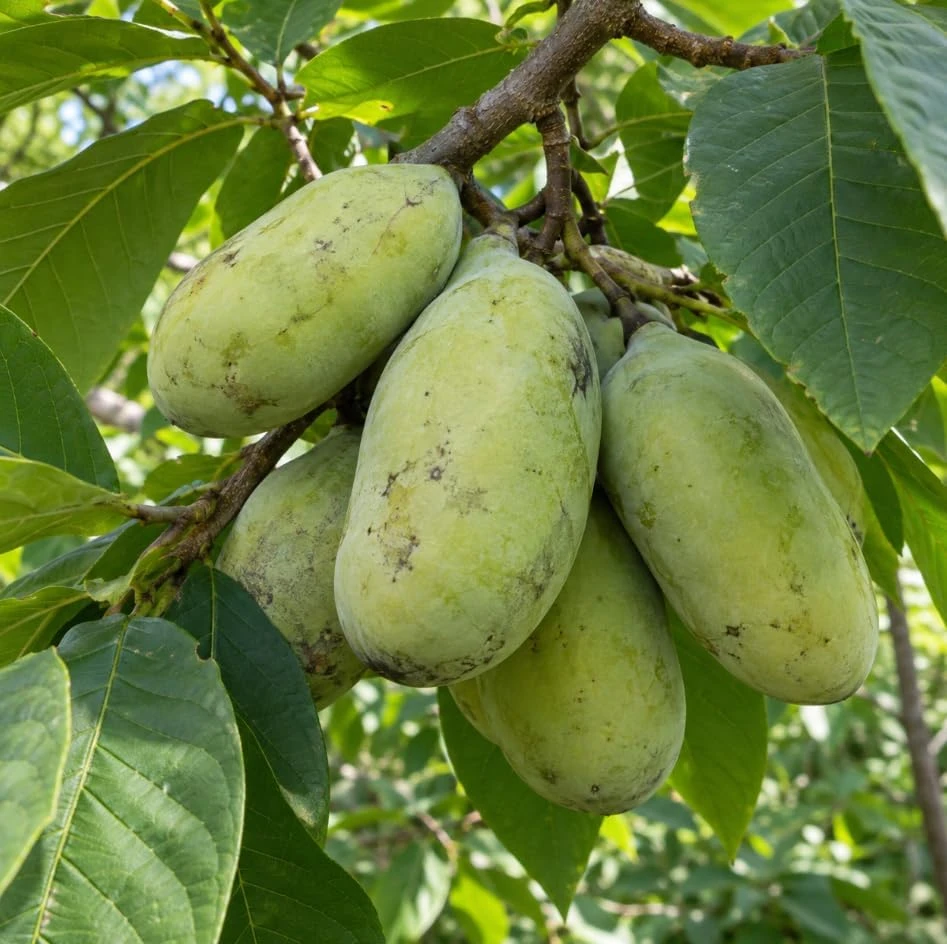
Embark on a rewarding gardening journey with this exceptional set of two pawpaw tree live plant specimens. The Pawpaw (Asimina triloba), often referred to as the American Custard Apple, is a fascinating and increasingly popular native North American fruit tree. These young trees, each standing approximately 10-12 inches tall and already 1 year old, offer a significant head start for gardeners eager to grow this unique and delicious fruit. The pawpaw tree live plant is known for its distinctive, tropical-flavored fruit, which boasts a creamy texture and a taste often compared to a blend of banana, mango, and pineapple. Ideal for home gardens, orchards, or as an interesting landscape addition, these plants are carefully nurtured to ensure they arrive healthy and ready for successful establishment in your outdoor space. Discover the joy of cultivating your own pawpaw fruit, a true taste of American heritage.
The Asimina triloba tree is a deciduous fruit tree that thrives in a variety of climates, making it a versatile choice for many gardeners across the United States. Its natural beauty, coupled with the bounty of its flavorful fruit, makes it a valuable addition to any edible landscape. This set provides two plants, which is beneficial for pollination, as many pawpaw varieties require cross-pollination to produce fruit. Growing custard apple plant specimens can be a delightful experience, connecting you with nature and providing a sustainable source of unique, homegrown produce.
Key Benefits
Bringing a pawpaw tree live plant into your garden offers numerous advantages, from its unique fruit to its aesthetic appeal and ecological benefits. These plants are a fantastic investment for any gardening enthusiast.
- Unique Fruit Production: Enjoy the rare and delicious pawpaw fruit, often described as having a tropical custard-like flavor, directly from your own garden. This native American fruit is a true gourmet delight.
- Native Plant Benefits: The Asimina triloba tree is a native species, contributing to local biodiversity and providing habitat and food for native wildlife.
- Early Start: Each plant is 10-12 inches tall and 1 year old, giving you a significant head start compared to planting seeds, allowing for quicker establishment and earlier fruit production.
- Hardy and Adaptable: Pawpaw trees are known for their resilience and ability to thrive in a range of climates, particularly in USDA Hardiness Zones 5-9, making them suitable for many regions.
- Low Maintenance: Once established, growing pawpaw trees are relatively low-maintenance, requiring minimal intervention to flourish and produce fruit.
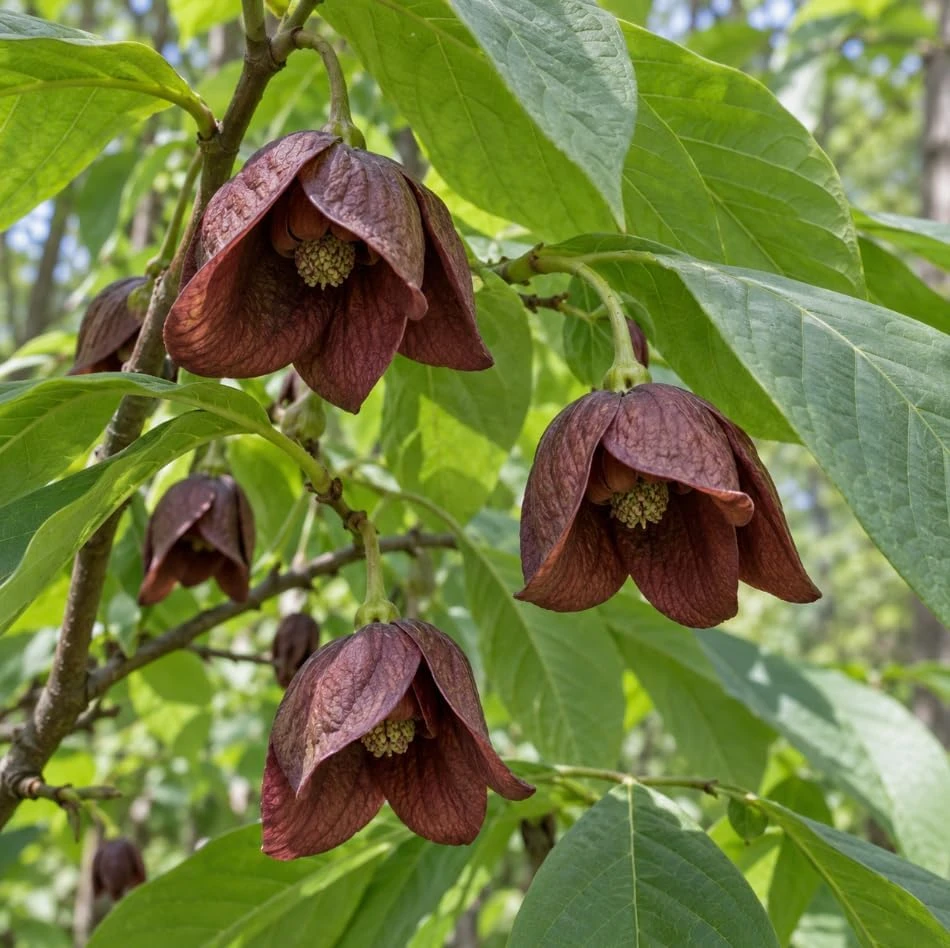
- Aesthetic Appeal: Beyond its fruit, the pawpaw tree features attractive foliage and unique, bell-shaped maroon flowers in spring, adding ornamental value to your landscape.
- Sustainable Gardening: Cultivating your own pawpaw fruit tree reduces reliance on commercially produced fruits and promotes sustainable, local food sources.
Plant Care & Growing Tips
Proper care is essential for successful establishment and robust growth of your pawpaw tree live plant. These trees are generally hardy but benefit from specific conditions to thrive. Pawpaws prefer well-drained soil rich in organic matter. While they can tolerate a range of soil types, a slightly acidic to neutral pH (5.5-7.0) is ideal. Ensure the planting site has good drainage to prevent root rot, especially in younger plants. When planting, dig a hole twice as wide as the root ball and just as deep. Gently remove the plant from its container, loosen any circling roots, and place it in the hole, ensuring the top of the root ball is level with the soil surface. Backfill with soil, gently firming it around the roots, and water thoroughly.
For sunlight, young pawpaw trees (especially the custard apple plant) prefer partial shade for their first year or two, as direct, intense sun can scorch their leaves. Once established, they can tolerate and even prefer full sun for optimal fruit production, though they will still perform well in partial shade. Aim for at least 6 hours of direct sunlight once mature. Watering should be consistent, especially during dry periods and the plant’s first few years. Keep the soil consistently moist but not waterlogged. Once mature, pawpaws are more drought-tolerant. Fertilize sparingly in the first year; a balanced, slow-release fertilizer can be applied in spring after the first year. Protect young trees from strong winds and consider mulching around the base to retain moisture and regulate soil temperature. Monitoring for pests and diseases is important, though pawpaws are generally resistant to most common issues. Understanding these needs is key to successful growing pawpaw trees.
Size & Details
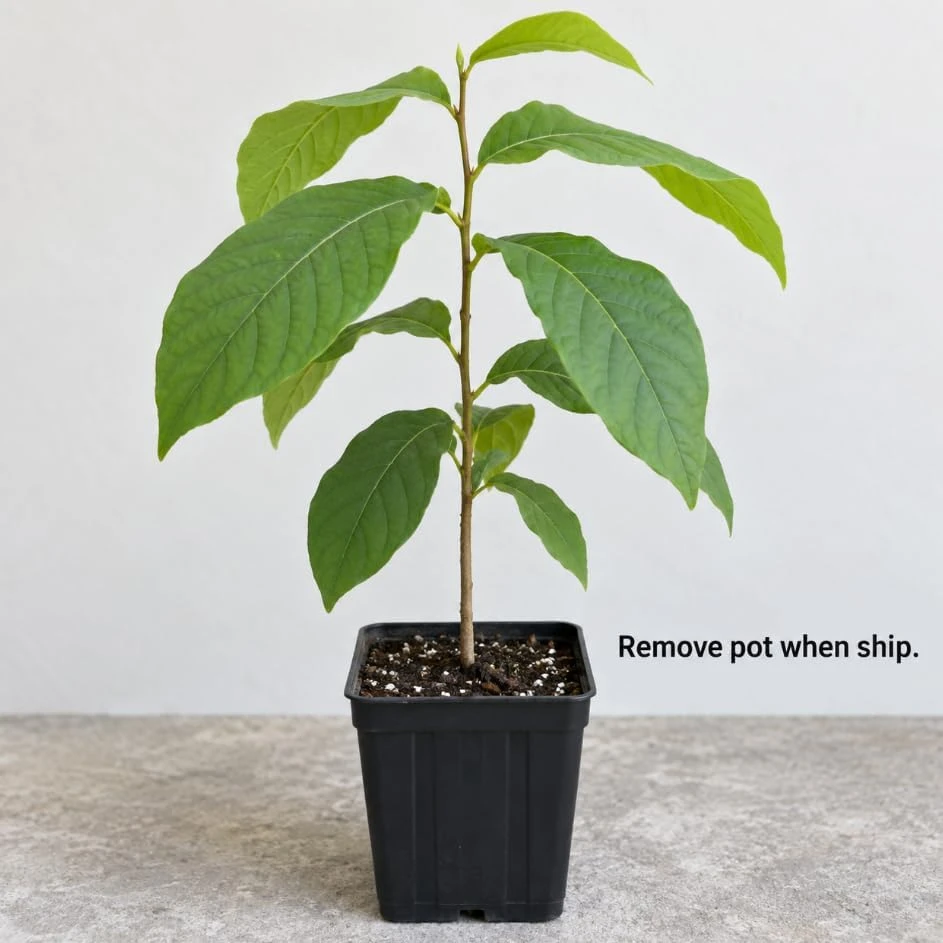
This offering includes two healthy pawpaw tree live plant specimens, each carefully cultivated to provide a strong foundation for your garden. Upon arrival, each plant will measure approximately 10-12 inches in height, providing a manageable size for transplanting while still having sufficient growth to establish quickly. These are 1-year-old plants, meaning they have a well-developed root system and are past the most vulnerable seedling stage. The plants are shipped in their nursery containers, ensuring the root ball remains intact and protected during transit, minimizing transplant shock. While initial growth may seem slow as the plant focuses on root development, once established, the Asimina triloba tree will begin to grow more vigorously.
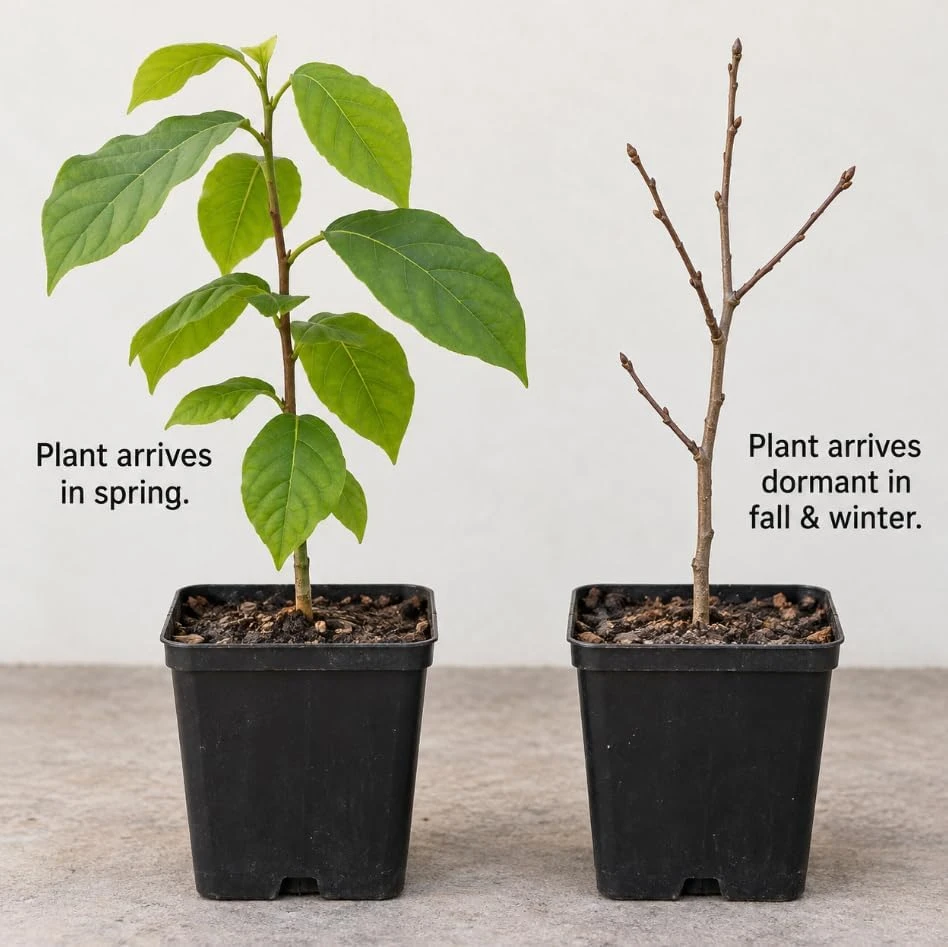
The mature size of a pawpaw fruit tree typically ranges from 15 to 20 feet tall and 10 to 15 feet wide, forming a beautiful, small understory tree or large shrub. The growth rate is moderate, and fruit production can begin within 3-5 years after planting, depending on growing conditions and care. This set of two plants significantly increases your chances of successful cross-pollination, which is crucial for maximizing fruit yield. These plants are well-suited for hardiness zones 5-9, making them adaptable to a wide range of climates across the United States. Expect a deciduous habit, with leaves turning a vibrant yellow in the fall before dropping for winter dormancy.
Frequently Asked Questions
- Q: How big does this pawpaw tree live plant get at maturity? A: A mature pawpaw tree typically reaches a height of 15-20 feet and a width of 10-15 feet. Its size can vary slightly depending on growing conditions and pruning.
- Q: What size pot does the custard apple plant come in? A: The plants are typically shipped in standard nursery containers appropriate for their 10-12 inch height and 1-year-old age, ensuring the root system is well-protected.
- Q: Is this an indoor or outdoor plant? A: The Asimina triloba tree is an outdoor plant, native to North America, and is best suited for planting in gardens, orchards, or landscapes where it can receive adequate sunlight and space.
- Q: How much sunlight does the pawpaw fruit tree need? A: Young pawpaw trees prefer partial shade for their first 1-2 years to prevent leaf scorch. Once established, they can thrive in full sun (6+ hours daily) for optimal fruit production, though they also tolerate partial shade.
- Q: Is this plant easy to care for? Is it good for beginners? A: Yes, once established, pawpaw trees are relatively low-maintenance and can be a good choice for beginners looking to grow fruit trees, especially if their specific light and soil needs are met.
- Q: What condition will the pawpaw tree live plant arrive in? A: Your plants will be carefully packaged to ensure they arrive in great condition, healthy and ready for planting, with their root systems intact within their nursery pots.
- Q: How long until it blooms and produces fruit? A: Pawpaw trees typically begin to bloom and produce fruit within 3-5 years after planting, provided they have suitable growing conditions and cross-pollination.
- Q: Will these growing pawpaw trees survive winter in my zone? A: Pawpaw trees are cold-hardy and well-suited for USDA Hardiness Zones 5-9, meaning they can tolerate winter temperatures in a wide range of climates.
- Q: Do I need two pawpaw trees for fruit production? A: While some varieties are self-fertile, most pawpaw varieties produce more fruit with cross-pollination from a different pawpaw tree. This set of two plants is ideal for maximizing fruit yield.
- Q: What kind of soil does the Asimina triloba tree prefer? A: Pawpaws thrive in well-drained, fertile soil rich in organic matter, with a slightly acidic to neutral pH. Good drainage is crucial to prevent root issues.
Be the first to review “Set of 2 Pawpaw Tree Live Plant – Asimina Triloba Custard Apple, 10-12 inches Tall, 1 Year Old, Outdoor”
Related products


You May Like

Hardneck vs. Softneck Garlic: Which Should You Grow?
Have you ever stood in front of a seed catalog in mid-September, staring at dozens [...]
Oct

When to Plant Music Garlic: Ultimate US Fall Guide
Have you ever spent your fall weekend placing carefully chosen garlic cloves into rich, dark [...]
1 Comment
Oct

5 Best Bulbs for Fall Planting: Brighten Your Garden This Spring
Are you dreaming of a garden full of vibrant colors in the spring? The key [...]
Aug

10 Houseplants That Will Thrive in Your Kitchen
Are you tired of your kitchen feeling dull and lifeless? Want to add a little [...]
1 Comment
Aug
Reviews
There are no reviews yet.