
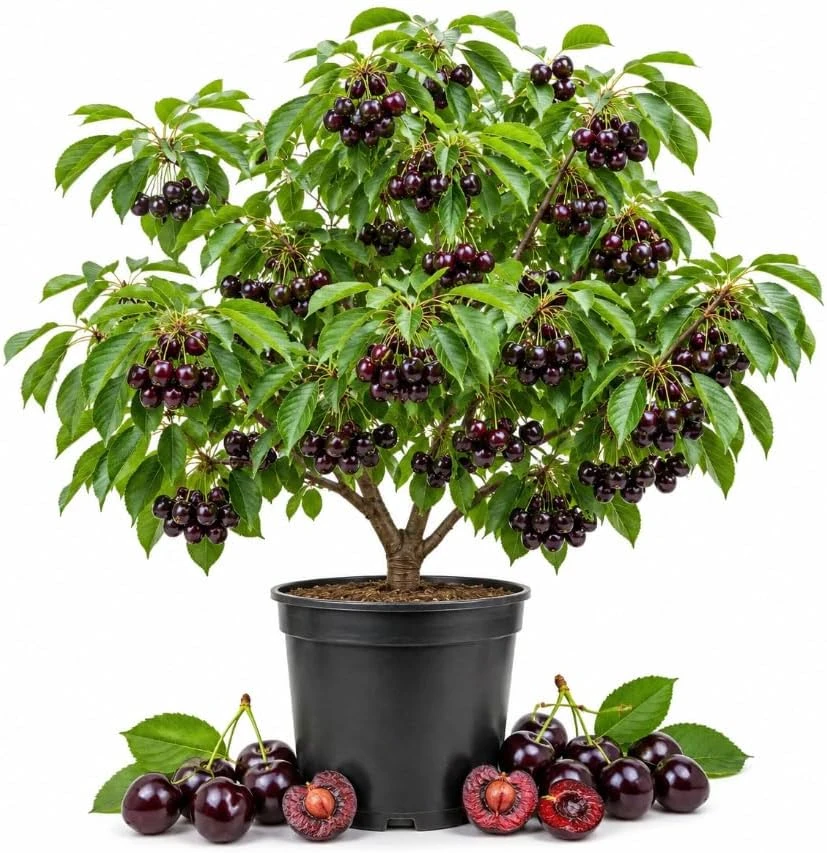
Set of 4 Black Cherry Live Trees, 1-2 ft Tall Bare Root Plants, Outdoor Fruit Trees
Original price was: 56.99 $.36.99 $Current price is: 36.99 $.
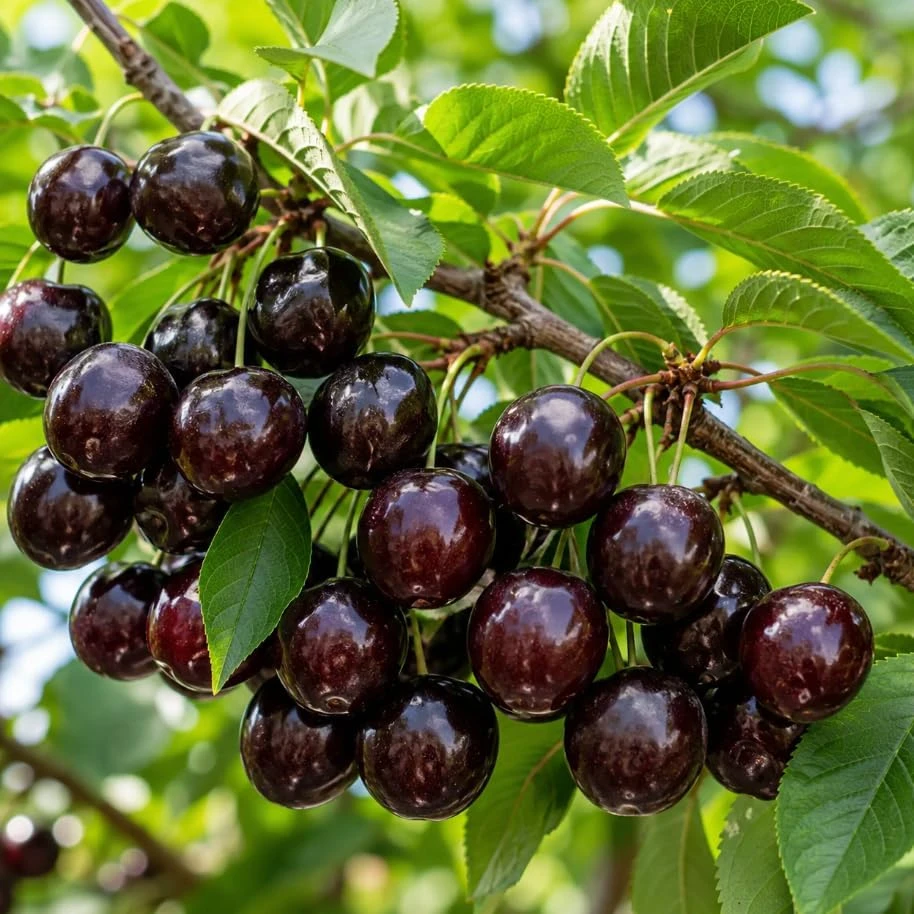
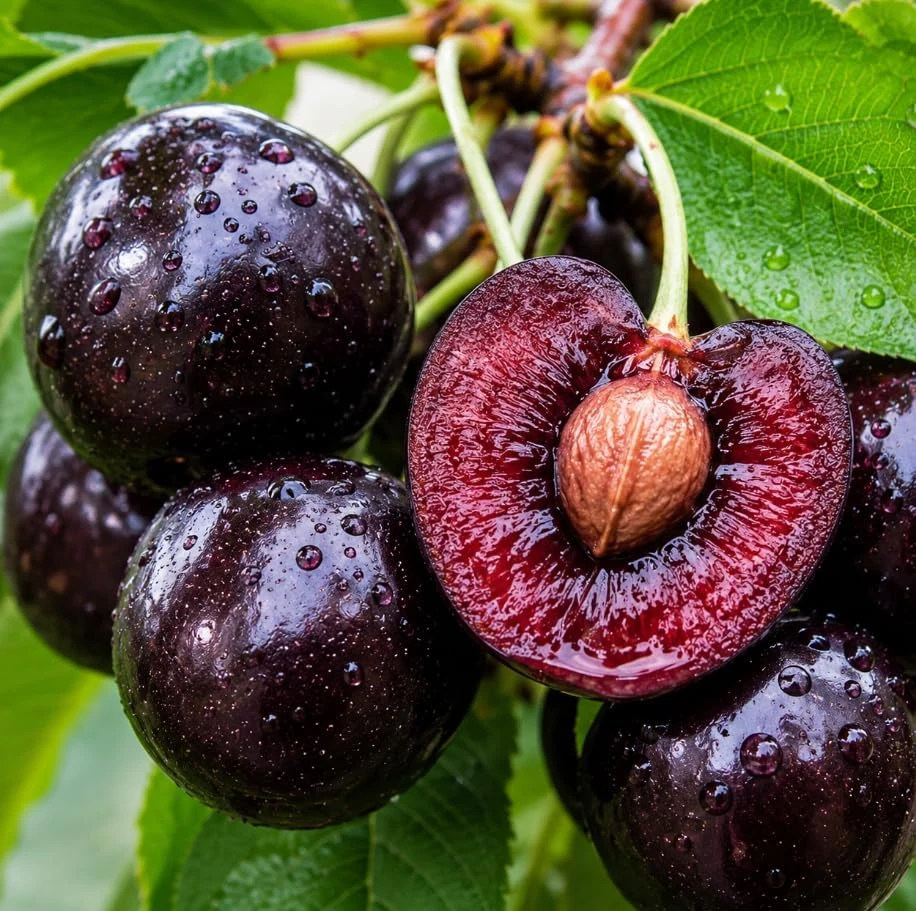
Cultivate your own delicious fruit with this set of 4 black cherry live trees. These 1-2 foot tall bare root cherry trees are shipped dormant, ready to establish in your backyard orchard or garden. Expect beautiful spring blossoms and eventually, a harvest of sweet black cherries.
Estimated arrival
Oct 17
Oct 22 - Oct 24
Oct 24 - Oct 29
See our Shipping Policy.
Get in touch with us via email, and our team will review your concerns.
Our Alive & Thrive Guarantee covers issues with your plants within the first 30 days. Read our Refund & Returns Policy.
-
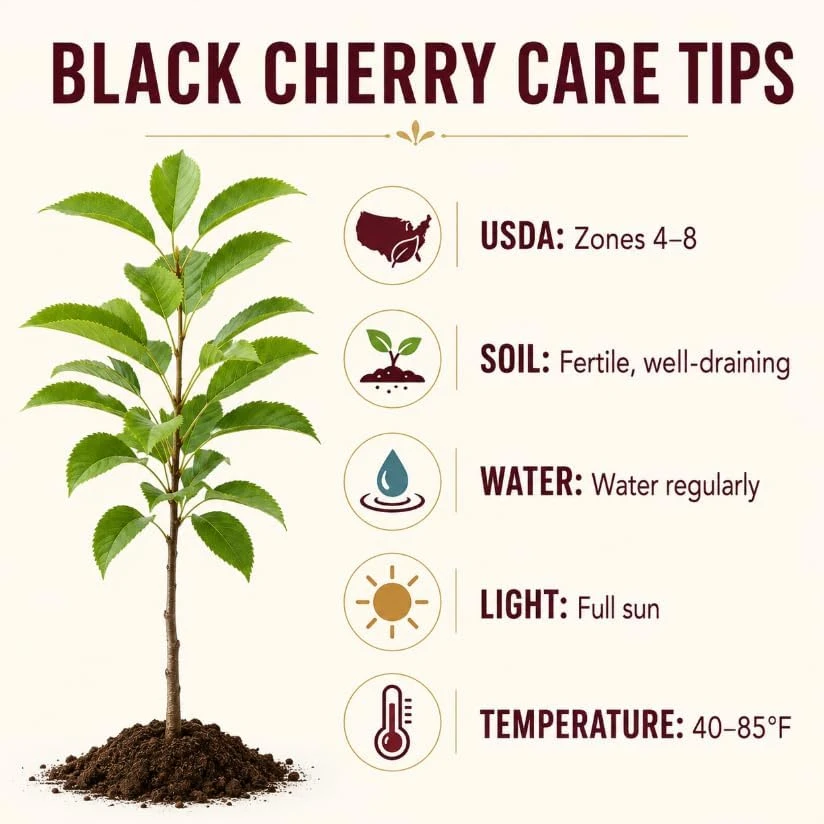
USDA Hardiness Zone
USDA Zones 4-8 -
Soil Type
Well-draining, loamy soil -
Sunlight Exposure
Full sun -
Expected Planting Period
Early spring
Overview
Embark on a rewarding gardening journey with our set of four black cherry live trees, perfect for establishing your own home orchard or enhancing your landscape. These young trees, scientifically known as Prunus serotina, are supplied as healthy 1-2 foot tall bare root plants, ideal for successful transplanting. Arriving in their dormant state, these deciduous fruit trees are perfectly poised to burst into life with the warmth of spring, developing lush foliage and eventually, the promise of abundant, sweet black cherries. Known for their resilience and attractive appearance, black cherry live trees offer both ornamental beauty with their spring blossoms and the tangible reward of home-grown fruit.
Each tree in this quartet is carefully selected to provide you with a robust foundation for a thriving cherry grove. Whether you’re an experienced orchardist or a budding gardener, these sweet black cherry fruit trees are a fantastic choice for those looking to enjoy fresh, flavorful cherries right from their own property. Their adaptability and classic appeal make them a popular selection for various garden designs, from formal orchards to more naturalized backyard settings.
Key Benefits
Investing in these black cherry live trees brings a multitude of advantages to your home and garden. Beyond the sheer joy of growing your own food, these trees contribute significantly to your outdoor space:
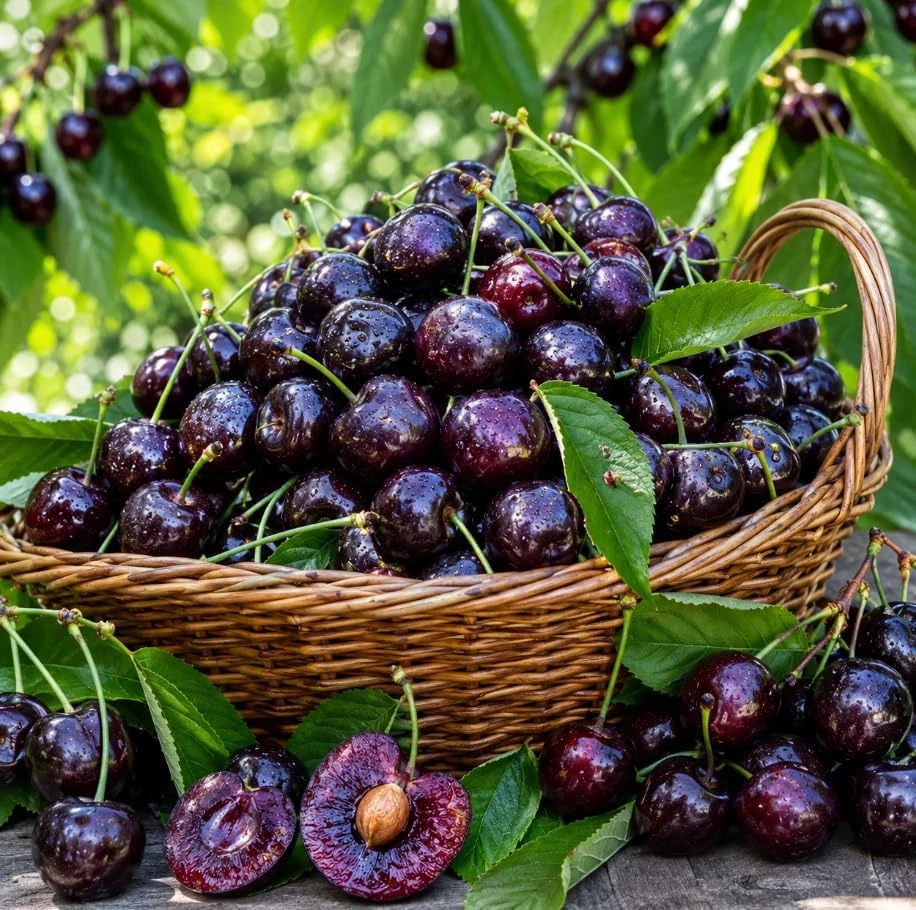
- Homegrown Sweet Cherries: Enjoy the unparalleled taste of fresh, sweet black cherries picked directly from your own trees. These trees are known for producing delicious, deep-colored fruit perfect for snacking, baking, or preserving.
- Beautiful Spring Blossoms: Each spring, your trees will be adorned with delicate white flowers, creating a stunning visual display and attracting beneficial pollinators to your garden. These blossoms are a harbinger of the fruit to come.
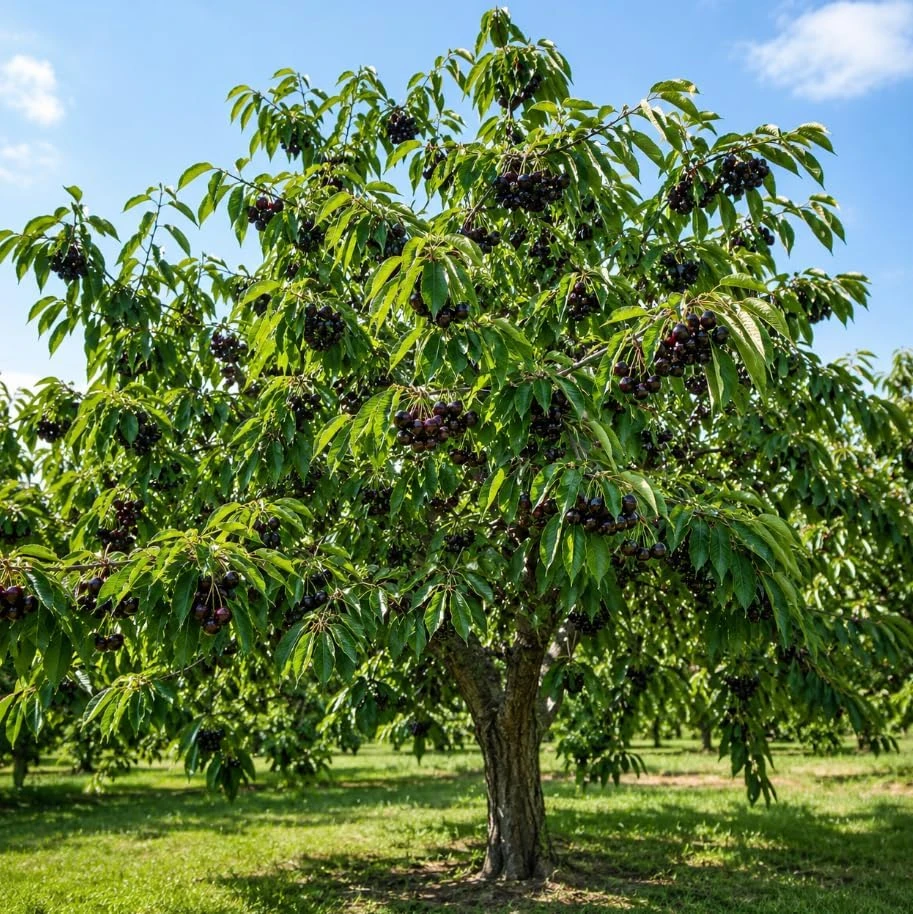
- Enhanced Landscape Value: Mature black cherry live trees develop into attractive, medium-sized trees that provide shade and visual interest, increasing the aesthetic appeal and value of your property.
- Wildlife Attraction: The fruit and flowers can attract local wildlife, including birds and bees, contributing to the biodiversity and ecological health of your garden.
- Sustainable Food Source: Growing your own fruit reduces your carbon footprint and provides a sustainable, healthy food option free from commercial pesticides (when grown organically).
- Long-Term Investment: With proper care, these trees will continue to produce fruit for many years, offering a lasting return on your initial planting effort.
- Bare Root Advantage:Bare root cherry trees are often more cost-effective and establish quickly when planted correctly, allowing their root systems to adapt directly to your native soil.
Plant Care & Growing Tips
To ensure your black cherry live trees thrive and produce bountiful harvests, proper care is essential. These trees are relatively low-maintenance once established, but attention to their initial needs will set them up for long-term success. Black cherry trees prefer a location that receives full sun, meaning at least 6-8 hours of direct sunlight per day. This is crucial for optimal fruit production and overall tree health. When planting your bare root cherry trees, dig a hole that is wide enough to spread the roots out naturally and deep enough so that the graft union (if visible) is above the soil line. Backfill with soil, gently tamping down to remove air pockets, and water thoroughly.
Soil Requirements: These trees flourish in well-drained soil. A loamy soil type, rich in organic matter, is ideal. Avoid heavy clay soils that retain too much moisture, as this can lead to root rot. If your soil is heavy, amend it with compost or other organic materials to improve drainage. The ideal pH range for prunus serotina is slightly acidic to neutral (6.0-7.0).
Watering: During their first year, consistent watering is vital for establishing a strong root system. Water deeply 1-2 times per week, especially during dry periods, ensuring the soil remains consistently moist but not waterlogged. Once established, black cherry trees are moderately drought-tolerant but will benefit from supplemental watering during extended dry spells. Ensure good drainage to prevent water accumulation around the roots.
Temperature & Hardiness: These sweet black cherry fruit trees are robust and suitable for outdoor planting in USDA Hardiness Zones 4-8. They require a certain number of chill hours (periods of cold temperatures below 45°F/7°C) to break dormancy and set fruit. Protection from late spring frosts may be necessary for very young trees or if unseasonably cold weather is expected during bloom time.
Fertilization: Fertilize your young trees in early spring with a balanced slow-release fertilizer or an organic compost. Avoid over-fertilizing, especially with high-nitrogen fertilizers, which can promote leafy growth at the expense of fruit production. Once established, fertilize annually based on soil test results, or if growth seems to be lacking. Proper black cherry tree care also involves regular pruning to maintain tree shape, remove dead or diseased branches, and encourage fruit production.
Size & Details
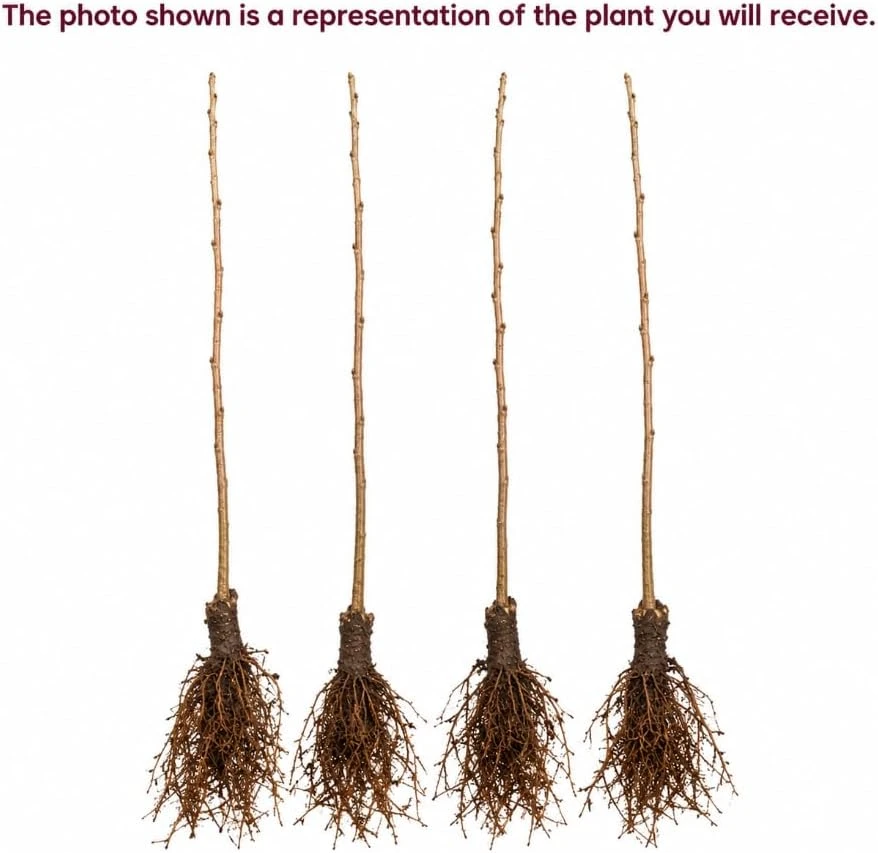
This offering includes a set of four individual black cherry live trees, each measuring approximately 1-2 feet in height upon arrival. These are shipped as bare root plants, meaning they will arrive without soil around their roots, carefully packaged to maintain moisture during transit. This method is highly effective for deciduous trees, promoting rapid establishment once planted in their new location. The trees will be dormant, appearing leafless and twig-like, which is perfectly normal for bare root stock and indicates they are ready for planting. New growth, including leaves and eventually blossoms, will emerge as the weather warms in spring.
Mature prunus serotina trees can reach heights of 50-80 feet in ideal conditions, though they can be kept smaller with proper pruning. They typically begin producing fruit within 3-5 years after planting, with full production achieved in 7-10 years. The expected growth rate is medium to fast, adding 1-2 feet per year once established. These trees are perfect for those looking to invest in a long-term addition to their landscape, providing both ecological benefits and delicious fruit for years to come.
Frequently Asked Questions
- Q: How big do these black cherry trees get? A: These black cherry live trees are 1-2 feet tall when shipped. Mature trees can reach 50-80 feet in height, but their size can be managed with regular pruning for home orchard settings.
- Q: What condition will the trees arrive in? A: Your bare root cherry trees will arrive dormant, leafless, and approximately 1-2 feet tall. This is normal for bare root stock and ensures successful transplanting. They are carefully packaged to keep their roots moist during transit.
- Q: Is this an indoor or outdoor plant? A: These are outdoor fruit trees. Black cherry live trees require full sun and specific chill hours to thrive and produce fruit, making them unsuitable for indoor cultivation.
- Q: How much sunlight do these trees need? A: For optimal growth and fruit production, your sweet black cherry fruit trees need at least 6-8 hours of direct sunlight per day. Choose a planting location that receives full sun.
- Q: What is the best time to plant these bare root trees? A: The best time to plant bare root trees like these is in early spring, as soon as the soil is workable and before the trees break dormancy. This allows them to establish their root system before the stress of summer heat.
- Q: Are these trees self-pollinating? A: While black cherry trees (Prunus serotina) are generally self-fertile, planting multiple trees can often lead to better fruit set and yield due to enhanced cross-pollination. This set of four trees is ideal for that purpose.
- Q: What kind of soil is best for black cherry trees? A: Black cherry tree care includes planting them in well-draining, fertile soil. Loamy soil with a slightly acidic to neutral pH (6.0-7.0) is ideal. Avoid heavy clay soils that can lead to waterlogging.
- Q: How long until these trees produce fruit? A: Typically, these black cherry live trees will begin to produce fruit within 3-5 years after planting, with more significant harvests as they mature, usually around 7-10 years.
- Q: Will these trees survive winter in my zone? A: Yes, these trees are hardy and suitable for USDA Zones 4-8. They are well-adapted to cold winters and require a period of dormancy to produce fruit.
- Q: What are the main benefits of growing black cherry trees? A: The main benefits include fresh, delicious homegrown cherries, beautiful spring blossoms, enhanced landscape appeal, and providing habitat and food for local wildlife. They are a rewarding long-term investment.
Be the first to review “Set of 4 Black Cherry Live Trees, 1-2 ft Tall Bare Root Plants, Outdoor Fruit Trees”
Related products


You May Like

Hardneck vs. Softneck Garlic: Which Should You Grow?
Have you ever stood in front of a seed catalog in mid-September, staring at dozens [...]
Oct

When to Plant Music Garlic: Ultimate US Fall Guide
Have you ever spent your fall weekend placing carefully chosen garlic cloves into rich, dark [...]
1 Comment
Oct

5 Best Bulbs for Fall Planting: Brighten Your Garden This Spring
Are you dreaming of a garden full of vibrant colors in the spring? The key [...]
Aug

10 Houseplants That Will Thrive in Your Kitchen
Are you tired of your kitchen feeling dull and lifeless? Want to add a little [...]
1 Comment
Aug
Reviews
There are no reviews yet.